
The FIFA World Cup is the biggest tournament in international men’s soccer, combining national pride, unforgettable upsets, iconic goals, and decades of history into one month of global attention. These 145 World Cup facts cover the tournament’s origins, trophies, champions, records, hosts, penalties, famous moments, and the traditions that turned it into one of the planet’s most watched sporting events.
World Cup basics
- The FIFA World Cup is the senior men’s international soccer championship organized by FIFA.
- FIFA stands for Fédération Internationale de Football Association.
- The first World Cup was held in 1930.
- Uruguay hosted the inaugural tournament.
- Uruguay also won the first World Cup.
- The tournament is normally held every four years.
- World War II caused the 1942 and 1946 tournaments to be canceled.
- The competition resumed in 1950.
- National teams qualify through continental competitions.
- The host nation traditionally receives automatic qualification.
- The tournament has expanded several times since 1930.
- The 2022 World Cup featured 32 teams.
- The 2026 World Cup expands to 48 teams.
- The tournament ends with a single championship final.
- The winning nation becomes world champion for the next four-year cycle.
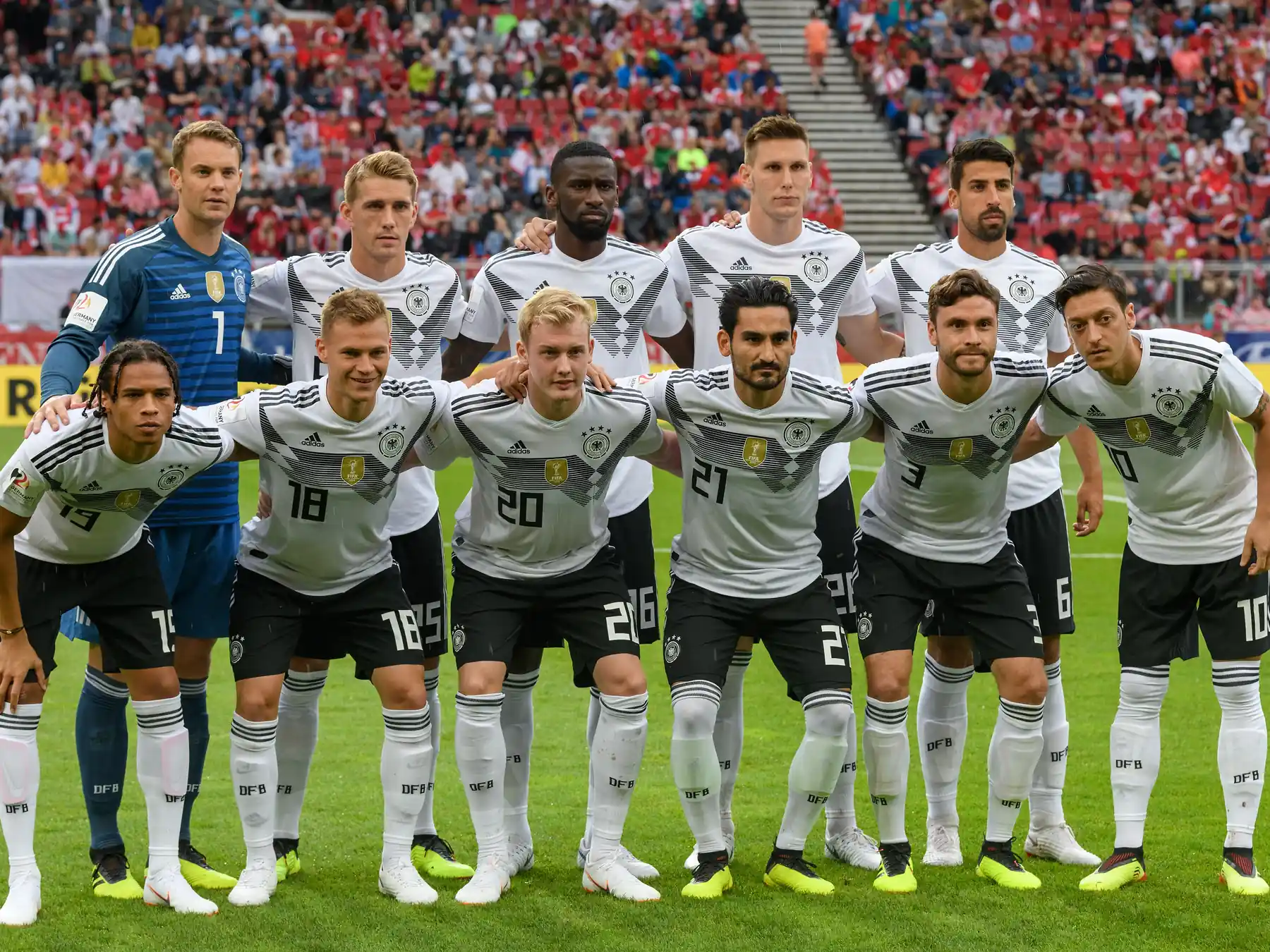
The first tournament looked very different
- Only 13 teams competed in the 1930 World Cup.
- Most European teams skipped the long trip to Uruguay.
- Travel from Europe to South America required a lengthy ocean voyage.
- Several European squads traveled together by ship.
- Matches were played entirely in Montevideo.
- Estadio Centenario was built partly for the tournament.
- The final matched Uruguay and Argentina.
- Uruguay won 4-2.
- More than 60,000 spectators attended the final.
- The tournament had no qualification campaign because teams were invited.
- There was no penalty shootout system.
- Substitutions were not part of the modern tactical structure fans know today.
- Soccer balls differed more noticeably in construction than modern standardized match balls.
- Uruguay’s victory added to its Olympic soccer titles from 1924 and 1928.
- The success of the first tournament established the World Cup as a recurring global competition.
The World Cup trophy has changed
- The original World Cup trophy was later called the Jules Rimet Trophy.
- Jules Rimet was the FIFA president who championed creation of the tournament.
- The trophy depicted Nike, the Greek goddess of victory.
- Brazil won the Jules Rimet Trophy permanently after claiming its third World Cup in 1970.
- The original trophy was stolen in England before the 1966 World Cup.
- A dog named Pickles famously found it wrapped in newspaper.
- The trophy was later stolen again in Brazil in 1983.
- It has never been recovered.
- The current FIFA World Cup Trophy debuted in 1974.
- It was designed by Italian sculptor Silvio Gazzaniga.
- The trophy depicts two human figures holding up the Earth.
- Winning teams receive the trophy during the championship ceremony.
- They do not keep the original permanently.
- Champions receive a gold-plated replica to retain.
- The names of winning nations are engraved on the trophy’s base.
Brazil built the tournament’s most famous legacy
- Brazil has won more men’s World Cups than any other nation.
- Its titles came in 1958, 1962, 1970, 1994, and 2002.
- Brazil is also the only nation to have appeared in every men’s World Cup tournament through 2022.
- Pelé won his first World Cup in 1958 as a teenager.
- He scored in the final against Sweden.
- Pelé also won the World Cup in 1962 and 1970.
- He is the only men’s player to have won three World Cups as a player.
- Brazil’s 1970 team is frequently cited among the greatest international sides ever assembled.
- The 1970 final ended with Brazil beating Italy 4-1.
- Carlos Alberto scored the famous final goal of that match.
- Brazil’s yellow jersey became one of the most recognizable uniforms in world sport.
- The yellow shirt was adopted after Brazil’s 1950 World Cup disappointment.
- Brazilian World Cup teams helped popularize the image of creative attacking soccer.
- Stars such as Garrincha, Ronaldo, Romário, Rivaldo, Ronaldinho, and Kaká added to that legacy.
- Brazil’s five titles made the national team a benchmark for World Cup success.
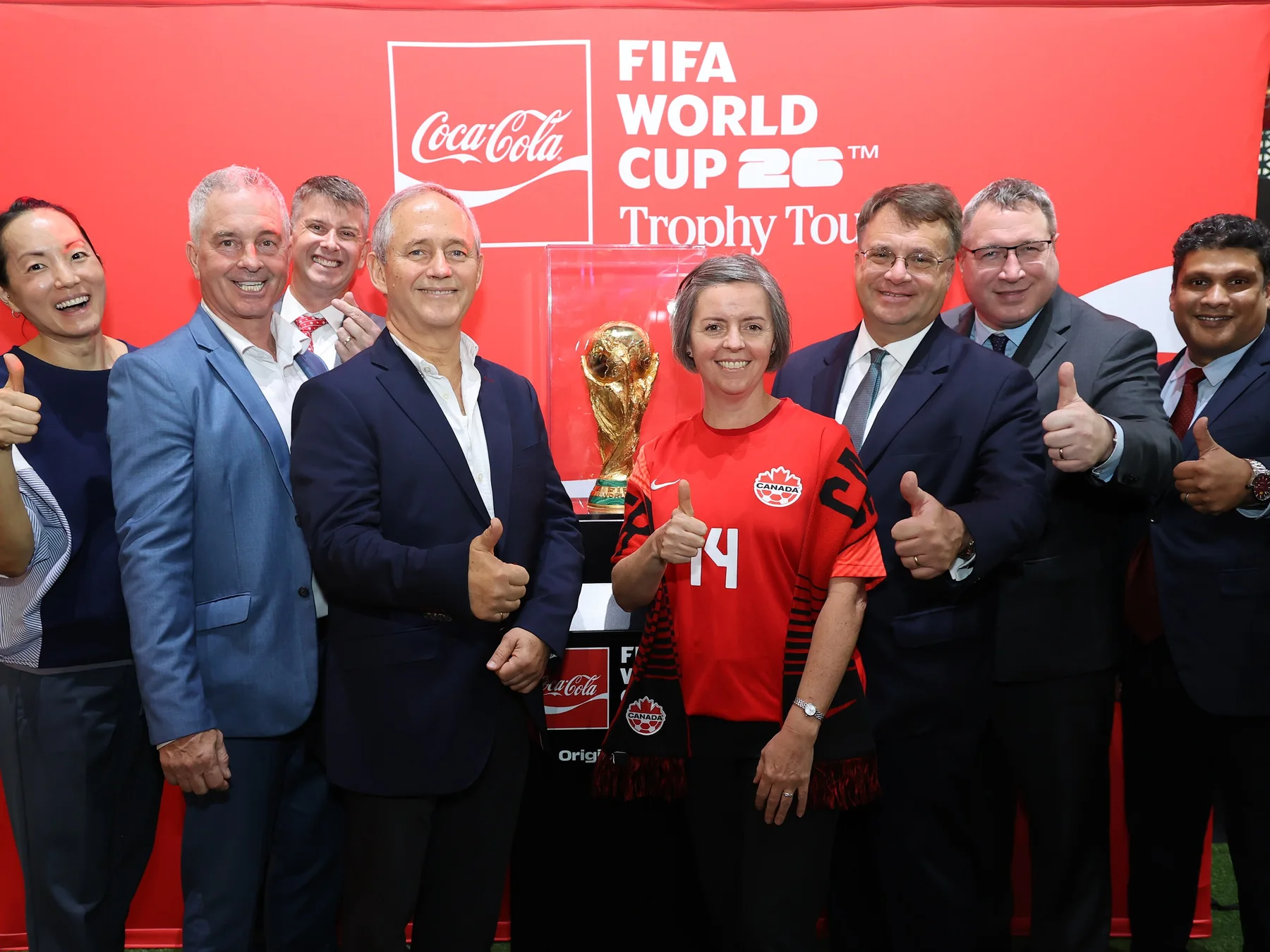
The 1950 tournament had no single final match
- The 1950 World Cup used an unusual final-round group format.
- Four teams entered the final group.
- Brazil and Uruguay met in the last match.
- Brazil needed only a draw to finish first.
- Uruguay needed a win.
- The game was played at the Maracanã in Rio de Janeiro.
- Brazil scored first.
- Uruguay came back to win 2-1.
- Alcides Ghiggia scored the decisive goal.
- The defeat became known in Brazil as the Maracanazo.
- The official attendance was enormous, with estimates around 200,000 people including unofficial totals.
- It remains one of soccer’s most famous upsets.
- Uruguay became world champion even though the match technically was not labeled a final.
- The emotional impact reshaped Brazilian soccer culture.
- Brazil later changed its national-team colors and embraced the yellow-and-blue look associated with later triumphs.
Penalty shootouts arrived in the modern era
- World Cup knockout matches can go to extra time if tied.
- Extra time consists of two 15-minute periods.
- If the score remains tied, a penalty shootout can decide the winner.
- The first World Cup penalty shootout occurred in 1982.
- West Germany defeated France in that shootout.
- Penalty shootouts are separate from the match score for official statistical purposes.
- Each team initially takes five kicks.
- Teams alternate kicks.
- A shootout can end early if one side becomes mathematically unable to catch the other.
- If still tied after five kicks each, sudden-death rounds follow.
- Goalkeepers must obey specific positioning rules during penalties.
- Kick takers may not touch the ball twice before another player does.
- Penalty shootouts have decided multiple World Cup finals.
- Argentina won the 2022 final over France in a shootout after a 3-3 match.
- Shootouts combine technique, psychology, scouting, and chance in one of soccer’s most dramatic formats.
Some World Cup records are astonishing
- Miroslav Klose holds the men’s World Cup record for career goals with 16.
- He represented Germany.
- Klose played in four World Cups from 2002 through 2014.
- He won the tournament in 2014.
- Brazil’s Ronaldo scored 15 World Cup goals.
- Gerd Müller scored 14.
- France’s Just Fontaine scored 13 goals in a single World Cup in 1958.
- Fontaine’s single-tournament record still stands.
- Pelé is the youngest scorer in a men’s World Cup final.
- He was 17 during the 1958 final.
- Norman Whiteside became the youngest player to appear in a men’s World Cup match in 1982.
- He represented Northern Ireland.
- Roger Milla became one of the oldest goal scorers in tournament history.
- He scored for Cameroon at age 42 in 1994.
- World Cup records often survive for decades because players get only a handful of tournaments in an entire career.
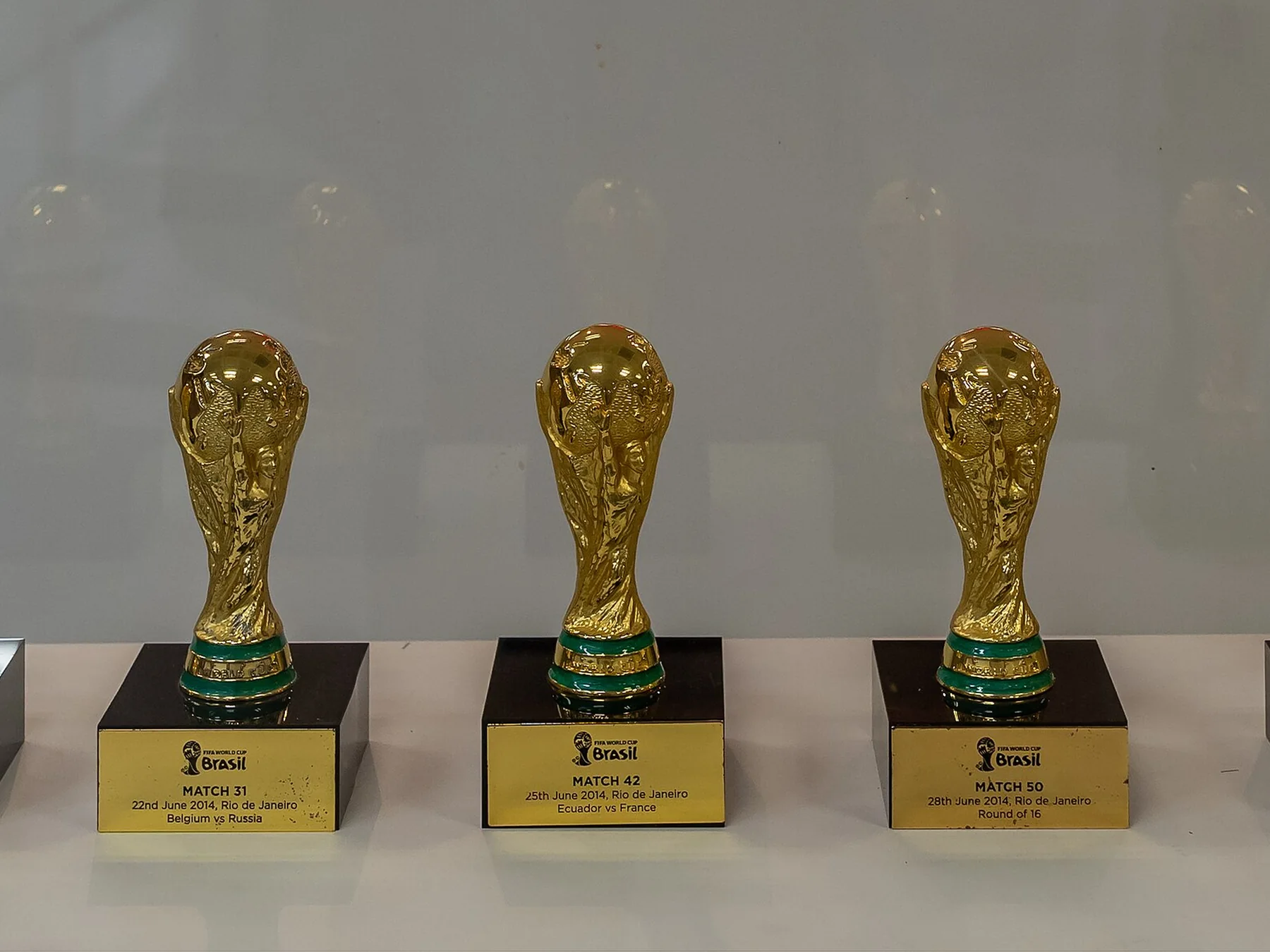
The tournament produced unforgettable upsets
- The United States beat England 1-0 in 1950.
- The result was considered so improbable that some readers reportedly assumed early score reports contained an error.
- North Korea reached the quarterfinals in 1966.
- North Korea defeated Italy during that run.
- Cameroon beat defending champion Argentina in the opening match of the 1990 tournament.
- Senegal beat defending champion France in the opening match of the 2002 World Cup.
- South Korea reached the semifinals in 2002.
- That remains one of the deepest runs by an Asian men’s national team.
- Costa Rica won a group containing former champions Uruguay, Italy, and England in 2014.
- South Korea defeated Germany in 2018.
- Germany entered that tournament as defending champion.
- Saudi Arabia defeated Argentina in the group stage in 2022.
- Argentina recovered and went on to win the tournament.
- Morocco became the first African men’s team to reach a World Cup semifinal in 2022.
- Upsets are especially memorable because World Cup opportunities come only once every four years.
Hosts have shaped World Cup history
- Several host nations have won the World Cup on home soil.
- Uruguay won at home in 1930.
- Italy won at home in 1934.
- England won its only men’s World Cup at home in 1966.
- West Germany won at home in 1974.
- Argentina won at home in 1978.
- France won at home in 1998.
- Home advantage can include familiar conditions and strong local support.
- Hosting also requires stadiums, transport, security, training sites, and accommodation on a massive scale.
- The 2002 tournament was the first men’s World Cup co-hosted by two countries.
- Japan and South Korea shared hosting duties.
- South Africa hosted the first men’s World Cup held in Africa in 2010.
- Qatar hosted the first men’s World Cup in the Middle East in 2022.
- The 2026 tournament is jointly hosted by Canada, Mexico, and the United States.
- Mexico becomes the first country to host men’s World Cup matches in three different editions.
Ten surprising World Cup facts
- The first World Cup had only 13 teams.
- The original trophy was once found by a dog after being stolen.
- Brazil kept the Jules Rimet Trophy permanently after its third title.
- The original Jules Rimet Trophy was stolen again in 1983 and never recovered.
- The 1950 tournament did not have a conventional championship final.
- Penalty shootouts were not used at a World Cup until 1982.
- Just Fontaine scored 13 goals in one tournament.
- Pelé won three World Cups as a player.
- Morocco became the first African men’s team to reach a semifinal in 2022.
- For more soccer trivia, explore our soccer facts, Olympics facts, and rugby facts.
Quick World Cup FAQ
When was the first FIFA World Cup?
Uruguay hosted the inaugural tournament in 1930 and won the championship.
Which country has won the most men’s World Cups?
Brazil, with five titles.
Who has scored the most men’s World Cup goals?
Germany’s Miroslav Klose holds the career record with 16.
How often is the World Cup held?
Normally every four years.
How many teams will play in the 2026 World Cup?
Forty-eight national teams.

Ellie is the owner and sole author of Fun Facts, combining her mechanical engineering background with years of research-driven writing to deliver facts you can trust. Every article is thoroughly fact-checked and routinely updated as new science and sources emerge to keep information accurate and current. Her mission is to make learning delightful while upholding high standards of reliability and transparency.