
The NFL is a century-old league that turned regional football clubs into one of the world’s biggest sports businesses. Its history includes mergers, dynasties, legendary quarterbacks, strange rules, dramatic overtime finishes, wild draft stories, and a championship game watched far beyond the United States. These 145 NFL facts explore teams, records, the draft, rules, stadiums, rivalries, the Super Bowl era, and the league’s evolution.
NFL basics
- NFL stands for National Football League.
- The league has 32 teams.
- Those teams are split evenly between the AFC and NFC.
- Each conference contains four divisions.
- Each division contains four teams.
- An NFL regulation game lasts 60 minutes.
- The game is divided into four 15-minute quarters.
- The offense gets four downs to gain at least 10 yards.
- A touchdown is worth six points.
- An extra-point kick is normally worth one point.
- A two-point conversion is worth two points.
- A field goal is worth three points.
- A safety is worth two points.
- The NFL regular season currently includes 17 games per team.
- Teams also receive one bye week during the regular season.
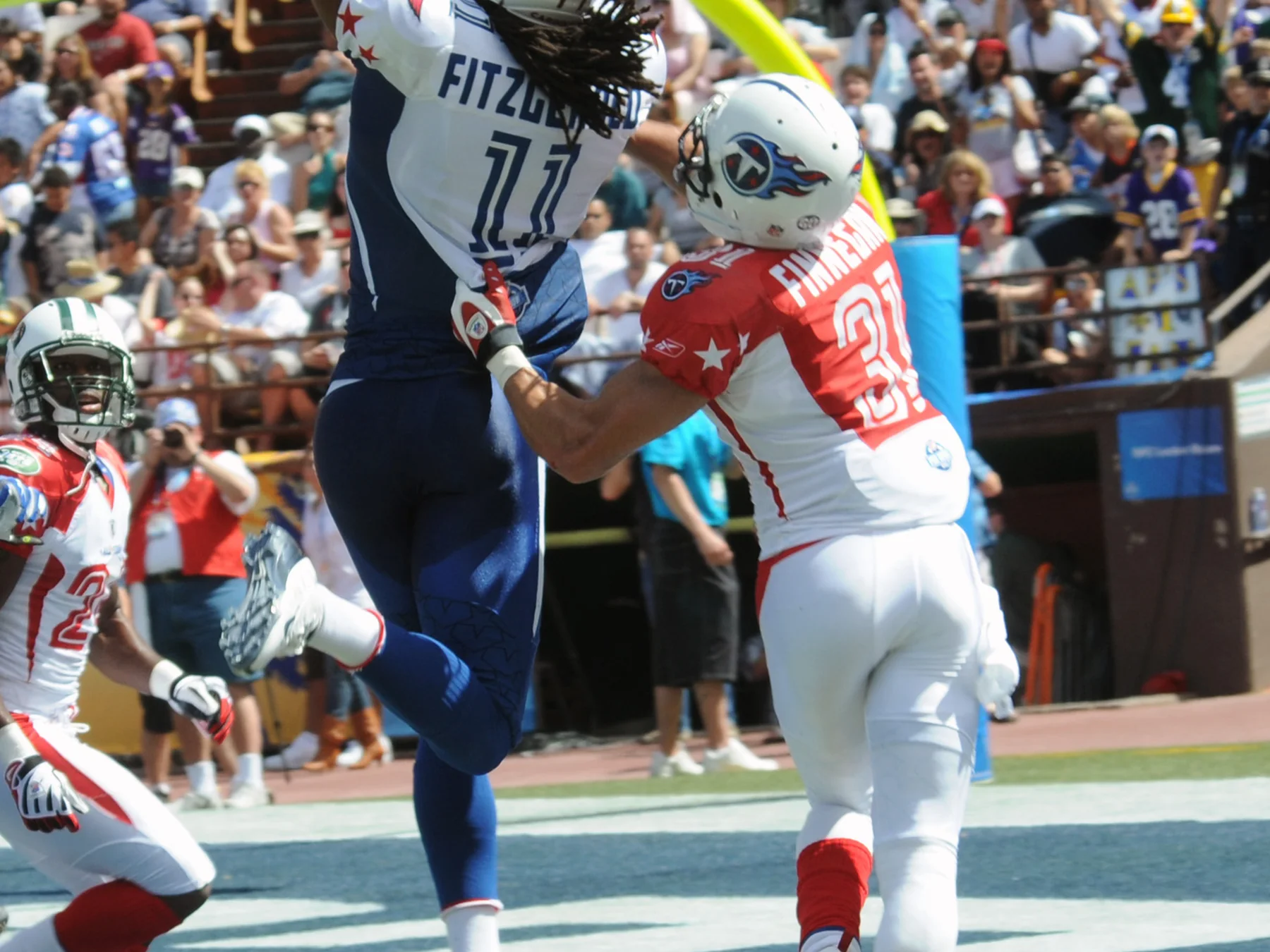
The NFL began in 1920
- The league was founded in 1920.
- It originally operated as the American Professional Football Association.
- The organization changed its name to the National Football League in 1922.
- Early teams were concentrated in the Midwest and Northeast.
- Many founding franchises disappeared within a few years.
- Team stability was a major challenge in the early league.
- The Chicago Bears trace their roots to the Decatur Staleys.
- The Green Bay Packers joined the league in 1921.
- The Packers are the only publicly owned major professional sports franchise in the United States with a broad community shareholder model.
- The Arizona Cardinals trace their lineage to one of football’s oldest professional clubs.
- The league survived competition from rival professional football organizations.
- College football was initially more popular than the professional game.
- The NFL gradually built national attention through radio, television, star players, and championship games.
- Postwar television dramatically expanded the league’s audience.
- The modern NFL bears little resemblance to the small regional league founded in 1920.
The AFL merger reshaped pro football
- The American Football League began play in 1960.
- The AFL competed directly with the NFL for players and fans.
- Both leagues spent heavily to sign top college talent.
- The competition increased salaries for many players.
- The leagues agreed to merge in 1966.
- They continued operating separately for several seasons while planning the full merger.
- The first AFL-NFL World Championship Game was played after the 1966 season.
- That game later became known as Super Bowl I.
- The leagues fully merged in 1970.
- The merged structure created the American Football Conference and National Football Conference.
- Most former AFL teams entered the AFC.
- The Pittsburgh Steelers, Cleveland Browns, and Baltimore Colts moved from the old NFL side to the AFC to balance the conferences.
- The merger helped unify television rights and league structure.
- It also created many of the conference rivalries fans recognize today.
- The modern NFL is fundamentally a product of that merger.
The Super Bowl became a cultural event
- The Super Bowl determines the NFL champion.
- It matches the AFC champion against the NFC champion.
- The first Super Bowl was played in January 1967.
- The Green Bay Packers won the first two Super Bowls.
- Vince Lombardi coached both championship teams.
- The Super Bowl trophy is named the Vince Lombardi Trophy.
- The trophy is made by Tiffany & Co.
- The winning team keeps the trophy permanently.
- The Super Bowl became one of the most-watched annual television events in the United States.
- Commercials aired during the game became cultural events of their own.
- The halftime show grew from marching-band style entertainment into a major music showcase.
- Host cities typically prepare for years before staging a Super Bowl.
- The game is often played at a neutral-site stadium.
- Roman numerals are traditionally used to identify most Super Bowls.
- For a deeper dive, our Super Bowl facts explore the event in far more detail.
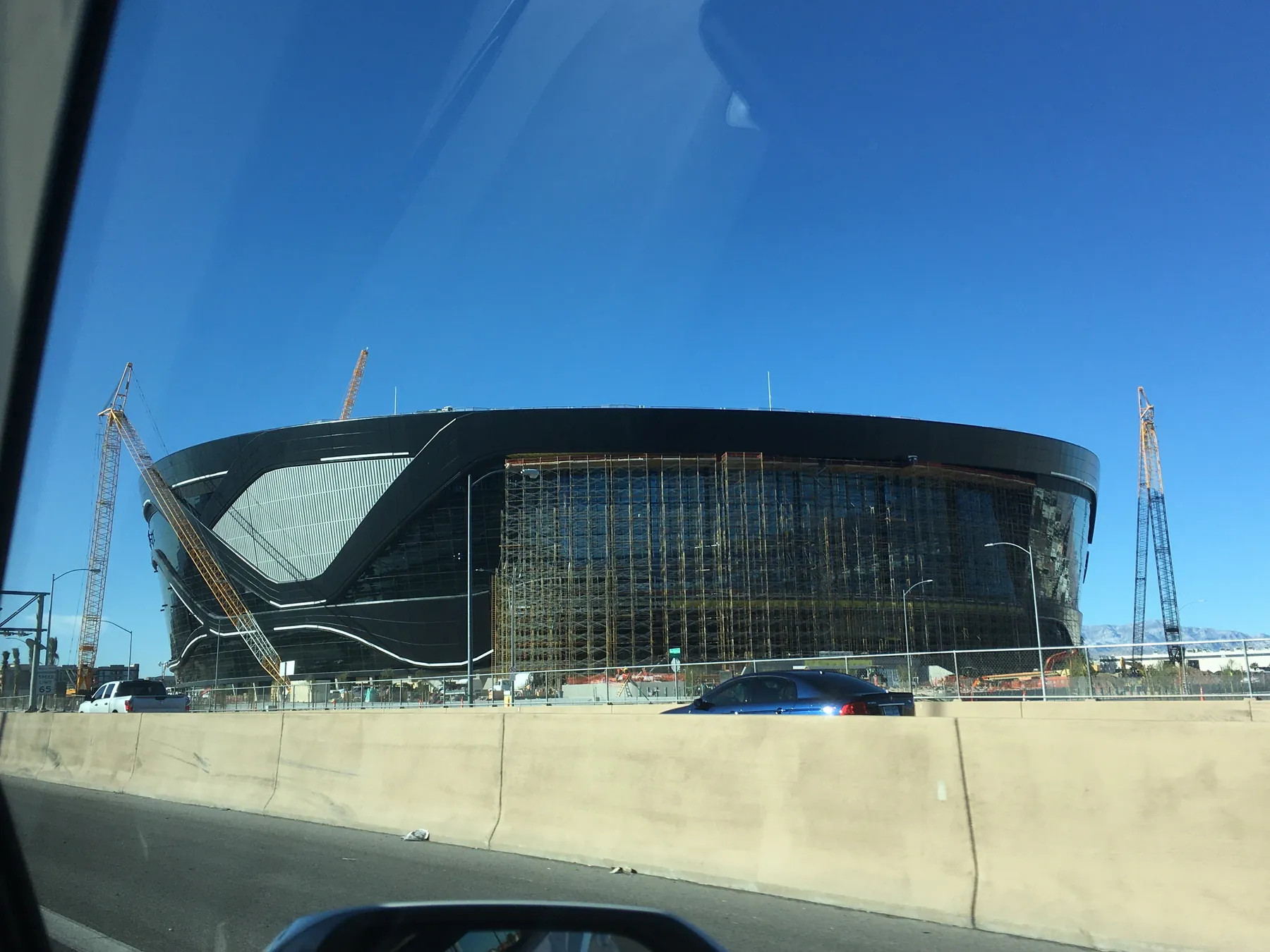
The draft can transform a franchise
- The NFL Draft is held annually.
- The draft consists of seven rounds.
- Teams generally select in reverse order of the previous season’s standings.
- Playoff results affect the order for postseason teams.
- The Super Bowl champion picks last in the first round unless trades alter the order.
- Teams can trade draft picks.
- Future draft picks can also be traded.
- Compensatory picks are awarded under league formulas related to free-agent losses.
- The first NFL draft was held in 1936.
- Jay Berwanger was the first player selected in NFL Draft history.
- He never played an NFL game.
- Tom Brady was selected 199th overall in 2000.
- That made his later career one of the most famous draft-value stories in sports.
- Late-round players can become stars while top picks can fail.
- Draft scouting combines athletic testing, game film, interviews, medical evaluation, and projection.
The quarterback became football’s most famous position
- The quarterback usually receives the snap on offensive plays.
- Quarterbacks can pass, hand off, or run with the ball.
- The position requires rapid decision-making before and after the snap.
- Quarterbacks often communicate play changes at the line of scrimmage.
- These changes are called audibles.
- The center snaps the ball to the quarterback.
- Shotgun formations place the quarterback several yards behind the center.
- Under-center formations place the quarterback directly behind the center.
- Quarterback rating systems attempt to summarize passing efficiency.
- The NFL has used a traditional passer-rating formula for decades.
- Modern analytics also use metrics such as expected points added.
- Pocket passing dominated many earlier eras.
- Modern offenses increasingly value quarterbacks who can create plays with their legs.
- Quarterbacks often command the largest contracts on NFL rosters.
- The importance of the position makes finding a franchise quarterback one of the league’s hardest challenges.
Rules evolved with television and strategy
- The NFL has repeatedly changed rules to improve safety, scoring, and game flow.
- The forward pass was once a radical innovation in American football.
- Modern pass interference rules strongly shape defensive strategy.
- Defensive holding can produce an automatic first down.
- Intentional grounding penalizes certain illegal throwaways by the quarterback.
- Replay review was introduced, removed, and later restored in revised forms.
- Coaches can challenge some officiating decisions.
- Certain plays are automatically reviewed.
- The two-minute warning creates a scheduled clock stoppage late in each half.
- The play clock limits how long an offense has to snap the ball.
- The current standard play clock is often 40 seconds after the previous play ends.
- Some administrative situations use a 25-second play clock.
- Kickoff rules have changed many times because of safety concerns.
- Overtime rules have also changed repeatedly.
- Rule changes can reshape team strategy almost as dramatically as new player talent.
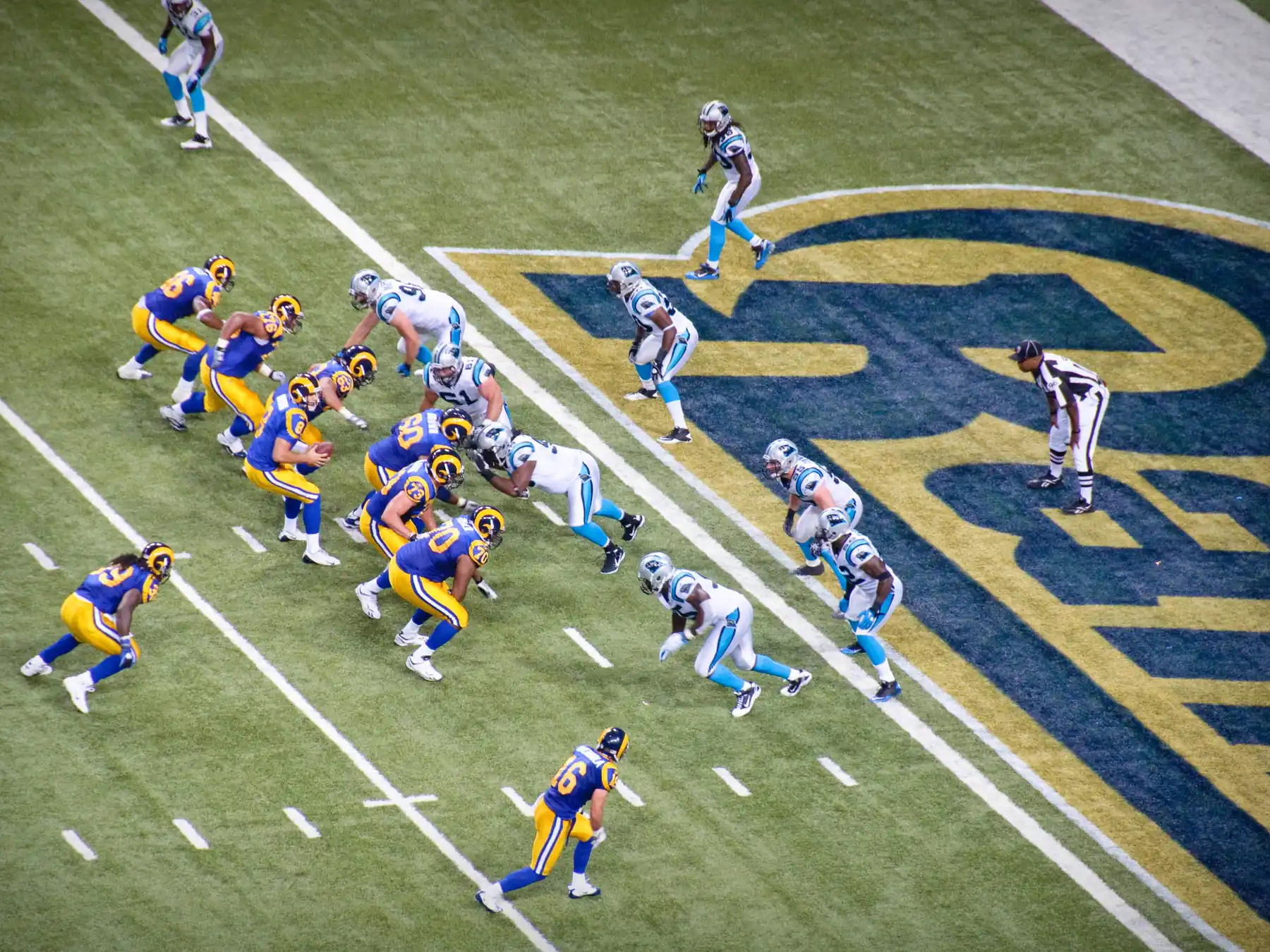
The NFL is built on rivalries
- The Packers-Bears rivalry dates to the early decades of professional football.
- The Cowboys-Commanders rivalry became especially intense during the television era.
- The Steelers-Ravens rivalry is known for physical defensive games.
- The Chiefs-Raiders rivalry dates back to the AFL.
- The Giants-Eagles rivalry is one of the NFC East’s oldest feuds.
- The 49ers-Cowboys rivalry produced several famous playoff games.
- The Patriots-Colts rivalry became especially prominent during the Tom Brady-Peyton Manning era.
- Division rivals play each other twice during the regular season.
- That scheduling structure keeps regional rivalries active every year.
- Long rivalries can persist even when both teams struggle.
- Playoff meetings intensify rivalries because elimination is at stake.
- Fan traditions often become as important as individual games.
- Cold-weather rivalries create memorable late-season atmospheres.
- Realignment can weaken some rivalries while creating new ones.
- The NFL’s divisional structure is designed partly to preserve recurring matchups.
Stadiums became entertainment complexes
- NFL stadiums range from historic outdoor venues to massive enclosed complexes.
- Lambeau Field opened in 1957.
- It remains one of the league’s most famous stadiums.
- Soldier Field in Chicago has a longer site history, although it has been extensively renovated.
- Domed stadiums remove weather as a major game factor.
- Retractable roofs allow venues to switch between indoor and outdoor conditions.
- Artificial turf is common in some NFL stadiums.
- Other venues use natural grass.
- Field-surface debates frequently focus on injury risk, maintenance, and performance.
- Modern stadiums often include clubs, suites, giant video boards, and mixed-use entertainment districts.
- Some teams share stadiums with other professional sports teams.
- The New York Giants and New York Jets share MetLife Stadium.
- Los Angeles’s Rams and Chargers share SoFi Stadium.
- Stadium financing can involve public money, private money, or both.
- NFL venues increasingly function as year-round concert and event destinations.
Ten surprising NFL facts
- The NFL was originally called the American Professional Football Association.
- The Green Bay Packers are the league’s unique community-owned franchise.
- The first overall pick in the first NFL Draft never played in the league.
- Tom Brady lasted until pick 199 in the 2000 draft.
- The Super Bowl grew out of the NFL-AFL rivalry.
- The Steelers, Browns, and Colts switched into the AFC after the merger to balance the conferences.
- A safety scores two points without the offense crossing the goal line.
- The two-minute warning is a built-in clock stoppage unique to the late part of each half.
- Division rivals meet twice every regular season.
- For more football trivia, explore our American football facts, Super Bowl facts, and NBA facts.
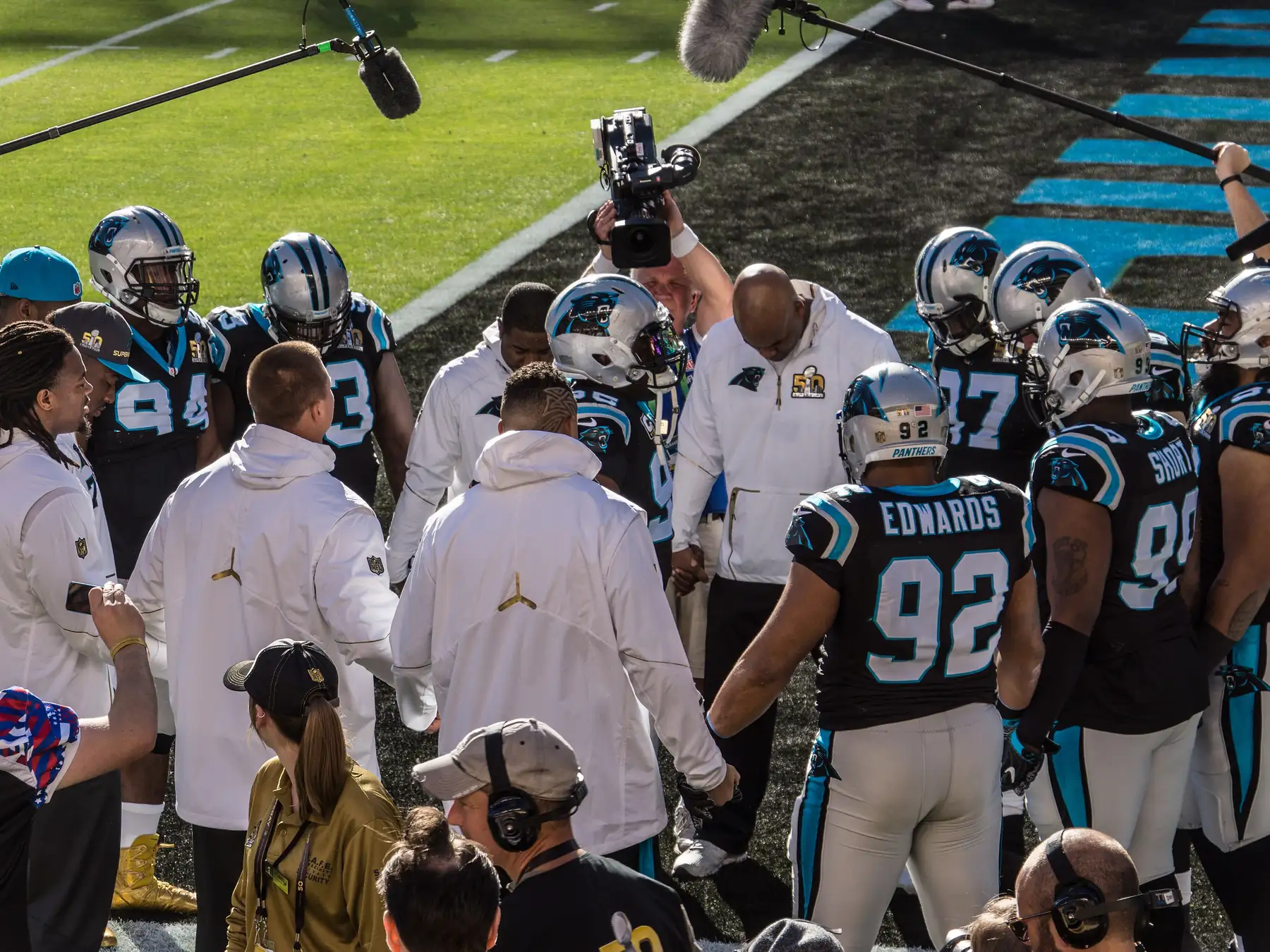
Quick NFL FAQ
How many teams are in the NFL?
Thirty-two teams, split evenly between the AFC and NFC.
When was the NFL founded?
The league began in 1920 as the American Professional Football Association and became the NFL in 1922.
How long is an NFL game?
Regulation includes four 15-minute quarters for 60 minutes of game time, although real-time broadcasts take much longer.
How many rounds are in the NFL Draft?
Seven rounds.
What trophy does the Super Bowl winner receive?
The Vince Lombardi Trophy.

Ellie is the owner and sole author of Fun Facts, combining her mechanical engineering background with years of research-driven writing to deliver facts you can trust. Every article is thoroughly fact-checked and routinely updated as new science and sources emerge to keep information accurate and current. Her mission is to make learning delightful while upholding high standards of reliability and transparency.