
The Super Bowl began as an awkwardly named championship between rival football leagues and grew into one of the biggest annual television events in the United States. The first game did not sell out, the trophy was not originally named for Vince Lombardi, Roman numerals arrived later, and halftime once centered on marching bands rather than global pop stars. These 145 Super Bowl facts explore the AFL-NFL merger, Packers, Lombardi Trophy, Roman numerals, stadiums, commercials, halftime shows, rings, records, broadcasting, overtime, famous plays, and the traditions that turned one football game into a cultural event.
Super Bowl basics
- The Super Bowl determines the National Football League champion.
- It matches the champions of the AFC and NFC.
- The game is played after the NFL regular season and playoffs.
- The first Super Bowl was played in January 1967.
- It was not officially called Super Bowl I at the time.
- The early official name was the AFL-NFL World Championship Game.
- The Green Bay Packers won the first two games.
- Vince Lombardi coached those Packers teams.
- The championship trophy is now named the Vince Lombardi Trophy.
- Super Bowls are normally identified with Roman numerals.
- The host site is selected years in advance.
- The game is usually played at a neutral stadium.
- One conference is designated the home team even at the neutral site.
- The NFL provides extensive official Super Bowl history and information.
- The Super Bowl has become much larger than the game itself through television, advertising, music, food, parties, and national ritual.
The AFL and NFL were rivals
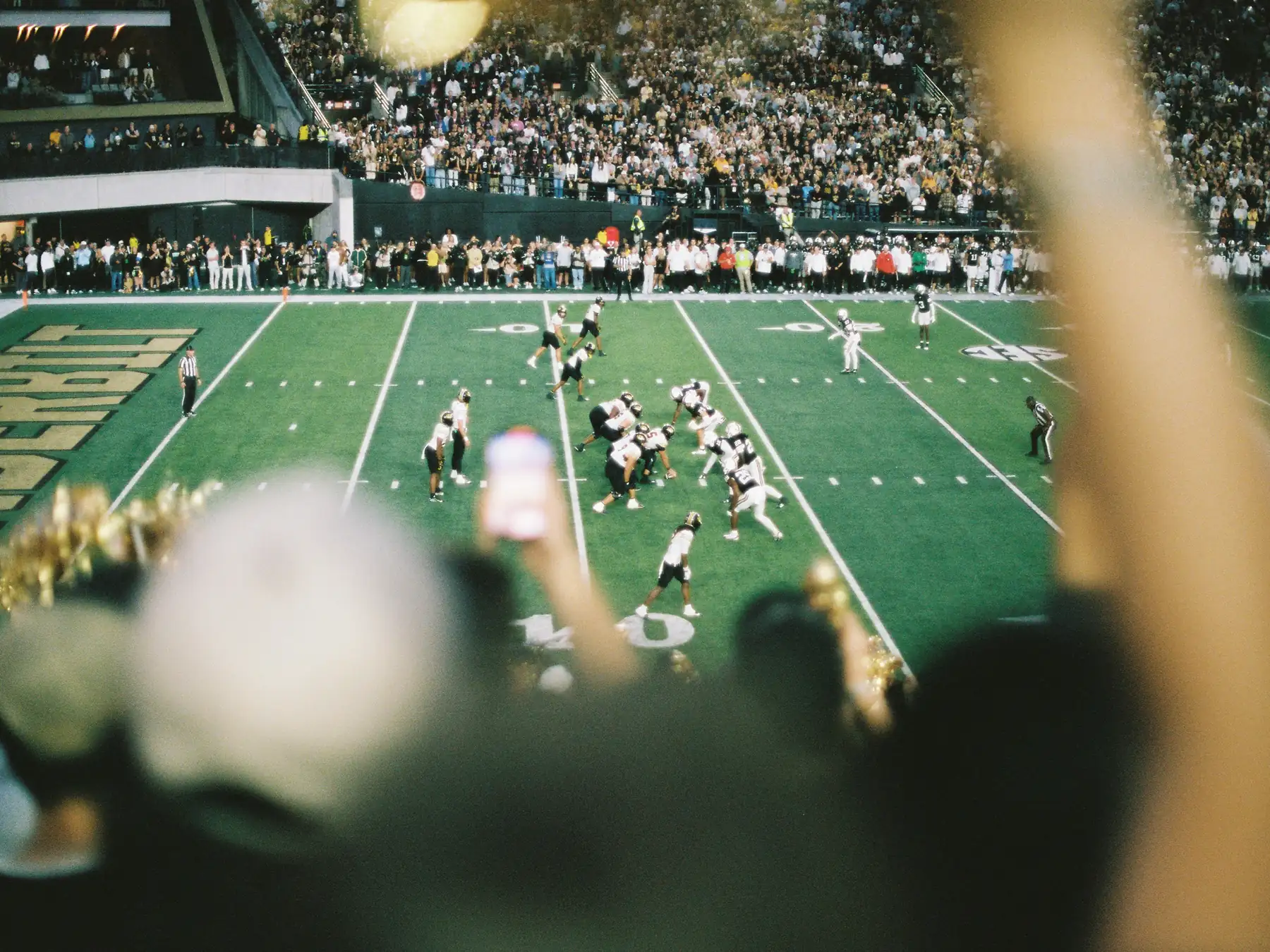
- The National Football League existed decades before the Super Bowl.
- The American Football League began play in 1960.
- The AFL competed directly with the older NFL.
- The leagues fought for players.
- They also competed for television audiences and markets.
- Rising player salaries made the rivalry expensive.
- The leagues announced a merger agreement in 1966.
- As part of the transition, their champions would meet in a final game.
- The first championship meeting took place after the 1966 season.
- The leagues remained operationally separate for several years.
- Full merger took effect in 1970.
- The combined league reorganized into the AFC and NFC.
- Former AFL teams formed much of the new AFC.
- Three established NFL clubs also moved into the AFC to balance conferences.
- The Super Bowl survived the merger and became the championship game of one unified NFL.
The first Super Bowl did not sell out
- The first AFL-NFL World Championship Game was played on January 15, 1967.
- It took place at the Los Angeles Memorial Coliseum.
- The Green Bay Packers represented the NFL.
- The Kansas City Chiefs represented the AFL.
- Green Bay won 35-10.
- Packers quarterback Bart Starr was named the game’s most valuable player.
- The game did not sell out the Coliseum.
- Thousands of seats were empty.
- Ticket prices that now sound tiny were considered expensive by some fans.
- Both CBS and NBC televised the game.
- That unusual arrangement reflected the leagues’ separate network contracts.
- Most complete broadcast footage was long thought lost.
- Archival reconstruction later combined surviving material from different sources.
- The first game lacked much of the polished mythology surrounding modern Super Bowls.
- The biggest annual event in American sports began as a merger compromise whose organizers did not yet know what it would become.
Where the name Super Bowl came from
- AFL founder Lamar Hunt is closely associated with the name Super Bowl.
- Hunt owned the Kansas City Chiefs.
- He reportedly got part of the idea from the Super Ball toy his children played with.
- The word bowl was already common in American football game names.
- Rose Bowl, Sugar Bowl, Cotton Bowl, and Orange Bowl were established examples.
- Super Bowl began as a convenient informal label.
- League officials initially preferred more formal championship terminology.
- The nickname proved impossible to dislodge.
- Super Bowl became the official name by the third game.
- The first two were later retroactively called Super Bowl I and Super Bowl II.
- The word “Super” helped convey that this was more than another bowl game.
- Hunt later joked that a better name could eventually be found.
- It never was.
- Super Bowl became a protected NFL trademark.
- A casual working nickname became one of the world’s most valuable sporting event brands.
The Lombardi Trophy
- The Super Bowl winner receives the Vince Lombardi Trophy.
- Tiffany & Co. has traditionally made the trophy.
- Its design shows a regulation-size football in a kicking position.
- The football sits on a three-sided stand.
- The trophy is made from sterling silver.
- It stands a little over 20 inches tall.
- It weighs roughly seven pounds.
- The trophy originally had the generic name World Professional Football Championship Trophy.
- It was renamed after Vince Lombardi died in 1970.
- Lombardi coached the Packers to victory in the first two Super Bowls.
- A new trophy is made for each champion.
- The winning franchise keeps its trophy permanently.
- This differs from trophies that physically pass from champion to champion.
- The trophy is presented on the field after the game.
- The silver football is now so familiar that its silhouette alone immediately signals Super Bowl victory.
Why the game uses Roman numerals
- Super Bowls are usually numbered with Roman numerals.
- The convention began with Super Bowl V.
- Earlier games were retroactively assigned numerals.
- Roman numerals help avoid confusion about the season year.
- An NFL season begins in one calendar year and ends with a Super Bowl in the next.
- Numbering the championship avoids choosing between those two years.
- Super Bowl 50 was a major exception.
- The NFL used the Arabic numeral 50 instead of the Roman L.
- Roman numerals returned with Super Bowl LI.
- I means one.
- V means five.
- X means ten.
- L means fifty.
- C means one hundred, which future Super Bowls will eventually reach.
- The numbering system gives the game a ceremonial look while solving a surprisingly practical calendar problem.
Halftime used to look very different
- Early Super Bowl halftime shows featured marching bands and large ensemble performances.
- College bands were especially common.
- Shows often used broad patriotic or themed pageantry.
- Celebrity music stars gradually became more important.
- Michael Jackson’s 1993 halftime performance became a major turning point.
- It demonstrated that the halftime show itself could drive enormous television interest.
- Later performers included many of the world’s biggest music acts.
- Halftime stages must be assembled rapidly on the field.
- Large crews roll sections into position.
- Performers usually use a mixture of live and pre-recorded musical elements for technical reliability.
- Vocal practices vary by production.
- The field must be cleared quickly afterward.
- The halftime break is longer than an ordinary NFL halftime.
- Players and coaches must adjust routines around the extended interval.
- A marching-band intermission evolved into a global concert engineered to appear and disappear within minutes.

Super Bowl commercials became entertainment
- Super Bowl television audiences made advertising time unusually valuable.
- Brands often create commercials specifically for the game.
- Some ads debut during the broadcast.
- Others are released online early to generate publicity.
- Commercials frequently use celebrities.
- Humor and surprise are common strategies.
- Apple’s “1984” Macintosh commercial became one of the most discussed Super Bowl ads.
- It aired nationally during Super Bowl XVIII.
- Budweiser’s Clydesdales became recurring Super Bowl advertising icons.
- Movie studios use the game to promote major releases.
- Advertisers sometimes spend millions of dollars for a 30-second national spot.
- Production costs can add millions more.
- Viewers sometimes rank commercials separately from the football game.
- Social media extended the life of ads far beyond the broadcast.
- The Super Bowl turned commercial breaks into a second entertainment competition running alongside the championship.
Super Bowl rings and championship traditions
- Players and many team personnel receive championship rings after winning the Super Bowl.
- The NFL contributes toward a standard number of rings.
- Teams can purchase additional rings for more staff.
- Ring designs are customized for each champion.
- They often include diamonds and team symbols.
- Designs may reference the final score, season record, or important plays.
- Rings have grown larger and more elaborate over the decades.
- The winning team also receives the Lombardi Trophy.
- The game’s MVP receives a separate award.
- Quarterbacks have won the MVP award more often than any other position.
- A player from the losing team has won Super Bowl MVP only once.
- That was Dallas Cowboys linebacker Chuck Howley in Super Bowl V.
- Teams hold championship parades after many victories.
- Players often visit the White House in a modern tradition that is not mandatory.
- The ring makes a team title personal, while the Lombardi Trophy represents the franchise as a whole.
Ten surprising Super Bowl facts
- The first Super Bowl was not officially called the Super Bowl when it was played.
- It did not sell out.
- Both CBS and NBC broadcast the first game.
- Lamar Hunt’s children’s Super Ball toy helped inspire the Super Bowl name.
- The Lombardi Trophy was renamed after Vince Lombardi died.
- A new Lombardi Trophy is made for each champion rather than passing one trophy around.
- Roman numerals were introduced only after the first several games.
- Super Bowl 50 intentionally dropped the Roman numeral L for one year.
- The only Super Bowl MVP from a losing team is Chuck Howley.
- For more football trivia, explore our American football facts and sports facts.
Quick Super Bowl FAQ
When was the first Super Bowl?
January 15, 1967, when the Green Bay Packers defeated the Kansas City Chiefs at the Los Angeles Memorial Coliseum.
Why is it called the Super Bowl?
Kansas City Chiefs owner Lamar Hunt helped popularize the name, reportedly drawing inspiration partly from the Super Ball toy and the existing tradition of football “bowl” games.
What is the Super Bowl trophy called?
The Vince Lombardi Trophy, named for the coach who led Green Bay to victories in the first two Super Bowls.
Why does the Super Bowl use Roman numerals?
They distinguish each championship clearly even though an NFL season starts in one calendar year and ends in the next.
Has a losing player ever won Super Bowl MVP?
Yes, once. Dallas Cowboys linebacker Chuck Howley won the award after Super Bowl V even though his team lost to Baltimore.

Ellie is the owner and sole author of Fun Facts, combining her mechanical engineering background with years of research-driven writing to deliver facts you can trust. Every article is thoroughly fact-checked and routinely updated as new science and sources emerge to keep information accurate and current. Her mission is to make learning delightful while upholding high standards of reliability and transparency.