
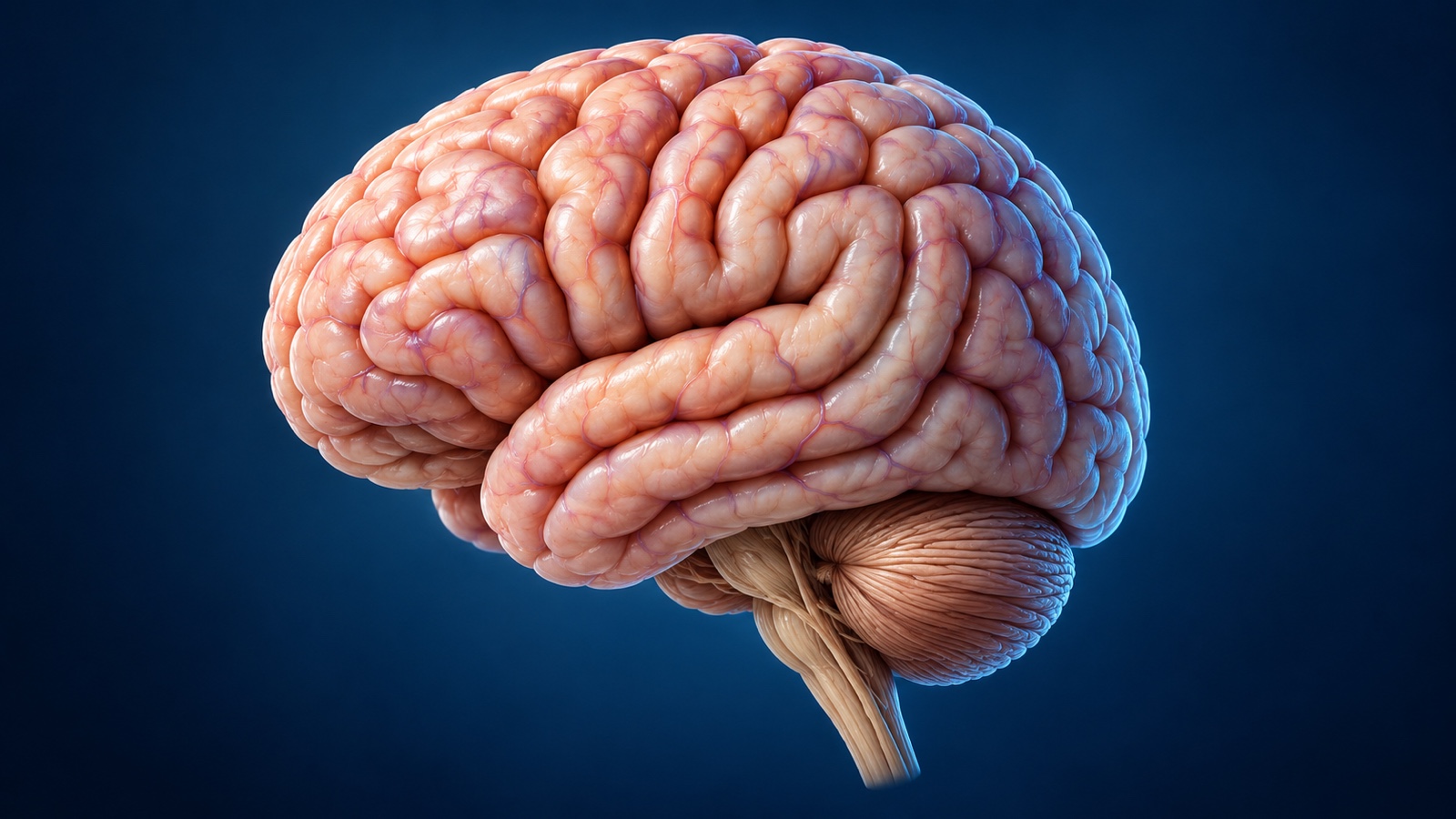
The brain is the only organ I know that can read facts about itself and then decide whether those facts are interesting. It builds memories, edits sensory input, controls movement, predicts what happens next, dreams while we sleep, and quietly burns a huge share of the body's energy while weighing only a few pounds.
Your brain is a compact, energy-hungry control center
- The adult human brain weighs roughly 3 pounds.
- Brain size varies naturally among healthy people.
- A larger brain does not automatically mean greater intelligence.
- The brain is part of the central nervous system.
- The spinal cord is the other major part of the central nervous system.
- The brain contains roughly 86 billion neurons on average.
- It also contains enormous numbers of non-neuronal cells called glia.
- Glial cells support, nourish, protect, and regulate neurons in many ways.
- The brain is only a small fraction of total body weight.
- At rest, it uses roughly 20 percent of the body's oxygen and energy consumption.
- Glucose is an important brain fuel under ordinary conditions.
- The brain can also use ketone bodies during prolonged fasting or certain metabolic states.
- Brain tissue itself has no ordinary pain receptors.
- Pain from headaches comes from pain-sensitive structures around and within the head, not neurons in the brain tissue itself.
- The skull provides hard physical protection.
- Three membranes called meninges surround the brain and spinal cord.
- Cerebrospinal fluid cushions and supports the central nervous system.
- The blood-brain barrier controls movement of many substances from blood into brain tissue.
- That barrier is selective rather than completely sealed.
- Three pounds of tissue using about one-fifth of your resting energy budget feels less like an organ and more like a very expensive in-house computer department.
Neurons communicate with electricity and chemistry
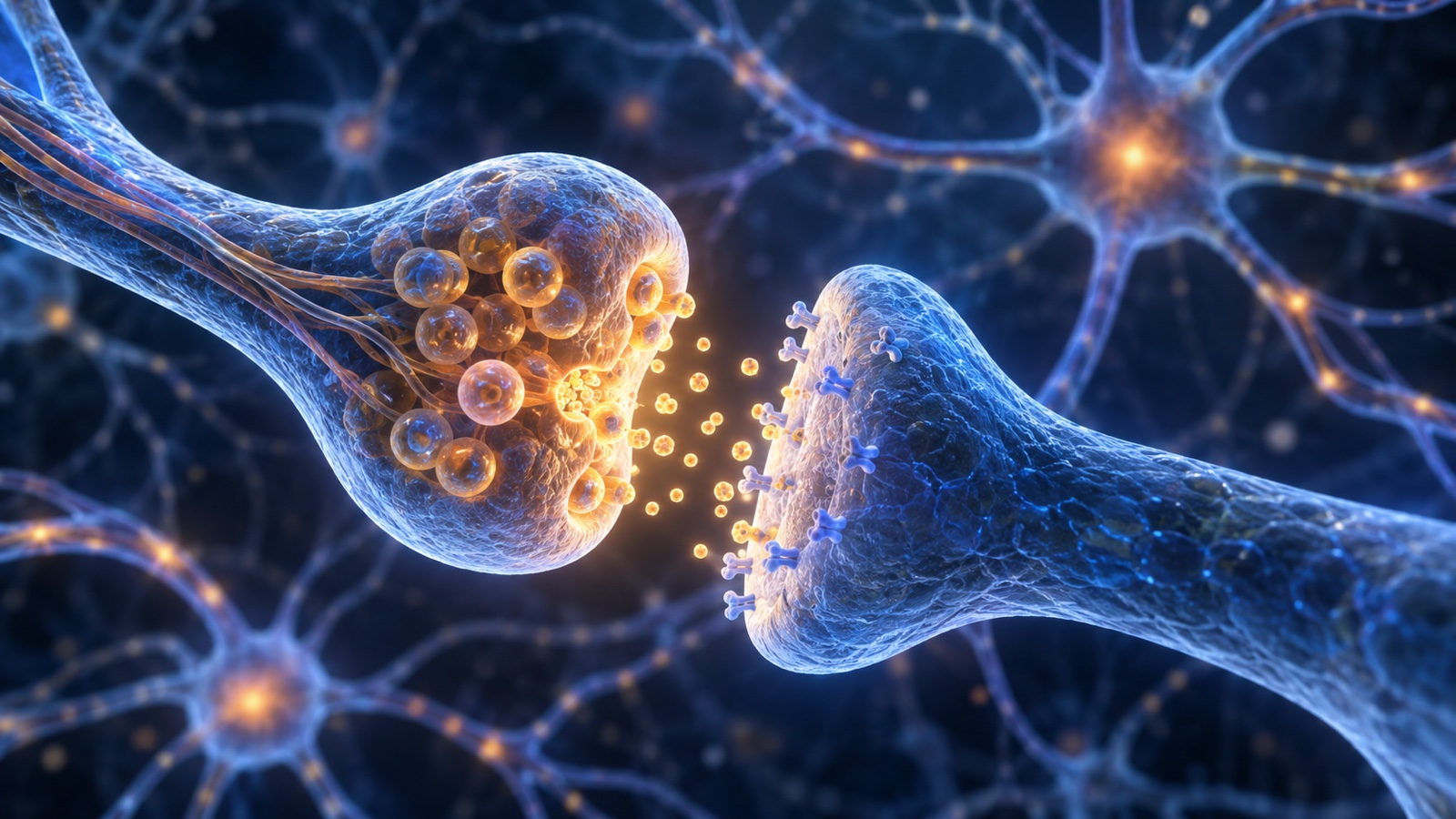
- Neurons are specialized cells that process and transmit information.
- Many neurons receive signals through branching structures called dendrites.
- The cell body contains the nucleus and much of a neuron's cellular machinery.
- Axons carry electrical signals away from the cell body.
- Some axons are only fractions of an inch long.
- Others extend from the spinal cord nearly to the feet.
- An action potential is a rapid electrical change traveling along an axon.
- Action potentials follow an all-or-none pattern once threshold is reached.
- Neurons communicate with one another at junctions called synapses.
- Many synapses use chemical messengers called neurotransmitters.
- Neurotransmitters cross a tiny gap called the synaptic cleft.
- Receptors on the receiving cell respond to particular chemical signals.
- Some neurotransmitters increase the likelihood that another neuron will fire.
- Others reduce that likelihood.
- Dopamine has several roles involving movement, motivation, learning, and reward.
- Serotonin participates in many functions including mood, sleep, appetite, and digestion.
- Acetylcholine is important in attention, memory, and muscle activation.
- Glutamate is the brain's major excitatory neurotransmitter.
- GABA is the major inhibitory neurotransmitter in the adult brain.
- Thinking is not one electrical spark. It is billions of cells continuously changing one another's odds of firing.
Different brain regions specialize without working alone
- The cerebrum is the largest part of the human brain.
- Its outer layer is called the cerebral cortex.
- The cortex is folded into ridges called gyri and grooves called sulci.
- Folding increases cortical surface area within the skull.
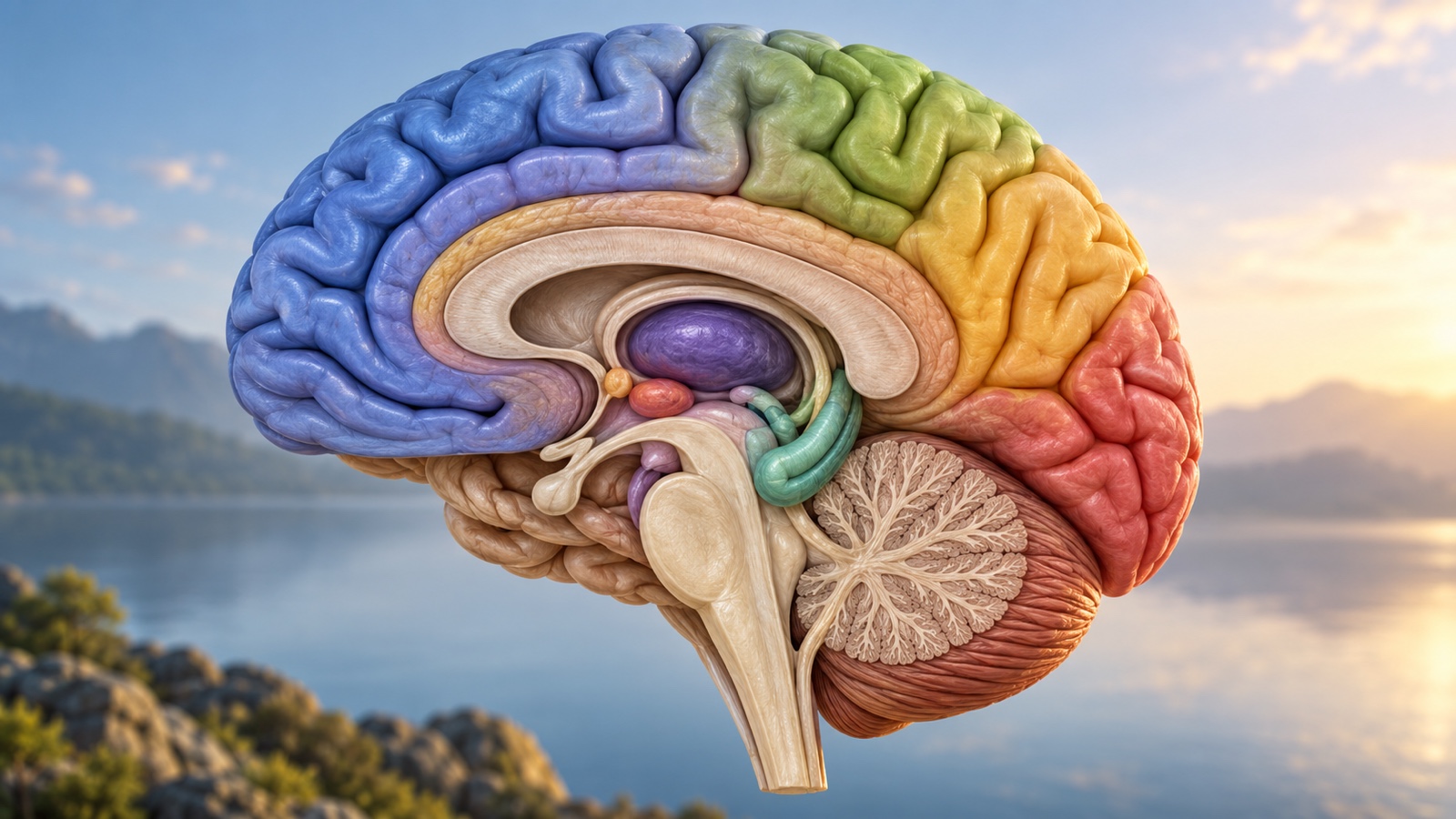
- The frontal lobes contribute to planning, decision making, movement, and social behavior.
- The parietal lobes process touch and help integrate spatial information.
- The temporal lobes are important for hearing, memory, and aspects of language.
- The occipital lobes are heavily involved in visual processing.
- The cerebellum sits beneath the back of the cerebrum.
- The cerebellum coordinates movement, balance, timing, and motor learning.
- It contains more neurons than the cerebral cortex despite being much smaller.
- The brainstem connects the brain with the spinal cord.
- Brainstem circuits help regulate breathing, heart function, alertness, and other essential processes.
- The thalamus relays and organizes much sensory and motor information.
- The hypothalamus helps regulate temperature, hunger, thirst, hormones, and daily rhythms.
- The hippocampus is critical for forming many kinds of new memories.
- The amygdala participates in emotional learning and threat processing.
- No single brain region contains an entire emotion or personality trait.
- Complex behavior emerges from interacting networks spread across multiple regions.
- Brain diagrams love neat colored sections, while the actual organ behaves more like a city where every neighborhood keeps calling the others.
Your two hemispheres cooperate constantly
The “left-brained versus right-brained person” idea is one of those myths that refuses to leave the party. Some functions show hemisphere specialization, but ordinary thinking depends on constant communication between both sides rather than one half controlling your personality.
- The cerebrum is divided into left and right hemispheres.
- A massive fiber bundle called the corpus callosum connects them.
- Each hemisphere controls much movement on the opposite side of the body.
- Much sensory information also crosses to the opposite hemisphere.
- Language is more strongly left-lateralized in most people.
- That does not mean the right hemisphere is nonverbal or unimportant to language.
- The right hemisphere contributes to tone, context, spatial processing, and other functions.
- Both hemispheres participate in creativity.
- Both hemispheres participate in mathematics.
- Both hemispheres participate in reasoning.
- People are not scientifically divided into “left-brained” and “right-brained” personality types.
- Brain lateralization varies among individuals.
- Left-handedness does not simply reverse every brain function.
- Some left-handed people still have strongly left-lateralized language.
- Split-brain research revealed how hemispheres can process information differently.
- Those studies involved people whose corpus callosum had been surgically severed for severe epilepsy.
- Split-brain findings should not be casually generalized to ordinary intact brains.
- The hemispheres exchange information extremely rapidly.
- Most everyday tasks recruit networks on both sides.
- Your brain is less a rivalry between two personalities and more a two-building office complex with an enormous fiber-optic bridge.
Memory is rebuilt, not replayed like a video
- Human memory includes several distinct systems.
- Working memory temporarily holds information needed for an immediate task.
- Episodic memory stores personal experiences.
- Semantic memory stores facts and general knowledge.
- Procedural memory supports learned skills such as riding a bicycle.
- The hippocampus is especially important for forming new episodic memories.
- Long-term memories are distributed across brain networks rather than stored in one tiny filing cabinet.
- Remembering an event involves reconstructing information.
- That reconstruction can introduce errors.
- Confidence in a memory does not guarantee accuracy.
- Suggestion can alter later memory reports.
- Emotion can strengthen memory for some details while weakening others.
- Repeated retrieval can change a memory.
- Memories can become temporarily modifiable when reactivated.
- This process is called reconsolidation.
- Sleep supports memory consolidation.
- Different sleep stages contribute to different forms of learning and memory.
- Practice spaced across time usually produces stronger learning than one long cram session.
- Forgetting is normal and can help reduce interference from irrelevant information.
- The fact that memory is editable explains both how learning improves and why your confident story from 2009 may not deserve courtroom-level trust.
Sleep is active brain maintenance, not an off switch
Your brain does not clock out when you fall asleep. Electrical activity changes, memories are reorganized, hormones shift, sensory input is filtered differently, and brain-wide housekeeping systems become more active while consciousness takes the night off.
- Sleep cycles through multiple stages.
- Non-REM sleep includes progressively deeper stages.
- REM sleep is associated with vivid dreaming and rapid eye movements.
- Dreaming can also occur outside REM sleep.
- The brain remains electrically active during sleep.
- Sleep helps regulate attention and emotional control.
- Chronic sleep loss impairs reaction time.
- It also impairs learning and memory.
- Sleep deprivation can change appetite-regulating hormones.
- Severe prolonged sleep loss can produce perceptual disturbances.
- The brain clears metabolic waste through fluid-exchange systems that are especially active during sleep.
- This waste-clearance network is commonly called the glymphatic system.
- Sleep supports immune function throughout the body.
- Newborns sleep far more than most adults.
- Sleep patterns change throughout childhood and adolescence.
- Teenagers naturally tend toward later sleep timing than younger children.
- Older adults often experience lighter and more fragmented sleep.
- Caffeine blocks adenosine receptors rather than creating new energy.
- Adenosine builds during wakefulness and contributes to sleep pressure.
- Coffee can postpone the feeling of tiredness, but the brain still keeps the unpaid sleep invoice.
Plasticity, senses and 25 final brain facts
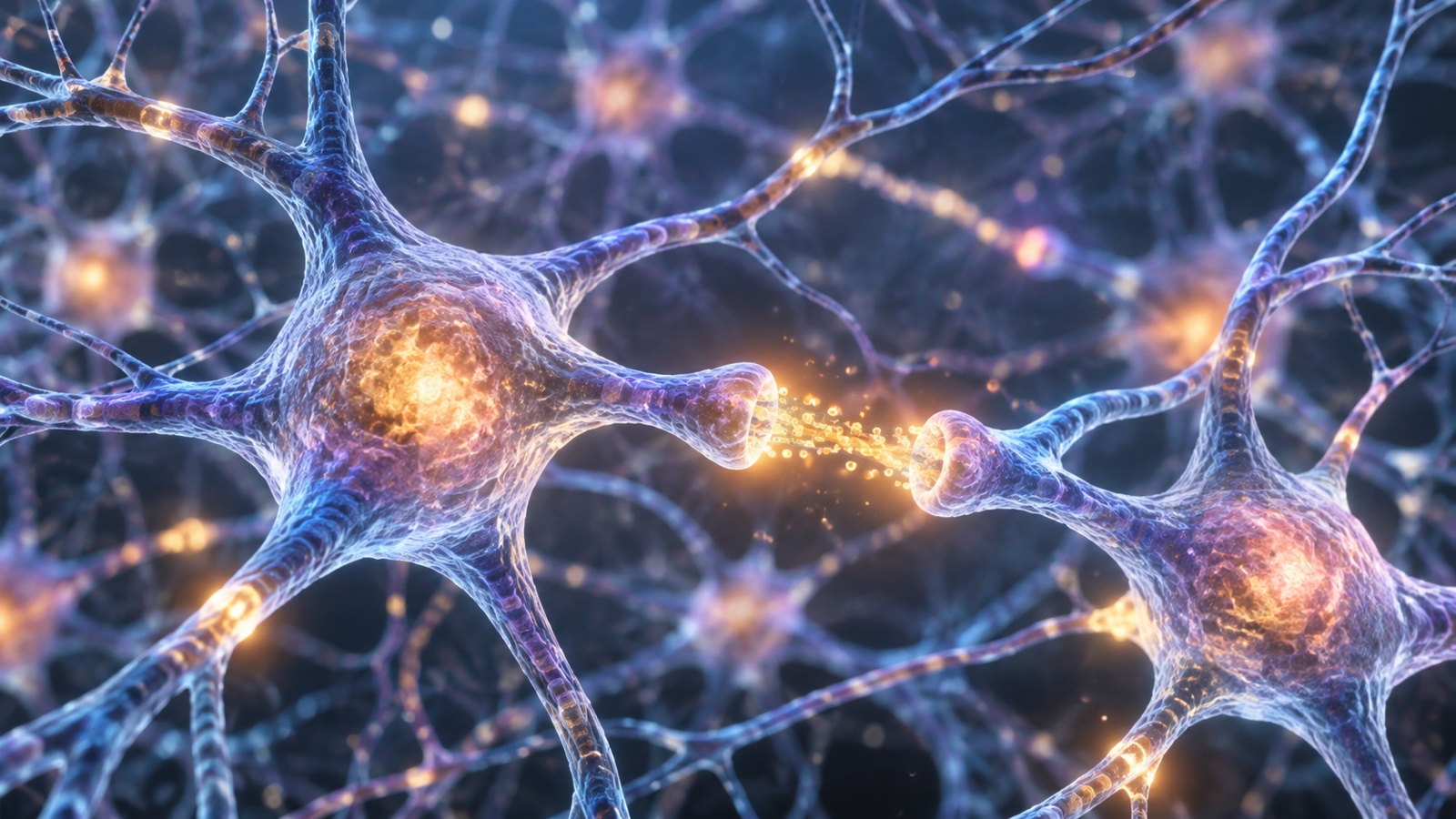
- Neuroplasticity is the brain's ability to change with experience.
- Synapses can strengthen or weaken through learning.
- New connections can form.
- Unused connections can be reduced through pruning.
- Childhood is a period of especially rapid brain development.
- The brain remains plastic throughout adulthood.
- Adult plasticity is real even though it differs from early development.
- Practice can reorganize brain networks involved in a skill.
- Recovery after brain injury can involve neighboring or connected networks taking on altered roles.
- Plasticity has limits and does not guarantee full recovery after serious injury.
- Vision is constructed by the brain from signals arriving from the eyes.
- Your visual system fills in the natural blind spot where the optic nerve exits each eye.
- Color is a percept created from patterns of light and neural processing.
- Sound perception begins with vibration but becomes an experience through brain processing.
- Smell has unusually direct connections with brain regions involved in memory and emotion.
- Taste and smell combine strongly to create flavor.
- The brain constantly integrates information from inside the body as well as the outside world.
- This internal sensing is called interoception.
- The brain predicts incoming information and updates those predictions when reality disagrees.
- Optical illusions reveal useful shortcuts in normal perception rather than a broken visual system.
- The myth that humans use only 10 percent of the brain is false.
- Brain imaging shows widespread activity even during simple tasks and rest.
- The brain's “default mode network” is active during internally focused thought and rest.
- Conscious awareness represents only part of the processing occurring in the nervous system.
- After 145 facts, the strangest brain fact remains the obvious one: this organ is simultaneously the thing doing the investigating and the thing being investigated.
Quick FAQ
Q: Do humans use only 10 percent of the brain?
A: No. Different regions become more or less active depending on the task, but healthy humans use networks distributed throughout the brain.
Q: Does brain size determine intelligence?
A: Not by itself. Organization, connectivity, development, experience, and many biological factors matter more than a simple size measurement.
Q: Are people really left-brained or right-brained?
A: No. Some functions are lateralized, but ordinary thinking depends on both hemispheres working together.
Q: Can the adult brain change?
A: Yes. Adult brains remain plastic, with synapses and networks changing through learning, experience, and recovery.
Q: Why is sleep important for the brain?
A: Sleep supports memory, attention, emotional regulation, metabolic waste clearance, and many other brain and body functions.

Ellie is the owner and sole author of Fun Facts, combining her mechanical engineering background with years of research-driven writing to deliver facts you can trust. Every article is thoroughly fact-checked and routinely updated as new science and sources emerge to keep information accurate and current. Her mission is to make learning delightful while upholding high standards of reliability and transparency.