
Harriet Tubman turned courage into action and helped people find freedom.
This big list keeps the story simple and fun, with clear facts kids and adults can enjoy.
From her childhood in Maryland to bold missions and later-life activism, discover how one determined woman changed history step by step.
Origins & early life
- Harriet Tubman was born Araminta Ross around 1822 in Dorchester County, Maryland.
- As a child she was called “Minty,” a nickname from Araminta.
- Her mother was Harriet “Rit” Green Ross.
- Her father was Benjamin Ross, a skilled timber foreman.
- She had about eight siblings, though records vary.
- She grew up near marshes, forests, and farms on Maryland’s Eastern Shore.
- As a young child she was hired out to other households for labor.
- She endured harsh treatment and heavy work from an early age.
- As a teen she suffered a head injury when an overseer struck her with a heavy object.
- The injury caused severe headaches and sudden sleeping spells for the rest of her life.
- She drew strength from deep religious faith and prayer.
- She learned to read the natural world, including stars, tides, and animal trails.
- She often wore head coverings for warmth, modesty, and protection.
- She learned to forage, trap, and navigate wetlands to survive.
- She married John Tubman, a free Black man, around 1844.
- After marriage she took her mother’s first name and began using “Harriet.”
- She remained enslaved despite her husband’s free status.
- In 1849 she decided to escape after fearing she would be sold away from family.
- She left Maryland at night and traveled north mostly on foot.
- She reached Pennsylvania and found paid work to support herself.
- She soon planned to return for her family members.
- She believed freedom meant safety for loved ones, not just for herself.
- She stood about 150 cm tall (around 5 feet), small in height but strong in endurance.
- She used simple disguises to move safely through nearby towns.
- She often timed escapes for weekends to delay public runaway notices.

Escape missions & the Underground Railroad
- After securing her own freedom she returned to Maryland about 13 times to guide others.
- She helped about 70 people escape, including many relatives.
- She famously never lost a single passenger on her missions.
- She used the North Star as a guide on clear nights.
- She preferred traveling in winter when nights were longer.
- She carried a small pistol for protection and to prevent turn-backs.
- She warned that turning back could endanger the entire group.
- She combined careful planning with quick decisions when danger appeared.
- She led people through swamps, rivers, and back roads to avoid patrols.
- She sometimes disguised herself as an older woman with a head scarf.
- She changed routes often so patterns would not be spotted.
- She relied on a secret network of safe houses called stations.
- Helpers along the route were called conductors in Underground Railroad language.
- Travelers on her missions were called passengers in the same code.
- She funded trips by saving wages from domestic work in northern cities.
- She also sold baked goods to raise travel money.
- She rescued her brothers during a winter mission in 1854.
- She guided her parents to safety after a carefully staged plan.
- After 1850 she often led people to Canada because of stricter laws in the United States.
- The 1850 Fugitive Slave Act increased the risk of capture in free states.
- She used trains and boats when possible to move quickly between towns.
- She planned stops at stations that kept extra clothing for disguise.
- She chose start times that lowered the chance of being noticed.
- She used spirituals and whispered signals to share safe directions.
- She memorized landmarks such as bridges, mills, and meetinghouses.
- She favored small groups to keep travel quiet and quick.
- She sometimes split groups to elude trackers and reunited them later.
- She made sure everyone had sturdy shoes for long walks.
- She treated blisters and frostbite with home remedies along the way.
- She watched moon phases to time night movements.
- She coordinated with trusted helpers in border areas for dangerous crossings.
- She avoided carrying written notes that could reveal plans if captured.
- She sometimes used clever decoys to look like a local market-goer.
- She advised new arrivals to adopt new names for safety.
- Her calm leadership earned her the nickname “Moses.”
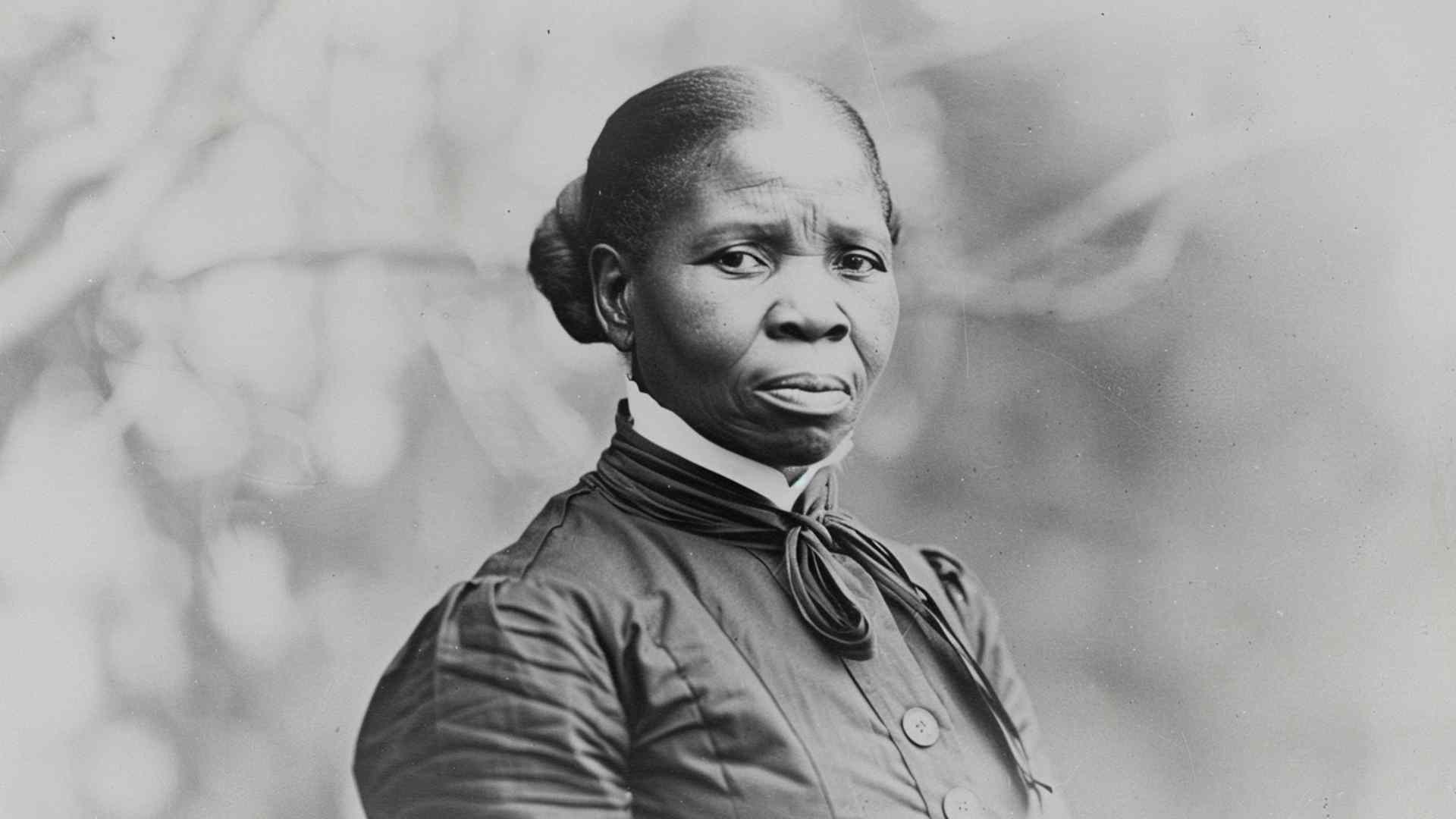
Civil War nurse, scout, and leader
- During the American Civil War she volunteered to assist Union forces.
- She served as a nurse, cook, scout, and spy.
- She used plant knowledge to make remedies for sick and wounded people.
- She worked in the Sea Islands region of South Carolina.
- She gathered local information from river pilots and laborers.
- She helped map rice fields, canals, and river channels for raids.
- On June 2, 1863 she helped lead the Combahee River Raid.
- The raid freed more than 700 enslaved people from nearby plantations.
- Union gunboats carried families to safety during the mission.
- She became the first woman to lead an armed expedition in the Civil War.
- She wore practical clothing and carried supplies while in the field.
- She helped recruit scouts who knew the tidal rivers well.
- She taught soldiers how to move quietly through marsh grass.
- She guided newly freed families to temporary settlements after raids.
- She received some pay and rations but struggled to secure full back pay.
- She later petitioned for formal recognition of her wartime service.
- She assisted officers in planning additional coastal operations in South Carolina.
- She faced heat, insects, and disease risks during long deployments.
- She comforted frightened children during evacuations to safe areas.
- She timed boat movements using river tides and darkness.
- She cooked meals for soldiers and refugees between missions.
- She passed on intelligence gathered from trusted local sources.
- Many men freed in the raid later enlisted in Union regiments.
- Her wartime work disrupted enemy supplies and transport.
- Her service strengthened her lifelong commitment to freedom.

Later life & activism
- After the war she returned to her home in Auburn, New York.
- She had purchased property there years earlier as a safe base.
- She opened her doors to relatives, veterans, and neighbors in need.
- She married Union Army veteran Nelson Davis in 1869.
- She adopted a daughter named Gertie in 1874.
- She supported the household with work, donations, and paid talks.
- She spoke publicly for equal rights throughout her later years.
- She advocated strongly for women’s right to vote.
- She traveled to several northeastern cities to speak about suffrage.
- She organized with fellow activists to plan community meetings.
- She shared stories of courage to raise funds for the elderly.
- She opened a home for aged and indigent people in 1908.
- She lived nearby so she could help residents every day.
- She underwent brain surgery in Boston in the late 1890s to ease pain.
- She often gave away money to people who needed it more.
- She grew vegetables to feed family and guests.
- Earlier in life she baked pies and brewed root beer to fund rescue trips.
- She kept strong ties with local churches for support and fellowship.
- She welcomed newly freed families who arrived in the North after the war.
- She taught practical skills like cooking and sewing to residents.
- She encouraged younger visitors to plan carefully and persevere.
- She enjoyed singing spirituals at community gatherings.
- She used a walking stick in later years due to lingering pain.
- She died on March 10, 1913 in Auburn, New York.
- She was buried with military honors in Auburn’s Fort Hill Cemetery.
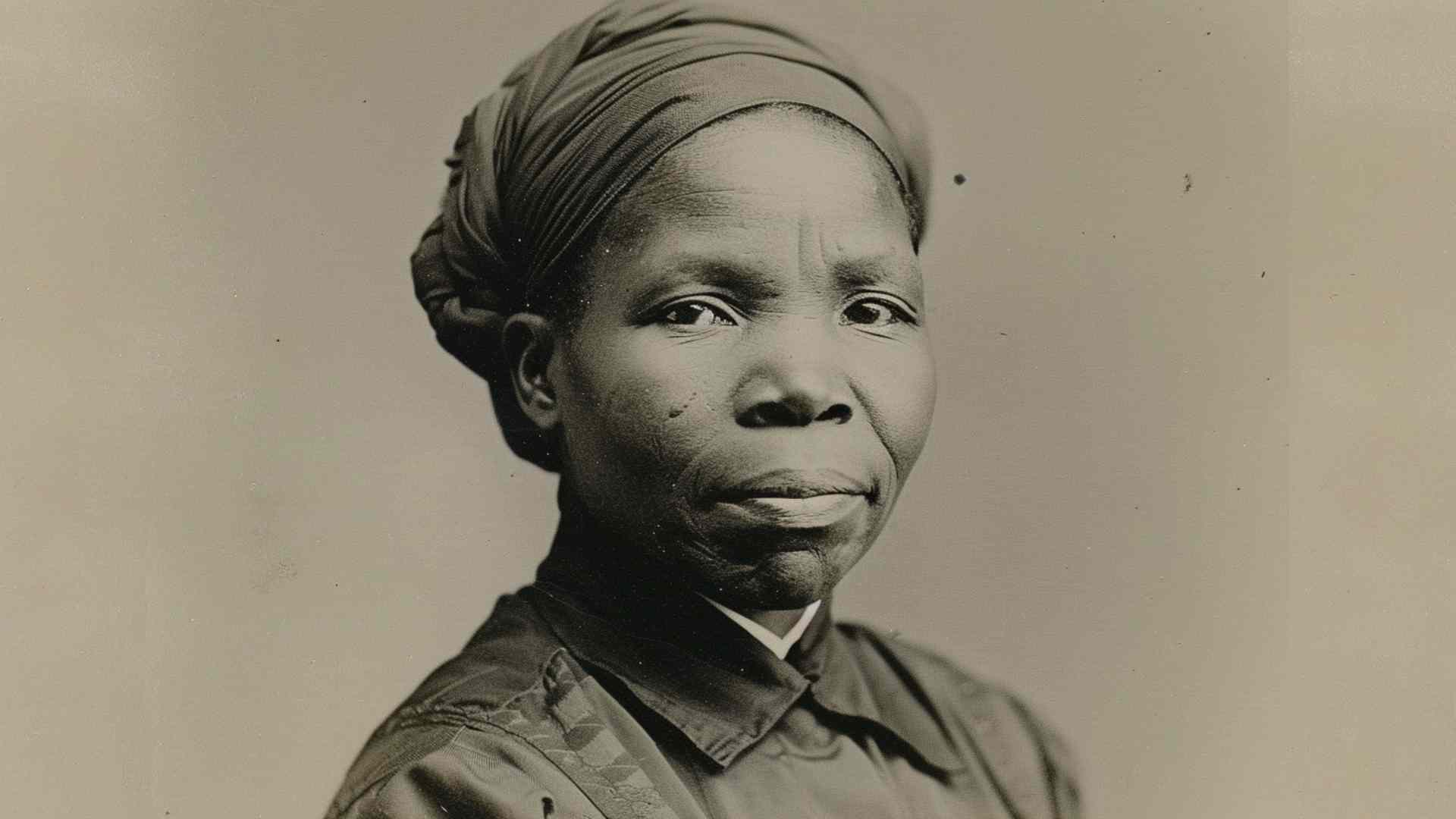
Legacy, honors, and places
- Many communities celebrate her birthday each year with events.
- March 10 is observed as Harriet Tubman Day in the United States.
- A World War II Liberty ship was named SS Harriet Tubman in 1944.
- A United States postage stamp honored her in 1978.
- Schools, streets, and neighborhoods across the nation bear her name.
- Statues and murals of her stand in cities across North America.
- Two national park sites preserve places connected to her life and work.
- A scenic byway lets visitors explore landscapes linked to her story.
- The state of her birth established a heritage area that honors her legacy.
- Historic houses tied to her family have been restored for tours.
- Her life story appears in classrooms around the world.
- Her nickname “Moses” is widely used in books and exhibits.
- A design was announced to feature her on a future United States twenty-dollar bill.
- As of 2025 that redesigned bill has not yet entered circulation.
- Community centers and scholarships use her name to inspire service.
- Halls of fame for women and African American history include her as an honoree.
- Annual walks and reenactments retrace routes linked to her missions.
- Children’s picture books introduce her story to early readers.
- Films and stage plays present her courage to new audiences.
- Her life remains a symbol of resilience, strategy, and compassion.
For kids: quick comparisons
- Her height of about 150 cm is roughly the length of a large dining table.
- Walking 25 km in one night equals about 33,000 steps for an adult.
- A single-file line of 10 travelers needs only a path about as wide as a doorway.
- On the shortest winter days in Maryland, darkness can last over 14 hours.
- The North Star appears almost fixed in the sky, making it a steady guide.
- South Carolina rice fields are crisscrossed by canals like a grid of streets.
- A rowboat against a gentle current moves about 3 km per hour.
- Shielding a lantern reduces its visible glow and helps hide movement at night.
- Whispering at about 30 decibels is as quiet as a library.
- A small group carrying only worn supplies can move faster than a wagon on muddy roads.
Pop culture & fun extras
- A major feature film released in 2019 dramatized her early missions.
- Many songs, poems, and plays celebrate her as a symbol of freedom.
- Artists often portray her pointing forward to signal courage and direction.
- Students around the world dress as her for school history days each year.
- Her life fits into timelines of both the Underground Railroad and the Civil War.
Quick FAQ
Q: When was Harriet Tubman born
A: Around 1822 in Dorchester County, Maryland.
Q: How many people did Harriet Tubman help to freedom
A: About 70 across roughly 13 rescue missions.
Q: What was the Combahee River Raid
A: A June 2, 1863 Union raid she helped lead that freed more than 700 people.
Q: Did Harriet Tubman support women’s voting rights
A: Yes, she spoke for women’s suffrage in her later years.
Q: Where is Harriet Tubman buried
A: She is buried in Fort Hill Cemetery in Auburn, New York.

Ellie is the owner and sole author of Fun Facts, combining her mechanical engineering background with years of research-driven writing to deliver facts you can trust. Every article is thoroughly fact-checked and routinely updated as new science and sources emerge to keep information accurate and current. Her mission is to make learning delightful while upholding high standards of reliability and transparency.