
Labor Day is the perfect moment to celebrate workers and the jobs that keep daily life running.
This friendly guide packs quick, family-safe facts about where the holiday came from, how people celebrate, and how workers’ rights grew over time.
Bring these along to your picnic and wow the crowd!
Origins & definitions
- Labor Day in the United States is a federal holiday observed on the first Monday in September.
- The holiday honors workers and the social and economic achievements of the labor movement.
- The U.S. Congress made Labor Day a national holiday in 1894.
- President Grover Cleveland signed the Labor Day bill into law on June 28, 1894.
- Oregon was the first U.S. state to officially recognize Labor Day in 1887.
- By 1894, more than half the U.S. states were already celebrating some form of Labor Day.
- The first Labor Day parade in the United States took place in New York City on September 5, 1882.
- The parade was organized by the Central Labor Union of New York.
- Early celebrations included a parade followed by a picnic and speeches.
- Labor Day was intended as a “workingmen’s holiday” to honor those who build and serve the nation.
- The exact originator of Labor Day is debated between Peter J. McGuire and Matthew Maguire.
- The early September date helped place a holiday in late summer when weather was favorable for parades.
- Labor Day grew alongside the push for an eight-hour workday in the late 19th century.
- The holiday gave unions a public stage to demonstrate solidarity.
- Many cities quickly adopted annual Labor Day events after the 1882 parade.
- Community picnics were common features of early Labor Day gatherings.
- The holiday’s focus includes both wage earners and salaried workers.
- Labor Day recognizes the dignity and value of all kinds of work.
- The day also highlights improvements in workplace safety and standards.
- Today, Labor Day weekend commonly marks the unofficial end of summer in the United States.
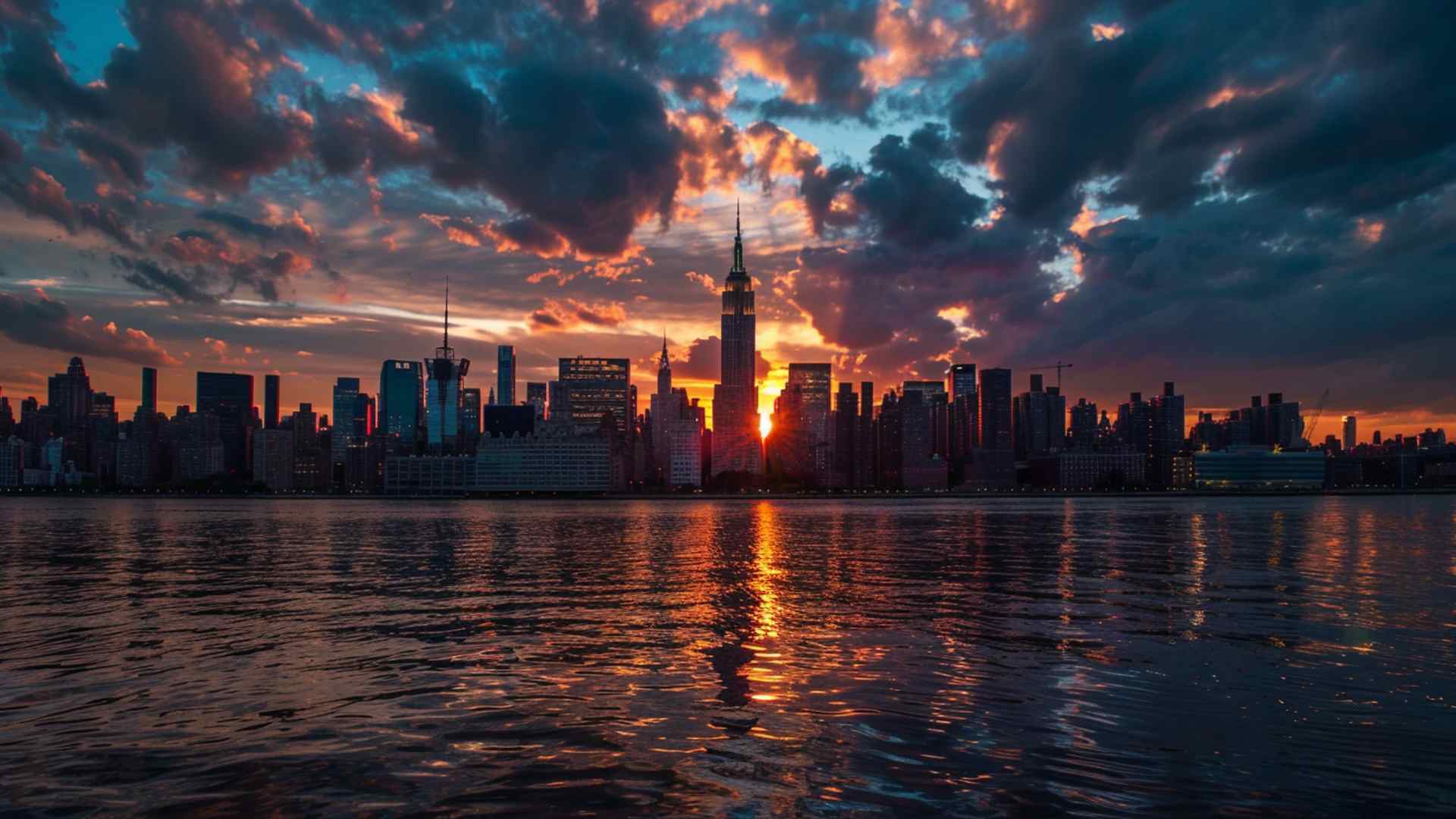
Early parades & events
- The 1882 New York parade drew thousands of union members marching behind their trade banners.
- Many marchers lost a day’s pay to participate in the first parade.
- Early parades showcased skilled trades such as printers, carpenters, and cigar makers.
- Brass bands and floats became regular features of Labor Day processions.
- Some cities scheduled athletic games and fireworks after the parade.
- Families often joined marches and picnics, turning the day into a community festival.
- Speeches at early events called for fair wages and shorter hours.
- Labor Day picnics sometimes doubled as fundraisers for strike relief.
- Labor temples and union halls served as starting points for many parades.
- Photographs from the 1890s show elaborate labor banners with hand-painted slogans.
- By the early 1900s, parades spread to towns far from major industrial centers.
- Civic leaders frequently reviewed the parades from stands along main streets.
- Local newspapers treated Labor Day as a major annual story each autumn.
- Some communities hosted job fairs alongside holiday festivities.
- In several cities, Labor Day became one of the largest parades of the year.

Laws, rights & the workday
- The Adamson Act of 1916 established an eight-hour workday for interstate railroad workers.
- The Fair Labor Standards Act of 1938 set a federal minimum wage in the United States.
- The same 1938 law standardized the 40-hour workweek with overtime pay rules.
- Child labor in hazardous jobs was restricted nationwide under the 1938 law.
- The National Labor Relations Act of 1935 protected the right of many private employees to organize.
- The National Labor Relations Board was created to enforce union-related rights.
- The Occupational Safety and Health Act of 1970 aimed to reduce workplace hazards.
- Workers’ compensation laws spread across U.S. states during the early 20th century.
- The concept of “time-and-a-half” overtime pay became common in the 20th century.
- Many public employees follow different collective bargaining rules than private workers.
- Major strikes in the late 1800s built public pressure for labor reforms.
- The Pullman Strike of 1894 influenced Congress to recognize Labor Day nationally.
- The Haymarket events of 1886 in Chicago shaped the global May Day tradition for workers.
- Tenement factory tragedies spurred fire and building safety reforms in cities.
- The Triangle Shirtwaist Factory fire of 1911 led to stronger safety codes in New York.
- “Eight hours for work, eight hours for rest, eight hours for what we will” became a rallying slogan.
- The 19th-century labor movement included both craft unions and industrial unions.
- Union membership expanded rapidly during the New Deal era of the 1930s.
- Later decades saw shifts from manufacturing to service-sector employment in the U.S.
- Labor Day highlights continuing discussions about work-life balance.
- Many countries now guarantee paid annual leave by law, but the United States does not mandate it federally.
- Federal holidays in the United States do not automatically require private employers to provide paid time off.
- Public schools and government offices typically close on Labor Day.
- Essential services such as hospitals and public safety agencies continue operating on the holiday.
- Freight and transit schedules often run on holiday or weekend timetables.
- Labor Day observances often include recognition of teachers, nurses, and public workers.
- Public service announcements around Labor Day weekend often stress travel and water safety.
- Some employers offer floating holidays or comp time when operations cannot shut down.
- Seasonal workers in tourism often see Labor Day as the last big rush before autumn.
- Many labor organizations use the holiday to register voters and encourage civic participation.

Around the world
- Canada observes Labour Day on the first Monday in September.
- The Canadian federal government recognized Labour Day in 1894.
- A large workers’ demonstration in Toronto in 1872 helped build support for a holiday.
- International Workers’ Day is observed on May 1 in many countries.
- The modern May 1 date honors the eight-hour day movement of the 1880s.
- In Mexico, Día del Trabajo is celebrated on May 1.
- In Spain and much of Europe, May 1 is a public holiday for workers.
- Germany marks May 1 as a national holiday focused on labor and community events.
- France celebrates Fête du Travail on May 1, often with lily-of-the-valley gifts.
- Italy observes Festa dei Lavoratori on May 1 with concerts and rallies.
- Russia and several neighboring countries treat May 1 as a spring and labor holiday.
- In the United Kingdom, the Early May Bank Holiday falls on the first Monday in May.
- Ireland also holds a public holiday on the first Monday in May.
- South Africa observes Workers’ Day on May 1 as a national holiday.
- In India, many states commemorate May 1 as Labour Day.
- China celebrates International Workers’ Day on May 1 with a public holiday.
- Japan’s Constitution Memorial Day falls on May 3, but many unions still mark May 1 with activities.
- Australia observes Labour Day on different dates depending on the state or territory.
- New Zealand celebrates Labour Day on the fourth Monday in October.
- In Brazil, Dia do Trabalhador on May 1 includes concerts and public ceremonies.
- In the Philippines, Labor Day on May 1 features rallies and job fairs.
- In Pakistan, Labour Day on May 1 is a public holiday with processions and seminars.
- In Turkey, May 1 is recognized as Labor and Solidarity Day.
- In Greece, May 1 is a public holiday known as Protomagia, often linked with spring activities.
- In Israel, May 1 is observed by some groups, though it is not a national holiday.
- In Indonesia, May 1 is a public holiday for workers’ rights activities.
- In Malaysia, May 1 is Labour Day and a national holiday.
- In Singapore, May 1 is Labour Day and a public holiday.
- In Ghana, May 1 is Workers’ Day marked with national parades.
- Many countries tie workers’ holidays to local seasons, creating spring or autumn events.
Traditions & culture
- In the United States, Labor Day weekend typically runs Saturday through Monday.
- Many families host barbecues or picnics to enjoy the last summer weekend.
- Retailers often stage end-of-season sales around the holiday.
- Some communities hold 5K runs or charity walks on Labor Day morning.
- Public pools in many cities close for the season after Labor Day.
- Beach towns often see a final tourism surge before schools reopen.
- The old fashion rule “no white after Labor Day” dates to early 20th-century etiquette.
- Many school districts in the U.S. start classes in late August or early September.
- Labor Day parades today often include firefighters, teachers, and marching bands.
- Farmer’s markets around the holiday showcase late-summer produce.
- Some museums and parks offer discounted admission on the holiday.
- Recreational boaters often mark Labor Day as the last big lake weekend.
- Travel demand spikes enough that roads and airports can feel crowded.
- Sports schedules traditionally feature college and youth games near the holiday.
- Community service projects, like park cleanups, are common Labor Day activities.
- Many workers volunteer or donate to food banks during the weekend.
- Some towns crown “Labor Day Festival” royalty as part of local pageants.
- Music festivals and outdoor concerts are often timed for Labor Day weekend.
- Cities with strong union histories still host large Labor Day rallies.
- Local radio stations often run “end of summer” playlists during the weekend.
- Labor Day cookouts commonly feature grilled corn, burgers, and watermelon.
- Amateur chefs treat the holiday as a final summer grilling challenge.
- Many workplaces hold employee appreciation events before the long weekend.
- Parks and campgrounds often reach capacity reservations for the holiday.
- Some families treat Labor Day as a mini-reunion before autumn routines return.
For kids: quick comparisons
- Labor Day in the U.S. happens in September, but in many countries workers’ holidays are on May 1.
- The holiday thanks people who build roads, teach classes, cook meals, and keep cities safe.
- If your school starts after Labor Day, the weekend can feel like a “last splash” of summer.
- The holiday’s parades are like giant thank-you cards to workers.
- Labor Day honors both people who work with their hands and people who work with computers.
- Early parades had banners; today’s parades often have floats and drums.
- The day connects to the idea that eight hours of work each day is enough.
- Wearing white after Labor Day is fine today, but it used to be a fashion rule.
- Some countries put their workers’ day in spring, and some put it in fall.
- Labor Day is about fairness, safety, and time to rest with family.
Pop culture & fun extras
- Many calendars print the holiday simply as “Labor Day” without an apostrophe.
- The name is spelled “Labour Day” in countries that use British English.
- Firefighters often display long ladder trucks in holiday parades.
- Vintage Labor Day postcards show flags, tools, and laurel wreaths.
- Some towns host pie-eating contests as part of Labor Day fairs.
- Community marching bands rehearse special routines for the holiday route.
- Neighborhood block parties often coincide with the long weekend.
- The holiday provides a three-day weekend for many students and workers.
- Theme parks often end extended summer hours after Labor Day.
- Campground quiet hours are often enforced more strictly during the busy weekend.
- Some cities feature vintage car cruises as part of Labor Day festivities.
- Weather during early September can vary widely, so events often have rain plans.
- Many people use the weekend to switch closets from summer to fall clothes.
- Labor Day weekend is a popular time for last-chance summer road trips.
- However you celebrate, the holiday’s heart is appreciation for the people who keep daily life running.
Quick FAQ
Q: What is Labor Day?
A: Labor Day is a U.S. federal holiday on the first Monday in September that honors workers and their contributions.
Q: When did Labor Day become a national holiday?
A: It became a national holiday in 1894.
Q: Who started Labor Day?
A: Credit is often shared between Peter J. McGuire and Matthew Maguire, two labor leaders from the 1880s.
Q: Why isn’t U.S. Labor Day on May 1 like many countries?
A: The United States chose early September traditions, while many other nations adopted May 1 to honor the eight-hour day movement.
Q: Do all workers get the day off on Labor Day?
A: Not necessarily, because federal holidays do not automatically require private employers to provide paid time off.

Ellie is the owner and sole author of Fun Facts, combining her mechanical engineering background with years of research-driven writing to deliver facts you can trust. Every article is thoroughly fact-checked and routinely updated as new science and sources emerge to keep information accurate and current. Her mission is to make learning delightful while upholding high standards of reliability and transparency.