
Venezuela is a colorful country of soaring tepuis, thunderous rivers, and beaches that sparkle in the sun.
This list packs quick, kid-friendly facts about its nature, history, food, and culture.
From Angel Falls to arepas, get ready to discover what makes Venezuela unforgettable in 145 bite-size facts.
Origins & definitions
- The official name is the Bolivarian Republic of Venezuela.
- The capital and largest urban area is Caracas.
- Venezuela covers about 916,445 square kilometers of land.
- The country shares land borders with Colombia, Brazil, and Guyana.
- The national time zone is UTC−4, known as VET.
- Spanish is the official language alongside many recognized indigenous languages.
- The national currency is the bolívar.
- The international calling code for Venezuela is +58.
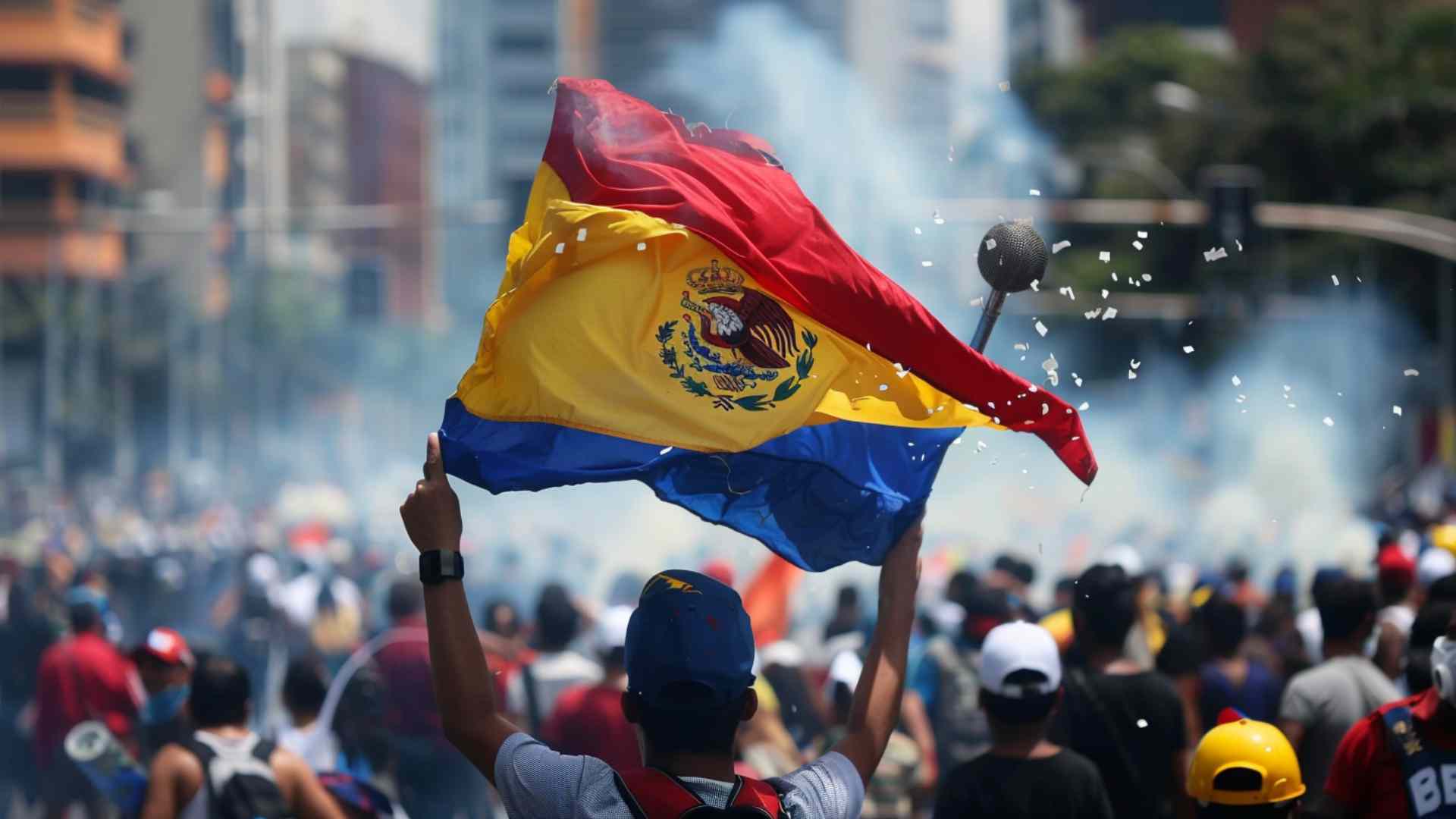
- The flag has three horizontal stripes—yellow, blue, and red—with an arc of eight stars.
- The coat of arms features a running white horse on the shield.
- The country uses the metric system for measurements.
- Venezuela lies within the tropics, so seasons are mainly wet and dry rather than hot and cold.
- The mainland hosts three major geographic regions: the Andes, the Llanos, and the Guiana Highlands.
- The Caribbean coastline stretches for over 2,700 kilometers.
- The national territory includes offshore archipelagos such as Los Roques and La Blanquilla.
- Venezuela is divided into 23 states plus a Capital District and Federal Dependencies.
- Most people live in the north along the coast and Andean foothills.
- The national demonym for citizens is Venezuelan.
Record-breakers & wow numbers
- Angel Falls drops 979 meters in a single plunge, making it the tallest uninterrupted waterfall on Earth.
- Pico Bolívar is the highest peak in Venezuela at 4,978 meters.
- The Orinoco River runs roughly 2,140 kilometers from the Guiana Highlands to the Atlantic.
- Lake Maracaibo is among the largest lakes in South America by surface area.
- The Maracaibo Bridge stretches about 8.7 kilometers across the lake’s narrowest strait.
- The Mérida cable car ascends to around 4,765 meters at Pico Espejo, ranking among the world’s highest.
- Canaima National Park spans roughly 30,000 square kilometers of mesas and savannas.
- Los Roques National Park protects more than 200 islands and cays.
- The Catatumbo region experiences extraordinary lightning activity on many nights each year.
- The Orinoco Delta fans out over thousands of square kilometers of wetlands and channels.
- Venezuela is a founding member of the Organization of the Petroleum Exporting Countries.
- Hydropower from the Caroní River includes one of the largest hydroelectric plants in the world.
- Venezuela ranks among the world’s megadiverse countries by species richness.
- The Llanos savannas flood seasonally across an area that stretches for hundreds of kilometers.
- The Guiana Shield under Venezuela contains some of Earth’s oldest exposed rocks.

Science & nature
- Tepuis are flat-topped sandstone mountains that rise like islands from the surrounding jungle.
- Many plants and animals on tepuis are endemic, meaning they live nowhere else.
- Heliamphora pitcher plants on tepuis trap insects with rain-filled tubes.
- The moriche palm thrives in seasonally flooded plains and supports many birds and mammals.
- The Orinoco crocodile is one of the world’s most endangered crocodilians.
- Capybaras, the world’s largest rodents, graze in herds across the Llanos.
- Giant anteaters roam savannas and open woodlands searching for ants and termites.
- Jaguars still live in remote forests, especially in the south and along big rivers.
- The harpy eagle, one of the heaviest eagles, nests in tall rainforest trees.
- Scarlet macaws and blue-and-yellow macaws often fly over Caracas at dusk.
- The spectacled bear survives in the cloud forests of the Venezuelan Andes.
- Pink river dolphins swim in Orinoco and Amazon-connected waterways.
- The electric eel can deliver powerful electric shocks in the Orinoco basin.
- The giant anaconda, a heavy constrictor, inhabits swamps and slow rivers.
- Brightly colored poison dart frogs live in humid forests across the country.
- The hoatzin is a leaf-eating bird whose chicks have tiny wing claws.
- The oilbird, or guácharo, is a nocturnal fruit-eater that uses echolocation in caves.
- Cueva del Guácharo National Park protects a vast limestone cave housing oilbird colonies.
- Mangrove forests line many sheltered shores, buffering coasts and sheltering fish nurseries.
- Coral reefs flourish around islands like Los Roques, Los Testigos, and La Blanquilla.
- Sea turtles such as green, hawksbill, and leatherback nest on sandy Caribbean beaches.
- Páramo shrublands in the high Andes host hardy plants like frailejones suited to cold nights.
- Cloud forests capture moisture from fog, feeding streams even during the dry season.
- Seasonal fires in the Llanos shape grassland ecosystems and wildlife patterns.
- The Caroní River carries dark, tannin-stained “blackwater” from forested uplands.
- The Orinoco River meets the Atlantic through a maze of tidal channels and islands.
- The Guiana Highlands store water like a sponge, releasing flow to major rivers year-round.
- Many Venezuelan orchids bloom in brilliant colors, and the country counts hundreds of native species.

Geography & places
- Caracas sits in a valley beneath the green ridge of Waraira Repano, also called El Ávila.
- The city of Mérida is a gateway to high Andean peaks and the famous cable car.
- Maracaibo lies on the western shore of Lake Maracaibo in a hot, dry lowland.
- Valencia is an important industrial and educational center in the central region.
- Barquisimeto is known for music traditions and a huge annual religious procession.
- Ciudad Guayana unites Puerto Ordaz and San Félix at great river confluences.
- Ciudad Bolívar preserves colonial streets above a bend in the Orinoco.
- Cumaná sits near the Araya Peninsula and claims very early colonial origins.
- Puerto La Cruz and Barcelona form a coastal urban area facing the Caribbean.
- Isla de Margarita is the largest Venezuelan island and a popular beach destination.
- The nearby islands of Coche and Cubagua complete the Nueva Esparta state trio.
- Morrocoy National Park mixes mangrove channels, sandy keys, and shallow lagoons.
- Mochima National Park protects mountainous coasts and offshore islands between Barcelona and Cumaná.
- Henri Pittier National Park is the country’s oldest national park and shelters cloud-forest birds.
- Yurubí National Park conserves Andean foothill forests in Yaracuy state.
- Sierra Nevada National Park safeguards high peaks like Pico Bolívar and Pico Humboldt.
- The Gran Sabana is a wide upland savanna dotted with rivers and towering tepuis.
- Mount Roraima forms a tri-border table mountain shared with Brazil and Guyana.
- Auyán-tepui is the vast sandstone mesa from which Angel Falls plunges.
- The Orinoquia region includes wide floodplains crossed by the Apure and Meta tributaries.
- The Guárico and Apure plains are prime areas for cattle ranching and wildlife watching.
- The Paria Peninsula juts toward Trinidad with humid forests and cacao farms.
- The Araya Peninsula is dry and windy with historic salt flats near the sea.
- La Restinga National Park on Margarita protects a mangrove lagoon filled with oysters and birds.
- The Tacarigua Lagoon National Park preserves a coastal lagoon behind barrier dunes.
- The Andes in Venezuela run northeast–southwest, forming a spectacular mountain backbone.

History & independence
- Indigenous peoples including Warao, Wayuu, Pemón, Yanomami, and Ye’kuana lived here long before Europeans arrived.
- The name Venezuela likely comes from early explorers who thought stilt houses on the coast looked like “little Venice.”
- The first Spanish colonial settlements appeared in the early 1500s along the Caribbean shore.
- Coastal pearls from islands like Cubagua drew intense attention during the 16th century.
- Ranching expanded across the Llanos during the colonial period to supply beef and hides.
- On July 5, 1811 leaders declared independence, beginning a long war for freedom.
- Simón Bolívar, known as “El Libertador,” led campaigns that helped free several countries.
- The Battle of Carabobo in 1821 secured Venezuelan independence on the battlefield.
- After the war, the region joined Gran Colombia before becoming a separate republic in 1830.
- The currency is named in honor of Simón Bolívar.
- Cocoa and coffee boomed in the 18th and 19th centuries and shaped early trade.
- The University of Caracas, today the Central University of Venezuela, traces its roots to 1721.
- The city of Coro holds some of the best-preserved colonial architecture in the country.
- Petroleum became a dominant industry during the 20th century and reshaped the economy.
- The Simón Bolívar Hydroelectric Plant on the Caroní River began producing power in the 1970s.
- The city of Ciudad Guayana grew rapidly with new industry and hydro projects in the 1960s.
- Canaima National Park was established in 1962 to protect tepuis and savannas.
- The University City of Caracas was inscribed as a World Heritage Site for its modern urban design.
- Coro and its Port were recognized as a World Heritage Site for colonial urban planning.
- Canaima National Park is also on the World Heritage list for its unique geology and biodiversity.
Culture, music & sports
- Baseball is a hugely popular sport with thriving local leagues and many international stars.
- Soccer is widely followed, and the national team is nicknamed “La Vinotinto” for its burgundy jerseys.
- Basketball and volleyball also draw big crowds in cities and schools.
- Joropo is a fast, lively music and dance style from the Llanos featuring harp, cuatro, and maracas.
- The cuatro is a small four-string guitar that anchors many folk songs.
- Gaita zuliana is festive music from the Maracaibo region often heard during the holidays.
- Tambor coastal drumming traditions blend African and Indigenous rhythms in community celebrations.
- Colorful carnival parades light up many towns each year ahead of Lent.
- The Procession of the Divina Pastora in Barquisimeto gathers huge crowds every January.
- Many cities host lively Christmas “parrandas” with street music and neighborhood sharing.
- Murals and street art brighten Caracas and other urban spaces with bold colors and themes.
- Traditional crafts include Wayuu woven bags and hammocks from the Guajira region.
- The national bird is the Venezuelan troupial, known for its striking orange and black plumage.
- The national tree is the araguaney, which bursts into bright yellow bloom after rains.
Food & flavors
- Arepas are round corn cakes sliced and stuffed with fillings like cheese, beans, eggs, or meats.
- A popular arepa called Reina Pepiada mixes shredded chicken, avocado, and creamy dressing.
- Cachapas are thick corn pancakes often folded around fresh cheese.
- Pabellón criollo pairs shredded beef with black beans, rice, and sweet plantains as a classic plate.
- Hallacas are holiday parcels of corn dough stuffed with a savory stew and wrapped in banana leaves.
- Tequeños are fried cheese sticks commonly served at parties and cafés.
- Empanadas are deep-fried corn turnovers stuffed with fillings such as fish, cheese, or shredded beef.
- Asado negro is slow-cooked beef in a dark, slightly sweet sauce often served with rice.
- Papelón con limón is a refreshing drink made from raw cane sugar and lime.
- Venezuelan cacao is prized for fine chocolate, especially from valleys like Chuao and Paria.
Language & etymology
- Spanish in Venezuela uses words like chévere for “cool” and pana for “friend.”
- People often greet with ¿Qué tal? or ¿Cómo estás? meaning “How are you?”
- Llanos means “plains,” a nod to the wide grasslands of the interior.
- Tepui comes from the Pemón language and is often translated as “house of the gods.”
- Waraira Repano is the Indigenous name for the mountain also called El Ávila above Caracas.
- Warao means “boat people,” reflecting life in the stilted waterways of the Orinoco Delta.
- Many place names, like Apure and Guárico, preserve Indigenous words tied to rivers and lands.
- The demonym caraqueño refers to someone from Caracas, while maracucho refers to someone from Maracaibo.
For kids: quick comparisons
- Angel Falls is almost as tall as three Eiffel Towers stacked end to end.
- Pico Bolívar is higher than any mountain in the contiguous United States.
- The Orinoco River is roughly the driving distance from Washington, D.C. to Denver.
- A capybara can reach about 60 kilograms (132 pounds), which is heavier than many elementary school kids.
Pop culture & fun extras
- The 1930s pilot Jimmie Angel helped make Angel Falls famous after landing atop Auyán-tepui.
- The University City of Caracas blends art and architecture, with open-air sculptures integrated into campus life.
Quick FAQ
What is Venezuela known for?
Venezuela is known for Angel Falls, the Orinoco River, diverse wildlife, beautiful Caribbean coasts, and a rich food culture centered on corn-based dishes like arepas.
Where is Angel Falls located?
Angel Falls is in Canaima National Park in southeastern Venezuela on a massive table mountain called Auyán-tepui.
What language do people speak in Venezuela?
Most people speak Spanish, and many Indigenous languages are also recognized across different regions.
What is the capital of Venezuela?
Caracas is the capital city and sits in a green valley below Waraira Repano.
What is a tepui?
A tepui is a flat-topped sandstone mountain of the Guiana Highlands with many unique plants and animals.

Ellie is the owner and sole author of Fun Facts, combining her mechanical engineering background with years of research-driven writing to deliver facts you can trust. Every article is thoroughly fact-checked and routinely updated as new science and sources emerge to keep information accurate and current. Her mission is to make learning delightful while upholding high standards of reliability and transparency.