
Bread looks simple until flour, water, salt, microbes, heat, gluten, steam, fermentation, milling, agriculture, and thousands of years of human history enter the picture. People were baking bread before farming was fully established, sourdough is an ecosystem rather than one organism, and sliced bread really did become famous enough to inspire a cliché. These 145 bread facts explore ancient loaves, wheat, yeast, sourdough, gluten, kneading, fermentation, crust, ovens, sliced bread, regional styles, nutrition, storage, and the chemistry that turns wet flour into one of humanity’s oldest staple foods.
Bread basics
- Bread is a baked food made primarily from flour and liquid.
- Many breads also contain salt and a leavening agent.
- Wheat is the world’s most common bread grain.
- Rye, barley, corn, rice, millet, sorghum, oats, and other grains can also become bread.
- Some breads are leavened.
- Others are flat or unleavened.
- Yeast fermentation produces carbon dioxide that can inflate dough.
- Sourdough uses communities of wild yeasts and lactic acid bacteria.
- Gluten gives wheat dough much of its stretchy gas-holding structure.
- Bread crust and crumb form through different heat and moisture conditions.
- Fresh bread contains a surprising amount of water.
- Bread is eaten in nearly every region of the world.
- Its forms reflect local grains, climate, religion, technology, and food traditions.
- The word bread can refer to foods with very different textures and ingredients.
- Archaeology shows humans made bread-like foods thousands of years before modern commercial bakeries existed.
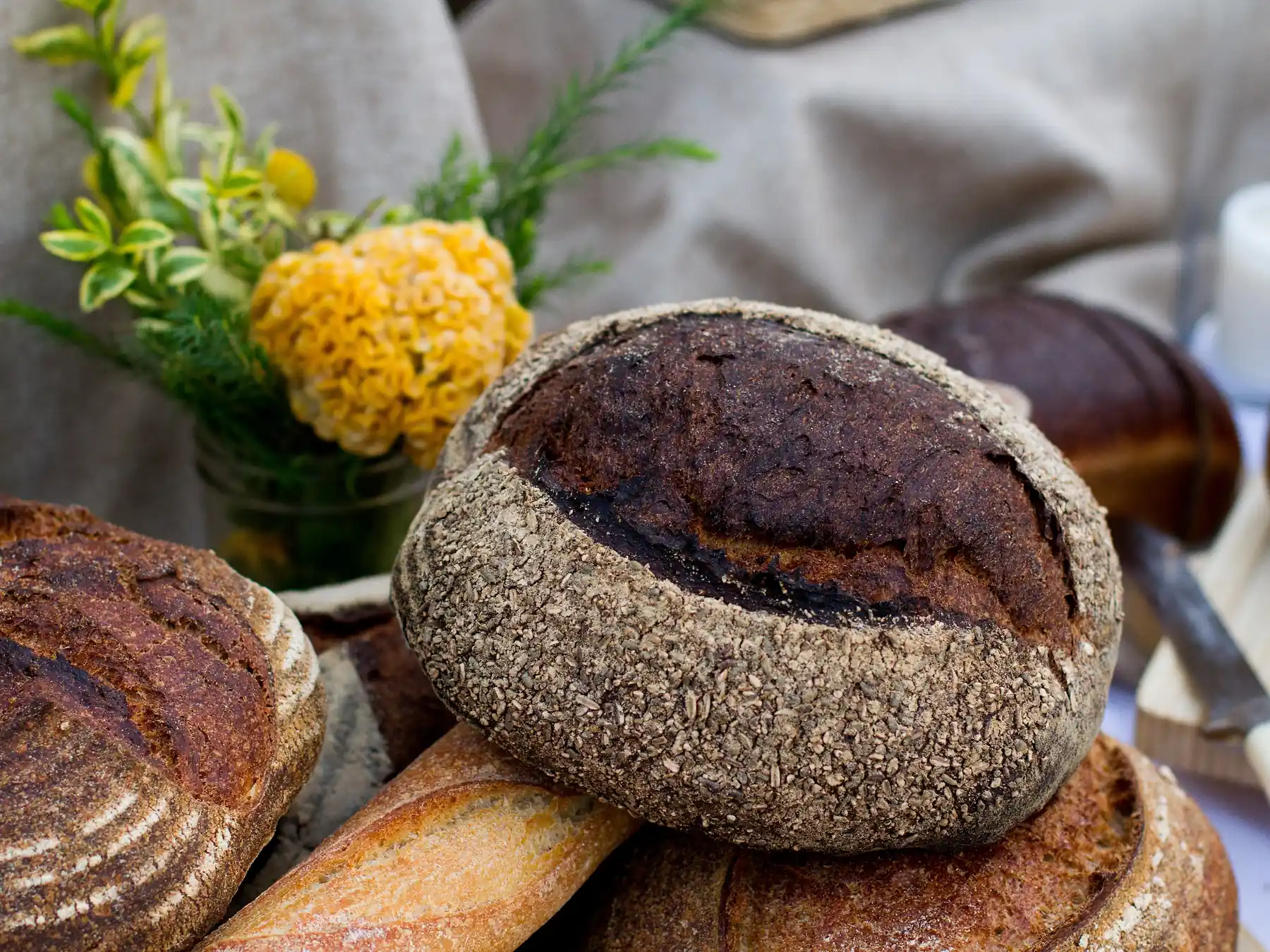
Bread may predate agriculture
- Archaeologists have found charred bread-like remains at a site in Jordan.
- The remains date to about 14,400 years ago.
- That predates fully developed agriculture in the region.
- Hunter-gatherers gathered wild cereals and other plants.
- They ground plant foods into meal.
- Water could turn the meal into dough.
- Hot stones or hearths could bake flat breads.
- Making bread required substantial labor before mechanical milling.
- Wild grains had to be collected.
- Seeds had to be cleaned and processed.
- Grinding stones turned them into flour-like material.
- Early bread may have been special food rather than an everyday staple.
- Demand for grain foods may have encouraged increasingly intensive cereal use.
- Farming later made grain supplies more predictable.
- Bread and agriculture therefore influenced one another rather than one simply appearing long after the other.
Ancient Egyptians mastered leavened bread
- Ancient Egypt had a highly developed bread-making culture.
- Egyptians grew emmer wheat and barley.
- Grinding grain was a major household and institutional task.
- Egyptian art shows bakers kneading and shaping dough.
- Archaeologists have found ancient bread loaves and baking equipment.
- Fermentation produced leavened breads.
- Wild yeasts naturally colonize flour-and-water mixtures.
- Brewing and baking existed side by side.
- Beer and bread both rely on cereal processing and fermentation.
- Ancient Egyptian breads came in many shapes.
- Some were conical.
- Others were round, flat, or molded.
- Bread served as everyday food and religious offering.
- Workers could receive grain or bread as part of rations.
- Ancient Egypt demonstrates that sophisticated baking is thousands of years older than industrial yeast packets.
What gluten actually does
- Wheat flour contains proteins including glutenin and gliadin.
- Adding water lets those proteins interact.
- Mixing and kneading help create a gluten network.
- Glutenin contributes elasticity.
- Gliadin contributes extensibility.
- Together they let dough stretch while retaining gas.
- Yeast produces carbon dioxide during fermentation.
- Gas collects in bubbles inside the gluten network.
- The dough expands.
- Too little structure can let gas escape.
- Too much mechanical development can make some doughs difficult to shape.
- Different flours contain different protein levels.
- Bread flour is usually higher in protein than cake flour.
- Rye forms bread structure differently because its proteins do not create the same strong gluten network as wheat.
- Gluten is useful for bread structure but medically unsafe for people with celiac disease.
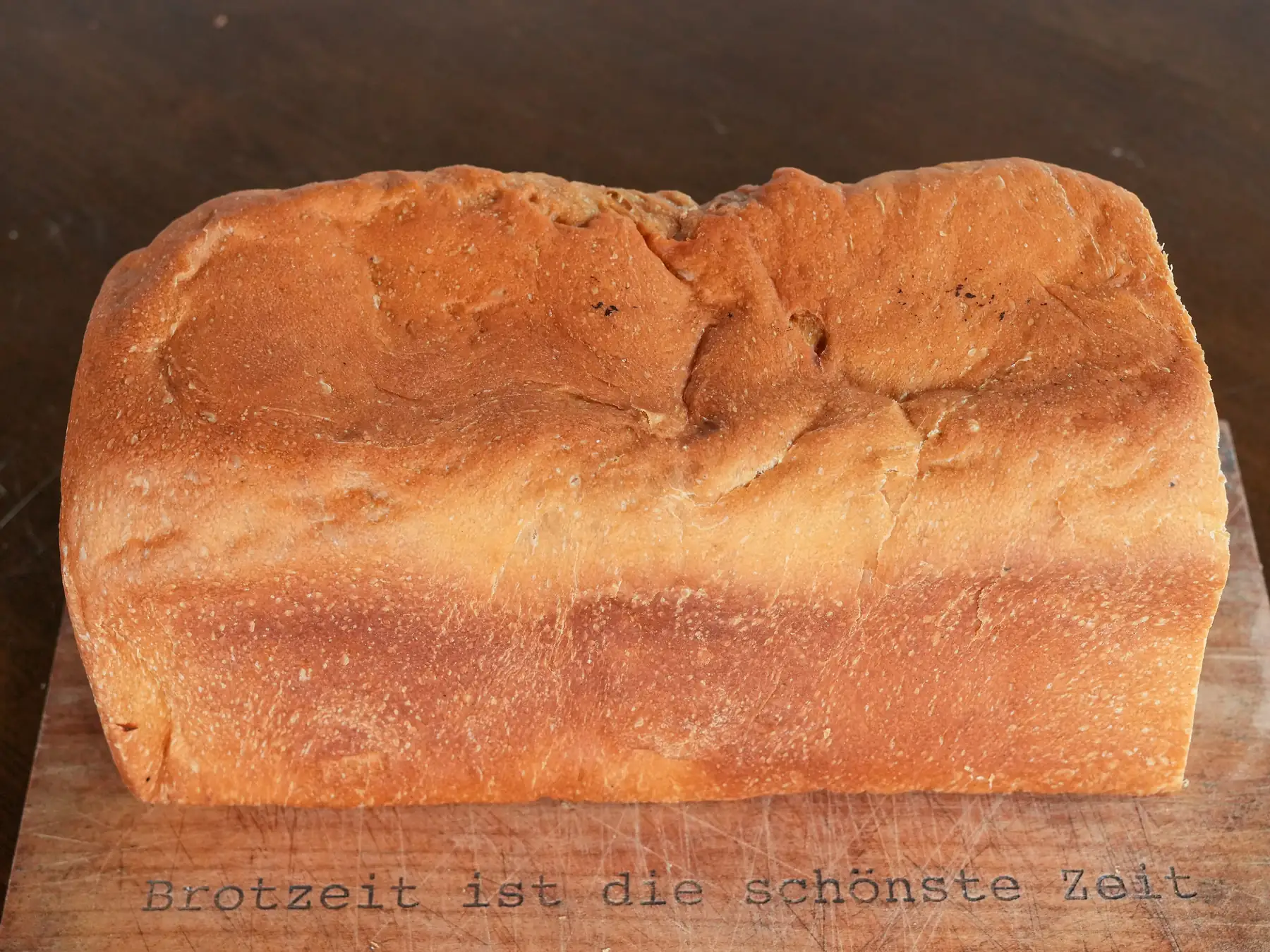
Yeast is alive
- Baker’s yeast is a living single-celled fungus.
- The common species is Saccharomyces cerevisiae.
- The same species is important in many brewing and fermentation processes.
- Yeast consumes sugars.
- Under dough conditions it produces carbon dioxide and ethanol among other compounds.
- Carbon dioxide expands dough.
- Most ethanol evaporates during baking.
- Fermentation also creates flavor molecules.
- Warmer dough generally ferments faster within useful biological limits.
- Very high heat kills yeast.
- Cold fermentation slows activity.
- Long cool fermentation can develop complex flavor.
- Salt slows fermentation and strengthens dough structure.
- Too much yeast can make dough rise quickly without developing as much fermentation flavor.
- Baking is partly the controlled cultivation of microscopic fungi before an oven ends their work.
Sourdough is an ecosystem
- A sourdough starter is a fermented mixture of flour and water.
- It contains yeasts and bacteria.
- Lactic acid bacteria produce acids that give sourdough characteristic flavor.
- Different starters can contain different microbial communities.
- Flour type affects those communities.
- Temperature and feeding schedule matter too.
- A starter must be fed because microbes consume available nutrients.
- Discarding part before feeding keeps population and acidity manageable.
- Starters can survive for years with proper maintenance.
- Claims that one modern starter contains exactly the same microbes continuously for centuries are difficult to prove.
- Microbial populations change with flour, environment, handling, and time.
- Sourdough fermentation can improve flavor and keeping quality.
- Acidity affects dough strength and enzyme activity.
- Sourdough does not automatically make wheat bread safe for people with celiac disease.
- A bubbling starter is a living microbial community performing chemistry in a jar.
What happens in the oven
- Bread changes rapidly during the first minutes of baking.
- Gas expands as temperature rises.
- Water vapor contributes additional expansion.
- This early growth is called oven spring.
- Yeast becomes more active briefly before heat kills it.
- Starch granules absorb water and gelatinize.
- Proteins set into a stable structure.
- The crust loses water much faster than the interior.
- Its temperature can rise above the boiling point of water once sufficiently dry.
- The Maillard reaction creates brown color and roasted flavors.
- Caramelization can also contribute at high surface temperatures.
- Steam early in baking delays crust setting.
- That lets the loaf expand longer.
- Steam also helps create a glossy thin crust on some artisan breads.
- A finished loaf is a foam whose walls were stabilized by heat.
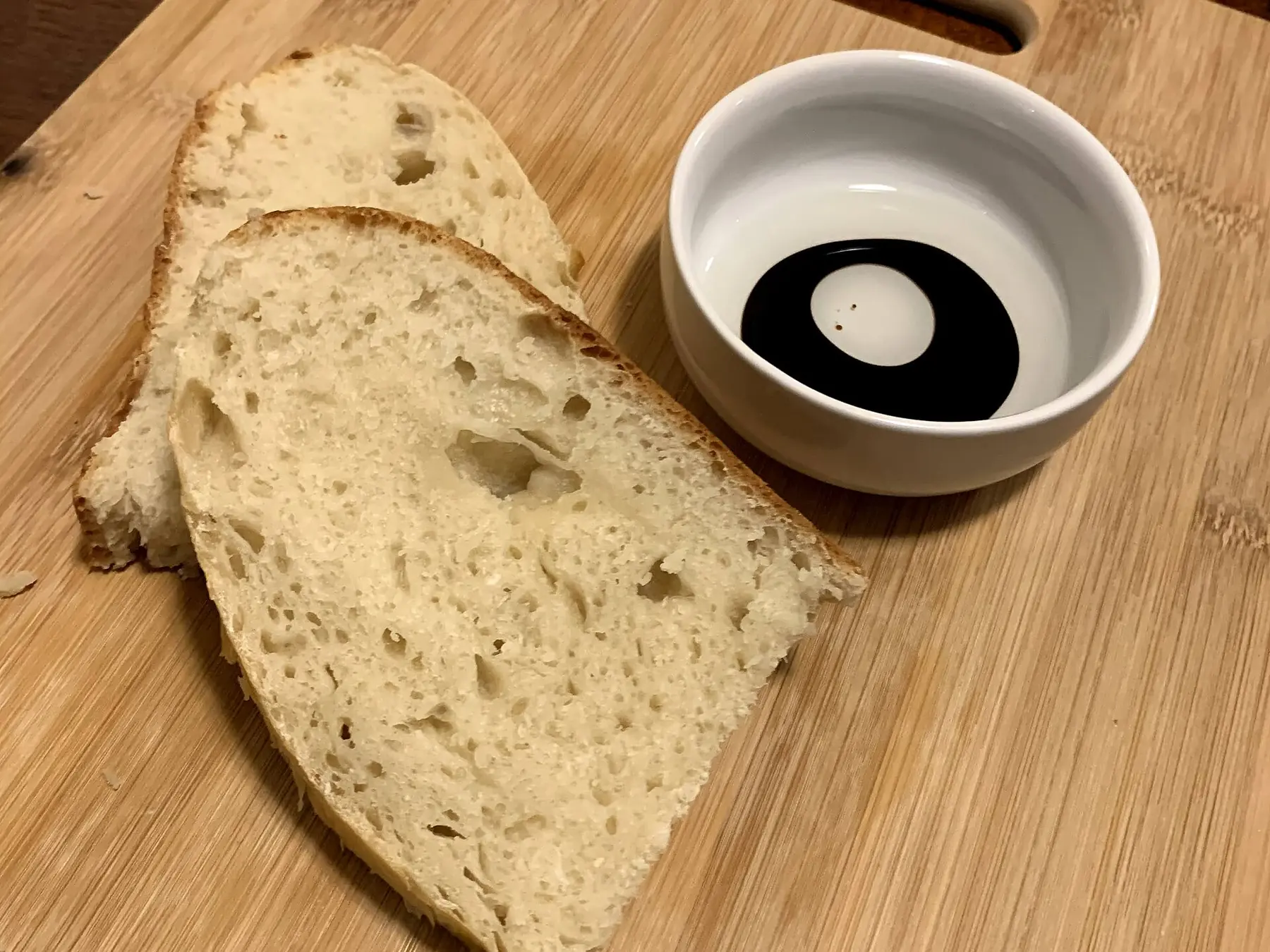
Sliced bread really changed kitchens
- Commercial bread-slicing machines appeared in the early 20th century.
- Otto Frederick Rohwedder developed a successful automatic bread slicer.
- His machine sliced an entire loaf at once.
- Chillicothe Baking Company in Missouri became the first commercial bakery to use it successfully in 1928.
- The bakery advertised its pre-sliced loaves enthusiastically.
- Sliced bread made sandwiches and toast faster to prepare.
- It also increased exposed surface area.
- That can make bread stale more quickly.
- Packaging therefore became especially important.
- Wonder Bread helped popularize nationally distributed sliced bread in the United States.
- During World War II, the U.S. government briefly banned commercially sliced bread in 1943.
- The rationale involved conserving materials and improving efficiency, but the policy was unpopular and short-lived.
- The ban was lifted within weeks.
- The phrase “the greatest thing since sliced bread” emerged because machine-sliced bread represented modern convenience.
- A food-processing machine became the benchmark for praising unrelated inventions.
Bread around the world
- Baguettes are strongly associated with France.
- Ciabatta is an Italian bread created in the 20th century rather than an ancient Roman loaf.
- Focaccia is a flat Italian bread with much older Mediterranean roots.
- Naan is associated with South and Central Asian cuisines.
- Injera is a fermented flatbread central to Ethiopian and Eritrean meals.
- Traditional injera uses teff.
- Pita can puff into a pocket when steam separates dough layers.
- Lavash is a thin flatbread with deep traditions across Armenia and neighboring regions.
- Tortillas are breads even though English speakers do not always label them that way.
- Corn tortillas rely on nixtamalized maize.
- Roti describes several South Asian flatbread traditions.
- Irish soda bread uses chemical leavening rather than baker’s yeast.
- Jewish challah is a rich braided bread associated especially with Shabbat and holidays.
- German bread culture includes an enormous variety of rye and mixed-grain loaves.
- Bread traditions reveal local agriculture and history more clearly than one generic supermarket loaf ever could.
Ten surprising bread facts
- People made bread-like food before agriculture was fully established.
- Yeast is a living fungus.
- Sourdough starter is an ecosystem of multiple microorganisms.
- Bread dough is essentially a gas-filled foam stabilized by gluten and heat.
- The crust browns partly because it becomes dry enough to exceed the temperature of the wet crumb.
- Commercial sliced bread debuted successfully in Missouri in 1928.
- The United States briefly banned commercial bread slicing during World War II.
- Ciabatta is much younger than its rustic appearance suggests.
- Pita pockets form largely because expanding steam separates layers of dough.
- For more staple-food trivia, explore our pasta facts and Food facts.
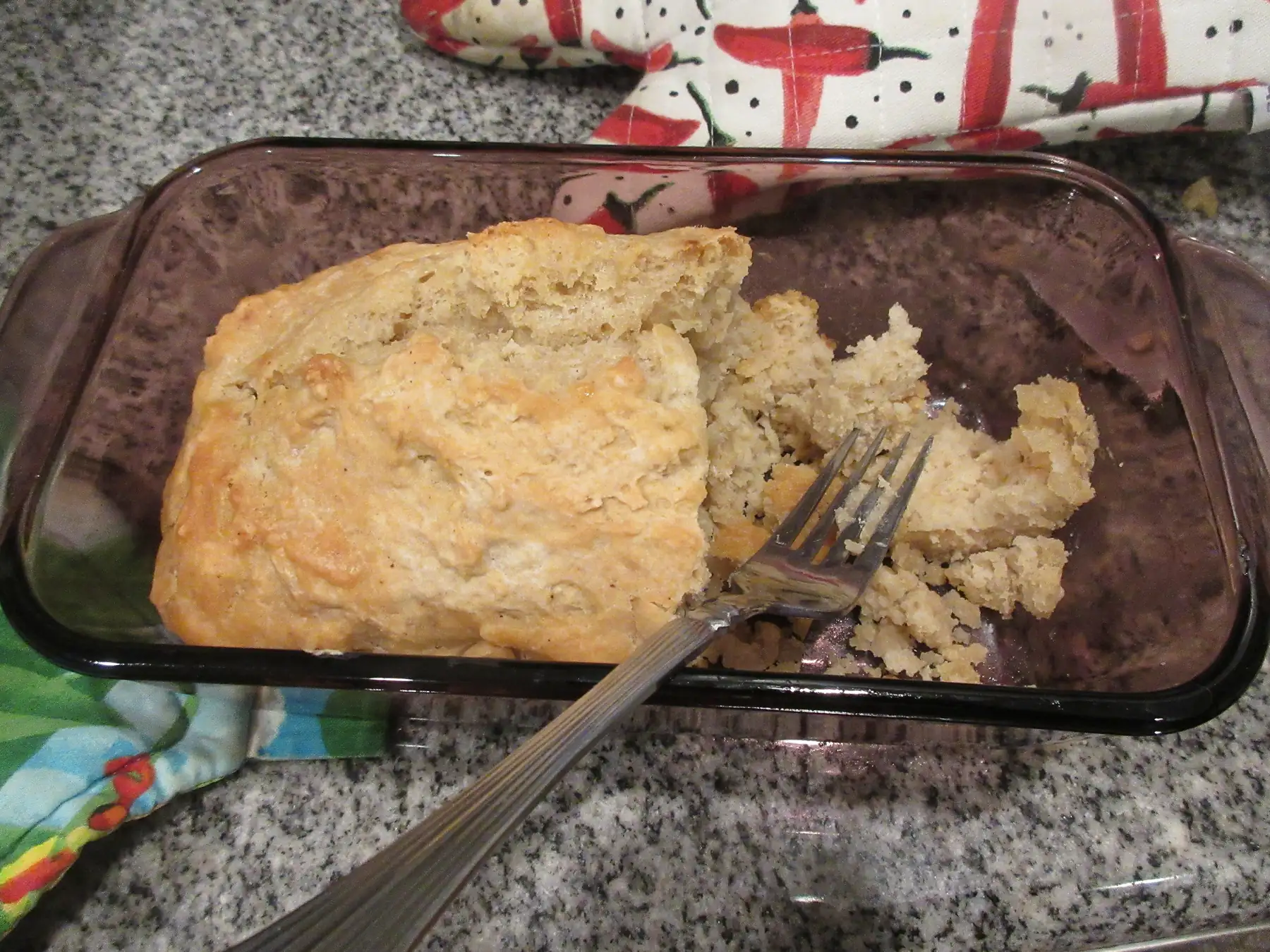
Quick bread FAQ
Who invented bread?
No single person did. Archaeological evidence shows people were making bread-like foods at least 14,000 years ago, before fully developed agriculture.
What makes bread rise?
In yeast-leavened bread, microbes produce carbon dioxide. Gluten and other dough structures trap the gas, and heat expands it further in the oven.
What is sourdough starter?
A fermented flour-and-water culture containing wild yeasts and lactic acid bacteria.
When was sliced bread invented?
Otto Rohwedder’s successful commercial bread slicer was first used by the Chillicothe Baking Company in Missouri in 1928.
Why does bread go stale?
Moisture moves through and out of the loaf while starch molecules reorganize, a process called retrogradation. Staling is more complicated than bread simply “drying out.”

Ellie is the owner and sole author of Fun Facts, combining her mechanical engineering background with years of research-driven writing to deliver facts you can trust. Every article is thoroughly fact-checked and routinely updated as new science and sources emerge to keep information accurate and current. Her mission is to make learning delightful while upholding high standards of reliability and transparency.