
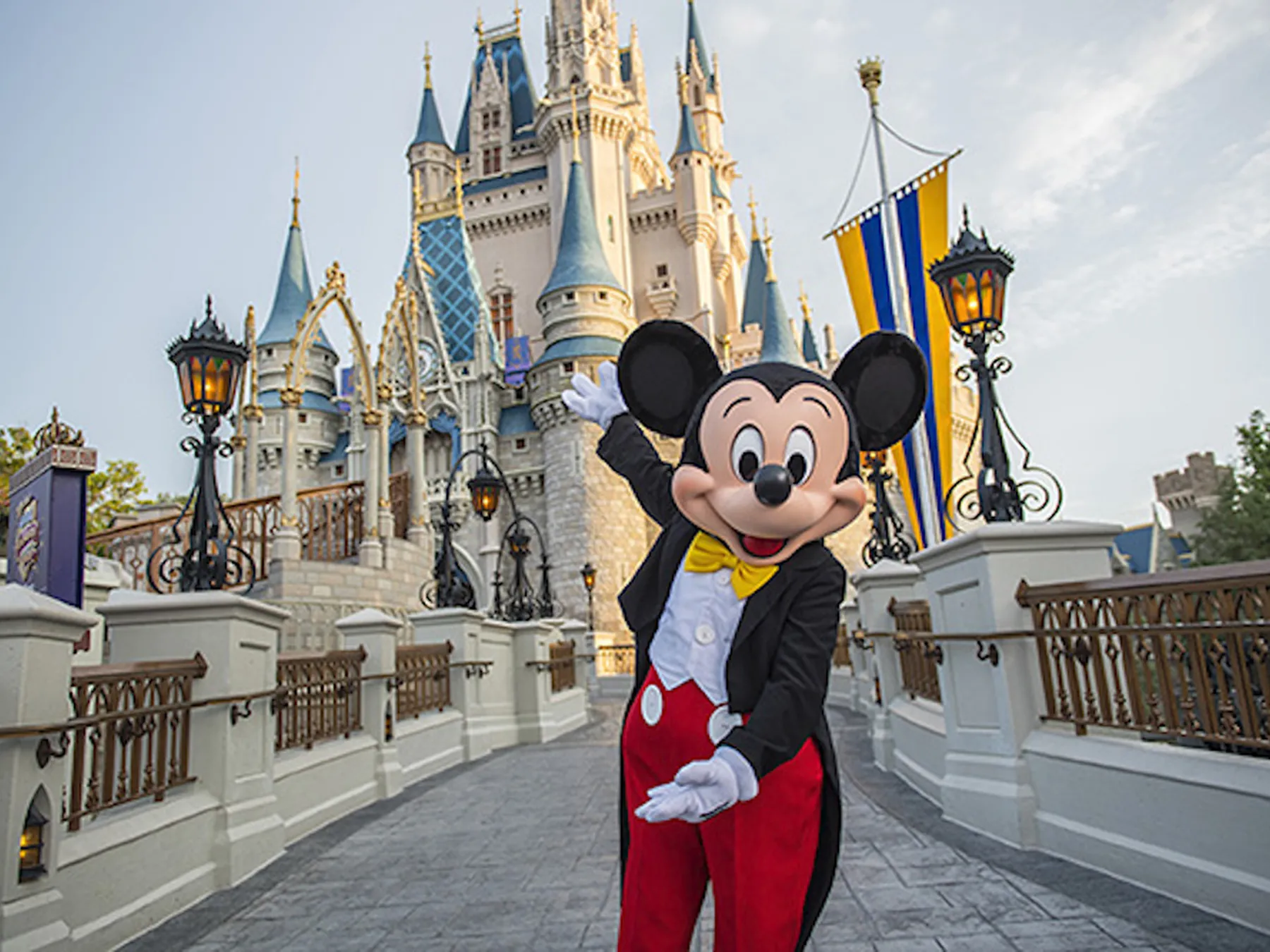
Disney grew from a tiny 1923 animation studio into a company spanning films, television, streaming, theme parks, cruises, stage shows, consumer products, sports media, and some of entertainment’s most recognizable characters. The famous castle hides a century of technical experiments, risky business bets, mergers, new storytelling tools, and constant reinvention. These 145 Disney facts explore the company’s founding, Mickey Mouse, animation milestones, studios, theme parks, Pixar, Marvel, Star Wars, Disney+, and the history behind the brand.
Disney company basics
- The Walt Disney Company traces its founding to October 16, 1923.
- Brothers Walt Disney and Roy O. Disney founded the business.
- The company began in California.
- Its earliest successful work centered on animation.
- The original enterprise was known as the Disney Brothers Cartoon Studio.
- The company later operated under several names before becoming The Walt Disney Company.
- Disney’s corporate headquarters are in Burbank, California.
- The company expanded far beyond animated films.
- Its businesses have included television networks, film studios, theme parks, resorts, cruises, streaming services, and consumer products.
- The Disney name became one of the world’s most recognizable entertainment brands.
- Walt focused heavily on creative development and new entertainment ideas.
- Roy played a crucial role in finance and business management.
- The brothers’ complementary strengths helped the company survive repeated financial risks.
- The company celebrated its centennial in 2023.
- Disney’s official corporate history describes 1923 as the beginning of the company’s century-long story.
The Alice Comedies came before Mickey
- Disney’s first major Hollywood series was called the Alice Comedies.
- The shorts combined a live-action girl with animated settings and characters.
- Young actress Virginia Davis played Alice in early installments.
- Walt had begun experimenting with the concept before moving permanently to California.
- Distributor Margaret Winkler agreed to distribute the series.
- That contract helped launch the Disney Brothers Cartoon Studio.
- The Alice films were produced during the 1920s.
- They demonstrate that mixed live action and animation appeared in Disney work decades before films such as Mary Poppins.
- Disney later shifted from Alice to fully animated character series.
- Oswald the Lucky Rabbit became an important pre-Mickey character.
- Oswald was created for distributor Charles Mintz and Universal.
- Walt Disney did not initially control the Oswald character rights.
- A contract dispute cost Disney control of Oswald and much of his animation staff.
- The experience strongly influenced Walt’s later emphasis on owning characters and intellectual property.
- Losing Oswald directly set the stage for creating a new mouse character.
Mickey Mouse changes everything
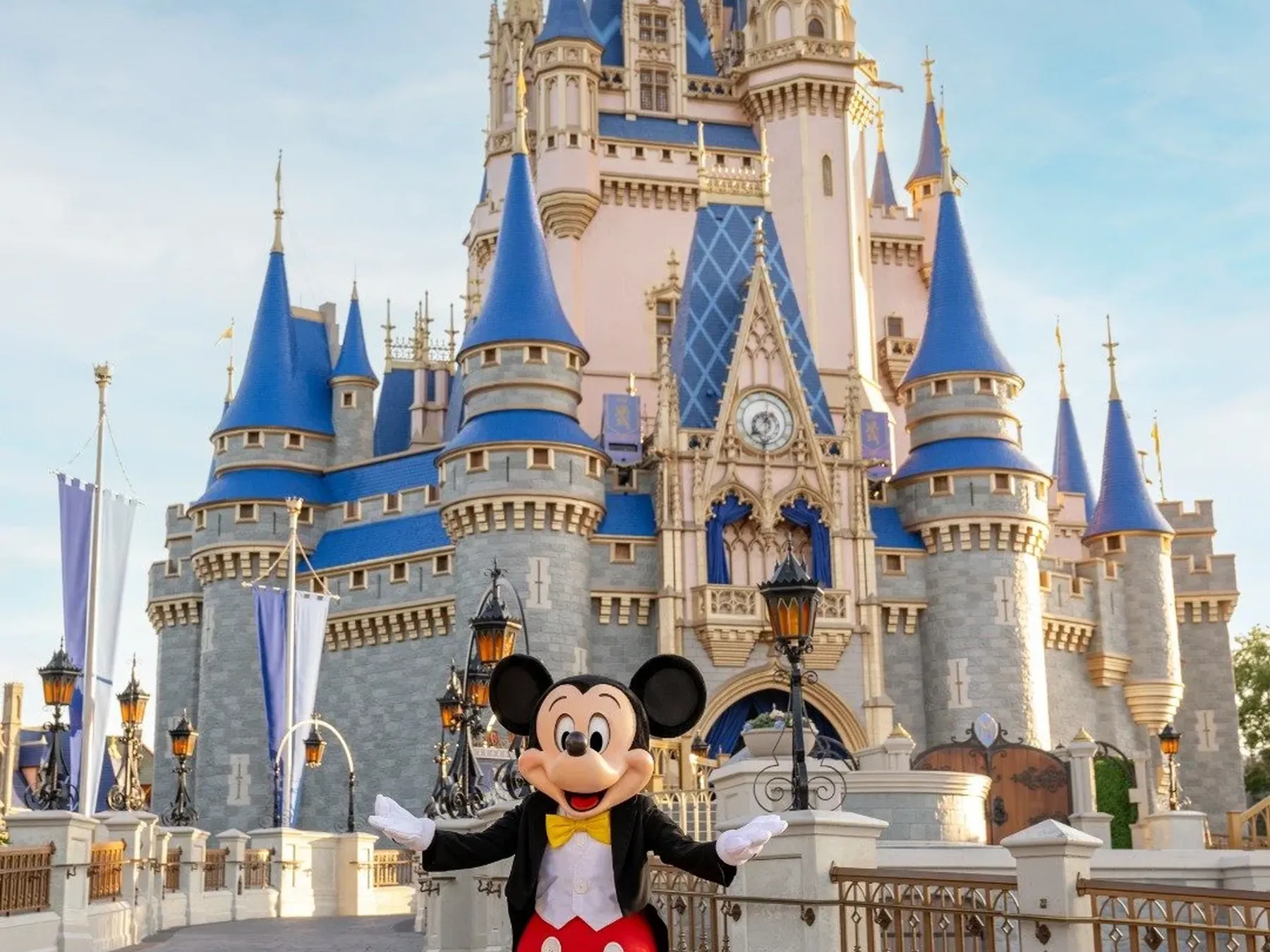
- Mickey Mouse was created during 1928.
- Walt Disney and animator Ub Iwerks were central to Mickey’s creation.
- The first Mickey cartoon produced was Plane Crazy.
- It initially failed to secure wide distribution.
- The Gallopin’ Gaucho was another early Mickey production.
- Steamboat Willie became the breakthrough release.
- It premiered in New York on November 18, 1928.
- The cartoon synchronized animation closely with recorded sound.
- Sound became part of the comedy rather than merely background accompaniment.
- November 18 became commonly celebrated as Mickey’s birthday.
- Walt Disney originally supplied Mickey’s voice.
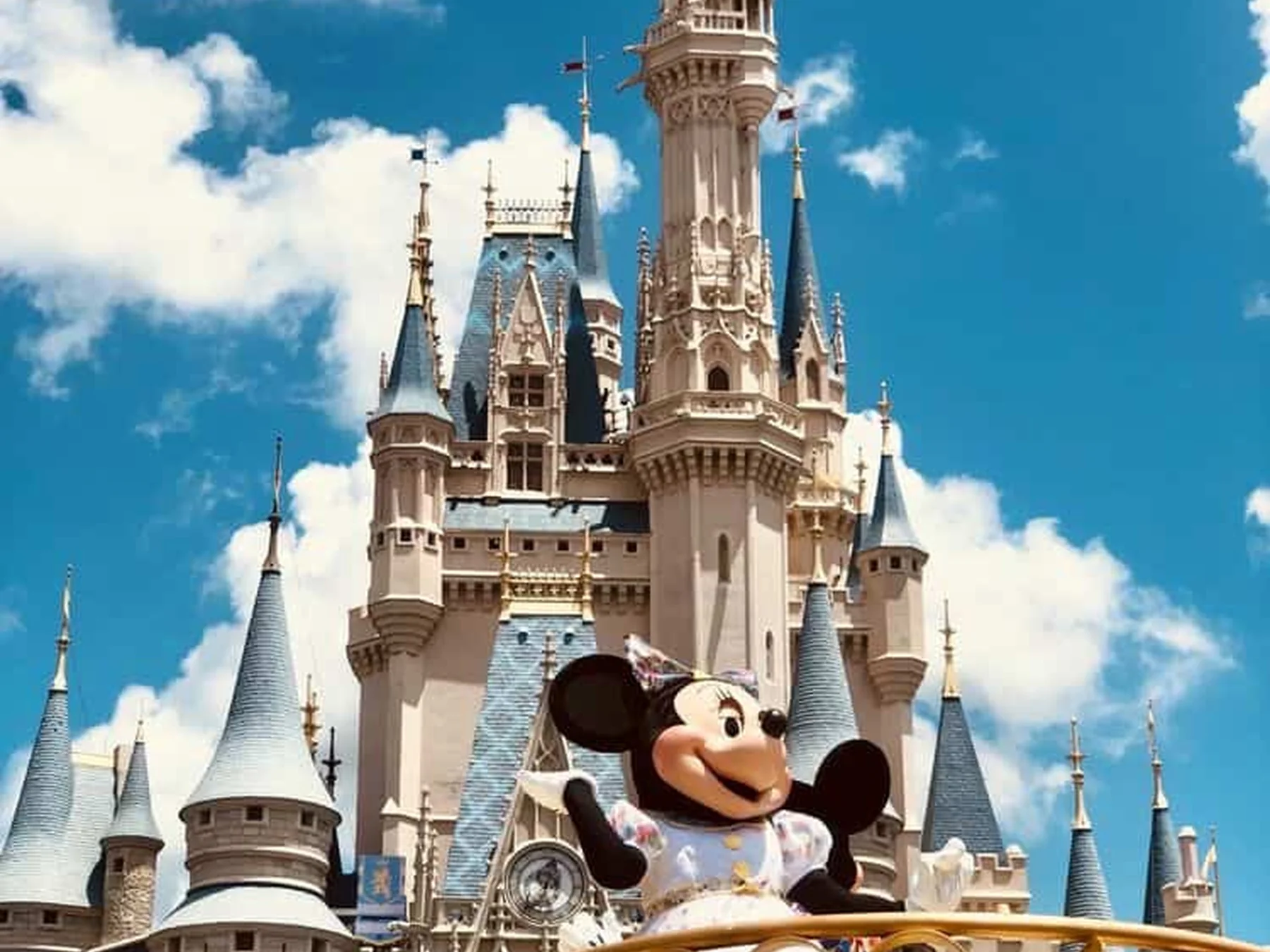
- Minnie Mouse also appeared in the earliest Mickey era.
- Mickey quickly became the studio’s signature character.
- His image appeared on merchandise early in the company’s growth.
- Mickey’s commercial success helped finance Disney’s increasingly ambitious experiments.
Disney experiments with color and sound
- The Silly Symphony series gave Disney artists room to experiment beyond recurring character stories.
- Flowers and Trees premiered in 1932.
- It became the first commercially released full-color cartoon made with the three-strip Technicolor process.
- The short won an Academy Award.
- Disney secured an early exclusive arrangement for using three-strip Technicolor in animation.
- Color opened new possibilities for mood, depth, character design, and visual storytelling.
- Three Little Pigs became a huge Silly Symphony success in 1933.
- Its song “Who’s Afraid of the Big Bad Wolf?” became culturally famous.
- Disney artists increasingly developed personality animation.
- Animators studied movement, anatomy, acting, and live performers.
- Storyboarding became an important tool for planning films visually.
- Disney did not invent every animation technique it used.
- The studio became especially influential by combining technology, art, story, music, and industrial production.
- Animation required enormous teams of artists, camera operators, painters, editors, musicians, and technicians.
- The image of one genius drawing an entire Disney movie alone is very far from how studio animation worked.
Snow White was a gigantic gamble
- Disney began producing its first feature-length animated film during the 1930s.
- Many people in the film industry doubted audiences would sit through a full animated feature.
- Critics reportedly nicknamed the project “Disney’s Folly.”
- Snow White and the Seven Dwarfs premiered in December 1937.
- It opened broadly in 1938.
- The film became a major commercial success.
- Its success transformed the scale of the Disney studio.
- Profits helped finance a new Burbank studio complex.
- The film required advances in character acting, effects, background painting, and production management.
- Disney used the multiplane camera to create greater depth in animated scenes.
- The technique photographed artwork positioned on multiple planes at different distances.
- Moving layers at different speeds produced a parallax effect.
- Snow White received a special Academy Award.
- The award famously included one normal Oscar statuette plus seven miniature statuettes.
- The film established feature animation as a viable major theatrical format.
Disneyland creates a new kind of park
- Walt Disney wanted to create a clean immersive family destination unlike many traditional amusement parks.
- Disneyland opened in Anaheim, California, on July 17, 1955.
- The opening-day television broadcast brought the park into homes across the United States.
- The original park contained themed lands rather than unrelated rides scattered together.
- Main Street, U.S.A. created a stylized turn-of-the-century American streetscape.
- Adventureland emphasized exotic exploration themes.
- Frontierland drew from an idealized American West.
- Fantasyland centered on Disney fairy-tale characters.
- Tomorrowland imagined the future.
- Disney called park designers Imagineers.
- Imagineering combines creative storytelling with engineering and design.
- Forced perspective makes some buildings appear taller than they actually are.
- Background music, landscaping, signs, costumes, smells, and architecture reinforce themed environments.
- Disneyland was never intended as a finished museum and has changed continuously.
- The park became the prototype for Disney destinations around the world.
Walt Disney World becomes much bigger
- Disney secretly acquired large amounts of land in central Florida during the 1960s.
- The purchases used multiple companies to reduce speculation and rising land prices.
- The project became known publicly as Walt Disney World.
- Walt Disney died in 1966 before the resort opened.
- Roy Disney delayed retirement to complete the project.
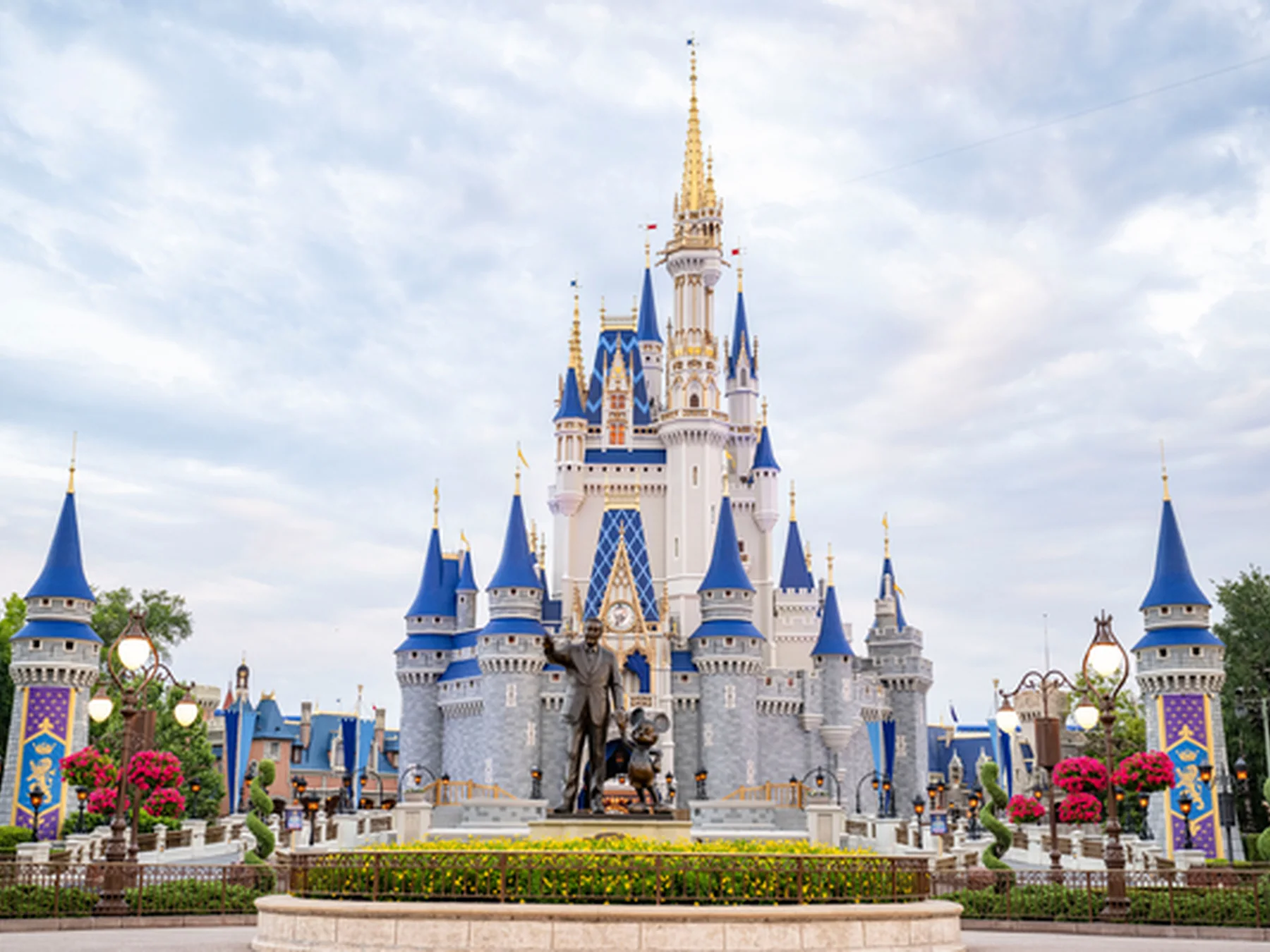
- Magic Kingdom opened on October 1, 1971.
- Roy deliberately called the resort Walt Disney World to honor his brother.
- EPCOT opened in 1982.
- Walt’s original Experimental Prototype Community of Tomorrow concept was far different from the theme park that eventually opened.
- Disney’s Hollywood Studios opened in 1989 under the name Disney-MGM Studios.
- Disney’s Animal Kingdom opened in 1998.
- The Florida property also developed hotels, transportation systems, water parks, shopping, and recreation.
- Disney World’s scale allowed planning impossible on Disneyland’s tightly bounded original property.
- The resort became one of the world’s most visited vacation destinations.
- Disneyland and Disney World are different resorts and should not be treated as interchangeable names.
Pixar changes Disney animation
- Pixar began as a computer-graphics organization separate from Disney.
- Disney distributed Pixar’s early feature films under a partnership.
- Toy Story premiered in 1995.
- It was the first fully computer-animated feature film.
- Pixar followed with films including A Bug’s Life, Monsters, Inc., and Finding Nemo.
- Disney acquired Pixar in 2006.
- The transaction was valued at about $7.4 billion in stock.
- Pixar leaders including Ed Catmull and John Lasseter took major roles in Disney animation leadership after the deal.
- Disney Animation later enjoyed a major creative resurgence.
- Computer animation did not eliminate traditional drawing skills from filmmaking.
- Artists still design characters, worlds, poses, lighting, color, and performances.
- Software changes the production medium rather than removing artistic decision-making.
- Pixar’s rendering technology became increasingly sophisticated across decades.
- Disney and Pixar remain distinct studio brands under the same company.
- The partnership and acquisition reshaped mainstream animation worldwide.
Marvel, Star Wars, and streaming
- Disney acquired Marvel Entertainment in 2009.
- The deal brought a huge library of comic-book characters under Disney ownership.
- Existing licensing arrangements meant not every Marvel character right instantly moved into one simple Disney-controlled package.
- Disney acquired Lucasfilm in 2012.
- The Lucasfilm purchase brought the Star Wars and Indiana Jones franchises.
- Disney later acquired major entertainment assets from 21st Century Fox.
- That 2019 deal dramatically expanded Disney’s film and television library.
- Disney launched Disney+ in the United States in November 2019.
- The service became a major distribution home for Disney, Pixar, Marvel, Star Wars, and National Geographic content.
- Streaming changed how Disney releases and archives entertainment.
- Disney also owns a controlling interest in ESPN-related businesses.
- ABC became part of Disney through its 1990s acquisition of Capital Cities/ABC.
- The company therefore spans entertainment categories far beyond cartoons and theme parks.
- Corporate ownership does not mean every Disney-owned creative studio makes identical content.
- The Walt Disney Company’s official history tracks these acquisitions as major stages in its expansion.
Ten surprising Disney facts
- Disney existed for five years before Mickey Mouse debuted.
- Losing the rights to Oswald the Lucky Rabbit helped push Walt toward creating a character he could control.
- Steamboat Willie was not the first Mickey cartoon produced, just the breakthrough release.
- Snow White was such a risky project that skeptics called it Disney’s Folly.
- The special Oscar for Snow White included seven miniature statuettes.
- Disneyland opened while Walt Disney was still alive, but Walt Disney World did not.
- The Florida resort deliberately carries Walt’s full name because Roy Disney wanted the tribute preserved.
- Disney acquired Pixar after years of distributing Pixar films.
- The modern company owns major businesses that have nothing to do with princesses or animation.
- For deeper Disney trivia, our backlog also includes separate guides to Walt Disney, Disneyland, and Disney World.
Quick Disney FAQ
When was Disney founded?
October 16, 1923, when Walt and Roy Disney established the studio business that became The Walt Disney Company.
Was Mickey Disney’s first character?
No. The studio made the Alice Comedies and Oswald the Lucky Rabbit before Mickey Mouse.
When did Disneyland open?
July 17, 1955, in Anaheim, California.
When did Walt Disney World open?
Magic Kingdom opened October 1, 1971, in Florida, nearly five years after Walt Disney died.
Does Disney own Pixar, Marvel, and Star Wars?
Yes. Disney acquired Pixar in 2006, Marvel Entertainment in 2009, and Lucasfilm, owner of Star Wars, in 2012.

Ellie is the owner and sole author of Fun Facts, combining her mechanical engineering background with years of research-driven writing to deliver facts you can trust. Every article is thoroughly fact-checked and routinely updated as new science and sources emerge to keep information accurate and current. Her mission is to make learning delightful while upholding high standards of reliability and transparency.