
Real pirates rarely buried treasure, probably did not make prisoners walk the plank, and did not all speak with the same theatrical “Arrr.” They did, however, capture ships, write crew agreements, elect or remove some leaders, fly terrifying flags, attack global trade routes, and create legends that grew far larger after their deaths. These 145 pirate facts explore the Golden Age, Blackbeard, Anne Bonny, Mary Read, pirate codes, ships, weapons, flags, treasure, Caribbean ports, privateers, punishments, myths, and the dangerous reality behind the pop-culture version.
Pirate basics
- Piracy is robbery or criminal violence at sea for private gain.
- Pirates have existed in many regions and historical periods.
- The famous Caribbean pirate era represents only a small part of global piracy history.
- Ancient Mediterranean societies dealt with pirates.
- Vikings sometimes engaged in raiding that overlaps with broad concepts of maritime piracy.
- Chinese seas supported powerful pirate confederations.
- Indian Ocean trade routes also faced piracy.
- The word pirate comes through Latin and Greek roots connected with attacking or attempting.
- Pirates operated outside legal state authorization.
- Privateers were different because governments authorized them to attack enemy shipping during war.
- A privateer could become a pirate by exceeding or continuing beyond that authorization.
- Merchant ships were attractive targets because they carried valuable cargo.
- Pirates often preferred surrender to a destructive battle.
- A captured ship was more useful if it remained afloat and undamaged.
- Royal Museums Greenwich separates real maritime piracy from many later fictional traditions.
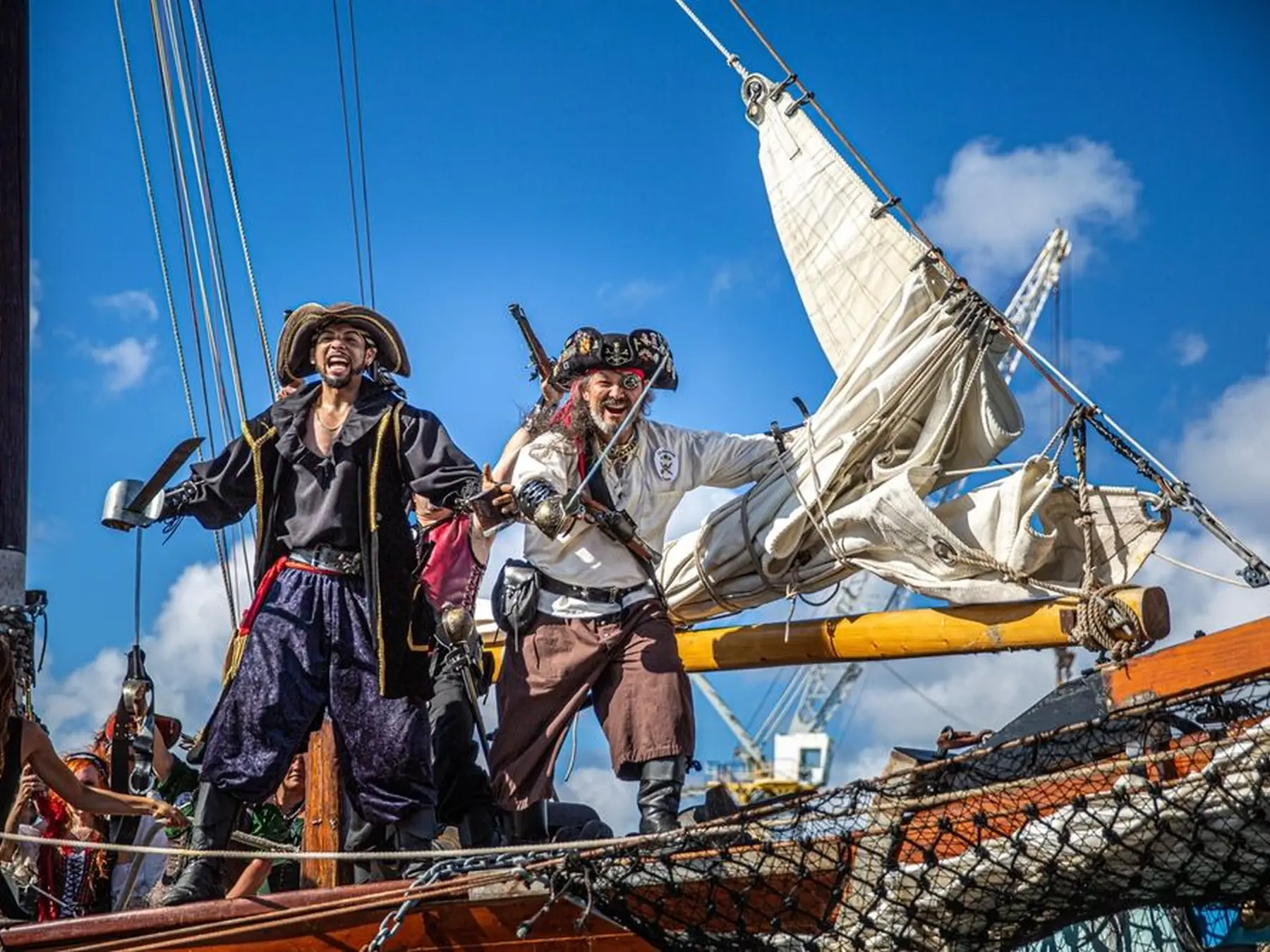
The Golden Age of Piracy
- The term Golden Age of Piracy usually refers to a period spanning parts of the late 17th and early 18th centuries.
- Historians disagree on its exact start and end dates.
- One commonly used broad range is roughly the 1650s through the 1720s.
- The era included Caribbean buccaneers.
- It also included pirates operating the Pirate Round toward the Indian Ocean.
- A major postwar piracy surge followed the War of the Spanish Succession.
- Thousands of sailors lost naval and privateering work when war ended.
- Some turned to piracy.
- Expanding Atlantic trade created more merchant targets.
- Weak law enforcement in some colonial regions created opportunities.
- Bahamas islands became a major pirate base.
- Nassau was especially notorious.
- Governments later strengthened naval patrols and anti-piracy laws.
- Executions and pardons reduced pirate numbers.
- The famous Golden Age was relatively short despite its enormous cultural afterlife.
Pirates liked fast ships
- Pirates did not use one special type of pirate ship.
- They stole or acquired vessels suited to their needs.
- Speed was extremely valuable.
- A fast ship could chase merchants and escape naval vessels.
- Shallow draft helped ships enter waters larger warships could not.
- Sloops were popular in Caribbean piracy.
- Schooners also offered useful speed and maneuverability.
- Some pirates captured much larger vessels.
- Blackbeard famously used a former French slave ship that he renamed Queen Anne’s Revenge.
- Pirates modified captured ships.
- They could add guns.
- They might remove unnecessary superstructure to improve speed or deck space.
- Large crews made boarding attacks easier.
- A merchant captain facing a heavily manned pirate vessel had strong reason to surrender.
- The best pirate ship was often whichever stolen vessel combined speed, firepower, cargo capacity, and intimidation.
The Jolly Roger was not one design
- Jolly Roger is a traditional name for pirate flags.
- There was no single official pirate flag.
- Black backgrounds became strongly associated with piracy.
- Skulls and bones appeared on some designs.
- Hourglasses could symbolize that a victim’s time was running out.
- Skeletons, swords, hearts, and blood drops appeared in other descriptions.
- Different captains used different flags.
- Some famous flag designs are documented only in later sources and may not be completely reliable.
- A black flag could signal that surrender might be accepted.
- Red flags could signal no quarter in some maritime contexts.
- Pirates also used false national colors to approach targets.
- They could reveal a pirate flag only at the last moment.
- Flags functioned as psychological weapons.
- A frightening reputation could capture a ship without a costly fight.
- The familiar skull-and-crossbones became a general symbol of piracy long after the Golden Age ended.
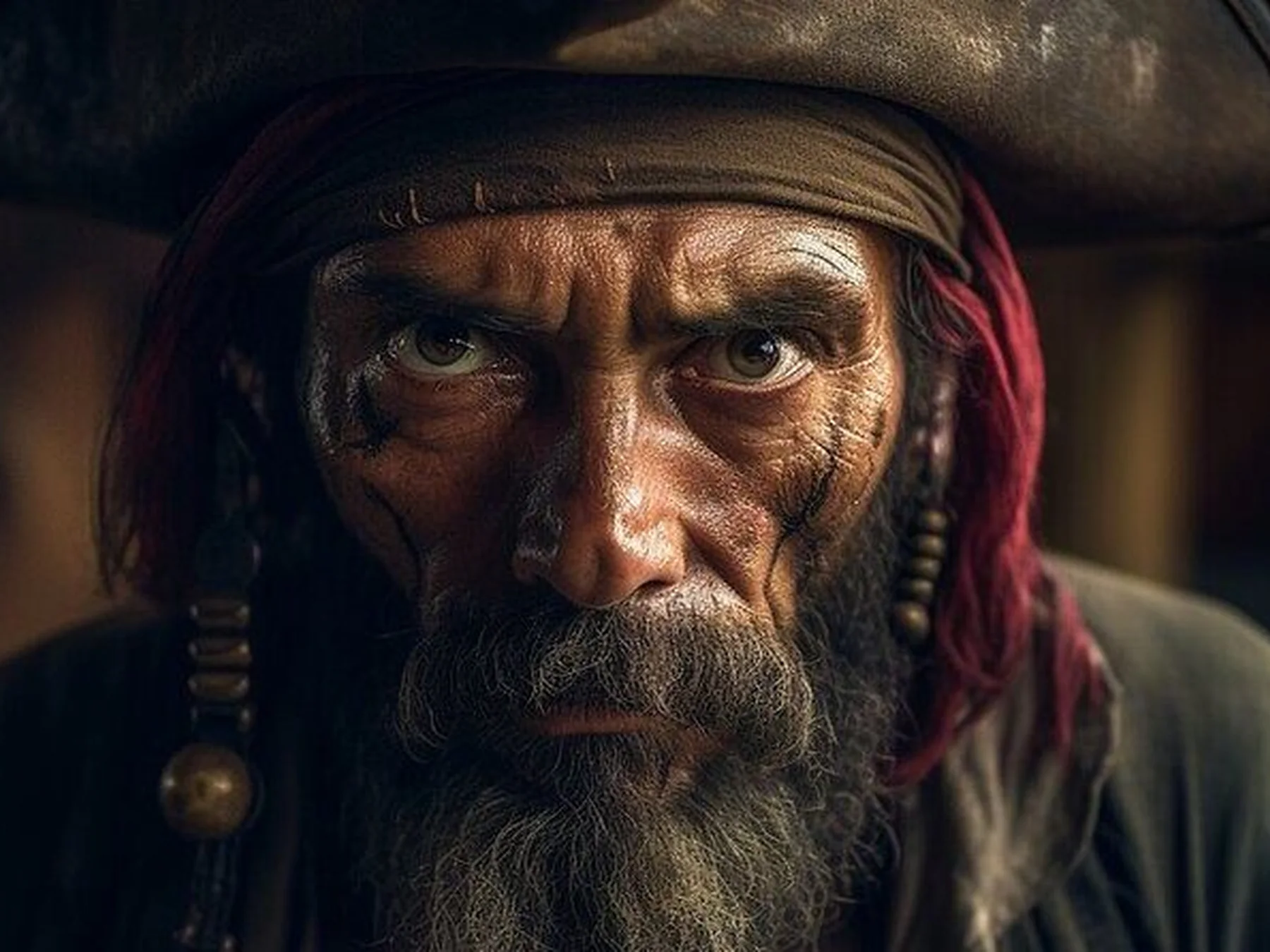
Pirate codes were real
- Some pirate crews created written articles or agreements.
- These are often called pirate codes.
- They were not one universal pirate law book.
- Each crew could set its own terms.
- Articles might explain how treasure would be divided.
- Captains and specialized officers could receive larger shares.
- Crew members might receive compensation for severe injuries.
- Rules could regulate gambling.
- They could prohibit fighting aboard ship.
- Disputes might be settled ashore.
- Some articles required weapons to be kept ready.
- Musicians could receive specific rest days.
- Breaking rules could lead to loss of shares, marooning, or other punishments.
- Some pirate crews elected captains and quartermasters.
- This limited shipboard democracy existed inside violent criminal enterprises and should not be romanticized as modern egalitarian government.
Blackbeard built a terrifying image
- Blackbeard was the nickname of Edward Teach or Thatch.
- The spelling of his surname varies in historical sources.
- He became active during the final years of the Golden Age.
- His flagship was Queen Anne’s Revenge.
- Blackbeard cultivated an intimidating appearance.
- Contemporary accounts describe a large black beard.
- He reportedly tied slow-burning fuses or matches around his head during battle.
- Smoke around his face would have made him look frightening.
- Blackbeard blockaded Charleston, South Carolina, in 1718.
- His crew captured ships and demanded medical supplies.
- Queen Anne’s Revenge later ran aground near Beaufort, North Carolina.
- Blackbeard accepted a royal pardon for a time.
- He returned to piracy.
- British naval forces killed him near Ocracoke Island in November 1718.
- Archaeologists identified a wreck near North Carolina as Queen Anne’s Revenge through accumulated historical and archaeological evidence.
Women were pirates too
- Women participated in piracy in multiple cultures and periods.
- Anne Bonny became one of the Golden Age’s most famous women pirates.
- Mary Read sailed with the same pirate crew.
- Both were associated with Captain John Rackham, nicknamed Calico Jack.
- The crew was captured in 1720.
- Bonny and Read were tried in Jamaica.
- Both were convicted of piracy.
- They avoided immediate execution by declaring that they were pregnant.
- Mary Read died in prison in 1721.
- Anne Bonny’s later fate is uncertain.
- Ching Shih became an extraordinarily powerful pirate leader in China during the early 19th century.
- Her confederation controlled hundreds of vessels at its height.
- She negotiated a surrender arrangement that allowed her to leave piracy alive.
- Women pirates challenge the Hollywood assumption that piracy was exclusively male.
- Their stories also show how dramatically piracy differed across regions and centuries.
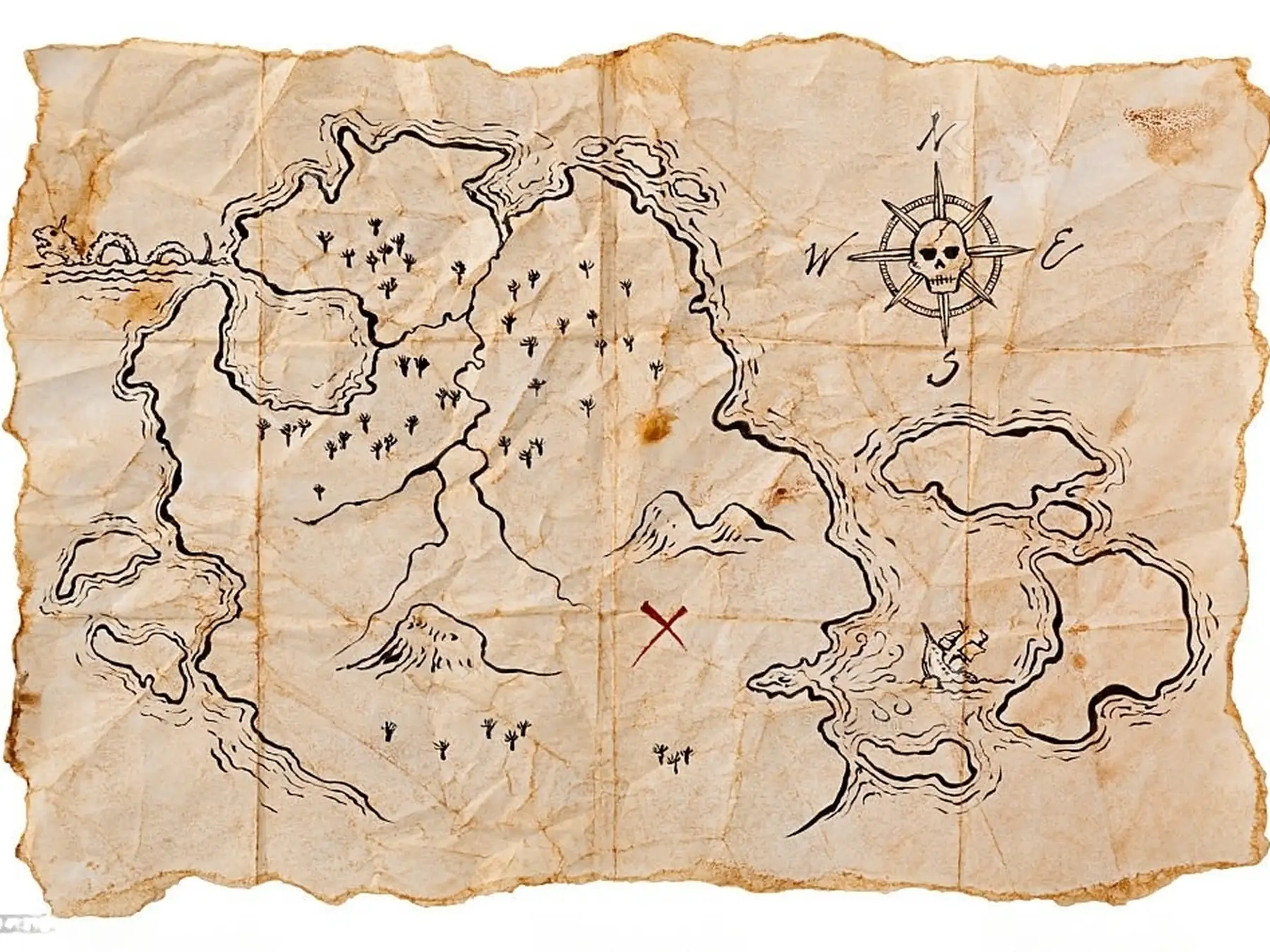
Buried treasure is mostly fiction
- Most pirates did not bury treasure on remote islands.
- Loot was usually divided and spent.
- Much pirate cargo was not gold or jewels.
- Ships carried cloth, sugar, food, alcohol, tools, medicines, timber, enslaved people, and everyday trade goods.
- Bulky cargo had value because it could be sold.
- Pirates needed money for food, repairs, weapons, drink, gambling, and shore life.
- Keeping wealth buried made little practical sense for most crews.
- Captain William Kidd did bury some goods on Gardiners Island near New York.
- Authorities recovered that cache.
- Kidd’s case helped strengthen the buried-treasure legend.
- Robert Louis Stevenson’s novel Treasure Island made treasure maps and buried chests iconic.
- The X-marks-the-spot image owes much to fiction.
- Real treasure maps from Golden Age pirates are not a normal part of the historical record.
- Shipwreck archaeology does recover coins and valuable cargo from maritime sites.
- That is very different from pirates routinely hiding chests beneath palm trees.
Walking the plank and pirate speech
- Walking the plank is one of the most famous pirate punishments in fiction.
- It was not a standard Golden Age pirate practice.
- There are scattered later reports of plank-like executions.
- Historical pirates had many simpler ways to kill or abandon victims.
- Marooning was real.
- A marooned person could be left on an isolated shore with minimal supplies.
- Keelhauling existed in maritime punishment traditions but is not a defining routine pirate punishment.
- The stereotypical pirate “Arrr” accent is largely a modern entertainment convention.
- Actor Robert Newton strongly influenced the popular pirate voice.
- He played Long John Silver in Disney’s 1950 film Treasure Island.
- Newton used an exaggerated West Country English accent.
- That accent became attached to fictional pirates.
- Real pirates came from England, Wales, Scotland, Ireland, the Americas, Africa, continental Europe, and many other places.
- They therefore spoke with many accents and languages.
- Hollywood created one pirate voice for a workforce that was historically multilingual.
Ten surprising pirate facts
- Pirates and privateers were not legally the same thing.
- There was no one official Jolly Roger design.
- Some pirate crews wrote surprisingly detailed employment-style articles.
- Blackbeard used image and fear as weapons.
- Anne Bonny and Mary Read sailed in the same pirate crew.
- One of history’s most powerful pirate leaders was a Chinese woman, Ching Shih.
- Most pirates did not bury treasure.
- Walking the plank was not a routine Golden Age punishment.
- The stereotypical pirate “Arrr” owes a huge debt to a 20th-century actor.
- For more maritime history, explore our Titanic facts and History facts.
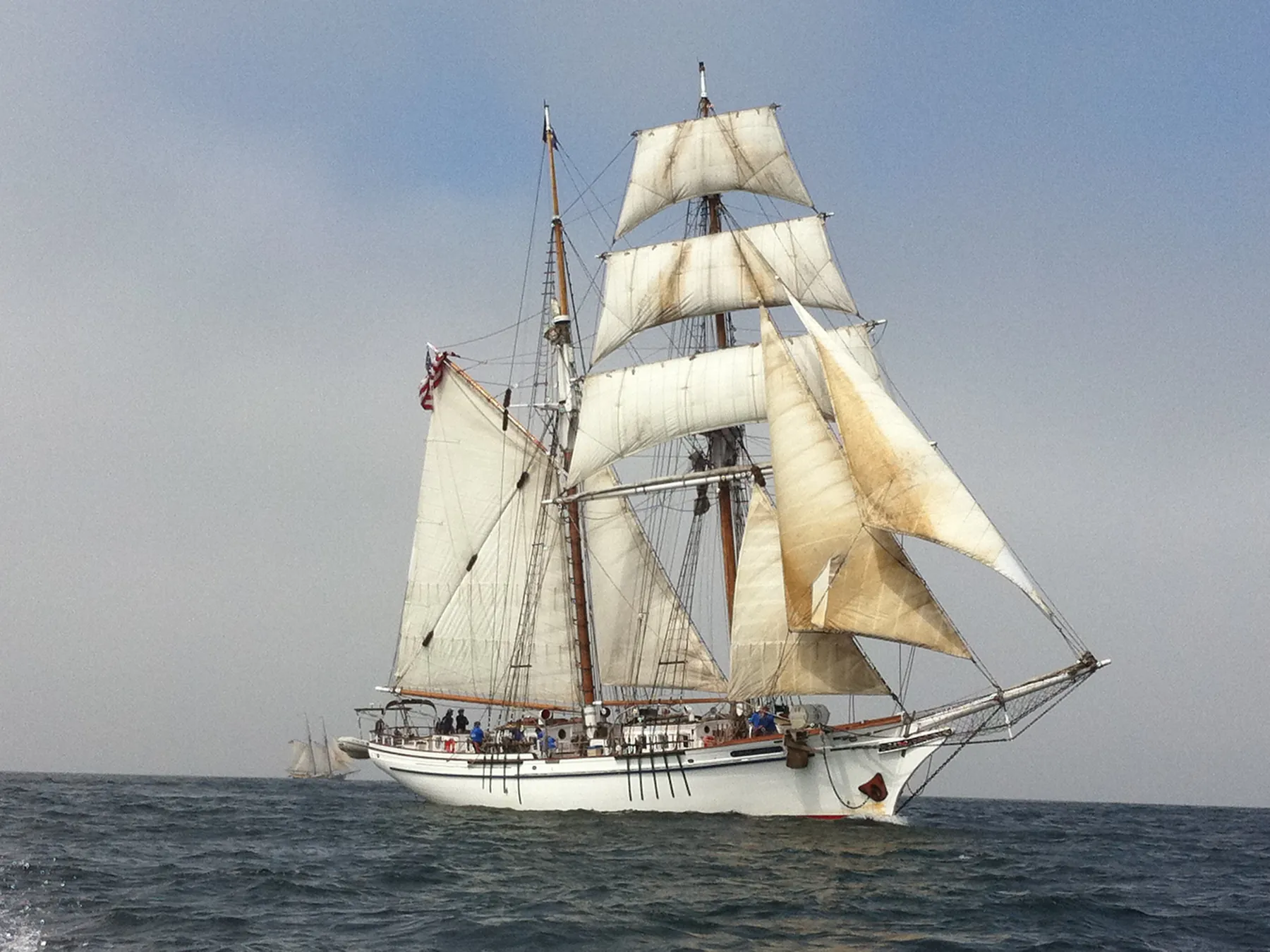
Quick pirate FAQ
What is the difference between a pirate and a privateer?
A privateer operated with government authorization to attack enemy shipping during war. A pirate attacked for private gain without valid state authorization.
Did pirates really bury treasure?
Rarely. Most loot was divided, traded, or spent. William Kidd’s documented buried cache helped inspire a much larger fictional tradition.
Did pirates make people walk the plank?
It was not a standard Golden Age practice. The image became much more important in later fiction than in the historical record.
Who was Blackbeard?
Edward Teach or Thatch, an English pirate active around the Caribbean and Atlantic coast of North America who was killed near Ocracoke in 1718.
Did women become pirates?
Yes. Famous examples include Anne Bonny, Mary Read, and the enormously powerful Chinese pirate leader Ching Shih.

Ellie is the owner and sole author of Fun Facts, combining her mechanical engineering background with years of research-driven writing to deliver facts you can trust. Every article is thoroughly fact-checked and routinely updated as new science and sources emerge to keep information accurate and current. Her mission is to make learning delightful while upholding high standards of reliability and transparency.