
Pizza looks simple, but every slice carries centuries of food history, chemistry, craftsmanship, and local tradition. From Naples to New York, people have turned flour, water, tomatoes, cheese, and imagination into thousands of delicious variations. These pizza facts explain where it came from, how it works, and why one round pie became a worldwide favorite.
Pizza origins and early history
- Flatbreads topped with oils, herbs, cheese, or other ingredients existed long before modern pizza.
- Ancient Mediterranean cultures baked flat breads that helped establish the basic idea behind pizza.
- Modern pizza is most strongly associated with Naples in southern Italy.
- Naples became a major pizza center during the 18th and 19th centuries.
- Early Neapolitan pizza was inexpensive street food eaten by working people.
- Tomatoes reached Europe after European contact with the Americas.
- Europeans were initially suspicious of tomatoes, but they eventually became central to southern Italian cooking.
- By the 1800s, tomato-topped flatbreads were firmly associated with Naples.
- The word “pizza” appears in Italian documents centuries before the modern tomato-and-cheese version developed.
- A famous 997 document from Gaeta contains one of the earliest known written uses of “pizza.”
- Historic pizza sellers in Naples often baked pies quickly for customers who ate them soon afterward.
- Pizza spread beyond Naples as migration, tourism, and urban growth carried the dish elsewhere.
- Italian emigrants helped introduce pizza to cities across the Americas.
- Pizza became especially prominent in the United States during the 20th century.
- After World War II, pizza became much more familiar to Americans far beyond Italian communities.
Neapolitan pizza traditions
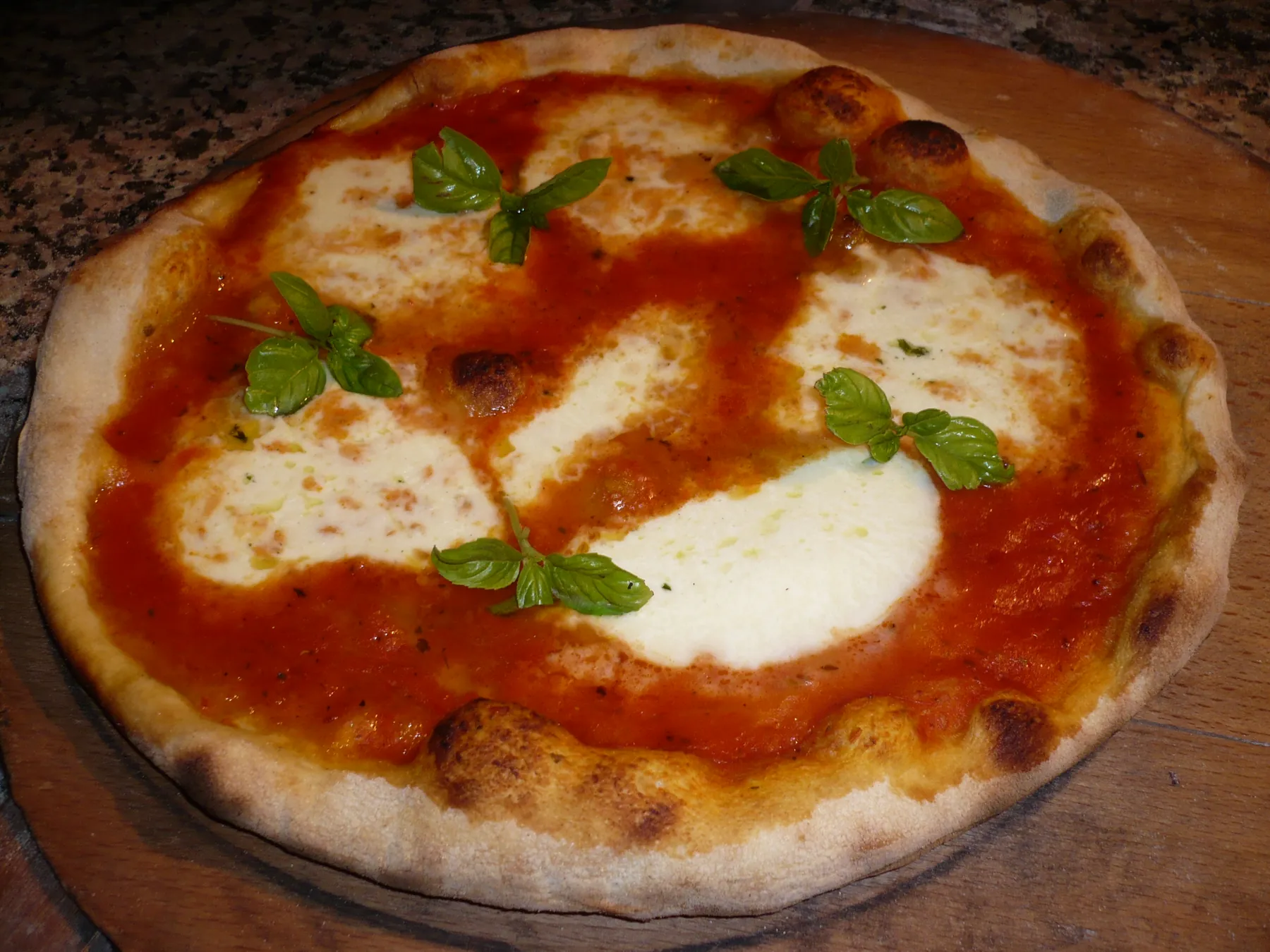
- Traditional Neapolitan pizza is known for a thin center and a soft, puffy rim.
- The raised outer edge of a pizza is commonly called the cornicione.
- Neapolitan pizza dough traditionally relies on wheat flour, water, salt, and yeast.
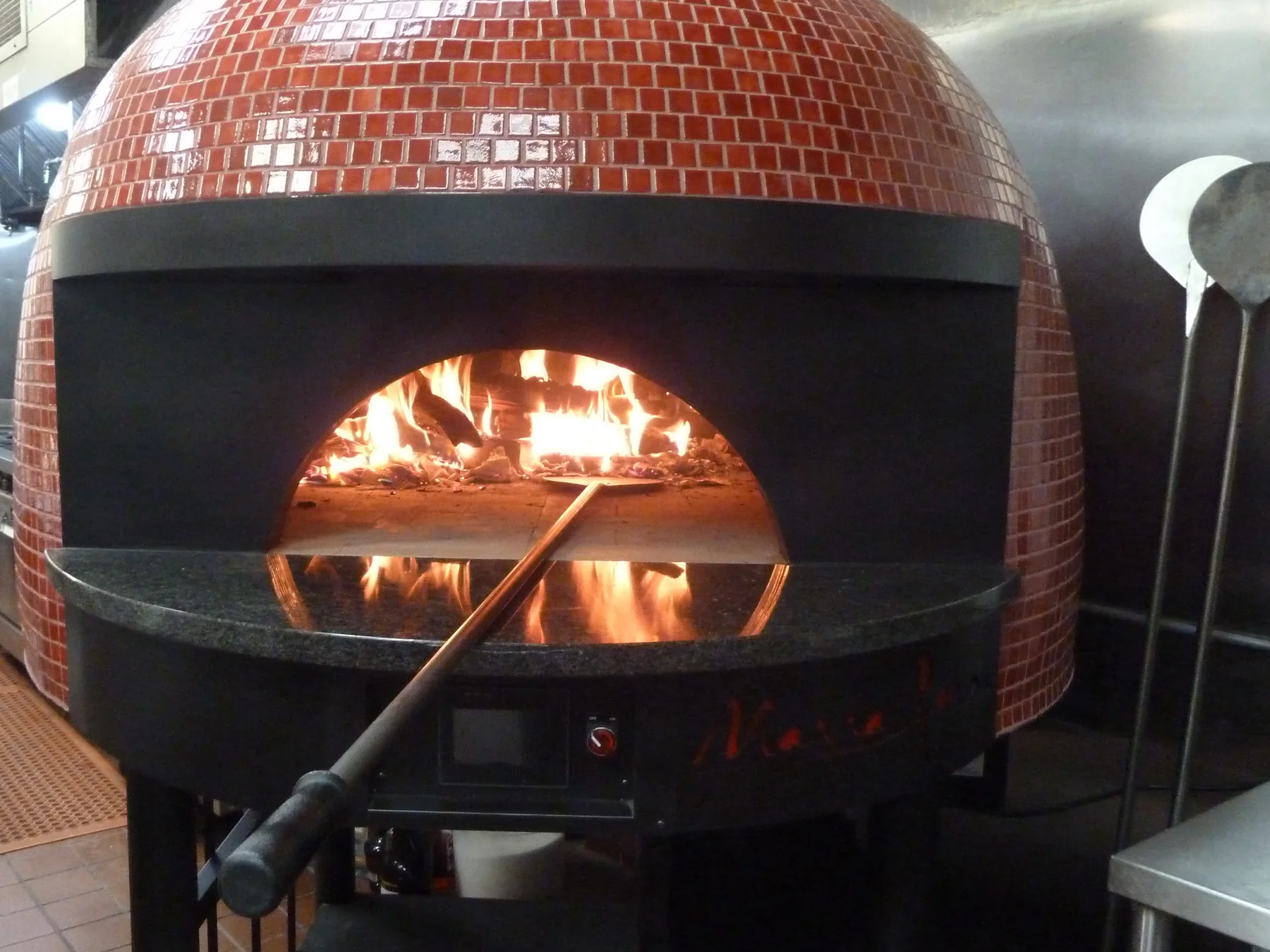
- Classic Neapolitan pizza is baked at extremely high temperatures for a very short time.
- Wood-fired ovens are strongly associated with traditional Neapolitan pizza making.
- A very hot oven can puff the crust before the center has time to dry out.
- Small dark spots on a Neapolitan crust can come from rapid high-temperature baking.
- The pizza maker rotates the pizza during baking to expose it evenly to intense oven heat.
- UNESCO recognizes the Art of Neapolitan Pizzaiuolo as intangible cultural heritage.
- UNESCO added that tradition to its Representative List in 2017.
- UNESCO describes the tradition as including distinct phases of dough preparation and baking.
- The UNESCO-recognized practice originated in Naples and is passed between generations.
- The word pizzaiuolo refers to a pizza maker in the Neapolitan tradition.
- Traditional pizza making in Naples is treated as craft knowledge, not simply a recipe.
- You can read UNESCO’s description of the tradition on its official heritage page.
Margherita, marinara, and classic styles
- Pizza Margherita is traditionally topped with tomato, mozzarella, and basil.
- Its red, white, and green colors are often associated with the Italian flag.
- A popular story links Pizza Margherita to Queen Margherita of Savoy in 1889.
- Historians debate how much of the famous Margherita origin story is literal fact versus later legend.
- Pizza marinara traditionally contains tomato, garlic, oregano, and olive oil.
- Despite its name, classic pizza marinara normally contains no seafood.
- The marinara name is traditionally connected with mariners and the food culture around Naples.
- Mozzarella made from water-buffalo milk is prized on some traditional Italian pizzas.
- Cow’s-milk mozzarella is also widely used on pizza throughout Italy and beyond.
- Fresh mozzarella releases more moisture during baking than low-moisture mozzarella.
- Low-moisture mozzarella is especially common on many American pizza styles.
- Olive oil can contribute flavor, browning, and tenderness depending on the dough formula.
- Fresh basil is often added before or after baking, depending on the style and baker.
- Oregano is strongly associated with many tomato-based pizzas, especially outside Naples.
- There is no single universal pizza recipe because regional traditions developed independently.
The science of pizza dough
- Wheat flour contains proteins that can form gluten when mixed with water.
- Gluten gives pizza dough enough elasticity and strength to trap expanding gas.
- Yeast ferments sugars in dough and produces carbon dioxide.
- Carbon dioxide bubbles help make pizza crust lighter and more open inside.
- Fermentation also produces flavor compounds, not just gas.
- Longer fermentation can create a more complex flavor when temperature and dough handling are controlled.
- Salt seasons dough while also influencing gluten behavior and yeast activity.
- Water percentage strongly affects how soft, sticky, or extensible a dough feels.
- Bakers call the amount of water relative to flour the dough’s hydration.
- Higher-hydration doughs can produce an airy crumb but are often trickier to handle.
- Kneading and folding help organize the gluten network in dough.
- Resting dough allows flour to hydrate and can make stretching easier.
- Cold fermentation slows yeast activity and lets dough develop over a longer period.
- Overproofed dough can lose strength because its structure becomes too weak to hold gas well.
- Underproofed dough may resist stretching and produce a denser crust.
What happens inside the oven
- Pizza crust rises rapidly at the beginning of baking as gases expand in the heat.
- Water inside dough turns to steam and contributes to expansion.
- As the crust heats, starches gelatinize and help set its internal structure.
- Proteins also firm during baking, helping the crust keep its final shape.
- The Maillard reaction contributes many roasted flavors and brown colors on pizza crust.
- Caramelization can also contribute to browning when sugars reach sufficiently high temperatures.
- A baking stone stores heat and transfers it rapidly into the bottom of a pizza.
- A pizza steel usually transfers heat even faster than a stone.
- Home ovens usually operate at much lower temperatures than traditional Neapolitan pizza ovens.
- Preheating a stone or steel gives it time to store enough energy for better bottom browning.
- Too much wet topping can slow browning and leave the center softer than intended.
- Cheese browns when heat drives off moisture and triggers browning reactions on its surface.
- Cheese can separate into oil and solids if overheated or if its composition encourages separation.
- Pizza screens, pans, stones, steels, and oven floors each produce different crust textures.
- Changing oven temperature can completely change a pizza even when the dough recipe stays identical.
Pizza in the United States
- Italian immigrants helped establish pizza businesses in American cities during the late 19th and early 20th centuries.
- New York became one of America’s most influential pizza cities.
- New York-style pizza is generally known for large, thin, foldable slices.
- Many New York slices use low-moisture mozzarella rather than fresh mozzarella.
- Chicago developed several distinctive pizza traditions, including deep-dish and tavern-style pies.
- Chicago deep-dish pizza is baked in a high-sided pan and can hold generous layers of toppings.
- Chicago tavern-style pizza is usually thin, crisp, and cut into squares.
- Detroit-style pizza is baked in a rectangular pan and is known for a crisp, cheesy edge.
- Detroit-style pizza commonly places cheese all the way to the edge of the pan.
- New Haven-style apizza is associated with Connecticut and often has a thin, charred crust.
- The word “apizza” reflects the pronunciation associated with Neapolitan dialect influence.
- St. Louis-style pizza is known for a very thin crust and square-cut pieces.
- California-style pizza became known for creative toppings and produce-forward combinations.
- Pizza is now sold by independent shops, national chains, grocery stores, food trucks, and restaurants.
- The USDA treats pizza as its own mixed-dish category in national dietary intake research.
Pizza toppings and ingredients
- Pepperoni is an American-style cured sausage rather than a traditional Italian pizza topping from Naples.
- The Italian word peperoni, with one p after the first e, refers to peppers.
- Mushrooms lose substantial water as they cook, which can affect a pizza’s surface moisture.
- Onions become sweeter as heat breaks down and transforms some of their flavor compounds.
- Fresh tomatoes contain much more water than concentrated pizza sauce.
- Tomato sauce contributes acidity that balances rich cheese and fatty toppings.
- Mozzarella is popular on pizza partly because it melts smoothly and stretches well.
- Parmesan and Pecorino Romano are often used in smaller amounts for concentrated savory flavor.
- Anchovies add strong saltiness and umami to pizza.
- Olives can add saltiness, bitterness, and fruity flavor depending on the variety.
- Pineapple on pizza became strongly associated with Hawaiian pizza, which was developed in Canada.
- Hawaiian pizza traditionally combines pineapple with ham or another cured pork topping.
- Hot honey has become a popular modern pizza finishing ingredient in the United States.
- Leafy herbs such as basil can scorch quickly in an extremely hot oven.
- Some toppings are added after baking so their texture, freshness, or aroma is preserved.
Pizza nutrition facts
- Pizza’s nutrition varies dramatically with crust thickness, portion size, cheese, sauce, and toppings.
- Cheese contributes protein and calcium as well as saturated fat and sodium.
- Tomato sauce can contribute vitamin C, potassium, and carotenoids such as lycopene.
- Cooking tomatoes makes lycopene easier for the body to absorb in many preparations.
- Whole-grain crust can provide more dietary fiber than refined white-flour crust.
- Vegetable toppings can add fiber, vitamins, minerals, and plant compounds.
- Cured meats can increase a pizza’s sodium and saturated-fat content.
- Portion size matters because a single large slice can contain far more food than a small slice.
- Thin crust does not automatically mean lower calories because toppings and serving size still matter.
- Deep-dish pizza can be more energy-dense because of its larger amounts of crust, cheese, and fillings.
- USDA FoodData Central contains nutrient data for numerous pizza products and preparations.
- The USDA has specifically sampled cheese and pepperoni pizzas from major restaurant chains for nutrient analysis.
- In USDA research, pizza is an important source of tomato consumption in meals eaten away from home.
- You can compare pizza nutrition using the USDA’s FoodData Central database.
- There is no single calorie count that accurately represents every kind of pizza.
Pizza around the world
- Pizza has been adapted to local tastes on every inhabited continent.
- Brazilian pizzerias are known for an enormous range of savory and sweet toppings.
- Japanese pizzas may feature ingredients such as corn, mayonnaise, seafood, or teriyaki-style flavors.
- Indian pizzas may use paneer, tandoori flavors, chilies, and other regional ingredients.
- Turkish pide is a separate flatbread tradition, though it is sometimes casually compared with pizza.
- France’s tarte flambée is another distinct topped-flatbread tradition rather than simply French pizza.
- Argentina has a particularly strong pizza culture shaped partly by Italian immigration.
- Buenos Aires is famous for thick, cheese-heavy pizza styles.
- Roman pizza includes multiple traditions, from thin round pies to rectangular pizza al taglio.
- Pizza al taglio means pizza “by the cut” and is commonly sold by weight or portion.
- Sicilian pizza traditions differ from Neapolitan pizza and often use thicker dough.
- American “Sicilian” pizza developed its own identity and is not identical to every Sicilian tradition.
- Frozen pizza helped make the dish convenient for home kitchens during the 20th century.
- Delivery helped turn pizza into one of the most portable restaurant meals.
- Pizza’s adaptable format lets cooks combine local ingredients with a recognizable basic structure.
Surprising pizza facts and kitchen tips
- Stretching dough by hand preserves gas bubbles better than aggressively crushing it with a rolling pin.
- Room-temperature dough is usually easier to stretch than dough used straight from a cold refrigerator.
- Flour, semolina, or another dry material can help prevent raw dough from sticking to a pizza peel.
- Too much loose flour on a peel can burn and taste bitter in a very hot oven.
- A peel is the broad tool used to launch and retrieve pizzas from an oven.
- Pizza scissors are used in parts of Italy and elsewhere to cut certain styles cleanly.
- Leftover pizza should be refrigerated promptly rather than left at room temperature for many hours.
- Reheating pizza in a skillet can crisp the bottom while warming the toppings gently.
- Pizza can be savory or sweet, although sweet pizzas are usually modern variations rather than classic Neapolitan styles.
- For another delicious food rabbit hole, explore our fun facts about chocolate, coffee facts, and ice cream facts.
Quick pizza FAQ
Where was modern pizza invented?
Modern pizza is most closely associated with Naples, Italy, where tomato-topped flatbreads developed into recognizable pizza traditions during the 18th and 19th centuries.
What is a classic Margherita pizza?
A traditional Margherita is made with tomato, mozzarella, and basil, creating the red, white, and green combination associated with Italy.
Why does pizza dough rise?
Yeast ferments sugars and releases carbon dioxide. The dough’s gluten network traps much of that gas, creating bubbles that expand further in the oven.
Is pizza marinara made with seafood?
No. Traditional pizza marinara is usually topped with tomato, garlic, oregano, and olive oil, despite the sea-related name.
Why does restaurant pizza taste different from home pizza?
Commercial and traditional pizza ovens can reach temperatures far above many home ovens. That intense heat changes browning, crust expansion, moisture loss, and baking time.

Ellie is the owner and sole author of Fun Facts, combining her mechanical engineering background with years of research-driven writing to deliver facts you can trust. Every article is thoroughly fact-checked and routinely updated as new science and sources emerge to keep information accurate and current. Her mission is to make learning delightful while upholding high standards of reliability and transparency.