
Viruses sit in an awkward biological gray zone. They carry genetic information and evolve, but they cannot reproduce independently, do not have ordinary cells, and must hijack living hosts to make more copies. Some cause devastating disease, while others quietly shape ecosystems and evolution.
Viruses are not cells
- Viruses are acellular infectious agents.
- They are much smaller than most bacteria.
- A complete virus particle outside a host cell is called a virion.
- Viruses contain genetic material.
- The viral genome can be DNA or RNA.
- Some viruses have single-stranded genomes.
- Others have double-stranded genomes.
- Viral genomes can be linear, circular, or segmented.
- A protein coat called a capsid surrounds the genome.
- Capsids are built from repeating protein subunits.
- Some viruses also have lipid envelopes.
- Viral envelopes usually come from host-cell membranes.
- Envelope proteins help viruses attach to target cells.
- Viruses do not contain ordinary cellular machinery for independent metabolism.
- They do not make ATP on their own in the way living cells do.
- They cannot reproduce without a host cell.
- Viruses use host ribosomes to make viral proteins.
- This dependence is why they are called obligate intracellular parasites.
- Whether viruses should be considered alive depends partly on how life is defined.
- A virus is basically genetic information wrapped in protein, sometimes wearing a stolen membrane coat, waiting for a compatible cell to do the manufacturing.
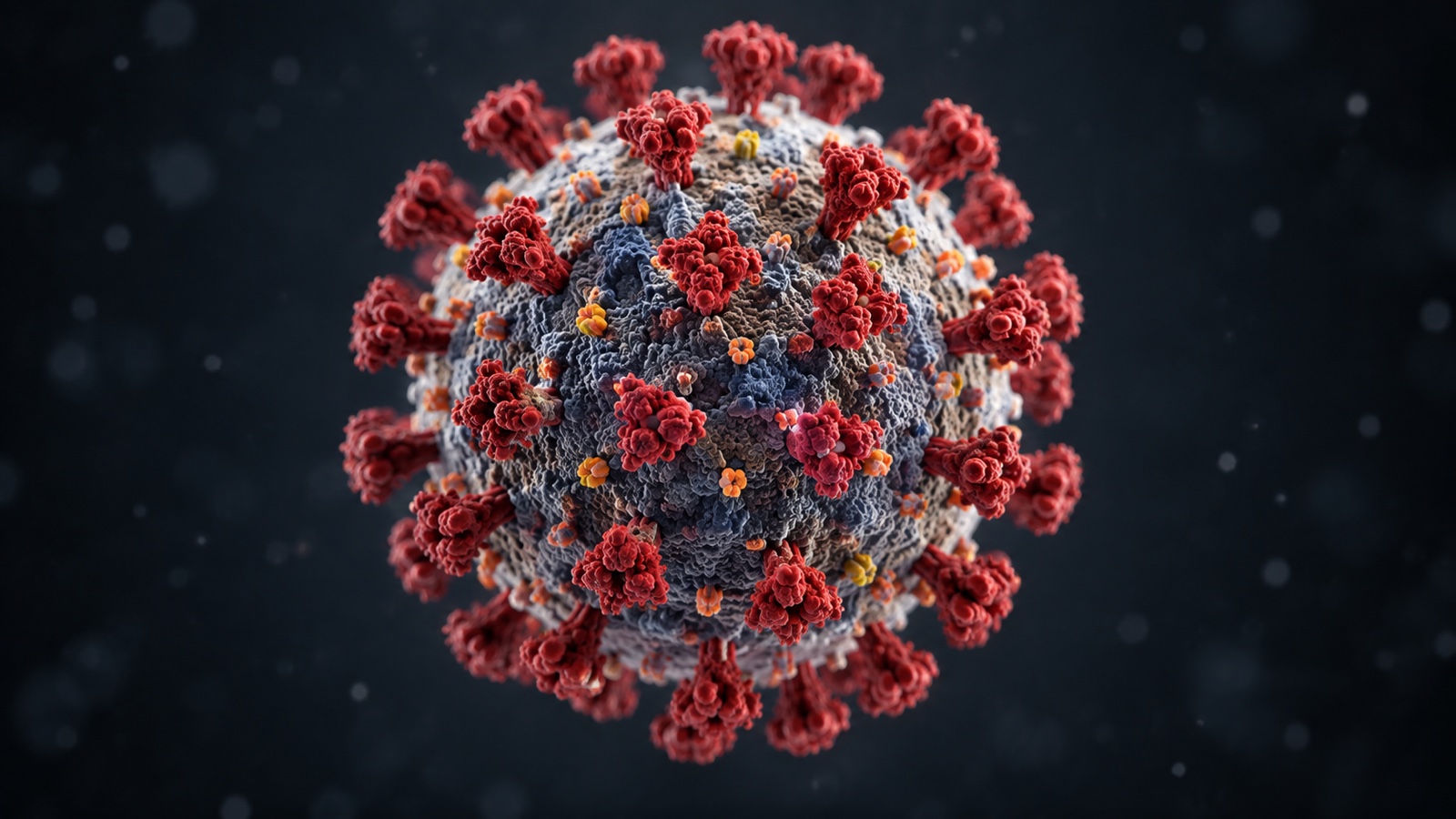
Viruses come in astonishingly different shapes
- Some viruses have roughly spherical shapes.
- Others are rod shaped.
- Some have complex head-and-tail structures.
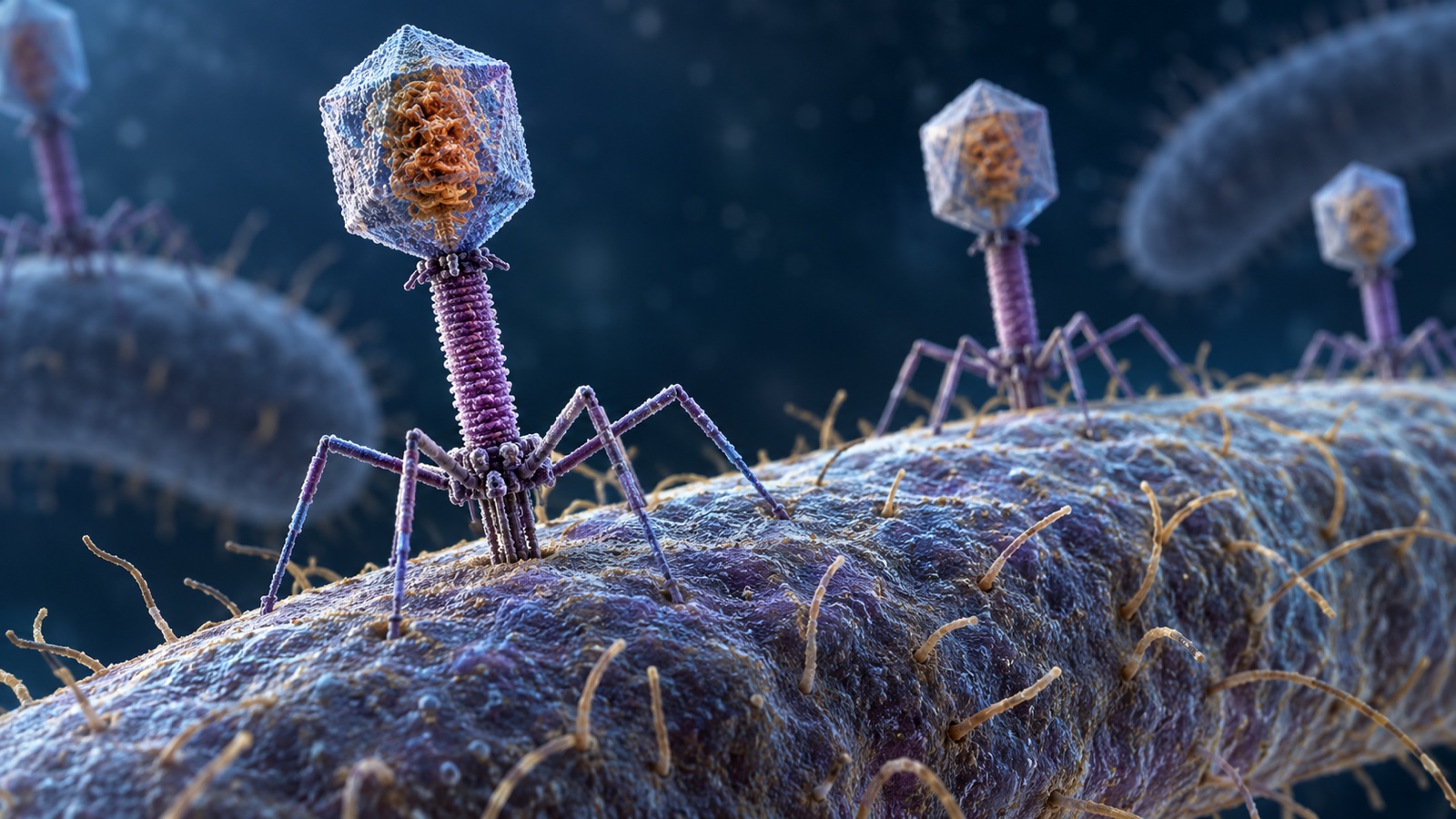
- Bacteriophages are viruses that infect bacteria.
- Many bacteriophages look like microscopic lunar landers.
- Icosahedral capsids use repeating triangular geometry.
- Helical capsids arrange proteins around the viral genome.
- Influenza viruses have envelopes.
- Coronaviruses also have envelopes.
- The coronavirus name refers to crown-like projections visible under electron microscopy.
- Those projections are spike proteins.
- Spike proteins help coronaviruses bind host-cell receptors.
- Different viruses recognize different cellular receptors.
- Receptor compatibility helps determine which species or tissues a virus can infect.
- HIV targets cells carrying specific receptors including CD4.
- Rabies virus has a characteristic bullet-like shape.
- Filoviruses such as Ebola can form long filamentous particles.
- Poxviruses are unusually large and structurally complex viruses.
- Virus shape is determined by genome packaging, capsid proteins, and envelope structure.
- The word virus covers particles so structurally different that some look like spheres, some like threads, and some like tiny machines built from geometry.
A virus must enter a compatible host cell to replicate
- Viral infection begins when a virus encounters a susceptible cell.
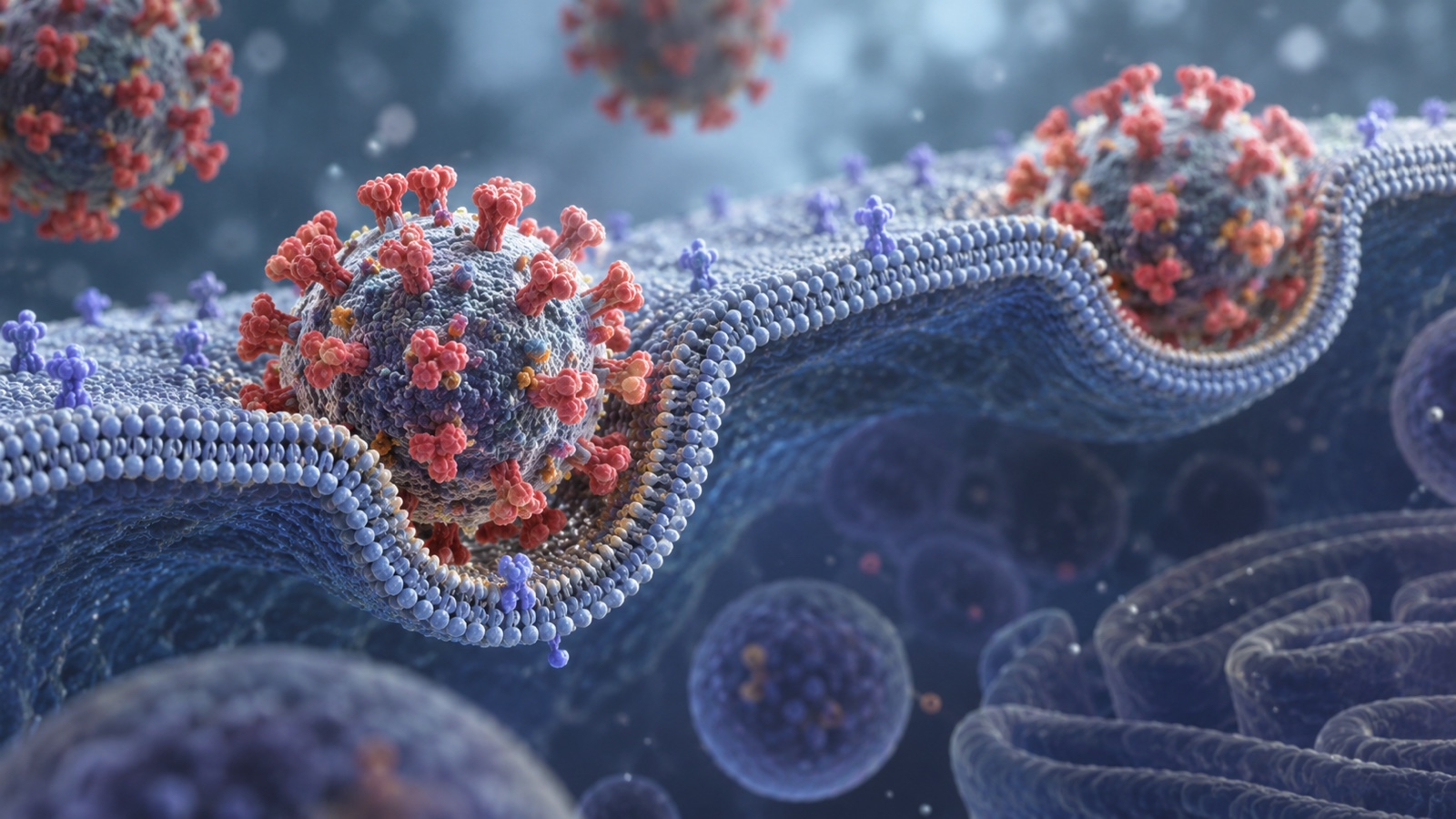
- Attachment usually involves viral proteins binding host receptors.
- Binding does not guarantee successful infection.
- The virus must also enter or deliver its genome into the cell.
- Enveloped viruses can fuse with host membranes.
- Other viruses enter through endocytosis.
- Bacteriophages can inject genetic material into bacterial cells.
- Once inside, viral genomes redirect cellular machinery.
- Some viral genomes can be translated immediately.
- Others must first be copied into messenger RNA.
- DNA viruses often rely on host or viral DNA polymerases.
- RNA viruses often use RNA-dependent RNA polymerases.
- Retroviruses use reverse transcriptase.
- Reverse transcriptase copies RNA information into DNA.
- That viral DNA can integrate into the host genome.
- New viral proteins and genomes are assembled into particles.
- Some viruses leave cells by budding.
- Others cause cells to rupture.
- One infected cell can produce many new virions.
- A virus does not grow into a larger virus. Its parts are manufactured separately and assembled into new particles.
Viral genomes mutate and evolve
- Viruses evolve through mutation and natural selection.
- RNA viruses often mutate faster than many DNA viruses.
- Many RNA polymerases have limited proofreading ability.
- Coronaviruses are an exception among RNA viruses because they have some proofreading capacity.
- Mutation does not automatically make a virus more dangerous.
- Most mutations are neutral or harmful to the virus.
- Some mutations improve transmission in a particular environment.
- Natural selection favors variants that reproduce successfully.
- Influenza viruses can undergo antigenic drift.
- Antigenic drift involves gradual genetic changes over time.
- Influenza A can also undergo antigenic shift.
- Antigenic shift can occur when segmented influenza genomes reassort.
- Reassortment can create viruses with new combinations of genome segments.
- Recombination can also generate viral genetic diversity.
- Immune pressure can favor variants that partially escape existing immunity.
- Host-species changes create new evolutionary pressures.
- Not every animal virus can infect humans.
- A successful species jump requires compatibility across several biological barriers.
- Viral evolution can be tracked by comparing genome sequences.
- A viral family tree can be reconstructed from tiny sequence differences that accumulate as transmission chains continue.
Viruses can become latent or persistent
- Not every viral infection is brief and self-limited.
- Some viruses establish long-term persistent infections.
- Herpesviruses can enter latent states.
- Latent viruses remain in cells without continuously producing large amounts of virus.
- Herpes simplex virus can reactivate after latency.
- Varicella-zoster virus causes chickenpox during initial infection.
- The same virus can later reactivate as shingles.
- Epstein-Barr virus can persist for life after infection.
- HIV establishes a chronic infection without treatment.
- Hepatitis B can become chronic in some infected people.
- Hepatitis C commonly becomes chronic when untreated.
- Persistent viral infections can increase long-term disease risks.
- Some viruses can integrate genetic material into host DNA.
- Retroviral integration can make viral sequences permanent parts of infected-cell genomes.
- Ancient retroviral infections also left DNA in the human germline.
- Roughly 8 percent of the human genome is derived from ancient endogenous retrovirus sequences.
- Most endogenous retroviral sequences can no longer form infectious viruses.
- Some have been repurposed during mammalian evolution.
- Viral-derived genes contribute to processes including placental biology.
- Humans are carrying molecular fossils of infections that happened to ancestors millions of years before our species existed.
The immune system uses multiple strategies against viruses
- Innate immune defenses respond rapidly to viral infection.
- Cells can detect unusual viral nucleic acids.
- Interferons are important antiviral signaling proteins.
- Interferons can make nearby cells more resistant to viral replication.
- Natural killer cells can destroy some virus-infected cells.
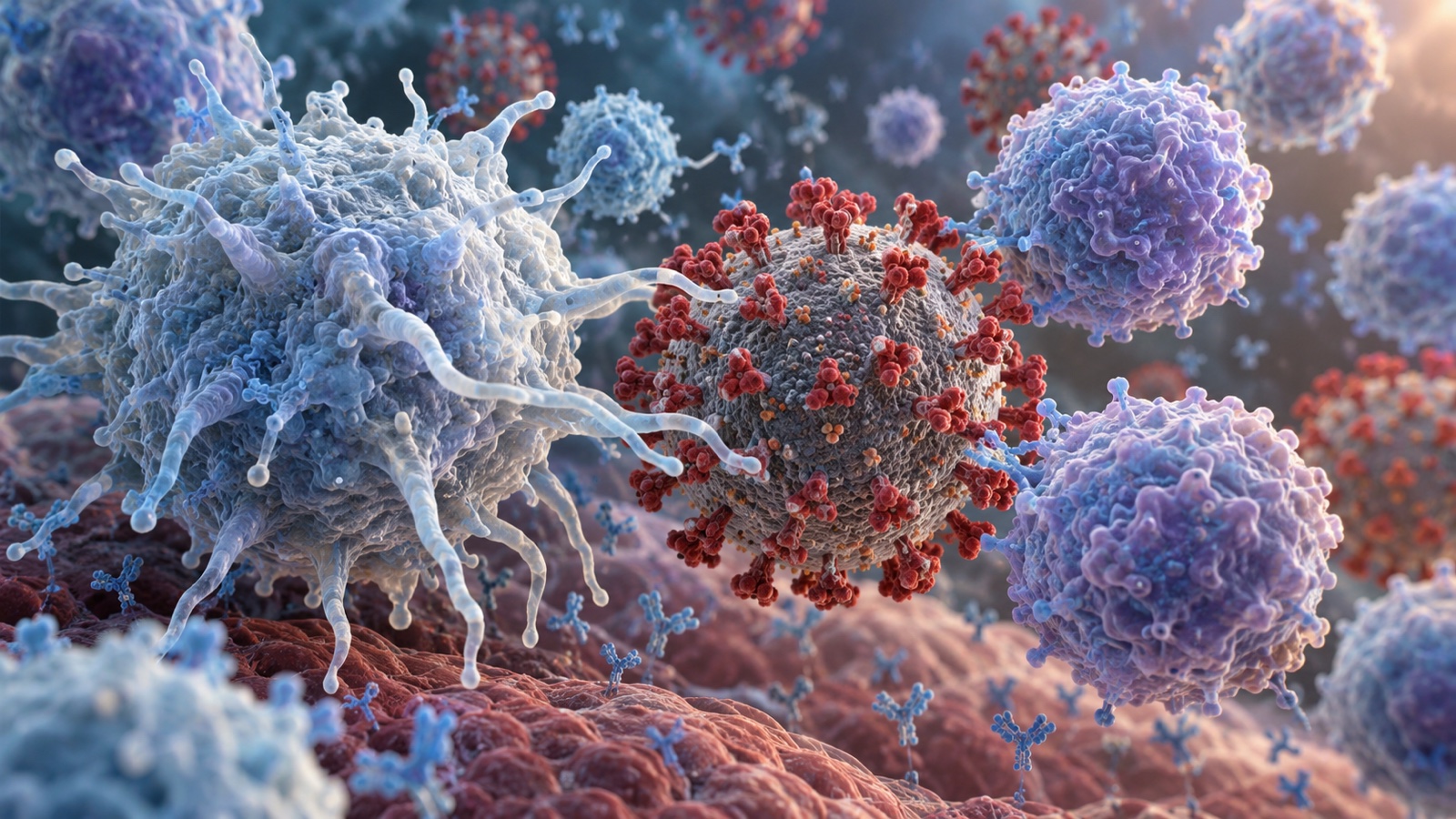
- Cytotoxic T cells kill infected cells displaying viral antigens.
- Antibodies can bind viral particles outside cells.
- Neutralizing antibodies can block viruses from entering target cells.
- Antibodies can also tag viruses for immune clearance.
- Memory B cells support rapid antibody responses after re-exposure.
- Memory T cells can respond quickly to infected cells.
- Vaccines can build antiviral immune memory.
- Some antiviral drugs block viral enzymes.
- Others prevent viral entry, replication, processing, or release.
- Antibiotics do not treat viral infections.
- Using antibiotics for ordinary viral illness does not shorten the viral infection.
- Antibiotics may still be needed if a secondary bacterial infection develops.
- Antiviral treatment works best when matched to a specific virus or viral process.
- Viruses hide partly by replicating inside the body's own cells.
- The immune system therefore has to destroy infected cells selectively while limiting damage to surrounding healthy tissue.
Viruses shape ecosystems as well as human disease
- Viruses infect organisms in every major domain of life.
- Ocean water contains enormous numbers of viral particles.
- Marine viruses infect bacteria, archaea, algae, and other organisms.
- Viral killing of microbes releases nutrients back into aquatic ecosystems.
- This process influences carbon and nutrient cycling.
- Bacteriophages help regulate bacterial populations.
- Phages can transfer genes between bacteria.
- Some phages are being studied as treatments for antibiotic-resistant bacterial infections.
- This approach is called phage therapy.
- Viruses also influence evolution by moving genes among organisms.
- Some viruses infect plants and reduce crop yields.
- Other viruses are engineered as tools in biotechnology.
- Modified viruses can deliver genes into cells.
- Viral vectors are used in some gene therapies.
- Adeno-associated virus is one commonly used gene-therapy vector.
- Engineered viruses are also used in vaccines.
- Oncolytic viruses are designed or selected to infect and damage cancer cells.
- Researchers use viruses as tools for studying genes and cell biology.
- Viruses can be destructive pathogens and useful biological tools depending on context.
- A thing small enough to be invisible to ordinary microscopes can alter global carbon cycling, move genes, kill bacteria, cause pandemics, and deliver therapeutic DNA.
Prevention, survival and 5 final virus facts
- Enveloped viruses are often more vulnerable to soap and detergents because these substances can disrupt their lipid envelopes.
- Nonenveloped viruses can sometimes survive drying and environmental exposure better than enveloped viruses.
- Virus survival outside a host varies enormously by virus, surface, temperature, humidity, sunlight, and other conditions.
- Handwashing, vaccination, ventilation, masks in appropriate settings, safer sex, vector control, and food hygiene prevent different viral infections through different routes.
- After 145 facts, viruses look less like tiny generic germs and more like an enormous category of genetic parasites that blur definitions of life while influencing medicine, evolution, ecosystems, biotechnology, and nearly every branch of biology.
Quick FAQ
Q: Are viruses alive?
A: There is no universal answer because viruses evolve and carry genetic information but cannot reproduce or maintain metabolism independently.
Q: Are viruses cells?
A: No. Viruses are acellular particles made from genetic material, protein, and sometimes a lipid envelope.
Q: Do antibiotics kill viruses?
A: No. Antibiotics target bacterial biology, not viral replication.
Q: Can a virus stay in the body for life?
A: Yes. Herpesviruses, HIV, and some hepatitis viruses can establish long-term persistent or latent infections.
Q: Can viruses be useful?
A: Yes. Engineered viruses are used in research, vaccines, gene therapy, cancer treatment, and experimental phage-based medicine.

Ellie is the owner and sole author of Fun Facts, combining her mechanical engineering background with years of research-driven writing to deliver facts you can trust. Every article is thoroughly fact-checked and routinely updated as new science and sources emerge to keep information accurate and current. Her mission is to make learning delightful while upholding high standards of reliability and transparency.