
Sandwiches are less a recipe than a permission slip. Put food between bread, fold it into bread, stack it on a roll, toast it, press it, drown it in sauce, or argue that an open-faced version still counts, and suddenly lunch becomes a philosophy problem.
The sandwich idea is much older than the name
- Humans ate bread with fillings long before the word sandwich existed.
- Flatbreads have wrapped meat, vegetables, and sauces for thousands of years.
- Ancient cultures used bread as plates and utensils.
- The modern English name is linked to John Montagu.
- Montagu was the fourth Earl of Sandwich.
- He lived in 18th-century Britain.
- Stories say he ordered meat between bread to avoid interrupting other activities.
- The exact details of the famous gambling story are debated.
- His title came from Sandwich, a town in Kent.
- Other diners reportedly began ordering “the same as Sandwich.”
- The word spread quickly through English dining culture.
- The concept was never actually invented by one aristocrat.
- What changed was the name and social popularity.
- Sandwiches became practical travel food.
- They also became convenient workplace meals.
- Industrial sliced bread made home sandwiches easier.
- Commercial lunch counters helped popularize them further.
- Refrigeration expanded safe filling options.
- Packaged deli meats increased convenience.
- The Earl of Sandwich mostly got naming rights to an idea humans had already been eating for a very long time.
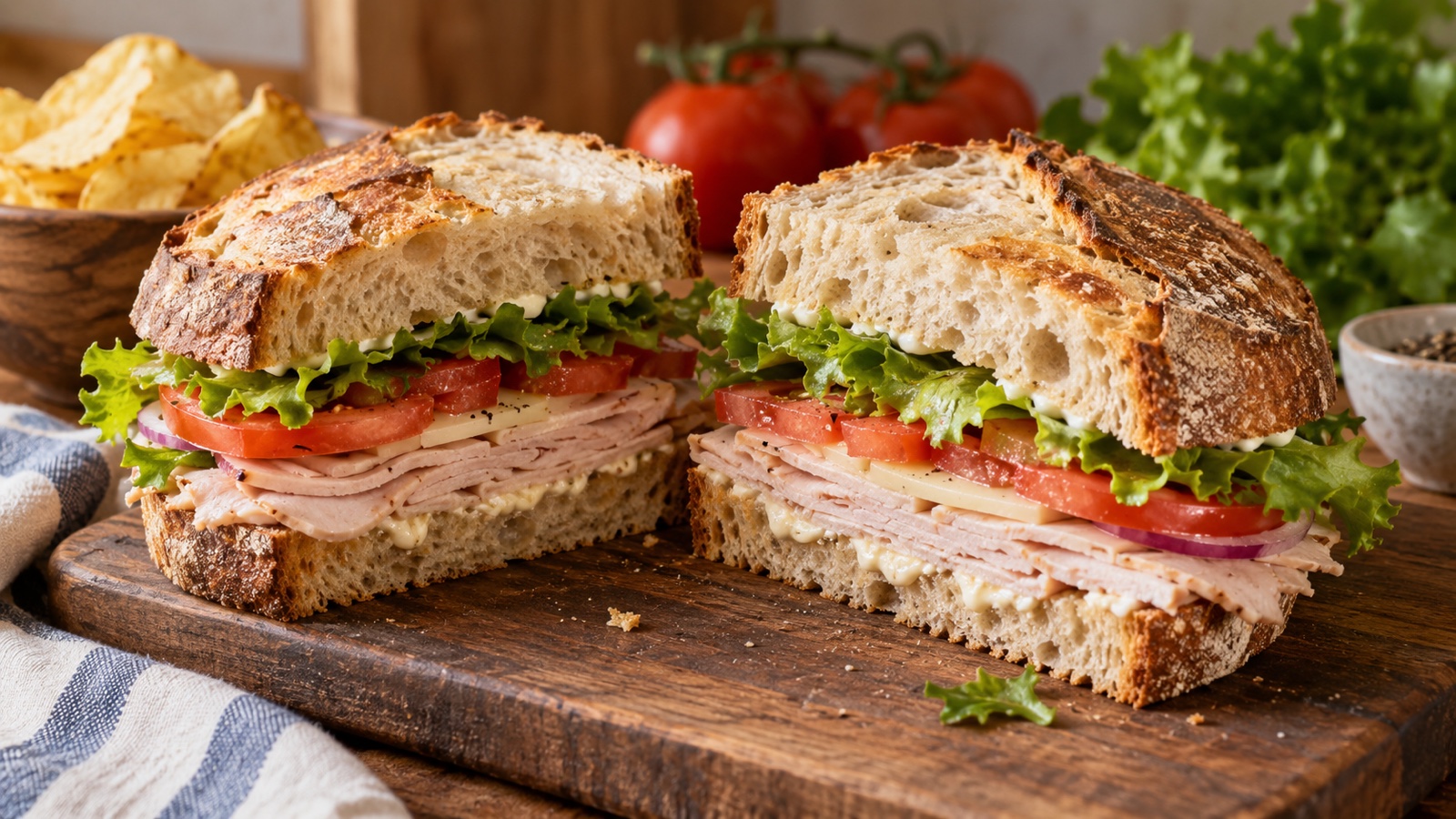
Bread determines more of the sandwich than people admit
- White sandwich bread is soft and mildly flavored.
- Whole-wheat bread adds more fiber and nuttiness.
- Rye bread pairs strongly with cured meats.
- Sourdough adds acidity and chew.
- Brioche adds sweetness and richness.
- Ciabatta has an open crumb and chewy crust.
- Baguettes create crisp crust and dense chew.
- Sub rolls are designed for long layered sandwiches.
- Hoagie rolls are a related regional style.
- Hero rolls are another regional name.
- Tortas often use Mexican bolillo or telera rolls.
- Bagels create dense chewy sandwiches.
- English muffins are common breakfast-sandwich breads.
- Croissants add laminated buttery layers.
- Pitas create pocket sandwiches.
- Wraps use thin flatbreads or tortillas.
- Toasting makes bread more resistant to wet fillings.
- Butter can create a moisture barrier.
- Mayonnaise can also slow sogginess when spread strategically.
- A sandwich with bad bread is mostly a collection of good ingredients trapped in disappointing architecture.
Layer order changes texture and structural stability
- Wet ingredients make bread soggy over time.
- Tomatoes release significant moisture.
- Pickles can also wet bread surfaces.
- Cheese can act as a moisture barrier.
- Lettuce can separate bread from wet fillings.
- Spreads can waterproof bread temporarily.
- Dense fillings should be distributed evenly.
- Uneven filling makes bites inconsistent.
- Overstuffing increases squeeze-out.
- Cutting direction changes eating experience.
- Diagonal cuts create pointed corners.
- Triangles expose more filling along the cut edge.
- Rectangles are easier to stack in lunch boxes.
- Toothpicks stabilize tall sandwiches.
- Club sandwiches are commonly secured before cutting.
- Pressing compresses ingredients into a cohesive layer.
- Panini grills heat both sides simultaneously.
- Melted cheese functions as edible glue.
- Crunchy ingredients add contrast to soft fillings.
- Sandwich construction is basically civil engineering with mustard.
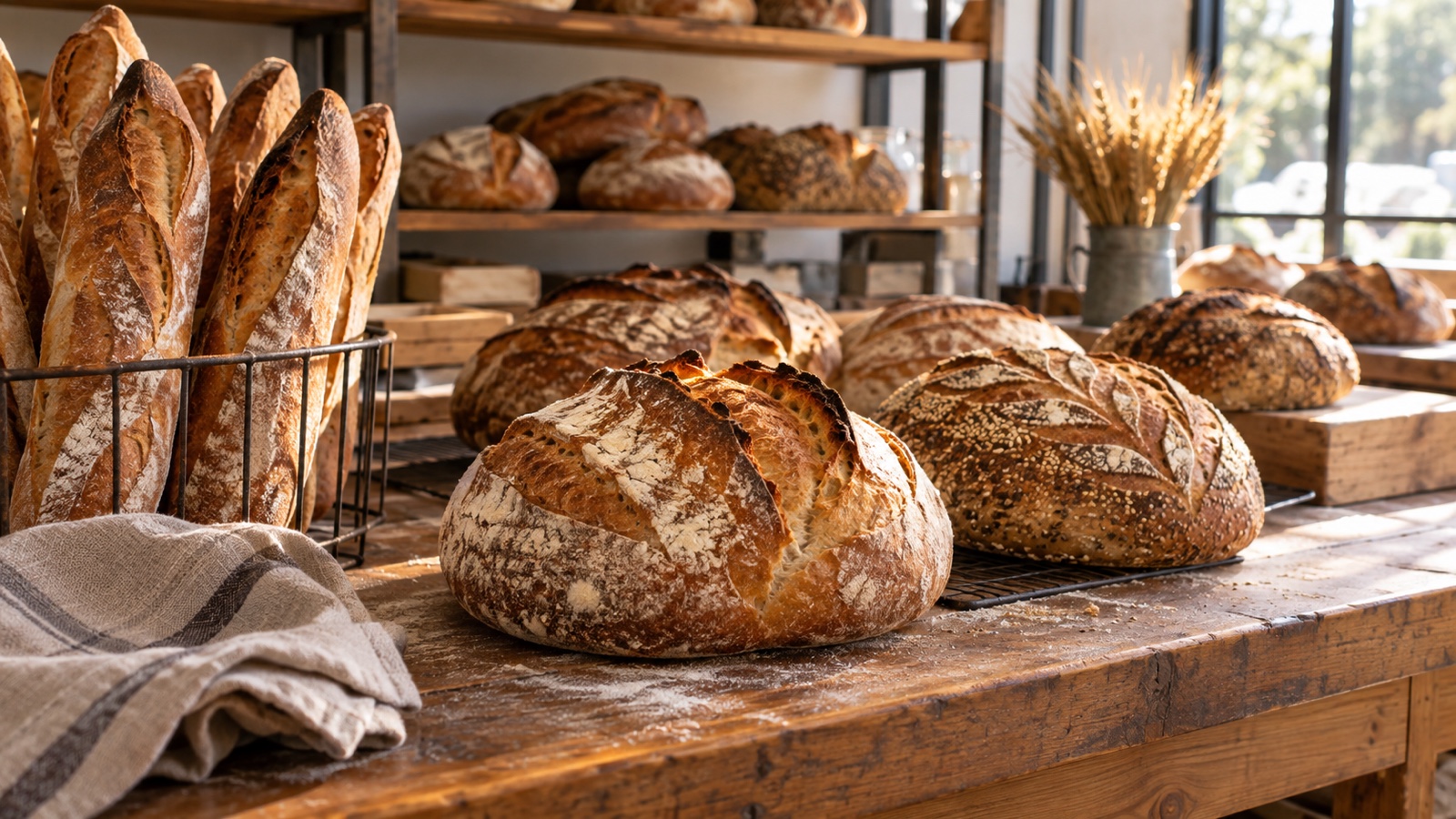
American sandwich styles have strong regional identities
- The club sandwich traditionally uses multiple bread layers.
- Turkey, bacon, lettuce, tomato, and mayonnaise are common club fillings.
- The BLT centers on bacon, lettuce, and tomato.
- Grilled cheese relies on melted cheese between toasted bread.
- Adding meat can turn grilled cheese into a melt by some definitions.
- The Reuben typically uses corned beef.
- Sauerkraut adds acidity.
- Swiss cheese adds mild nuttiness.
- Russian or Thousand Island-style dressing adds sweetness and tang.
- Rye bread is traditional.
- The Philly cheesesteak uses thinly sliced beef.
- Cheese and onions are common additions.
- Philadelphia shops argue passionately over cheese choices.
- A po'boy comes from Louisiana.
- It is usually served on crusty French-style bread.
- Fried seafood and roast beef are classic fillings.
- A muffuletta is associated with New Orleans.
- It uses a round sesame loaf and olive salad.
- Lobster rolls are associated with New England.
- American sandwich geography could be mapped almost entirely through bread shapes and regional arguments.
Global sandwich traditions go far beyond sliced bread
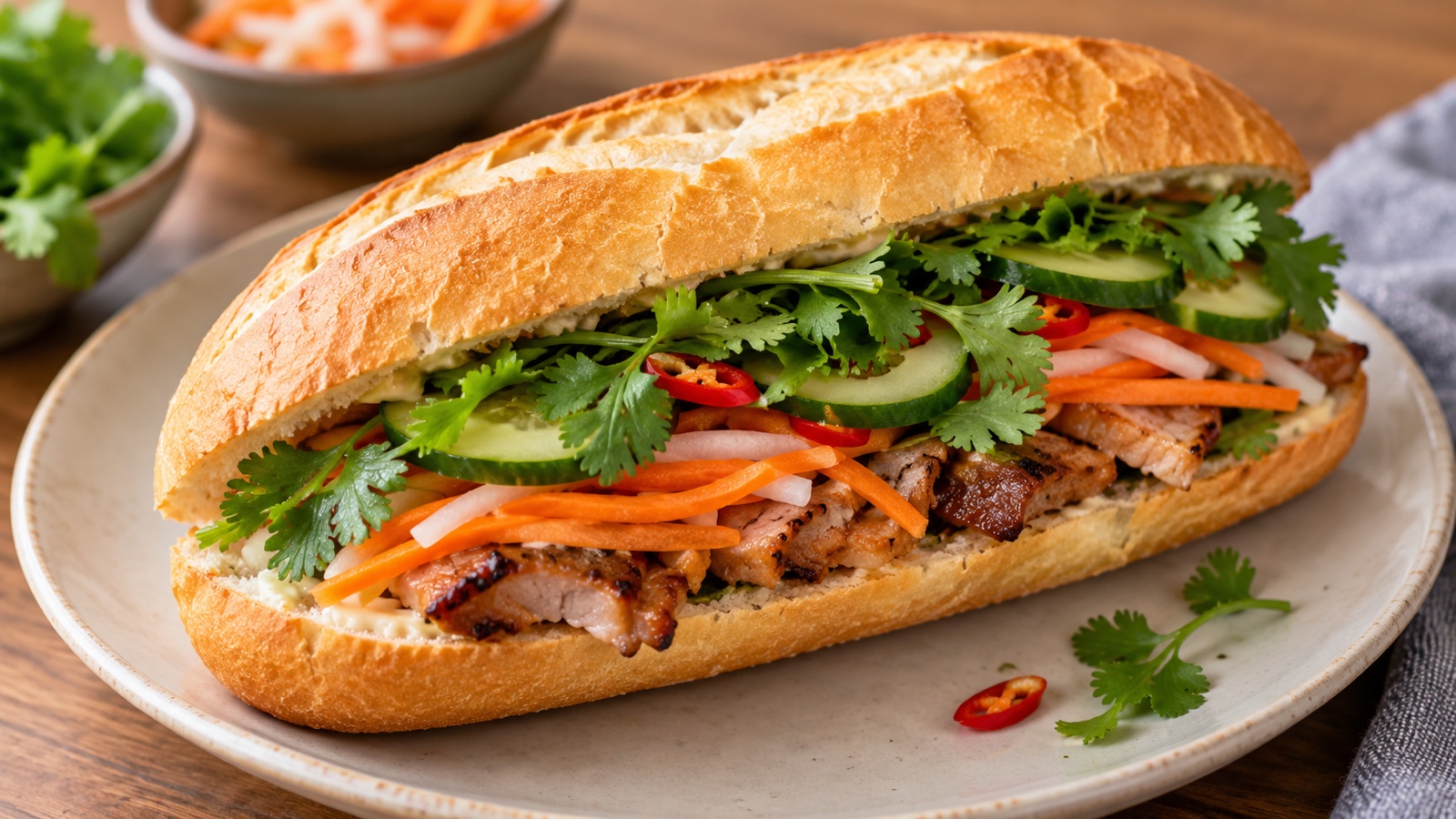
- Banh mi developed in Vietnam.
- It combines baguette traditions with Vietnamese fillings.
- Pickled vegetables add acidity and crunch.
- Cubanos layer roast pork, ham, cheese, pickles, and mustard.
- They are pressed until crisp.
- Croque monsieur is a French ham-and-cheese sandwich.
- Croque madame adds an egg.
- Japanese katsu sando uses breaded cutlets.
- Japanese fruit sandos use whipped cream and fruit.
- India has many chutney-filled grilled sandwiches.
- Vada pav sandwiches a spiced potato fritter in a roll.
- South African Gatsby sandwiches are famously enormous.
- Italian panini are pressed sandwiches.
- Tramezzini are soft triangular Italian sandwiches.
- British cucumber sandwiches are associated with afternoon tea.
- Chip butties fill buttered bread with French fries.
- Denmark's smorrebrod is open-faced.
- Open-faced sandwiches challenge purist definitions.
- Wraps challenge them from the opposite direction by eliminating separate top and bottom bread slices.
- Every culture seems capable of discovering that portable bread plus filling is an excellent idea without asking Britain for permission.
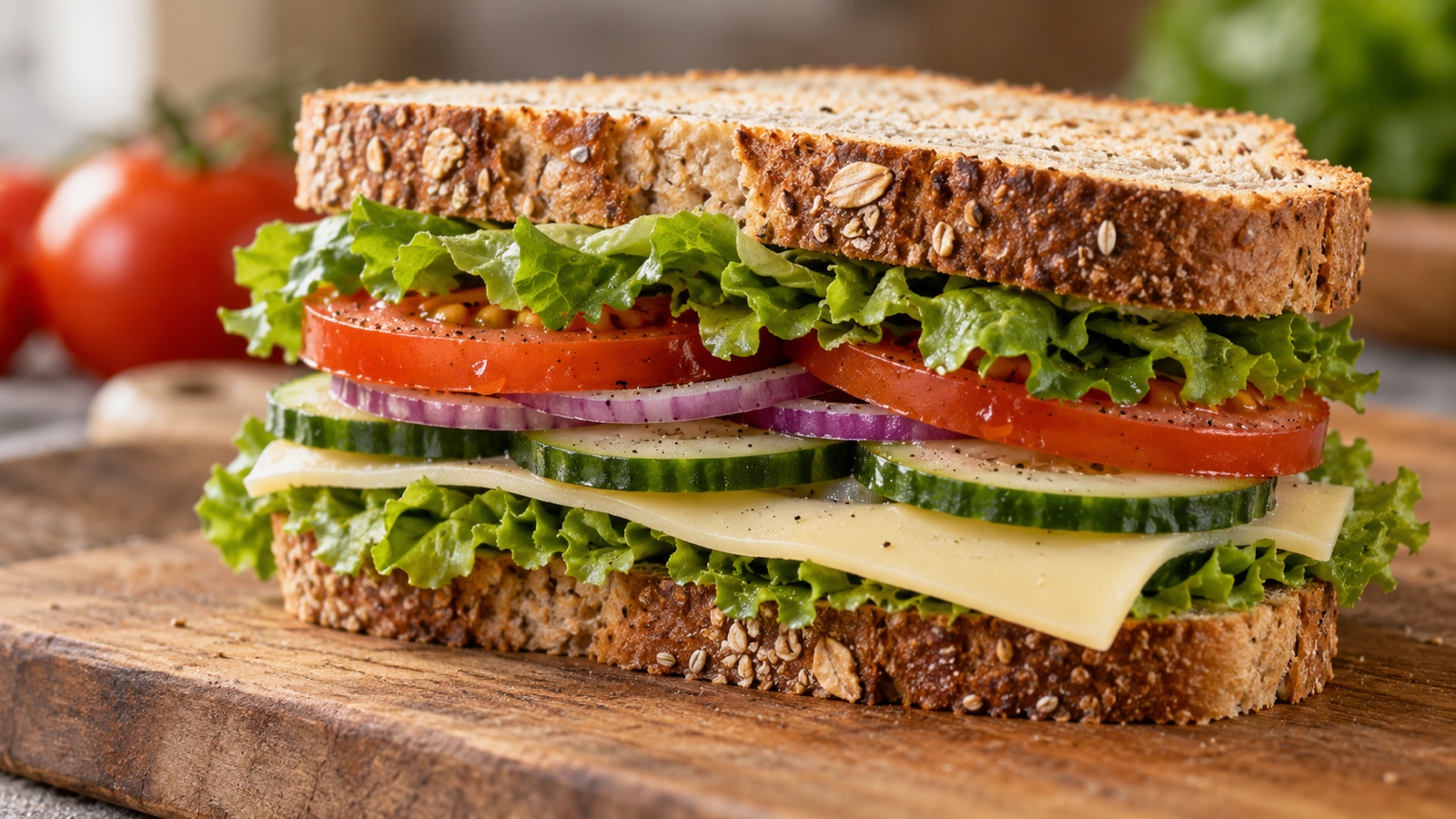
Cold sandwiches require careful food safety
- Deli meats should remain refrigerated.
- Cooked poultry also needs cold storage.
- Mayonnaise itself is acidic and commercially safe when refrigerated appropriately.
- The larger risk often comes from perishable fillings mixed into sandwiches.
- Egg salad requires refrigeration.
- Tuna salad requires refrigeration.
- Chicken salad requires refrigeration.
- Sandwiches should not remain in the temperature danger zone for extended periods.
- Insulated lunch bags help keep food cold.
- Ice packs improve temperature control.
- Hot sandwiches should remain hot until served.
- Leftover sandwiches can lose quality before becoming unsafe.
- Tomatoes make stored sandwiches soggy quickly.
- Lettuce wilts when trapped against warm fillings.
- Pack wet components separately for best texture.
- Peanut butter and jelly stores better than meat sandwiches for several hours.
- Nut-free schools may restrict peanut products.
- Allergy cross-contact matters when making shared sandwiches.
- Separate knives prevent peanut butter from contaminating other spreads.
- The safest lunchbox sandwich and the crispiest lunchbox sandwich often require the same solution: keep wet and perishable things controlled until eating time.
Classics, controversies and 25 final sandwich facts
- PB&J became a classic U.S. school lunch.
- Peanut butter contributes protein and fat.
- Jelly contributes sweetness and acidity.
- Egg sandwiches are common breakfast foods.
- Bacon-egg-and-cheese sandwiches are especially associated with New York delis and bodegas.
- Breakfast biscuits are common in the American South.
- Ice cream sandwiches use cookies or wafers instead of bread.
- Whether they “count” as sandwiches is mostly a naming game.
- Hot dogs also trigger sandwich debates.
- A bun technically surrounds a filling but remains attached on one side.
- Tacos create even more classification arguments.
- Culinary categories do not obey mathematical definitions consistently.
- Sandwich cookies use the same basic stacked format.
- Oreos are technically sandwich cookies.
- Tea sandwiches are intentionally small and delicate.
- Dagwood sandwiches are named after a comic-strip character famous for giant stacks.
- Submarine sandwiches are named for their long shape.
- “Hoagie,” “hero,” “grinder,” and “sub” vary regionally.
- A grinder may specifically imply a toasted sandwich in some regions.
- Open-faced sandwiches use one bread layer.
- Finger sandwiches are cut small for easy handling.
- Sandwich presses create crisp exteriors through direct contact.
- Weighted presses flatten ingredients and improve contact.
- Leftover roast meats often become excellent sandwiches the next day.
- After 145 facts, sandwiches feel less like lunch and more like the world's most flexible edible construction format, capable of carrying nearly every cuisine between pieces of bread.

Ellie is the owner and sole author of Fun Facts, combining her mechanical engineering background with years of research-driven writing to deliver facts you can trust. Every article is thoroughly fact-checked and routinely updated as new science and sources emerge to keep information accurate and current. Her mission is to make learning delightful while upholding high standards of reliability and transparency.