
Theodore Roosevelt lived like someone accidentally set a normal human schedule to 1.75× speed. He wrote books, boxed, hunted, ranched, led troops, became president at 42, helped conserve millions of acres, mediated a war, survived being shot, and still gave the speech before seeing a doctor.
Roosevelt transformed himself from a sickly child into an athlete
- Theodore Roosevelt was born October 27, 1858.
- He was born in New York City.
- His family was wealthy and socially prominent.
- Roosevelt suffered severe asthma as a child.
- His father encouraged physical exercise.
- Theodore built a home gym.
- He took up boxing.
- He also hiked and rode horses.
- Roosevelt became fascinated with natural history.
- He collected animal specimens as a child.
- He created a small “museum” inside his home.
- He studied animals carefully and kept detailed notes.
- Roosevelt attended Harvard College.
- He boxed while at Harvard.
- He studied natural history before shifting toward politics.
- He married Alice Hathaway Lee in 1880.
- He entered the New York State Assembly soon afterward.
- Roosevelt became known as an energetic reformer.
- His high-pitched voice surprised some listeners who expected a booming one.
- The “strenuous life” philosophy was not branding invented later. He spent most of adulthood aggressively trying to outwork the asthma of his childhood.
Two personal tragedies changed the direction of his life
- Roosevelt’s first wife gave birth to their daughter Alice in 1884.
- Two days later, Alice Lee Roosevelt died.
- Roosevelt’s mother died in the same house that day.
- Theodore marked the date in his diary with a large X.
- He wrote that the light had gone out of his life.
- Roosevelt temporarily withdrew from New York politics.
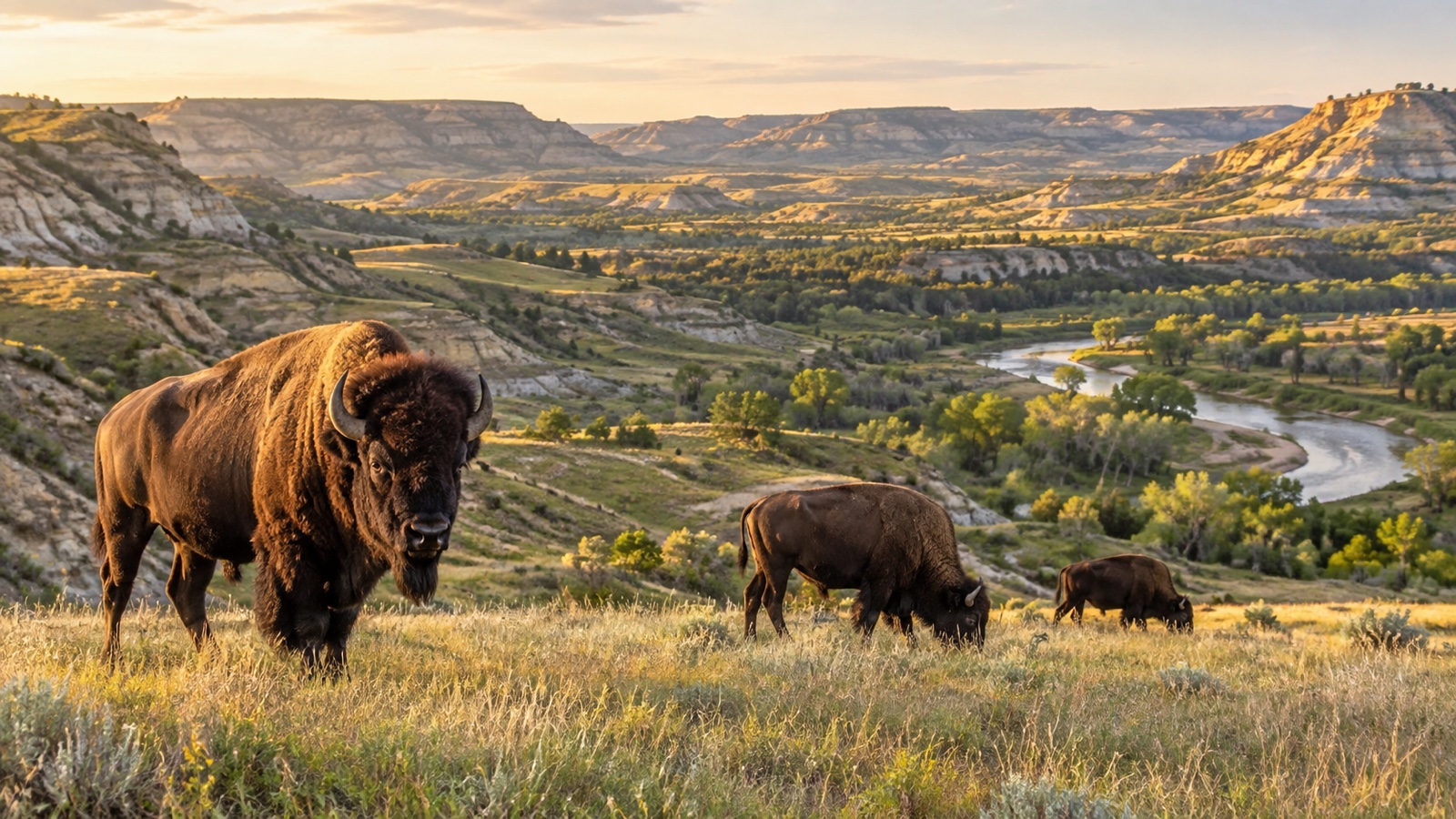
- He went west to the Dakota Territory.
- He invested in cattle ranches.
- He learned western riding and ranching.
- Roosevelt hunted buffalo and other game.
- He pursued thieves who stole his boat.
- He transported the captured men to authorities himself.
- A disastrous winter killed much of his cattle herd.
- Roosevelt eventually returned east.
- He married childhood friend Edith Kermit Carow in 1886.
- The couple had five children together.
- Edith also helped raise Alice.
- Roosevelt’s western years strengthened his conservation interests.
- He later wrote extensively about ranch life.
- The Dakota years were partly grief retreat, partly ranching experiment, and partly Theodore Roosevelt deciding emotional recovery apparently required cattle and several thousand miles of open country.
He built a reputation as a reformer before the Spanish-American War
- Roosevelt served on the U.S. Civil Service Commission.
- He pushed merit-based hiring over political patronage.
- He later became president of the New York City Police Board.
- Roosevelt sometimes toured police beats late at night.
- He wanted to see whether officers were actually working.
- He supported enforcement of unpopular Sunday-closing laws.
- That position hurt him politically.
- President William McKinley appointed Roosevelt assistant secretary of the Navy.
- Roosevelt strongly supported naval preparedness.
- He favored war with Spain in 1898.
- When war began, Roosevelt resigned his Navy post.
- He helped organize the First U.S. Volunteer Cavalry.
- The unit became known as the Rough Riders.
- Its members included cowboys, athletes, miners, and lawmen.
- The regiment fought in Cuba.
- Roosevelt became famous for the charge associated with San Juan Heights.
- The Rough Riders actually fought mostly on foot there.
- Newspapers turned Roosevelt into a national war hero.
- He was later posthumously awarded the Medal of Honor.
- Roosevelt managed to turn a brief war into a political rocket booster with a name, uniform, and story newspapers could barely resist.
He became the youngest person ever to assume the presidency
- Roosevelt was elected governor of New York in 1898.
- Republican party leaders found his independence difficult to manage.
- They encouraged placing him on the 1900 national ticket.
- Roosevelt became William McKinley’s vice-presidential running mate.
- McKinley and Roosevelt won the election.
- Roosevelt became vice president in March 1901.
- President McKinley was shot in September 1901.
- McKinley died from his wounds.
- Roosevelt became president at age 42.
- He remains the youngest person to become U.S. president.
- John F. Kennedy remains the youngest elected president.
- Roosevelt promised to continue McKinley’s policies initially.
- He soon developed his own aggressive reform agenda.
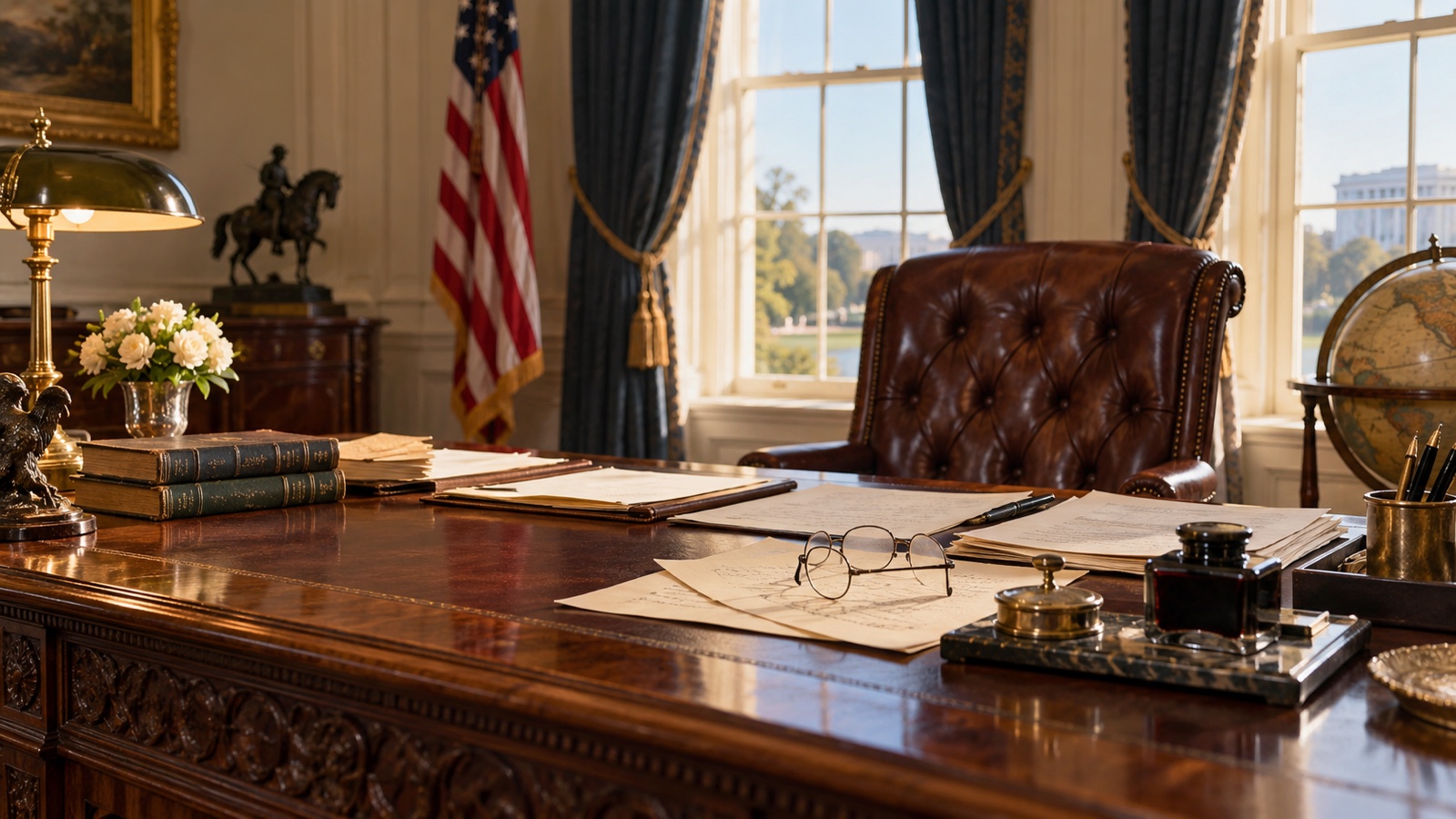
- He called the presidency a “bully pulpit.”
- At the time, bully could mean excellent or first-rate.
- Roosevelt called his domestic program the Square Deal.
- It emphasized fairness for workers, consumers, and business.
- He expanded presidential power significantly.
- He believed the president could act unless the Constitution explicitly prohibited it.
- The vice presidency was supposed to sideline Roosevelt. Instead, six months later he had the loudest pulpit in the country.
Trust busting and conservation defined much of his presidency
- Roosevelt became famous as a “trust buster.”
- His administration sued the Northern Securities Company.
- The Supreme Court ordered the company dissolved.
- Roosevelt did not oppose every large corporation.
- He distinguished between what he considered good and bad trusts.
- He intervened in the 1902 coal strike.
- Roosevelt brought mine owners and workers into negotiations.
- The federal government’s role in labor disputes expanded.
- He supported railroad regulation.
- The Hepburn Act strengthened federal oversight.
- The Pure Food and Drug Act passed in 1906.
- The Meat Inspection Act also passed in 1906.
- Public outrage after reports about meatpacking helped drive reform.
- Roosevelt was a passionate conservationist.
- He created or expanded national forests.
- He established national wildlife refuges.
- He proclaimed numerous national monuments.
- He protected roughly 230 million acres of public land.
- He worked closely with forester Gifford Pinchot.
- Roosevelt could spend the morning regulating railroads and the afternoon talking excitedly about birds, which was apparently a normal workday in his administration.
Foreign policy made him a Nobel Peace Prize winner
- Roosevelt believed strongly in American naval power.
- His foreign-policy slogan became “speak softly and carry a big stick.”
- He supported construction of the Panama Canal.
- Panama separated from Colombia in 1903.
- The United States quickly recognized Panama.
- A treaty then granted U.S. canal rights.
- Roosevelt considered the canal one of his greatest accomplishments.
- The canal shortened routes between Atlantic and Pacific shipping.
- Roosevelt sent the Great White Fleet around the world.
- The voyage demonstrated American naval power.
- He mediated negotiations ending the Russo-Japanese War.
- The Treaty of Portsmouth was signed in 1905.
- Roosevelt received the Nobel Peace Prize in 1906.
- He was the first U.S. president to win a Nobel Prize.
- He helped mediate other international disputes.
- His Roosevelt Corollary expanded the Monroe Doctrine.
- It asserted a broad U.S. role in Latin American affairs.
- That policy contributed to American interventions in the region.
- His foreign-policy legacy therefore mixes diplomacy with imperial power.
- Roosevelt won a peace prize while also loving battleships, which captures the contradictions of his foreign policy unusually well.
Bull Moose, teddy bears and 25 final Roosevelt facts
- Roosevelt won election to a full presidential term in 1904.
- He chose not to run again in 1908.
- William Howard Taft became his preferred successor.
- Roosevelt later became disappointed with Taft.
- He challenged Taft for the Republican nomination in 1912.
- After losing the nomination, Roosevelt formed the Progressive Party.
- The party became known as the Bull Moose Party.
- Roosevelt said he felt “fit as a bull moose.”
- During the campaign, a would-be assassin shot Roosevelt in Milwaukee.
- A folded speech and eyeglass case slowed the bullet.
- Roosevelt determined he was not coughing blood.
- He then delivered his scheduled speech.
- He spoke for more than an hour before seeking hospital care.
- The bullet remained in his body for the rest of his life.
- Roosevelt finished second in the 1912 election.
- He received more votes than incumbent president Taft.
- Woodrow Wilson won because the Republican vote split.
- The teddy bear was named after Roosevelt.
- The name came from a 1902 hunting incident involving a bear.
- Roosevelt refused to shoot a bear that had been tied up for him.
- A political cartoon inspired toy makers.
- Roosevelt wrote more than two dozen books.
- He went on a dangerous expedition in the Amazon after his presidency.
- He died January 6, 1919, at age 60.
- After 145 facts, Theodore Roosevelt feels less like one president and more like someone who tried to fit conservationist, soldier, author, rancher, reformer, diplomat, explorer, boxer, politician, and human exclamation point into the same lifetime.

Ellie is the owner and sole author of Fun Facts, combining her mechanical engineering background with years of research-driven writing to deliver facts you can trust. Every article is thoroughly fact-checked and routinely updated as new science and sources emerge to keep information accurate and current. Her mission is to make learning delightful while upholding high standards of reliability and transparency.