
The Philippines stretches across thousands of tropical islands where volcanoes rise above rice terraces, giant jeepneys fill city streets, hundreds of languages are spoken, and one of the world’s longest Christmas seasons begins while other countries are still thinking about autumn. Its history blends Indigenous cultures with centuries of Asian trade, Spanish rule, American influence, and modern creativity. These 145 facts explore geography, history, languages, food, nature, traditions, cities, festivals, and Filipino culture.
Philippines basics
- The official name is the Republic of the Philippines.
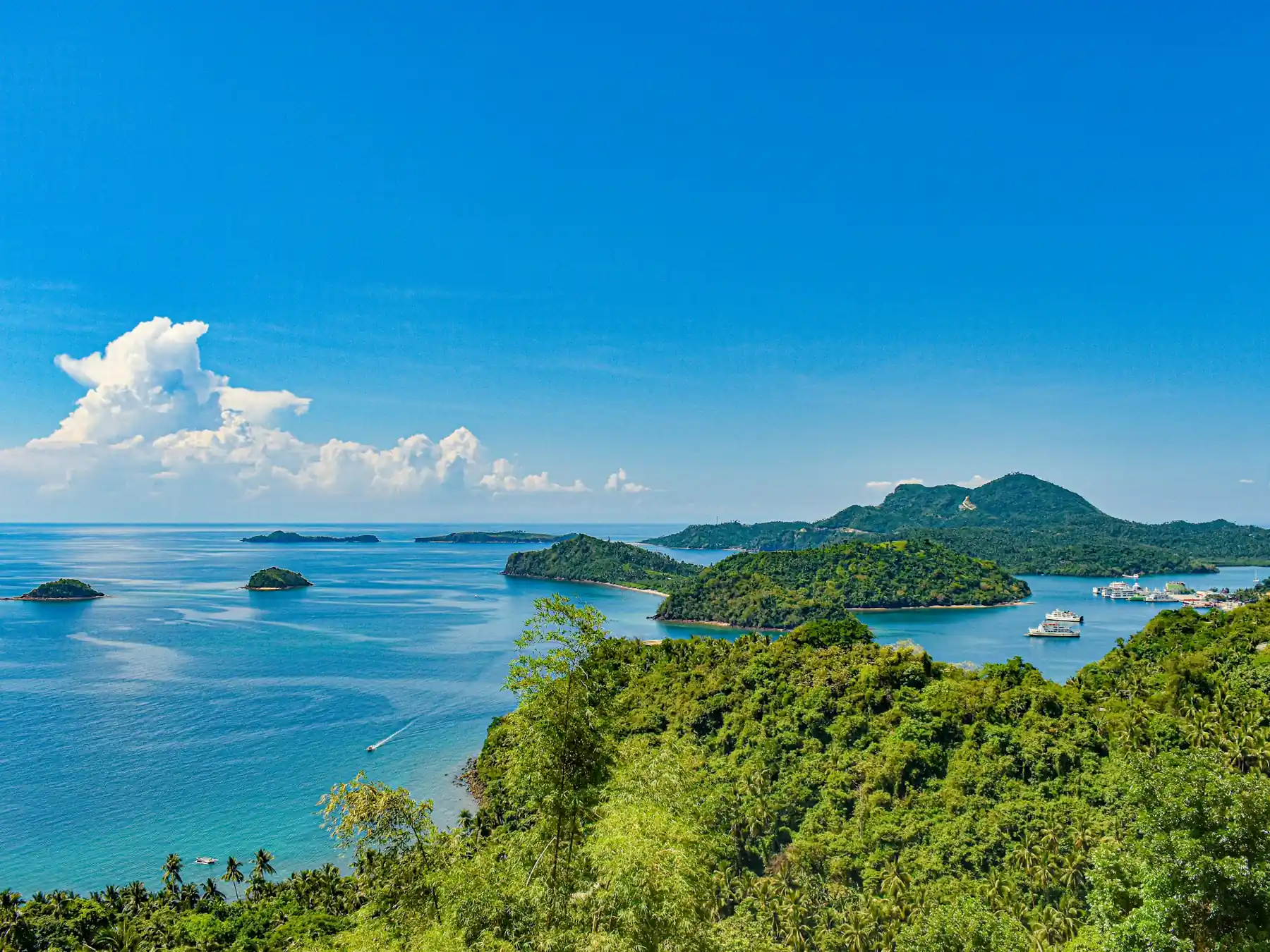
- The Philippines is an archipelagic country in Southeast Asia.
- It lies in the western Pacific Ocean.
- The country contains 7,641 islands according to modern official mapping.
- Only a portion of those islands are permanently inhabited.
- The islands are commonly grouped into Luzon, Visayas, and Mindanao.
- Luzon is the largest island by area.
- Mindanao is the second largest.
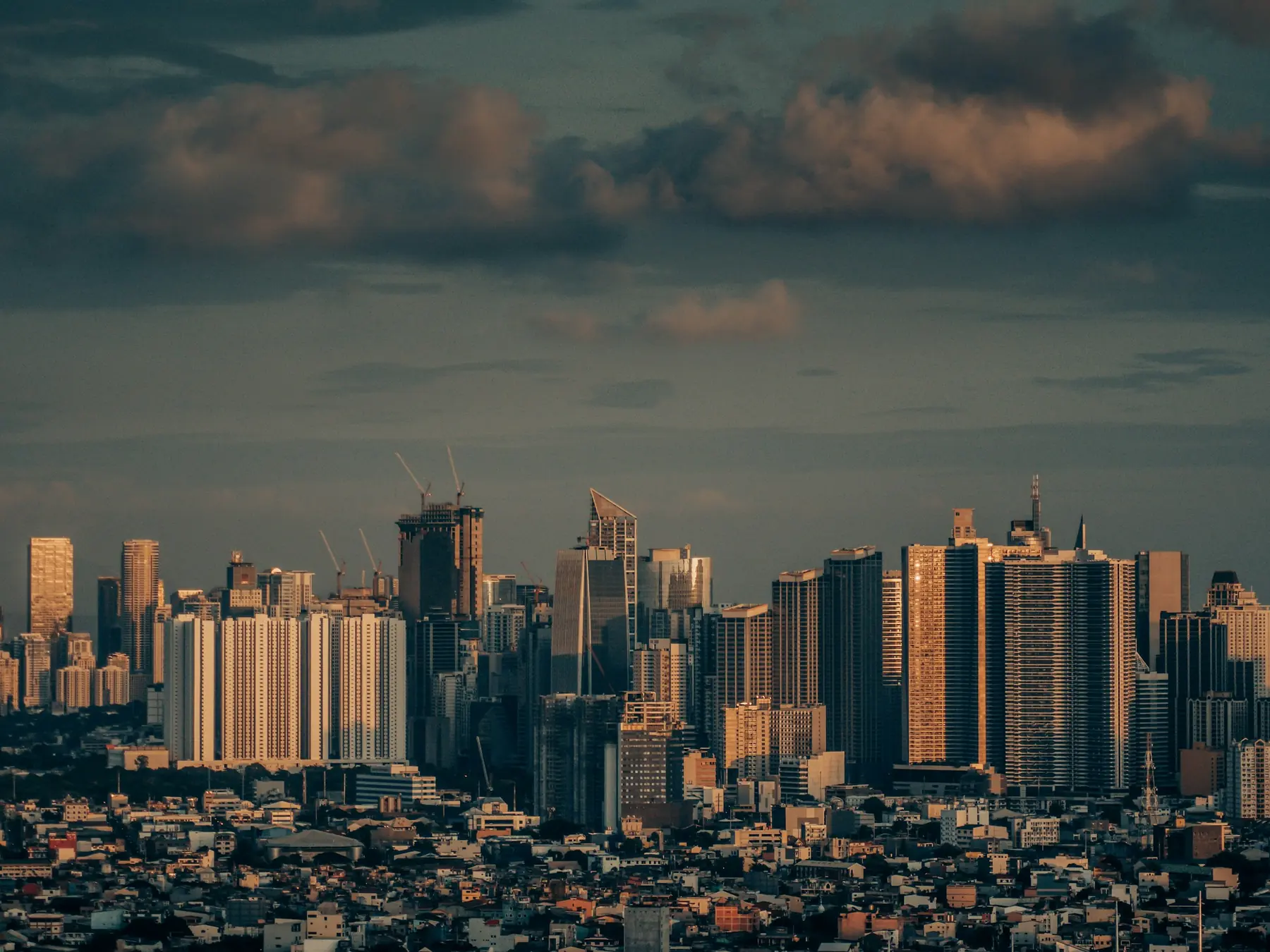
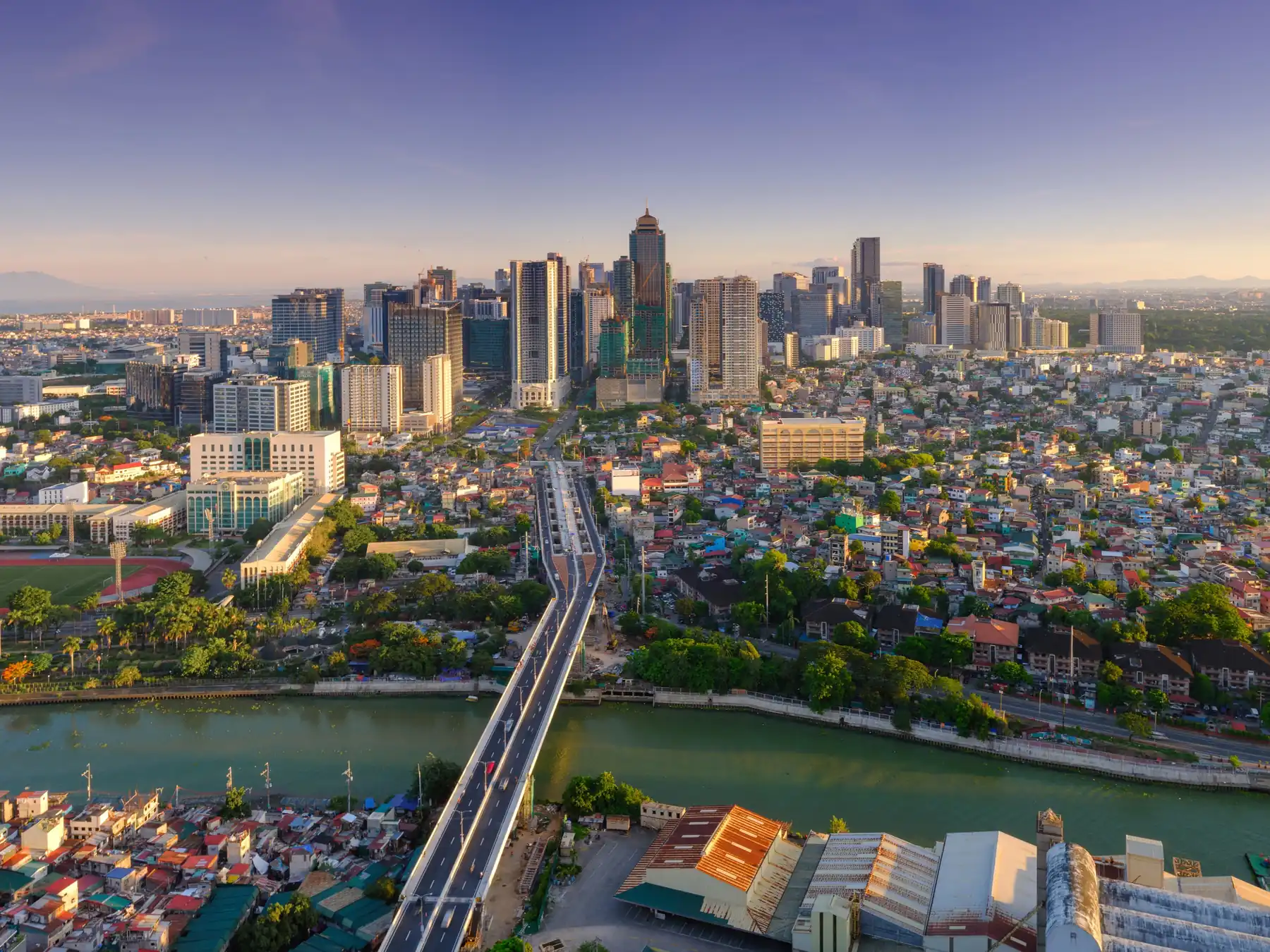
- Manila is the national capital.
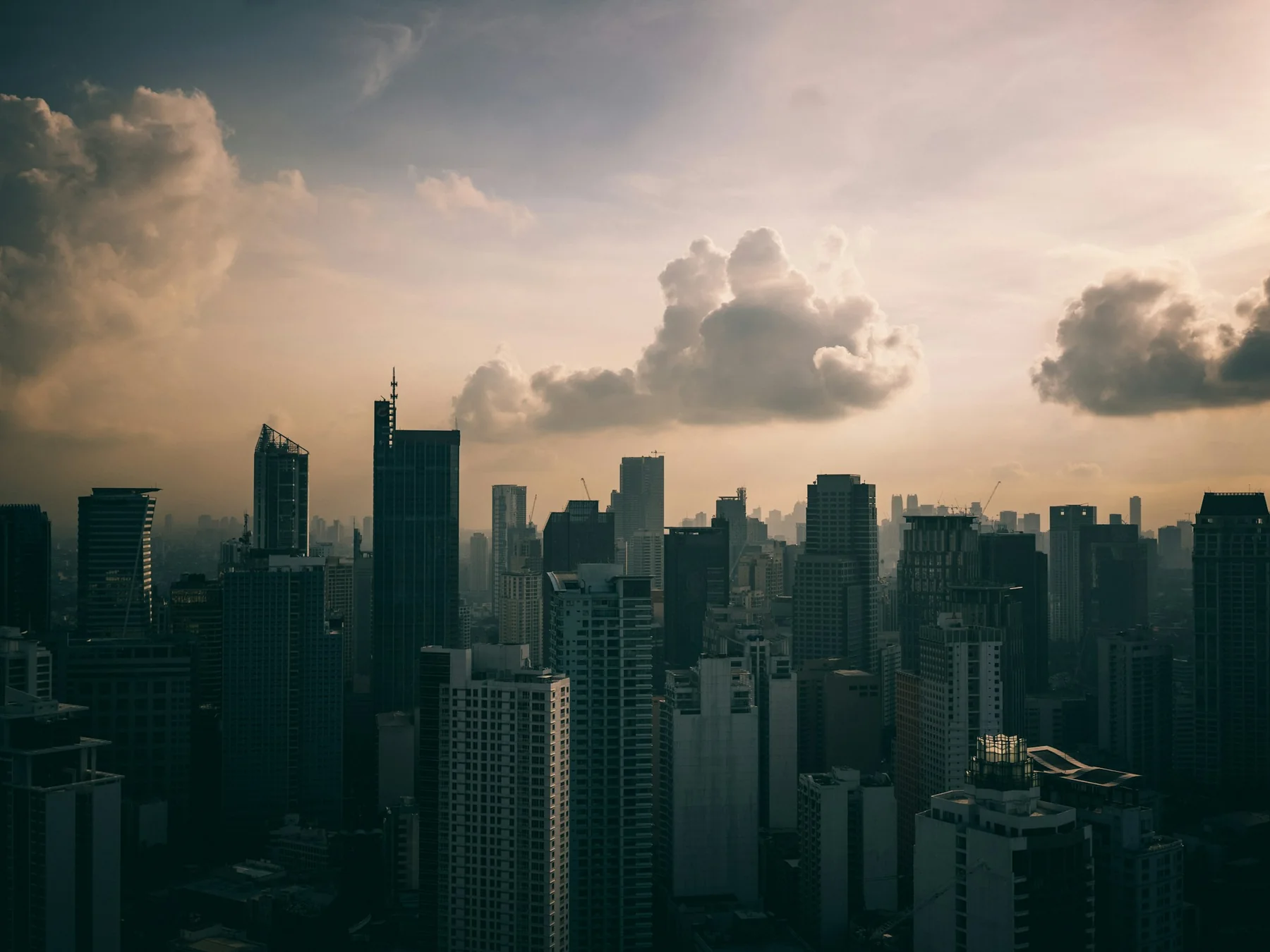
- Metro Manila is a much larger urban region containing multiple cities.
- Quezon City is one of the largest cities in that metropolitan area.
- The Philippine currency is the peso.
- Filipino and English are official languages under the Constitution.
- Filipino is based largely on Tagalog while incorporating vocabulary and influences from other languages.
- The Philippine flag uses blue, red, white, a golden sun, and three stars.
An archipelago shaped by plate tectonics
- The Philippines sits near the boundary of major tectonic plates.
- It forms part of the Pacific Ring of Fire.
- The country contains numerous active and potentially active volcanoes.
- Earthquakes are common because faults and subduction zones cross the region.
- Mount Apo is the highest mountain in the Philippines.
- It rises on Mindanao.
- Mayon Volcano is famous for its remarkably symmetrical cone.
- Mayon is also one of the country’s most active volcanoes.
- Taal is a complex volcanic system south of Manila.
- Pinatubo produced a huge eruption in 1991.
- The Pinatubo eruption injected sulfur-rich material high into the atmosphere.
- That eruption temporarily cooled global average temperatures.
- Volcanic soils support productive agriculture in many areas.
- Mountainous terrain divides communities and helped preserve linguistic diversity.
- Tectonic activity makes the Philippines both geologically spectacular and hazard-prone.
Tropical weather and typhoons
- The Philippines has a tropical maritime climate.
- Temperatures are warm through much of the year.
- Rainfall patterns vary significantly by island and region.
- Monsoon winds strongly influence seasonal weather.
- The southwest monsoon is commonly called habagat.
- The northeast monsoon is called amihan.
- The country lies in one of Earth’s most active tropical-cyclone regions.
- Tropical cyclones affecting the Philippines are commonly called typhoons when they reach sufficient intensity.
- Local weather authorities assign Philippine names to cyclones entering the country’s monitoring area.
- International names may therefore differ from names used locally.
- Typhoons can bring destructive winds, storm surge, landslides, and flooding.
- Super Typhoon Haiyan, known locally as Yolanda, caused catastrophic destruction in 2013.
- Coastal communities are especially vulnerable to storm surge.
- Mountain communities can face landslide risks during prolonged rain.
- Disaster preparedness is an important part of daily governance and community life.
Hundreds of languages
- The Philippines is one of the world’s most linguistically diverse countries.
- More than 100 living languages are spoken across the islands.
- Tagalog is the primary basis of the national language Filipino.
- Cebuano is widely spoken across parts of the Visayas and Mindanao.
- Ilocano is important in northern Luzon and migrant communities.
- Hiligaynon is widely spoken in Western Visayas.
- Waray is common in Eastern Visayas.
- Kapampangan is associated with central Luzon.
- Pangasinan is another major Luzon language.
- Many Philippine languages belong to the Austronesian language family.
- English is widely used in education, government, business, and media.
- Spanish left thousands of loanwords in Philippine languages.
- Many Filipino names also reflect Spanish colonial history.
- Code-switching between English and Filipino languages is common in everyday speech.
- Taglish refers to fluid mixing of Tagalog and English in conversation.
Before Spanish colonization
- Communities across the islands had complex cultures long before European arrival.
- Precolonial societies traded with China, Southeast Asia, India, and the wider maritime world.
- Gold was worked into jewelry and ceremonial objects.
- Local communities were often organized into settlements called barangays.
- The modern Philippine administrative term barangay comes from this older concept.
- Political organization varied from small communities to larger chiefdoms and sultanates.
- Islam reached parts of the southern Philippines before Spanish conquest.
- Sultanates became powerful in Mindanao and the Sulu Archipelago.
- Baybayin is a precolonial writing system associated especially with Tagalog-speaking areas.
- Other related scripts existed in different Philippine communities.
- Baybayin is an abugida, meaning consonant symbols carry an inherent vowel unless modified.
- Indigenous epics preserve long oral histories and mythologies.
- The Ifugao developed extraordinary mountain rice-terrace systems.
- Maritime technology connected island communities across long distances.
- The Philippines was culturally interconnected with Asia centuries before European colonization.
Spanish rule reshaped the islands
- Ferdinand Magellan reached the Philippine islands in 1521 while sailing for Spain.
- Magellan was killed at the Battle of Mactan.
- Lapulapu became famous for resisting Magellan’s forces.
- Permanent Spanish colonization began later under Miguel López de Legazpi.
- Manila became the colonial capital in 1571.
- Spanish rule lasted for more than three centuries.
- Roman Catholicism spread widely during this period.
- The Philippines became one of Asia’s largest predominantly Christian countries.
- The Manila galleons connected the Philippines with Mexico.
- Galleons carried goods between Manila and Acapulco for about 250 years.
- Silver from the Americas moved west while Asian luxury goods moved east.
- This trade helped connect Asia, the Americas, and Europe in an early global economy.
- Spanish colonial rule never fully controlled every southern Muslim region.
- Filipino reform and nationalist movements grew during the 19th century.
- José Rizal became one of the country’s most important national heroes through his writing and political influence.
Revolution, America, and independence
- The Philippine Revolution against Spain began in 1896.
- The Katipunan was a major revolutionary organization.
- Andrés Bonifacio was one of its most important leaders.
- Emilio Aguinaldo became a major revolutionary military and political figure.
- Philippine independence was proclaimed on June 12, 1898.
- The Spanish-American War changed control of the islands that same year.
- Spain ceded the Philippines to the United States under the Treaty of Paris.
- Filipino forces then fought the United States in the Philippine-American War.
- American colonial rule reshaped education, infrastructure, government, and language.
- The Commonwealth of the Philippines was established in 1935.
- Japan invaded the Philippines during World War II.
- Manila suffered enormous destruction during the war.
- U.S. and Filipino forces fought to retake the islands.
- The United States recognized Philippine independence on July 4, 1946.
- June 12 is now celebrated as Philippine Independence Day because it honors the 1898 declaration.
Filipino food is built for sharing
- Rice is a staple food across much of the Philippines.
- Adobo is one of the country’s most famous dishes.
- Filipino adobo commonly braises meat in vinegar, soy sauce, garlic, and seasonings.
- The word adobo reflects Spanish terminology but the local cooking method has distinct Philippine roots.
- Sinigang is a sour soup made in many regional variations.
- Tamarind is a common souring ingredient.
- Lechon is whole roasted pig associated with celebrations.
- Pancit refers to a broad family of noodle dishes.
- Noodle traditions reflect Chinese influence.
- Lumpia are Philippine spring rolls with many fillings and styles.
- Halo-halo is a colorful shaved-ice dessert with mixed ingredients.
- Ube is purple yam used in desserts and baked goods.
- Calamansi is a small citrus fruit used widely in drinks and seasoning.
- Balut is a fertilized duck egg dish famous for challenging unfamiliar visitors.
- Regional Philippine cuisine changes dramatically with local agriculture, seafood, language, religion, and history.
Festivals, jeepneys, and Filipino culture
- Jeepneys became one of the Philippines’ most recognizable forms of public transport.
- Early jeepneys were adapted from military jeeps left after World War II.
- Builders extended and customized vehicles to carry more passengers.
- Traditional jeepneys are famous for bright paint and personal decoration.
- The transportation system continues changing through modernization programs.
- Filipino Christmas celebrations famously begin early in the year.
- Christmas music and decorations can appear during the “ber” months beginning in September.
- Simbang Gabi is a series of pre-dawn or evening Masses before Christmas.
- Parol are star-shaped Christmas lanterns.
- Sinulog is a major festival in Cebu.
- Ati-Atihan is another famous Philippine festival.
- MassKara in Bacolod is known for colorful smiling masks.
- Basketball is enormously popular across the country.
- Karaoke is a common form of family and social entertainment.
- Filipino culture places strong emphasis on family networks, hospitality, humor, food, music, and community gatherings.
Ten surprising Philippines facts
- The Philippines has 7,641 officially counted islands.
- The modern word barangay comes from an old form of community organization.
- Manila once sat at the center of a trade route linking Asia directly with Mexico.
- The Philippines has hundreds of living languages despite having one national language.
- A volcanic eruption in the Philippines measurably cooled global climate in the early 1990s.
- Jeepneys developed partly from surplus military vehicles after World War II.
- The national independence holiday is June 12 even though U.S. recognition came on July 4, 1946.
- Jeju-style women divers are Korean, but the Philippines has its own long traditions of free diving and maritime harvesting across island communities.
- Christmas season can begin culturally in September.
- For more Southeast Asian trivia, explore our Thailand facts and Culture facts.
Quick Philippines FAQ
How many islands are in the Philippines?
Modern official mapping counts 7,641 islands.
What is the capital of the Philippines?
Manila, which is part of the much larger Metro Manila urban region.
What languages are official?
Filipino and English are official languages under the Philippine Constitution, while many regional languages are used across the islands.
Why is Philippine Independence Day June 12?
June 12 commemorates Emilio Aguinaldo’s 1898 declaration of independence from Spain. The United States formally recognized independence in 1946.
What are jeepneys?
They are distinctive Philippine public-transport vehicles whose early postwar forms were adapted from surplus military jeeps and expanded to carry passengers.

Ellie is the owner and sole author of Fun Facts, combining her mechanical engineering background with years of research-driven writing to deliver facts you can trust. Every article is thoroughly fact-checked and routinely updated as new science and sources emerge to keep information accurate and current. Her mission is to make learning delightful while upholding high standards of reliability and transparency.