
Popcorn is one of the few foods that announces itself while cooking. A hard little seed suddenly flips inside out because trapped water becomes steam, starch turns into foam, and the hull bursts under pressure. Humans have been popping corn for thousands of years, long before movie theaters existed. These 145 popcorn facts explore the science, history, kernels, flavors, nutrition, movie culture, microwave bags, and strange reasons some corn pops while other corn does not.
Popcorn basics
- Popcorn is a special type of maize that expands explosively when heated.
- Its scientific species is Zea mays, the same species as other corn.
- Popcorn belongs to a distinct popping type commonly called Zea mays everta.
- Not every corn kernel can pop successfully.
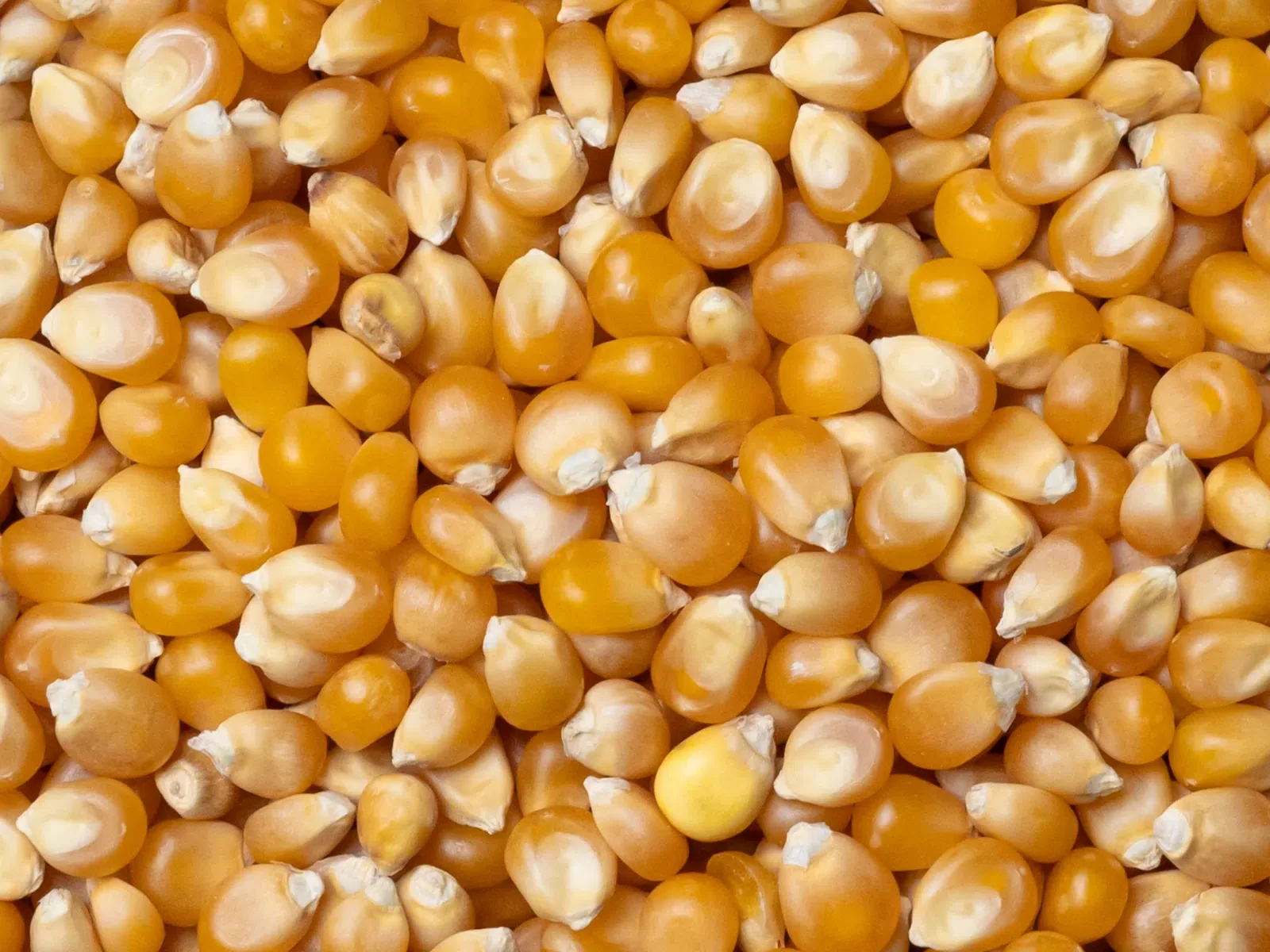
- Popcorn kernels have unusually hard outer hulls.
- That hull is called the pericarp.
- A kernel also contains starchy endosperm and a small living germ.
- Water trapped inside the kernel is essential for popping.
- Too little moisture can leave kernels unpopped.
- Too much or uneven moisture can also reduce popping quality.
- Commercial popcorn is dried to a carefully controlled moisture range.
- Popcorn comes in many kernel sizes and shapes.
- Yellow and white popcorn are common commercial types.
- Red, blue, purple, and multicolored popcorn varieties also exist.
- Colored hulls usually produce mostly pale white popped starch inside.
How a kernel explodes
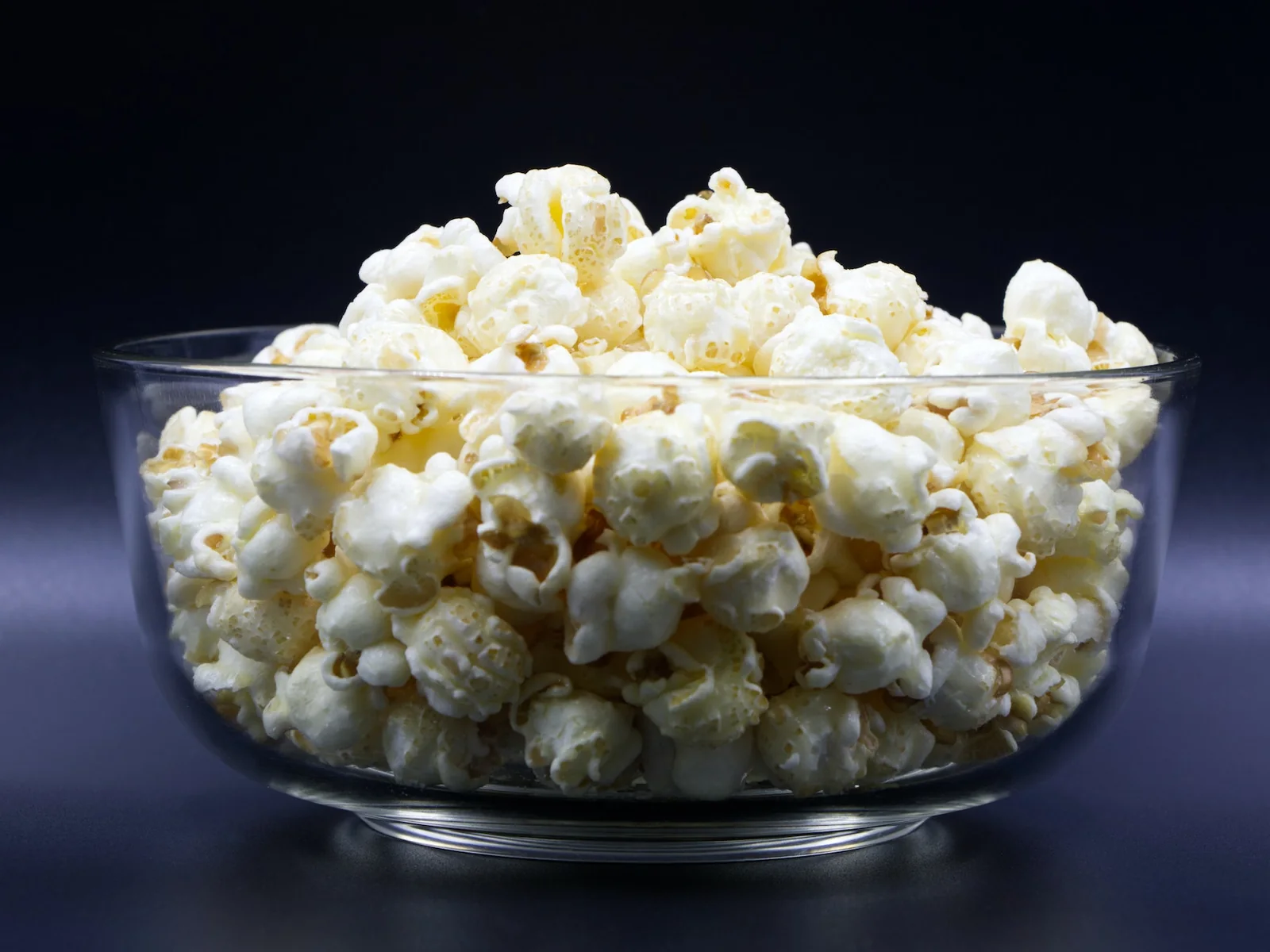
- Heating raises the temperature of water trapped inside a popcorn kernel.
- The hard hull prevents steam from escaping easily.
- Pressure builds as the water becomes superheated steam.
- At the same time, heat softens the dense starch inside.
- The starch becomes a hot pressurized gel-like mass.
- Eventually the hull can no longer withstand the internal pressure.
- The kernel ruptures suddenly.
- Pressure drops almost instantly after the hull breaks.
- Superheated water flashes into expanding steam.
- The softened starch expands into a foamy structure.
- The kernel turns inside out during this violent expansion.
- The starch cools quickly and sets into the familiar crisp shape.
- Popping typically occurs around 180 degrees Celsius, or about 356 degrees Fahrenheit.
- A kernel’s entire transformation takes only a fraction of a second.
- High-speed photography shows popcorn performing a tiny airborne flip as it bursts.
Why some kernels never pop
- Unpopped kernels are often called old maids in informal popcorn language.
- A damaged hull can let steam leak out before enough pressure builds.
- A kernel that is too dry may lack enough internal water to explode properly.
- Cracks too small to notice can ruin the pressure vessel effect.
- Some kernels heat unevenly inside a pan or microwave bag.
- Poor-quality kernels may have inconsistent moisture levels.
- Old popcorn can lose moisture during storage.
- Keeping kernels sealed helps preserve moisture.
- Popcorn does not generally benefit from ordinary refrigerator storage.
- Dry household refrigerators can encourage moisture loss from kernels.
- Some home cooks try rehydrating overly dry popcorn with tiny amounts of water.
- Too much added water can instead create mold or texture problems.
- Even excellent commercial popcorn rarely produces a perfect 100% pop rate.
- Breeders select varieties partly for expansion volume and popping reliability.
- A few stubborn kernels are therefore normal rather than evidence that the whole batch failed.
Butterfly and mushroom popcorn
- Popped popcorn is commonly grouped into butterfly and mushroom shapes.
- Butterfly popcorn has irregular wings or branches sticking from the center.
- It is the style many people picture in movie-theater tubs.
- The craggy shape catches salt and light seasonings well.
- Mushroom popcorn pops into a rounder, denser ball.
- Its compact shape makes it less fragile during coating and mixing.
- Caramel-corn makers often prefer mushroom popcorn.
- Different varieties have different tendencies toward each shape.
- Growing conditions and popping method can also affect final form.
- A popped kernel is mostly expanded starch and air.
- That airy structure explains popcorn’s dramatic increase in volume.
- The crispy walls are thin and brittle after cooling.
- Humidity makes popped popcorn lose crispness.
- Water from moist air softens the dry starch structure.
- This is why fresh popcorn can become chewy in an open bowl overnight.
People popped corn thousands of years ago
- Popcorn is far older than movie theaters, electricity, or the United States.
- Maize was domesticated in ancient Mexico from wild grass ancestors.
- People later developed many specialized corn forms across the Americas.
- Archaeologists have found ancient popcorn remains in the Americas.
- Popcorn cobs from New Mexico’s Bat Cave are thousands of years old.
- Ancient Peruvian sites have yielded evidence of popping corn too.
- Some early corn was popped directly near heat.
- Other traditional methods used heated sand or pottery vessels.
- Indigenous peoples developed varied ways to roast, parch, grind, boil, and pop maize.
- European colonists encountered established Native American corn traditions.
- Popcorn became one of many maize foods exchanged across cultures.
- Its dramatic popping made it useful as food and entertainment.
- Stories sometimes exaggerate specific early-colonial popcorn encounters.
- Archaeological evidence is more reliable than charming but undocumented Thanksgiving legends.
- The Smithsonian’s food-history collections document maize as a foundational crop of the Americas.
The popcorn machine changes everything
- Street popcorn became increasingly popular in the United States during the 19th century.
- Early vendors used baskets, pans, and hand-operated poppers.
- Charles Cretors developed an influential steam-powered popcorn machine.
- He founded C. Cretors & Company in Chicago.
- Cretors exhibited a popcorn machine at Chicago’s 1893 World’s Columbian Exposition.
- Steam power let vendors pop corn and roast peanuts efficiently.
- Mobile carts could bring fresh popcorn directly to crowds.
- The smell itself became a powerful form of advertising.
- Popcorn machines created a recognizable theatrical display with kernels visibly popping.
- Vendors sold popcorn outside circuses, fairs, parks, and entertainment venues.
- Electricity later made machines easier to operate indoors.
- Commercial poppers control heat and agitation to reduce scorching.
- Oil helps distribute heat evenly across kernels.
- Air poppers use hot moving air instead of added cooking oil.
- Popcorn technology evolved from simple heated pans into precisely controlled food equipment.
How popcorn conquered movie theaters
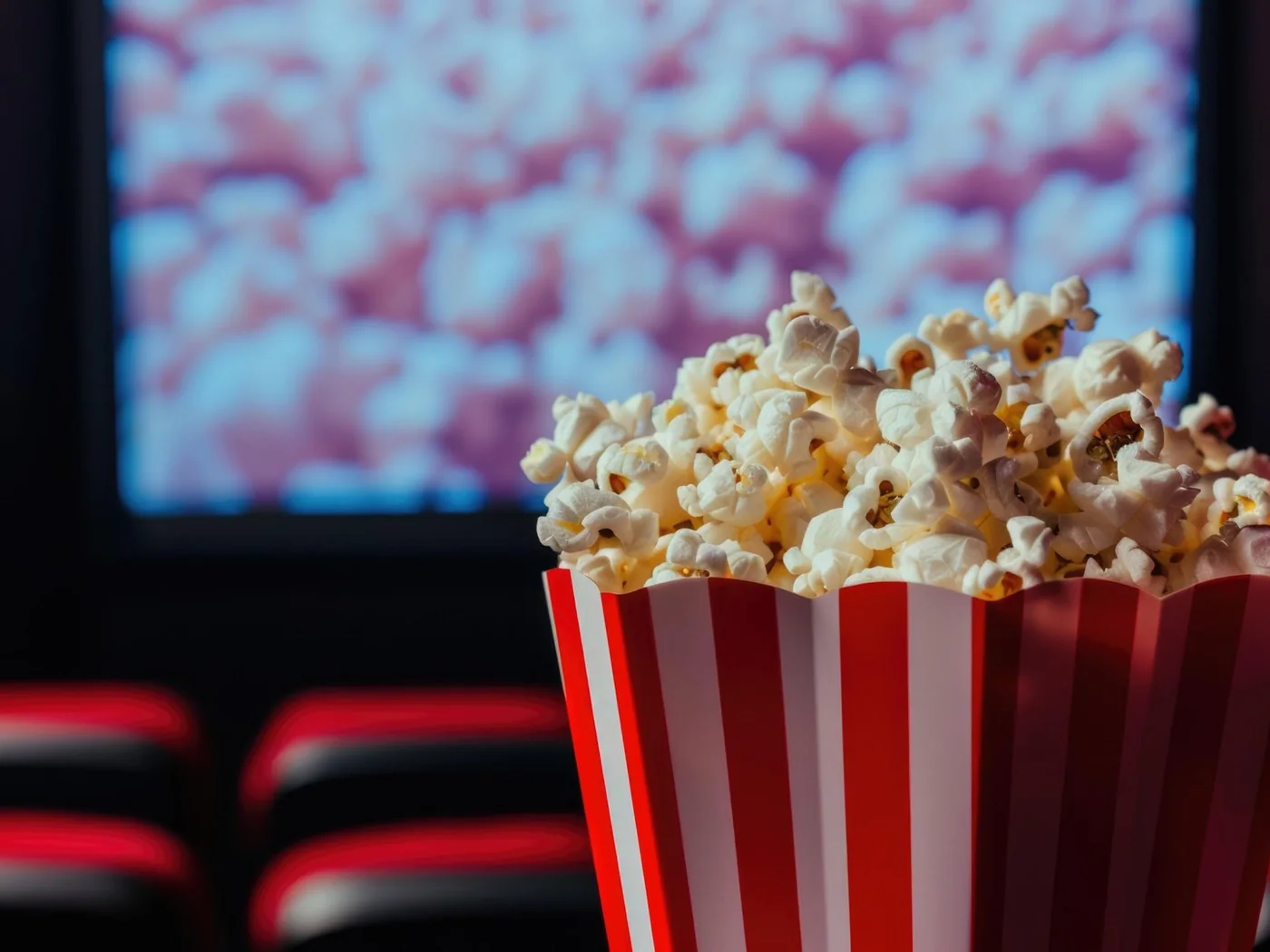
- Early movie theaters did not immediately embrace popcorn.
- Some elegant theaters wanted to resemble traditional performance halls.
- Owners worried that snacks would create noise and mess.
- Street vendors often sold popcorn outside theaters anyway.
- During the Great Depression, popcorn remained relatively affordable.
- Low ingredient costs made it attractive to vendors and theater owners.
- Concession sales could provide theaters with valuable profit.
- Theaters increasingly installed their own popcorn machines.
- Popcorn and movies became culturally inseparable during the 20th century.
- The smell of hot popcorn became part of the sensory experience of entering a cinema.
- Theater popcorn usually uses oil and flavored salt rather than plain air popping.
- Butter-flavored toppings may contain oils and flavoring rather than only melted dairy butter.
- Large theater servings can contain far more popcorn than a typical home bowl.
- Concessions remain economically important to movie theaters.
- A food once considered too messy for theaters ultimately became their most iconic snack.
Microwave popcorn
- Microwave ovens made popcorn preparation dramatically faster at home.
- Microwaves heat water and other polar molecules through changing electromagnetic fields.
- A microwave popcorn bag contains kernels, fat, seasoning, and specialized packaging.
- The folded bag expands as steam and popped corn accumulate.
- A susceptor layer in some packaging absorbs microwave energy and becomes very hot.
- This helps create stronger conventional heating around kernels.
- Microwave popcorn became a major grocery product during the late 20th century.
- The first pop may occur well after heating begins because kernels must reach critical temperature.
- Popping then accelerates rapidly.
- Listening for slowing pops remains a practical way to reduce burning.
- Cooking too long can char kernels and seasoning.
- Microwave wattage affects ideal cooking time.
- Bag instructions usually recommend staying nearby during popping.
- Opening a hot bag releases steam that can burn skin.
- Microwave popcorn is convenient, but plain kernels can also be popped in microwave-safe equipment.
Nutrition and flavors
- Popcorn is a whole-grain food.
- The hull, germ, and starchy endosperm remain part of the kernel.
- Plain air-popped popcorn provides dietary fiber.
- It is relatively low in energy density before large amounts of fat and sugar are added.
- Nutrition changes dramatically with butter, oil, caramel, cheese powder, or other coatings.
- Salt can increase sodium substantially.
- Caramel corn coats popped kernels with cooked sugar syrup.
- Kettle corn combines sweetness and saltiness.
- Cheese popcorn uses powdered cheese or cheese-flavored seasoning.
- Chicago-style popcorn famously mixes cheese popcorn and caramel corn.
- Chile, cinnamon, chocolate, herbs, nutritional yeast, and spices can all season popcorn.
- Popcorn is naturally gluten-free as plain corn.
- Commercial flavorings can contain ingredients that matter to people with allergies or dietary restrictions.
- USDA FoodData Central provides nutrient information for different popcorn preparations.
- The nutrition of popcorn depends less on the pop itself than on what people add afterward.
Ten surprising popcorn facts
- A popcorn kernel is basically a tiny natural pressure cooker.
- The kernel turns partly inside out as it explodes.
- Not every kind of corn can pop.
- Humans ate popcorn thousands of years before anyone invented cinema.
- Movie theaters initially resisted popcorn because owners thought it was messy and noisy.
- The Great Depression helped cement popcorn’s place in cinemas.
- Humidity can turn perfectly crisp popcorn chewy without making it immediately spoiled.
- Caramel makers often prefer round mushroom popcorn because it survives coating better.
- The color of an unpopped kernel does not mean the popped starch will stay the same color.
- For more snack trivia, explore our Food facts and chocolate facts.
Quick popcorn FAQ
Why does popcorn pop?
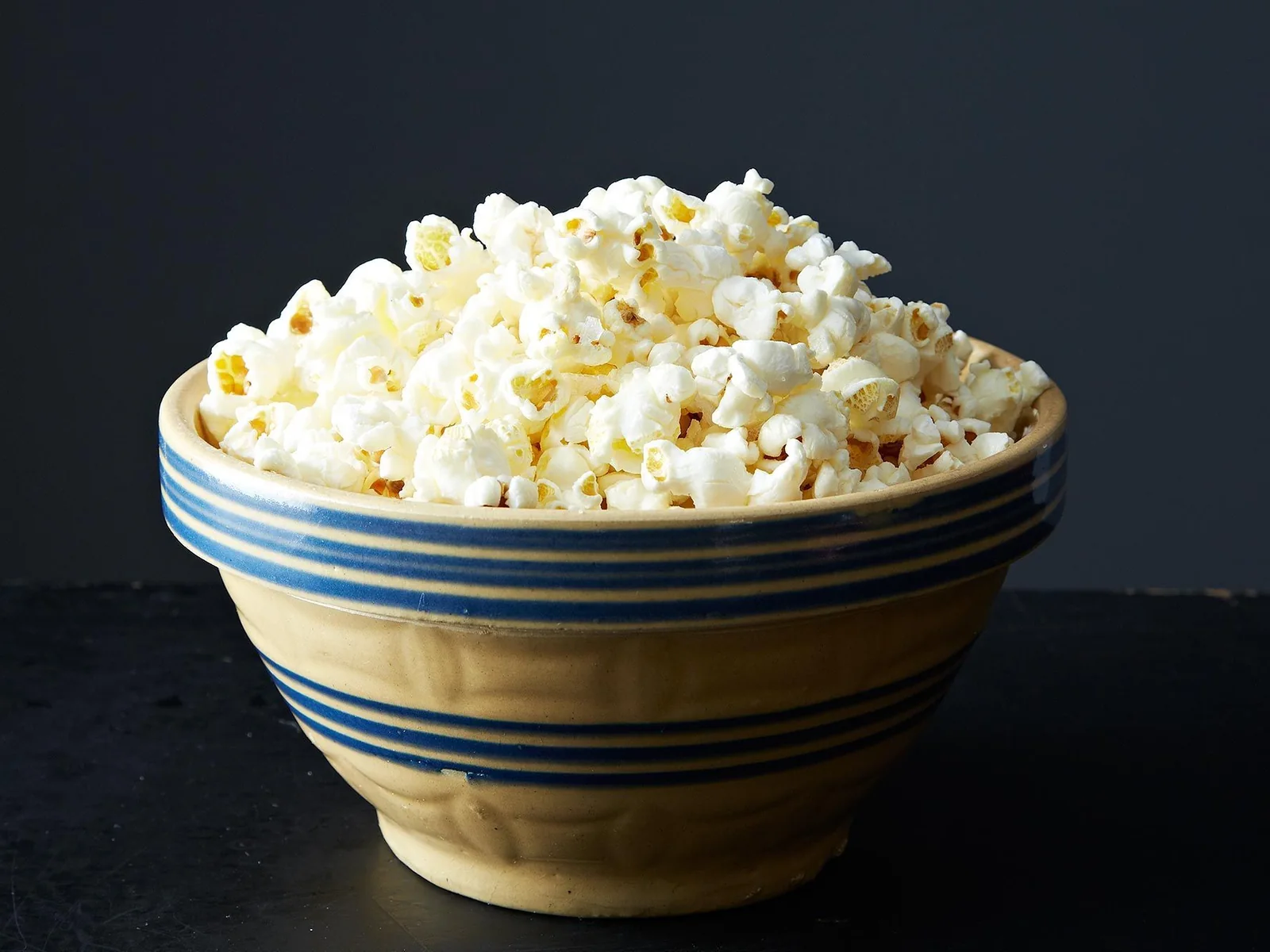
Water trapped inside a hard kernel turns to steam. Pressure builds until the hull ruptures, and hot softened starch expands into a foam that cools into the familiar white shape.
Why do some kernels not pop?
They may be too dry, have damaged hulls, heat unevenly, or lack the precise structure needed to trap enough steam pressure.
Is popcorn a whole grain?
Yes. Plain popcorn retains the bran-like hull, germ, and endosperm portions of the corn kernel.
How old is popcorn?
Archaeological evidence shows people in the Americas were popping corn thousands of years ago, long before European colonization.
Why is popcorn connected with movie theaters?
Affordable popcorn became popular with movie audiences during the Great Depression. Theaters discovered concession sales were profitable, and the pairing became a lasting cultural tradition.

Ellie is the owner and sole author of Fun Facts, combining her mechanical engineering background with years of research-driven writing to deliver facts you can trust. Every article is thoroughly fact-checked and routinely updated as new science and sources emerge to keep information accurate and current. Her mission is to make learning delightful while upholding high standards of reliability and transparency.