
The immune system is not one organ or one army. It is a layered network of barriers, cells, proteins, lymph vessels, antibodies, memory systems, and chemical signals that constantly decides what belongs, what looks suspicious, and how strongly the body should react.
The immune system is a network, not a single organ
- The immune system includes cells, tissues, organs, proteins, and chemical signals.
- There is no single “immune organ” controlling the entire response.
- Bone marrow produces many immune cells.
- The thymus helps developing T cells mature.
- Lymph nodes filter lymph and provide meeting places for immune cells.
- The spleen filters blood and supports immune responses to blood-borne material.
- Tonsils and adenoids contain immune tissue near common entry routes for microbes.
- The gut contains enormous amounts of immune tissue.
- Skin is a major immune barrier as well as a physical one.
- Mucus membranes line the respiratory, digestive, urinary, and reproductive tracts.
- These surfaces contain immune cells and antimicrobial molecules.
- Lymphatic vessels return excess tissue fluid to the bloodstream.
- They also transport immune cells and antigens.
- Lymph is usually clear rather than red because it contains far fewer red blood cells than blood.
- Immune cells constantly circulate between blood, lymph, tissues, and lymphoid organs.
- Chemical messengers coordinate cells separated by large distances.
- Cytokines are signaling proteins used heavily in immune communication.
- Chemokines help guide cells toward particular tissues or sites of inflammation.
- The immune system must respond strongly enough to control threats without attacking normal tissue unnecessarily.
- What feels like one invisible defense system is actually a constantly moving network spread through nearly every part of the body.
Your first defenses work before antibodies ever arrive
- Innate immunity provides rapid defenses present from birth.
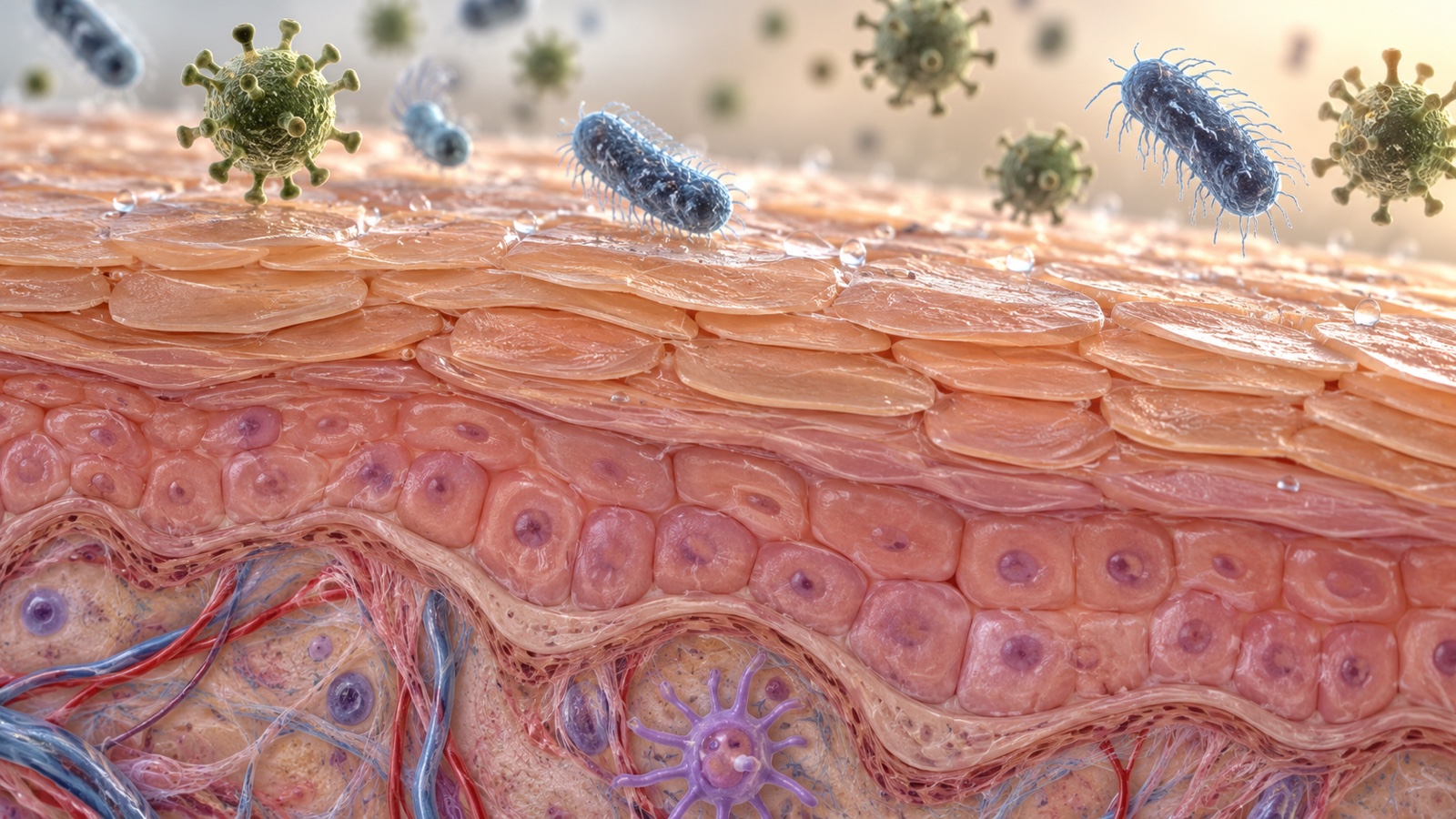
- Skin blocks many microbes from entering deeper tissues.
- Tight connections between skin cells make penetration difficult.
- Skin oils and acidic conditions can discourage some microbes.
- Mucus traps particles and microorganisms.
- Cilia in the respiratory tract move mucus upward toward the throat.
- Coughing and sneezing help expel irritants and microbes.
- Tears wash the eye surface.
- Tears contain antimicrobial molecules such as lysozyme.
- Saliva also contains antimicrobial substances.
- Stomach acid destroys many swallowed organisms.
- Normal gut microbes compete with potential pathogens for nutrients and space.
- Urine flow helps wash microbes from parts of the urinary tract.
- Fever can change the environment in ways that affect microbes and immune activity.
- Inflammation increases blood flow and immune-cell access to injured tissue.
- Redness and warmth are common consequences of increased blood flow.
- Swelling occurs partly because fluid and proteins leave local blood vessels.
- Pain can result from inflammatory chemicals and pressure on nerves.
- Innate responses recognize broad molecular patterns rather than one specific strain from years ago.
- The body's fastest defenses start at the surface and can act before the adaptive immune system has identified the threat in detail.
White blood cells have very different jobs
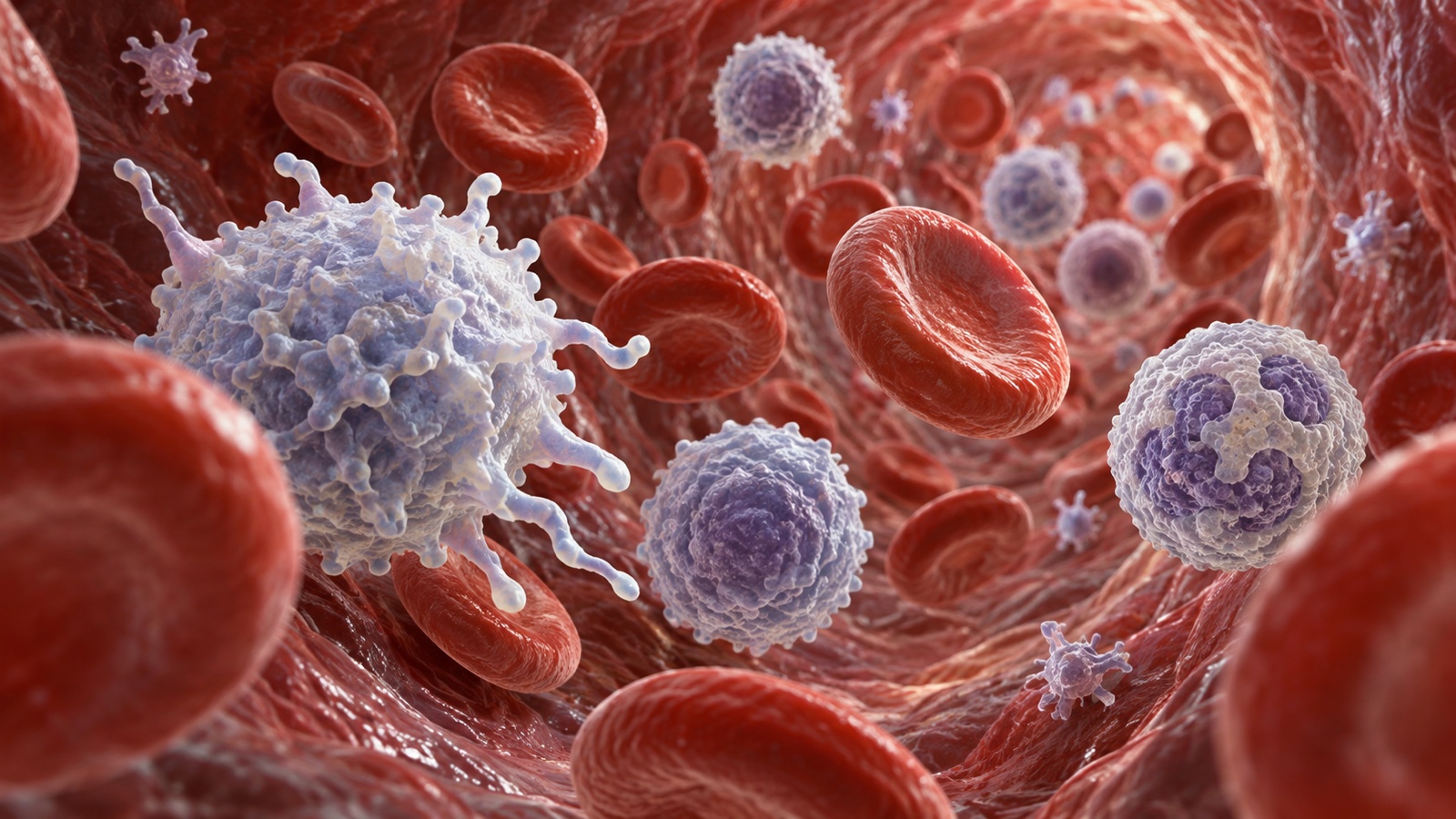
- White blood cells are also called leukocytes.
- Neutrophils are usually the most abundant white blood cells in healthy adult blood.
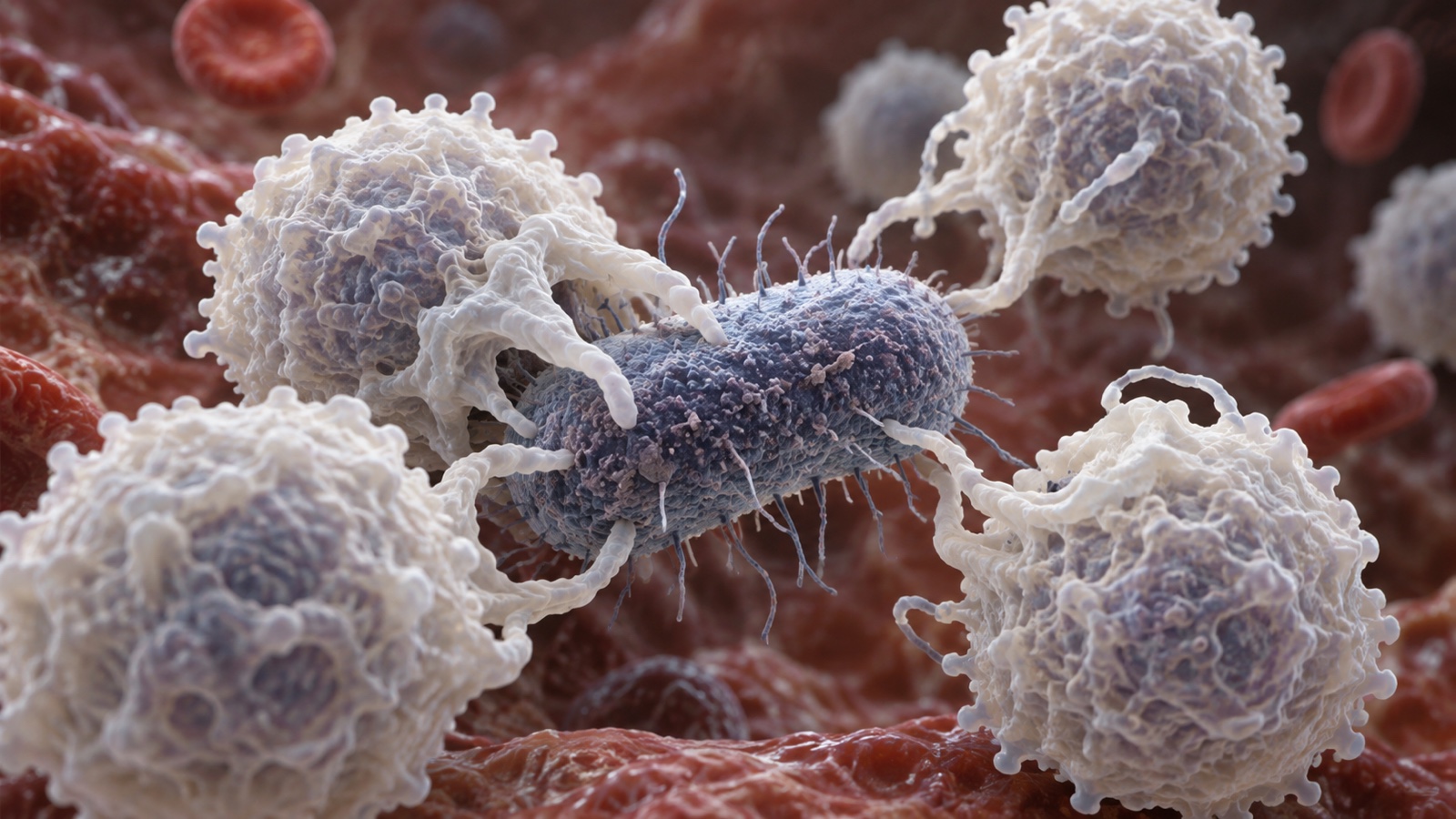
- Neutrophils are rapid responders to many bacterial infections.
- They can engulf microbes through phagocytosis.
- Neutrophils can release antimicrobial enzymes and reactive molecules.
- Some neutrophils release web-like structures called neutrophil extracellular traps.
- Monocytes circulate in blood before entering tissues.
- Monocytes can develop into macrophages and related cells.
- Macrophages engulf microbes, dead cells, and debris.
- Macrophages also release cytokines that shape inflammation.
- Dendritic cells specialize in capturing antigens and activating T cells.
- Eosinophils participate in parasite defense and allergic inflammation.
- Basophils can release histamine and other inflammatory mediators.
- Mast cells live mainly in tissues rather than circulating in large numbers in blood.
- Mast cells are important in allergy and defense at barrier surfaces.
- Natural killer cells can destroy some virus-infected and cancerous cells.
- Natural killer cells belong to the lymphocyte family but act differently from conventional T and B cells.
- Immune cells communicate extensively instead of working as isolated fighters.
- The same cell type can behave differently depending on the signals and tissue environment around it.
- “White blood cell” is about as specific as saying “employee” in a hospital, because the category hides an entire workforce of specialists.
T cells coordinate and attack with remarkable precision
- T cells are lymphocytes involved in adaptive immunity.
- T-cell precursors originate in bone marrow.
- They mature in the thymus.
- The thymus is most active during childhood.
- The thymus gradually shrinks and becomes more fatty with age.
- T cells recognize small antigen fragments displayed by other cells.
- Major histocompatibility complex molecules help display these fragments.
- Helper T cells coordinate immune responses through cytokines and cell-to-cell signals.
- Cytotoxic T cells can kill infected or abnormal cells.
- Regulatory T cells help suppress excessive or misdirected immune responses.
- Different helper T-cell subsets specialize in different response patterns.
- T-cell receptors are generated through genetic rearrangement during development.
- This creates enormous receptor diversity.
- Each mature T-cell clone recognizes a limited set of molecular targets.
- Activation usually requires more than simply binding one antigen.
- Costimulatory signals help prevent inappropriate activation.
- Activated T cells can multiply rapidly.
- Some activated T cells later become long-lived memory cells.
- T-cell memory can persist for years or decades after certain infections or vaccinations.
- The thymus effectively runs a brutal training program that tests developing T cells before releasing survivors into the rest of the body.
B cells make antibodies and build immune memory
- B cells are adaptive immune lymphocytes.
- In humans, B cells mature primarily in bone marrow.
- Each B cell carries receptors with a particular antigen specificity.
- B-cell receptor diversity is generated through DNA rearrangement.
- When appropriately activated, B cells can multiply into clones.
- Some activated B cells become plasma cells.
- Plasma cells secrete large quantities of antibodies.
- Antibodies are also called immunoglobulins.
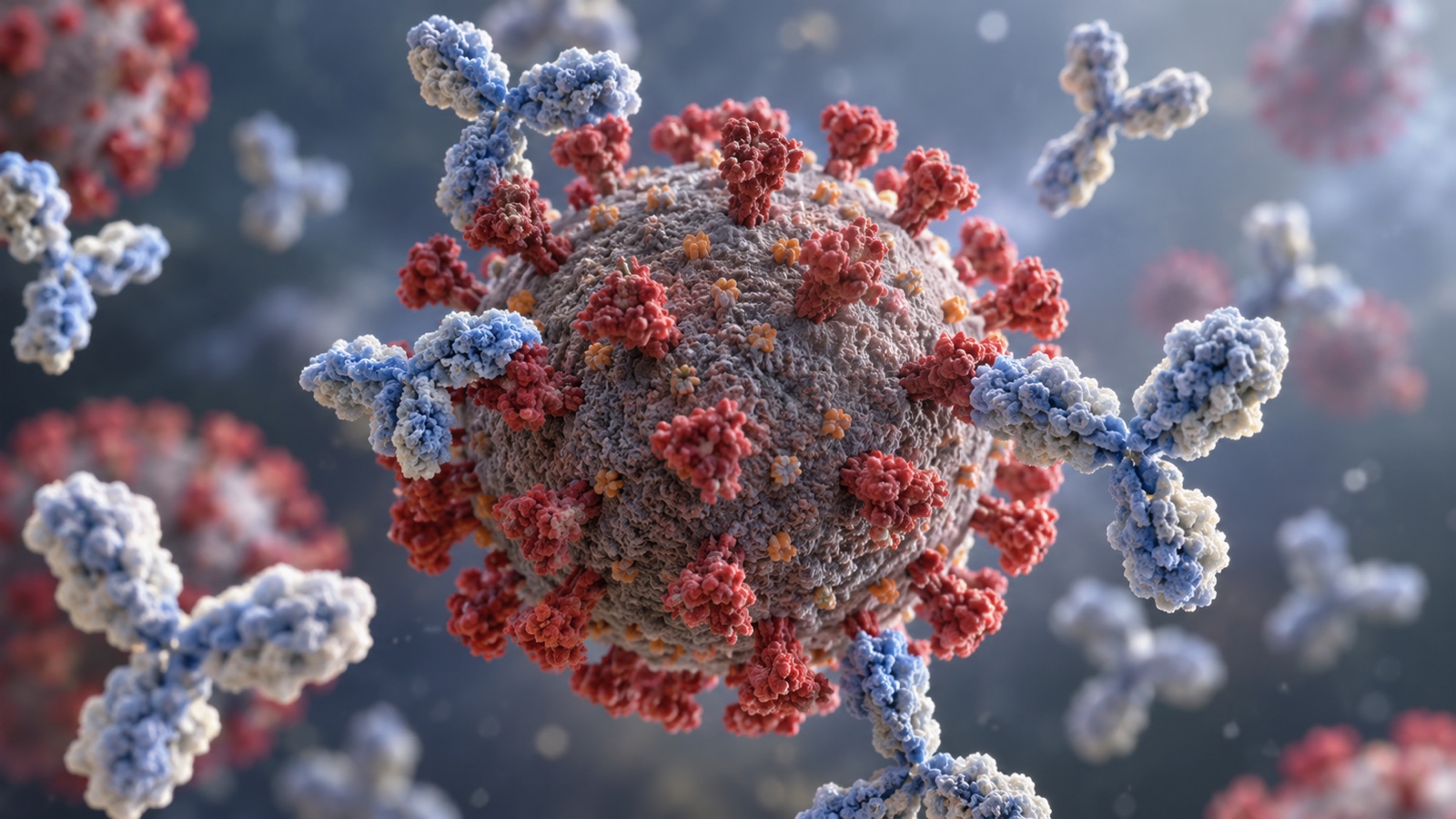
- Antibodies bind specific molecular shapes called epitopes.
- Antibody binding can block a toxin or virus from attaching to cells.
- Antibodies can tag microbes for easier destruction by phagocytes.
- They can also activate complement pathways.
- IgM is often produced early in a first immune response.
- IgG is the most abundant antibody class in normal blood.
- IgA is important on mucosal surfaces and in secretions such as saliva and breast milk.
- IgE participates in defense against parasites and allergic reactions.
- IgD is found mainly as a receptor on B cells.
- B cells can improve antibody binding through a process called affinity maturation.
- Some B cells become memory cells that respond rapidly after later exposure.
- An antibody response is not one generic shield. It is a huge library of molecular keys that becomes more refined after the immune system studies a target.
Vaccines train immune memory without requiring the full disease
- Vaccination exposes the immune system to an antigen or instructions for producing one.
- This can build immune memory without requiring the full natural infection.
- Different vaccines use different technologies.
- Some vaccines use weakened live organisms.
- Others use inactivated organisms.
- Some contain purified proteins or polysaccharides.
- Conjugate vaccines link weakly recognized antigens to proteins that improve immune responses.
- Viral-vector vaccines use modified viruses to deliver genetic instructions.
- mRNA vaccines deliver temporary genetic instructions that cells use to make an antigen.
- mRNA from vaccines does not enter the cell nucleus to alter DNA.
- Immune memory after vaccination can involve antibodies, memory B cells, and memory T cells.
- Antibody levels may decline even while memory cells persist.
- Booster doses can strengthen or refresh immune memory.
- Vaccines do not need to prevent every infection to reduce severe disease effectively.
- Population vaccination can reduce transmission opportunities for some infections.
- Community protection is especially important for people who cannot develop strong immunity.
- Some vaccines work better than others because pathogens differ enormously in biology and mutation rate.
- Influenza vaccines are updated because circulating influenza viruses change frequently.
- Smallpox vaccination enabled global eradication of naturally circulating smallpox.
- Vaccination is essentially a controlled rehearsal that lets the adaptive immune system build files on a threat before the real emergency arrives.
Allergies and autoimmune disease show how immunity can misfire
- An allergy is an immune reaction to a substance that is normally harmless to many people.
- Pollen, foods, medications, insect venom, and animal proteins can trigger allergies.
- IgE antibodies play a major role in many immediate allergic reactions.
- IgE bound to mast cells can trigger rapid histamine release after allergen exposure.
- Histamine contributes to itching, swelling, hives, and nasal symptoms.
- Anaphylaxis is a severe systemic allergic reaction that can become life threatening quickly.
- Epinephrine is the first-line emergency treatment for anaphylaxis.
- Autoimmune disease occurs when immune responses target the body's own tissues.
- There are many different autoimmune diseases because different tissues and pathways can be targeted.
- Type 1 diabetes involves immune destruction of insulin-producing pancreatic beta cells.
- Rheumatoid arthritis involves autoimmune inflammation of joints and other tissues.
- Multiple sclerosis involves immune-mediated damage affecting myelin in the central nervous system.
- Lupus can affect skin, joints, kidneys, blood cells, and other organs.
- Autoimmunity usually reflects a mix of genetic and environmental factors rather than one simple cause.
- Immune tolerance normally reduces reactions against the body's own molecules.
- Regulatory cells and deletion of self-reactive cells help maintain tolerance.
- Some microbes can trigger immune responses that resemble host molecules, a process called molecular mimicry.
- Immune-suppressing treatments can reduce harmful autoimmunity but may also increase infection risk.
- Perfect immunity would require recognizing every danger while never overreacting to harmless material or self tissue, which is an extraordinarily difficult biological balancing act.
- The immune system is powerful enough that many of its most serious diseases come not from weakness alone, but from responses aimed at the wrong target or delivered at the wrong intensity.
Aging, sleep and 5 final immune facts
- Immune responses change with age, and older adults often respond less strongly to new infections and some vaccines.
- Sleep supports normal immune signaling, while chronic sleep loss can alter inflammatory and adaptive immune responses.
- Nutrition matters because immune cells need energy, protein, vitamins, and minerals, but megadoses of supplements do not simply “boost” immunity without limit.
- Regular physical activity is associated with many aspects of better immune and metabolic health, while extreme overtraining without recovery can temporarily alter immune function.
- After 145 facts, the immune system looks less like one army and more like a layered decision-making network that must defend barriers, identify threats, remember past encounters, repair damage, and know when to stop.
Quick FAQ
Q: What is the difference between innate and adaptive immunity?
A: Innate immunity responds quickly using broad threat-recognition systems. Adaptive immunity uses highly specific B- and T-cell receptors and can build long-term memory.
Q: Do vaccines weaken the immune system?
A: No. Vaccines train specific immune responses and memory rather than exhausting or generally weakening immunity.
Q: Are antibodies the whole immune system?
A: No. Antibodies are important tools made by B cells, but T cells, innate cells, complement proteins, barriers, lymphoid tissues, and many other components are equally important.
Q: Why do allergies happen?
A: Allergies occur when the immune system reacts to normally harmless substances, often through IgE, mast cells, histamine, and related inflammatory pathways.
Q: Can you simply boost your immune system?
A: Not in a useful unlimited sense. Healthy immunity depends on balance, because excessive activation can cause allergy, inflammation, or autoimmunity.

Ellie is the owner and sole author of Fun Facts, combining her mechanical engineering background with years of research-driven writing to deliver facts you can trust. Every article is thoroughly fact-checked and routinely updated as new science and sources emerge to keep information accurate and current. Her mission is to make learning delightful while upholding high standards of reliability and transparency.