
Costa Rica is a gem of biodiversity, adventure, and rich culture. From pristine beaches to active volcanoes, it’s a land full of surprises.
Discover fascinating fun facts about Costa Rica, its wildlife, people, and unique quirks in this comprehensive guide. Whether you’re planning a trip or just curious, this list has it all!
Nature and Landscape
- Costa Rica is home to over 5% of the world's biodiversity.
- There are 28 national parks across the country, offering protection to its diverse habitats.
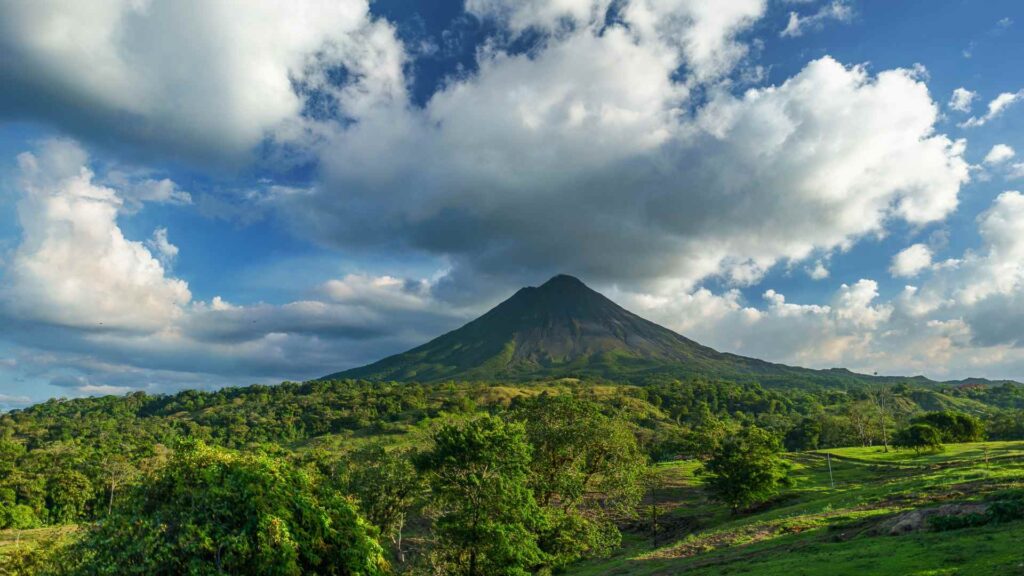
- The Arenal Volcano, one of Costa Rica’s most famous, was active for over 40 years.
- Costa Rica has a cloud forest ecosystem, with Monteverde Cloud Forest being the most famous.
- Over 25% of Costa Rican land is protected by law to conserve wildlife and forests.
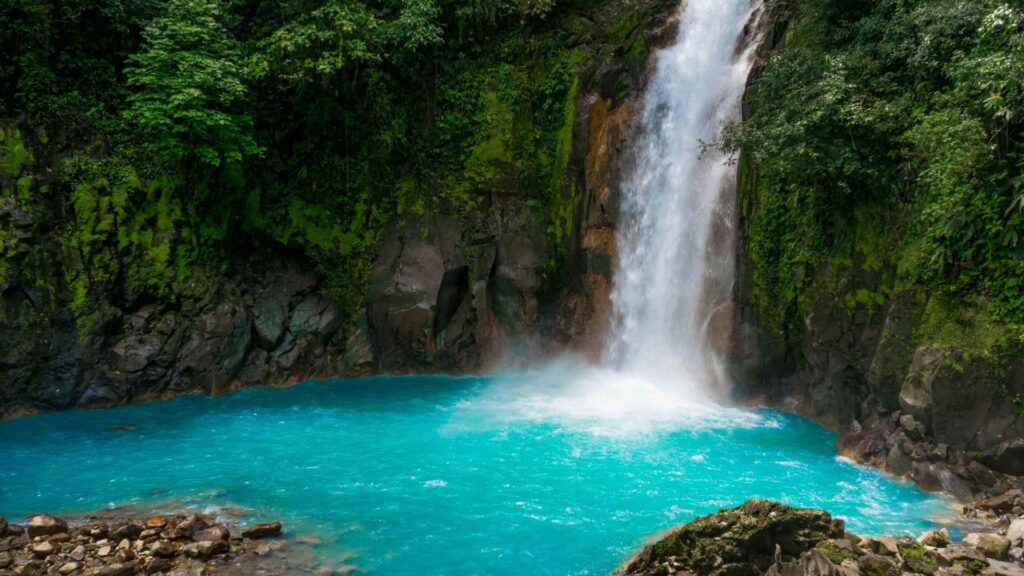
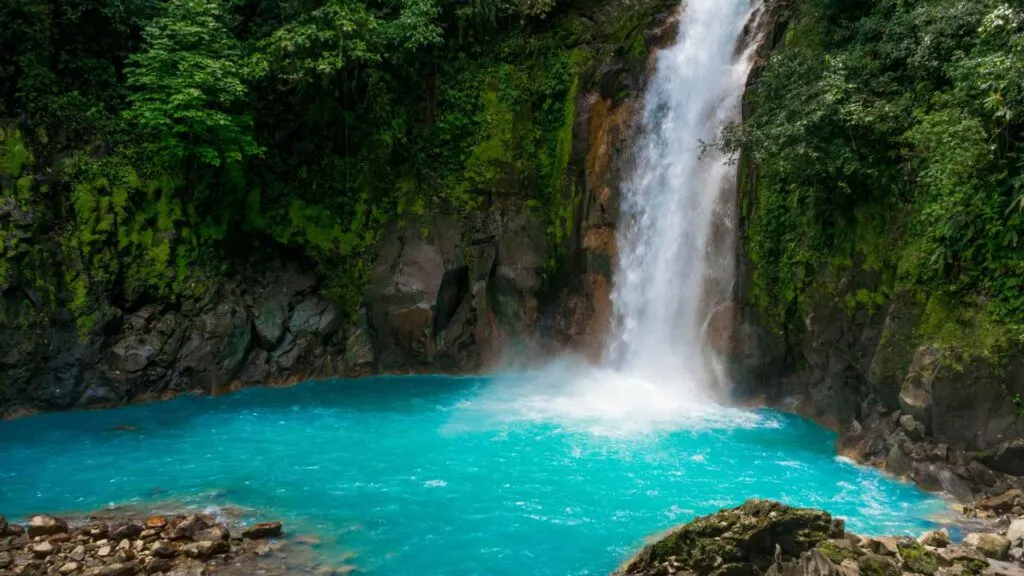
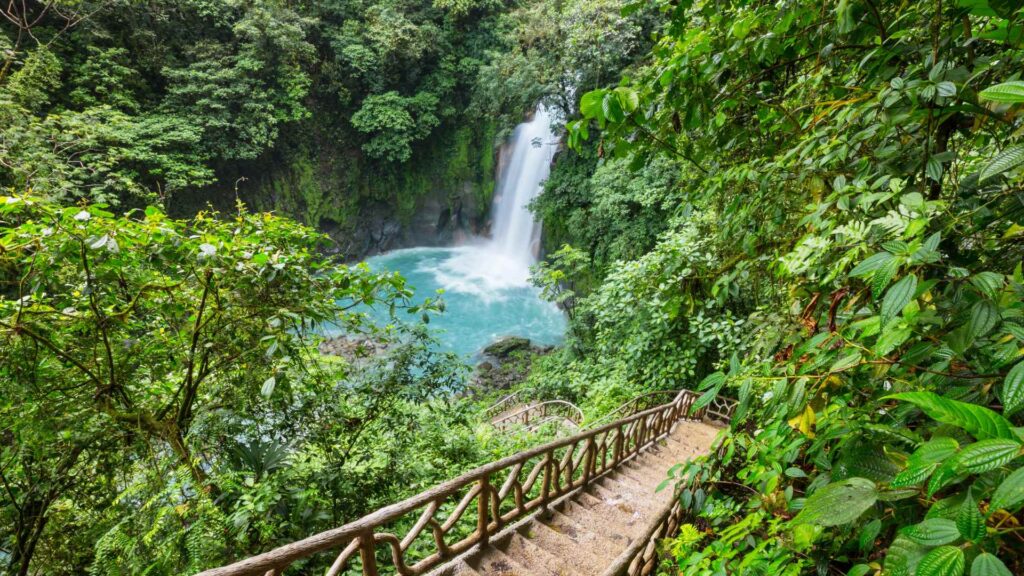
- The Río Celeste river is renowned for its unique turquoise color, caused by volcanic minerals.
- Costa Rica borders both the Pacific Ocean and the Caribbean Sea.
- Costa Rica’s dry season runs from December to April, ideal for beach-goers.
- The country experiences over 100 different microclimates.
- Costa Rica has its own "mini desert" area, known as the Guanacaste region.
- Lake Arenal is the largest lake in Costa Rica and was artificially expanded for hydroelectric power.
- The Osa Peninsula is one of the most biologically intense places on Earth.
- Costa Rica has more than 200 volcanic formations, with six active volcanoes.
- The Nicoya Peninsula is one of the world’s five Blue Zones, known for longevity.
- Rainforests cover approximately 51% of Costa Rica’s territory.
Costa Rican Culture
- Costa Rica's motto, "Pura Vida," means "pure life" and reflects the country's easy-going attitude.
- Soccer, known locally as "fútbol," is the most popular sport.
- The traditional folk dance of Costa Rica is called "El Punto Guanacasteco."
- Costa Rica has no standing army since 1949 and celebrates this with "Día de la Abolición del Ejército."
- "Ticos" and "Ticas" are affectionate terms for Costa Rican men and women.
- Family values are incredibly important in Costa Rican society.
- National dress includes vibrant colors, representing the country’s cheerful spirit.
- Costa Rican slang includes unique words like “mae,” similar to “dude.”
- Bullfighting exists in Costa Rica, but it’s a non-lethal form called “Corrida de Toros.”
- Christmas is one of the most important holidays in Costa Rica.
- Costa Ricans celebrate a week-long festival in July called "Fiestas de los Diablitos."
- Rural Costa Ricans often use ox carts, which are also an iconic symbol of Costa Rican culture.
- Costa Rica celebrates the arrival of the Spanish with "Día de San Juan."
- Costa Rican schools teach students a song called the "Himno Nacional."
- Costa Ricans observe "El Día de la Raza," celebrating indigenous heritage.
Unique Wildlife
- Costa Rica hosts over 500,000 species, including exotic animals, insects, and plants.
- Sloths, both two-toed and three-toed, are common in Costa Rican rainforests.
- The Resplendent Quetzal, a rare and colorful bird, resides in Costa Rica.
- Costa Rica is one of the best places to spot Scarlet Macaws in the wild.
- The country is known for its stunningly diverse frog species, including the Red-Eyed Tree Frog.
- Jaguars roam the Costa Rican rainforests, though they are very elusive.
- Butterflies are abundant; Costa Rica has about 10% of the world's butterfly species.
- Sea turtles, like the Olive Ridley, nest along Costa Rica's beaches.
- The capuchin monkey, with its distinct white face, is common in many forests.
- Costa Rica is home to the poisonous dart frog, which has bright coloring.
- The country has a large population of leaf-cutter ants, a vital part of the ecosystem.
- Crocodiles thrive along the Tarcoles River, where you can see them up close.
- Hummingbirds are plentiful, with more than 50 species found across the country.
- Coatis, raccoon-like animals, are seen in many parts of Costa Rica.
- Whales migrate to Costa Rican waters between July and November.
Costa Rica's History
- Costa Rica gained independence from Spain on September 15, 1821.
- The country was briefly part of the Mexican Empire after independence.
- Coffee production helped shape the country’s economy and history.
- Costa Rica abolished its military in 1949, redirecting funds to education and healthcare.
- The national currency, the colón, was named after Christopher Columbus.
- San José, Costa Rica’s capital, was one of the first cities in Latin America with electricity.
- Costa Rica joined the United Nations in 1945.
- Costa Rica is part of the Central American Integration System (SICA).
- The National Theater, built in 1897, represents Costa Rica’s cultural pride.
- The civil war of 1948 was the last in Costa Rica’s history.
- Former President Oscar Arias won the Nobel Peace Prize in 1987.
- Costa Rica’s first railway connected the capital to the Caribbean port of Limón.
- The country was a founding member of the Organization of American States.
- Indigenous tribes, like the Bribri and Boruca, contribute to Costa Rica’s cultural heritage.
- Costa Rica celebrates Independence Day with parades and traditional music.
Economy and Agriculture
- Coffee is known as Costa Rica's "Golden Bean" and was once the main export.
- Costa Rica is one of the world's largest producers of bananas.
- Tourism is now the largest source of income for the country.
- Costa Rican coffee is considered some of the best in the world.
- Pineapple plantations thrive in the tropical lowlands.
- Costa Rica is known for producing fine chocolate, made from local cacao.
- Eco-tourism plays a significant role in the economy.
- Rice and beans are staple crops for local consumption.
- The country’s economy is heavily invested in sustainable farming.
- Intel has a strong manufacturing presence in Costa Rica.
- Dairy farming, especially in the Central Valley, contributes to the food industry.
- Costa Rica exports ornamental plants to global markets.
- The fishing industry primarily focuses on tuna and mahi-mahi.
- Costa Rica imports more than it exports in electronics and fuel.
- Many Costa Ricans work in the technology sector as engineers and developers.
Bonus Fun Facts
- Costa Rica's official language is Spanish, but English is widely understood.
- Costa Rica’s nickname, "Rich Coast," comes from Spanish explorers.
- Many Costa Ricans believe in “duendes,” mythical creatures of folklore.
- National parks in Costa Rica can be explored by zip-lining.
- You’ll find many “sodas,” local eateries with traditional Costa Rican food.
- Costa Rica has a lower crime rate than most Latin American countries.
- The traditional cartwheel symbol is protected by UNESCO.
- Costa Rica has no nuclear power plants.
- Many Costa Ricans retire in coastal towns along the Pacific.
- Pura Vida is used as a greeting, goodbye, and expression of joy.
- Costa Rica practices universal healthcare.
- Costa Rica is the only country to meet all its electricity needs from renewable energy.
- Red taxis with meters are common throughout the country.
- The currency, colones, often features Costa Rican wildlife on the bills.
- The Tabacón hot springs are heated naturally by Arenal Volcano.
- Costa Rica is famous for river rafting adventures.
- The tallest mountain, Cerro Chirripó, stands at 12,533 feet.
- Costa Rica has over 800 miles of coastline.
- Bullfighting in Costa Rica doesn’t harm the bulls.
- Costa Ricans celebrate La Negrita, or the Virgin of Los Angeles.
- “Carretas” or traditional oxcarts, are painted in bright colors.
- Costa Rica’s literacy rate is 97%.
- Its rainforests are some of the oldest in the world.
- Costa Rica offers free basic education to all citizens.
- San José is home to a large collection of pre-Columbian gold.
- Many Costa Ricans enjoy visiting the Central Market for fresh produce.
- The country has a Women’s World Cup team for soccer.
- Costa Rica’s Pacific beaches are a haven for surfers.

Ellie is the owner and sole author of Fun Facts, combining her mechanical engineering background with years of research-driven writing to deliver facts you can trust. Every article is thoroughly fact-checked and routinely updated as new science and sources emerge to keep information accurate and current. Her mission is to make learning delightful while upholding high standards of reliability and transparency.