
Connecticut is small enough to cross before lunch, but it packs in Ivy League history, submarines, old mill towns, shoreline villages, world-class museums, pizza arguments, and one state nickname involving nutmeg that may or may not involve historically suspicious salesmen. Small state, absolutely no shortage of trivia.
Connecticut basics worth knowing first
- Connecticut became the fifth U.S. state on January 9, 1788.
- Hartford is the state capital.
- Bridgeport is Connecticut’s largest city by population.
- Connecticut is one of the six New England states.
- Its official nickname is the Constitution State.
- Connecticut is also informally called the Nutmeg State.
- The postal abbreviation is CT.
- Connecticut has eight traditional counties.
- County governments were abolished in Connecticut in 1960.
- Local government instead centers heavily on towns and cities.
- Connecticut has 169 towns.
- The Connecticut River divides much of the state geographically.
- Massachusetts borders Connecticut to the north.
- Rhode Island lies to the east.
- New York borders Connecticut to the west.
- Long Island Sound forms the state’s southern coastal edge.
- Connecticut is one of the smallest U.S. states by land area.
- It is much more densely populated than most states.
- The entire state uses the Eastern Time Zone.
- I appreciate a state where “drive across it” and “visit three completely different regions” can be the same afternoon.
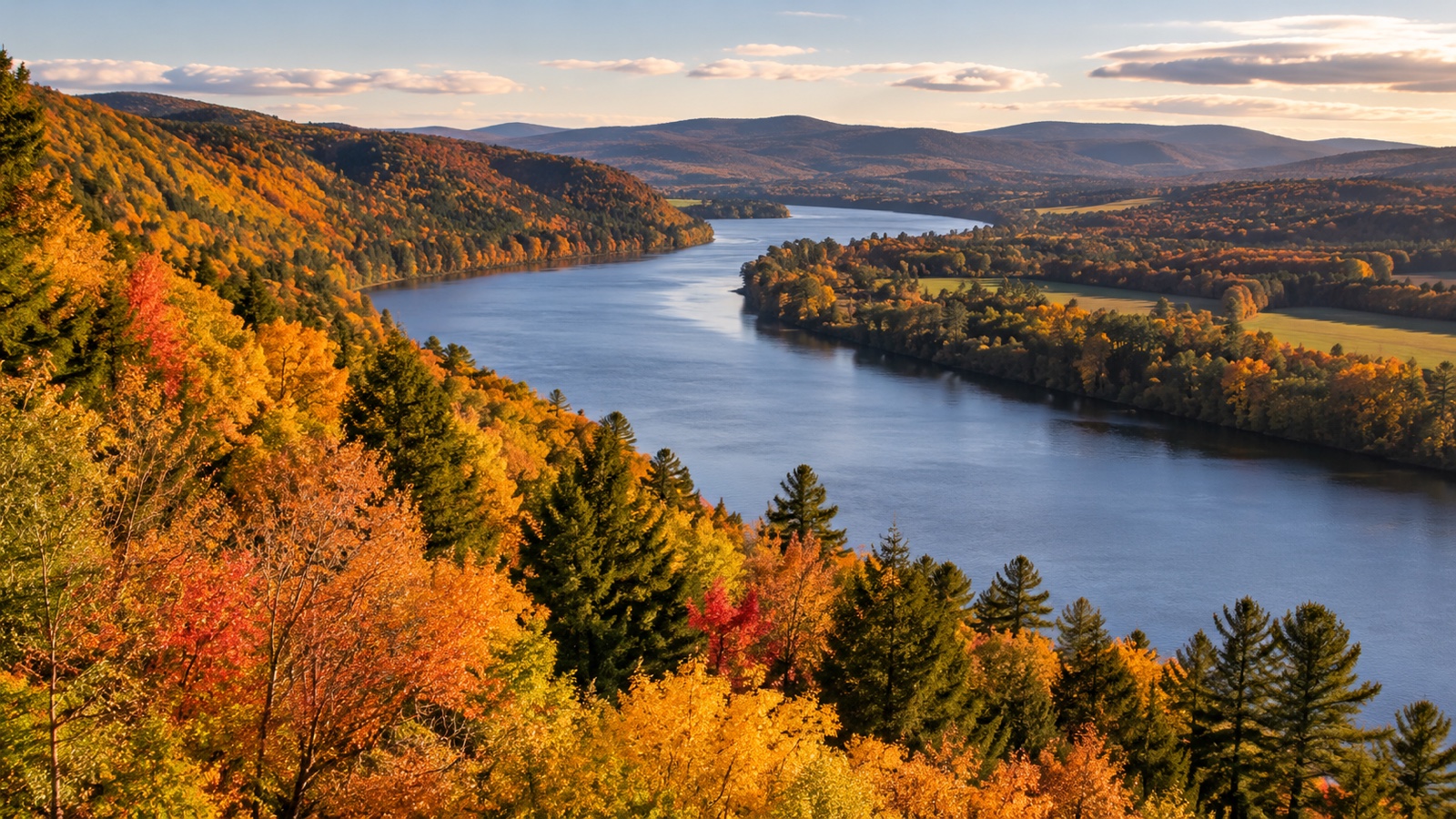
Rivers, hills, shoreline & surprisingly varied geography
- The Connecticut River is the longest river in New England.
- It flows south through Connecticut before emptying into Long Island Sound.
- The Housatonic River crosses western Connecticut.
- The Thames River reaches Long Island Sound at New London.
- Connecticut’s coast faces Long Island Sound rather than the open Atlantic Ocean.
- Long Island shelters the Sound from direct Atlantic wave energy.
- Tidal marshes line portions of the shoreline.
- The northwest corner contains the state’s highest terrain.
- Connecticut’s highest point is on the southern slope of Mount Frissell.
- That high point reaches about 2,379 feet above sea level.
- The summit of Mount Frissell itself is across the state line in Massachusetts.
- Bear Mountain has the highest mountain summit located entirely within Connecticut.
- The Litchfield Hills are known for forested ridges, lakes, and historic villages.
- The Metacomet Ridge runs through central Connecticut.
- That traprock ridge formed from ancient volcanic activity associated with the breakup of Pangaea.
- Sleeping Giant near Hamden is part of the same broad traprock landscape.
- Its profile resembles a giant lying on its back.
- Connecticut has thousands of acres of forests despite its dense population.
- Fall foliage attracts visitors throughout inland parts of the state.
- The geography is basically New England compressed into a carry-on bag.
Why Connecticut is the Constitution State
- English colonists established several settlements in Connecticut during the 1630s.
- Hartford, Windsor, and Wethersfield became important early Connecticut River communities.
- The Fundamental Orders of Connecticut were adopted in 1639.
- They created a framework of government for Connecticut River towns.
- The document is one reason Connecticut uses the Constitution State nickname.
- Historians debate exactly how revolutionary the Fundamental Orders were compared with other colonial governing documents.
- Connecticut received a royal charter from King Charles II in 1662.
- The charter granted unusually broad self-government for an English colony.
- Connecticut legend says colonists hid the charter in a large oak tree.
- That tree became known as the Charter Oak.
- The hiding story is connected with an attempt by royal governor Edmund Andros to assert greater control in 1687.
- The original Charter Oak fell during a storm in 1856.
- Wood from the tree was preserved and made into commemorative objects.
- The Charter Oak remains a powerful state symbol.
- Connecticut played an important role in the American Revolution.
- Its farms and workshops supplied food and equipment to the Continental cause.
- Nathan Hale, a famous American spy, was born in Coventry, Connecticut.
- Benedict Arnold was born in Norwich, Connecticut.
- Arnold fought effectively for the American cause before becoming infamous for defecting to the British.
- Connecticut history really did produce both a patriotic martyr and America’s most famous traitor.
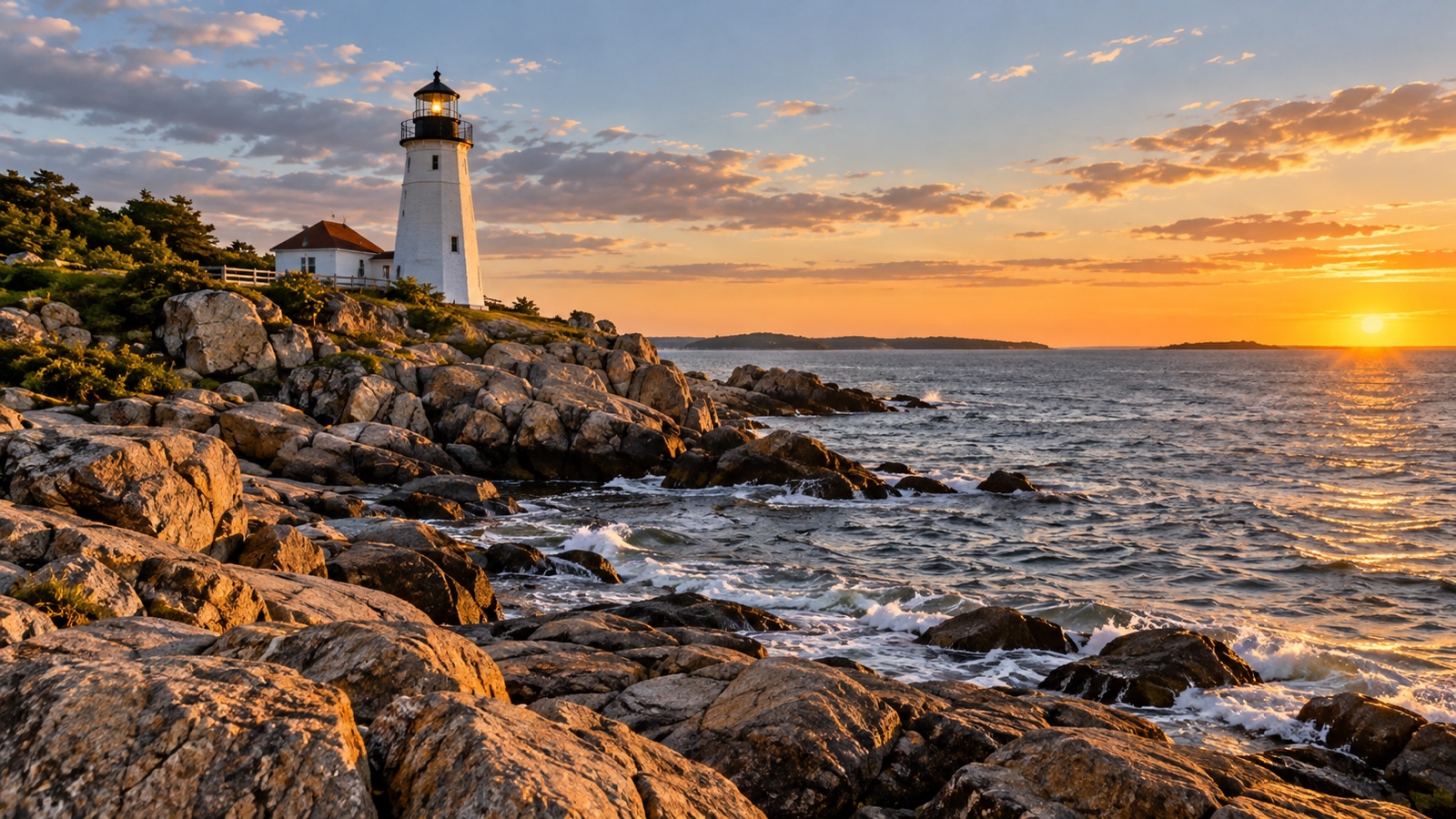
Yale, education & Connecticut brainpower
Connecticut’s education reputation is not just Yale, although having one of America’s oldest universities in New Haven certainly does not hurt. The state also helped shape American dictionaries, textbooks, museums, libraries, law, science, and plenty of inventions I use without thinking about where they started.
- Yale University was founded in 1701.
- It is the third-oldest institution of higher education in the United States.
- Yale moved permanently to New Haven during the early 18th century.
- The university was named for benefactor Elihu Yale.
- Yale’s campus includes architecture spanning several centuries.
- Its Beinecke Rare Book and Manuscript Library is famous for translucent marble walls.
- The Yale University Art Gallery is one of America’s oldest university art museums.
- The Peabody Museum of Natural History holds major collections in fossils, minerals, anthropology, and biology.
- Wesleyan University is located in Middletown.
- Trinity College is in Hartford.
- The University of Connecticut’s main campus is in Storrs.
- UConn’s Huskies have built nationally prominent basketball programs.
- Noah Webster was born in West Hartford.
- Webster became famous for dictionaries and spelling books.
- His spelling reforms helped reinforce American forms such as “color” instead of “colour.”
- Connecticut therefore has a direct connection to the American-English rule I am using in this article.
- The Connecticut Historical Society preserves extensive state documents and artifacts.
- Public libraries have deep roots in many of the state’s old towns.
- Connecticut’s compact geography puts several colleges within a short drive of one another.
- A state can be tiny and still require an unreasonable number of college sweatshirts.
Submarines, helicopters & industrial Connecticut
- Connecticut has a long manufacturing history built around rivers, ports, metalworking, and skilled labor.
- Samuel Colt established a major firearms factory in Hartford during the 19th century.
- Colt’s factory helped advance interchangeable-parts manufacturing.
- The Colt Armory’s blue onion-shaped dome remains a Hartford landmark.
- Connecticut became a major center for clocks, tools, hardware, brass, textiles, and machinery.
- Waterbury became famous for brass manufacturing.
- Bridgeport developed as a major industrial and port city.
- Igor Sikorsky built his American aviation career in Connecticut.
- Sikorsky Aircraft became closely associated with Stratford.
- Sikorsky developed one of the first successful mass-produced helicopters.
- Connecticut remains an important aerospace manufacturing state.
- Pratt & Whitney, known for aircraft engines, has deep Connecticut roots.
- Groton is nicknamed the Submarine Capital of the World.
- Electric Boat has built submarines in the Groton area for generations.
- The U.S. Navy operates Naval Submarine Base New London in Groton.
- The base is actually located across the Thames River from the city of New London.
- The USS Nautilus was the world’s first operational nuclear-powered submarine.
- Nautilus was launched in Groton in 1954.
- Today, the historic submarine is displayed at the Submarine Force Museum.
- Connecticut can take you from 18th-century churches to nuclear-submarine history before dinner.
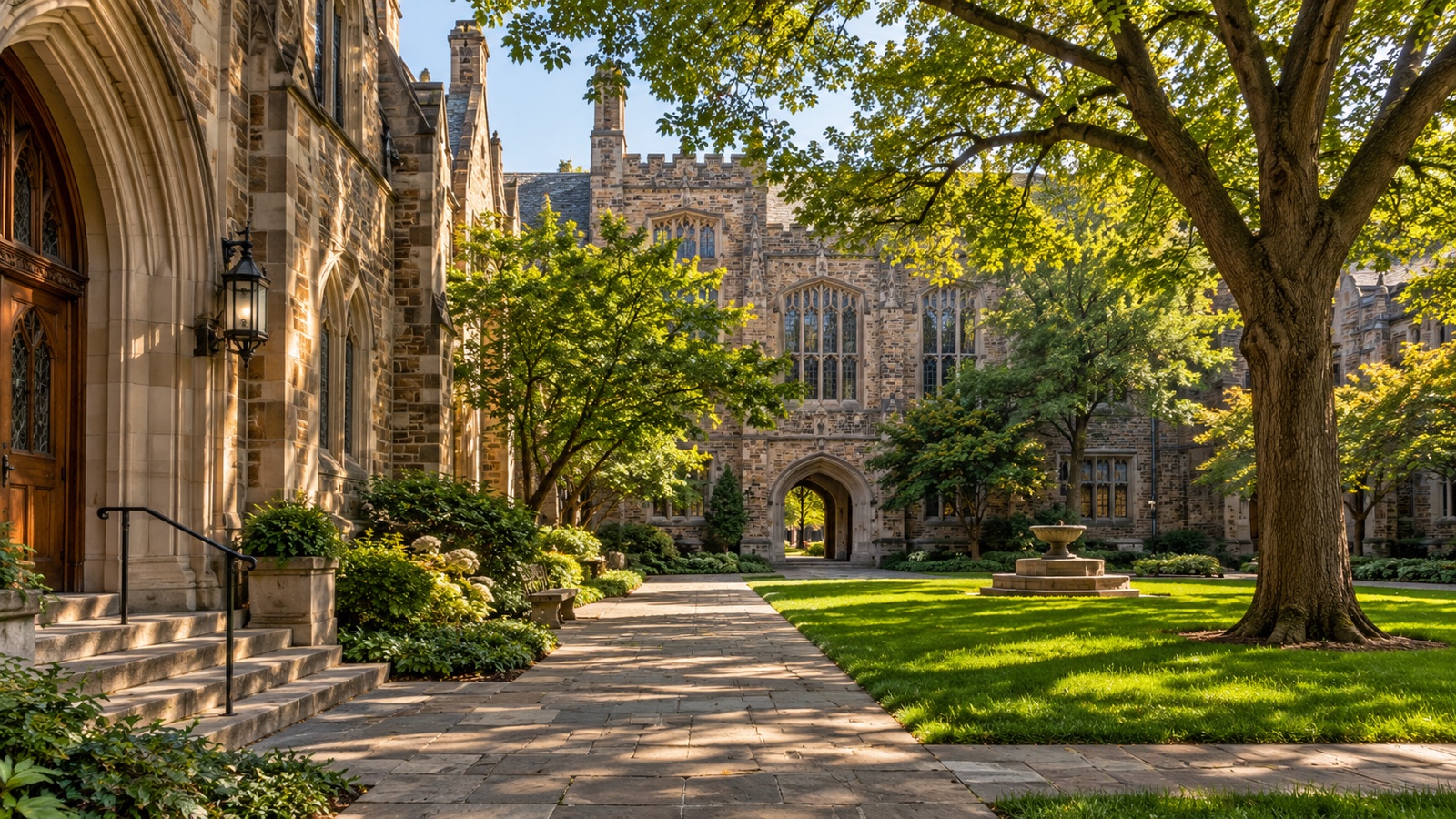
Writers, museums, shoreline towns & Connecticut culture
Hartford once had Mark Twain and Harriet Beecher Stowe living practically next door, which feels unfair to every ordinary neighborhood book club. The state’s cultural side stretches from literary houses to maritime museums, old theaters, amusement parks, and shoreline towns where lobster rolls become a serious regional argument.
- Mark Twain lived in Hartford from 1874 to 1891.
- He wrote major works including “Adventures of Huckleberry Finn” during his Hartford years.
- Twain’s elaborate Hartford home is now a museum.
- Harriet Beecher Stowe lived nearby.
- Stowe wrote “Uncle Tom’s Cabin” before moving into her Hartford house.
- Her preserved home is also open to visitors.
- Mystic Seaport Museum preserves historic ships and maritime buildings.
- The Charles W. Morgan, built in 1841, is the world’s oldest surviving wooden whaling ship still afloat.
- Mystic Aquarium is another major southeastern Connecticut attraction.
- Gillette Castle overlooks the Connecticut River.
- Actor William Gillette designed the unusual stone home.
- Gillette became famous for portraying Sherlock Holmes on stage.
- Lake Compounce opened in the 19th century and is often described as America’s oldest continuously operating amusement park.
- The Bushnell Park carousel in Hartford dates to the early 20th century.
- Connecticut’s shoreline towns include Greenwich, Westport, Madison, Old Saybrook, and Stonington.
- Essex is known for its historic village center and river setting.
- The Essex Steam Train operates heritage rail excursions.
- Connecticut has both sandy beaches and rocky shoreline sections along Long Island Sound.
- New England stone walls crisscross woods that were once cleared farmland.
- The more Connecticut forest you walk through, the more likely you are to find evidence that somebody farmed it two centuries ago.
Pizza, hamburgers, nutmeg & 25 Connecticut facts I love
- New Haven has one of America’s most fiercely defended regional pizza traditions.
- New Haven-style pizza is commonly called apizza, pronounced roughly “ah-BEETS.”
- Thin, charred crust is a hallmark of classic New Haven apizza.
- Frank Pepe Pizzeria Napoletana opened in New Haven in 1925.
- Sally’s Apizza opened nearby in 1938.
- A white clam pie is one of the style’s signature pizzas.
- Louis’ Lunch in New Haven is widely credited with serving an early hamburger sandwich in 1900.
- The restaurant still cooks burgers in vertical cast-iron broilers.
- Central Connecticut has a regional tradition of steamed cheeseburgers.
- The burger and cheese are steam-cooked rather than griddled.
- Connecticut-style lobster rolls are traditionally served warm with butter.
- That contrasts with cold mayonnaise-dressed lobster rolls common elsewhere in New England.
- The town of Orange is home to the PEZ Visitor Center.
- PEZ candy originated in Austria, but the company has major U.S. operations in Connecticut.
- The Frisbie Pie Company of Bridgeport helped inspire the name “Frisbee.”
- College students tossed empty Frisbie pie tins for fun.
- The flying plastic toy later adopted a similar-sounding trademarked name.
- The Nutmeg State nickname has several proposed origins.
- One colorful story claims clever Connecticut peddlers sold wooden fake nutmegs, but historians treat that tale cautiously.
- A more ordinary explanation is that Connecticut merchants traded heavily in spices including nutmeg.
- The state bird is the American robin.
- The state flower is the mountain laurel.
- The state tree is the white oak, honoring the Charter Oak tradition.
- Insurance has been so central to Hartford’s economy that the city is nicknamed the Insurance Capital of the World.
- After 145 facts, Connecticut feels less like a tiny state and more like somebody compressed an entire history textbook between New York and Rhode Island.

Quick FAQ
Q: What is Connecticut famous for?
A: Connecticut is known for Yale, submarines, insurance, New Haven pizza, colonial history, Mark Twain, Mystic Seaport, the Connecticut River, and its shoreline towns.
Q: What is the capital of Connecticut?
A: Hartford is the capital, while Bridgeport is the largest city by population.
Q: Why is Connecticut called the Constitution State?
A: The nickname is tied to the 1639 Fundamental Orders, an early framework of representative government adopted by Connecticut River towns.
Q: Is Connecticut really the birthplace of the hamburger?
A: Louis’ Lunch in New Haven is widely credited with serving an early hamburger sandwich around 1900, though food-origin claims always come with competing stories.
Q: Why is Connecticut called the Nutmeg State?
A: The nickname is associated with the state’s historic merchants and spice trade. The famous wooden-nutmeg story is colorful folklore rather than a securely proven explanation.

Ellie is the owner and sole author of Fun Facts, combining her mechanical engineering background with years of research-driven writing to deliver facts you can trust. Every article is thoroughly fact-checked and routinely updated as new science and sources emerge to keep information accurate and current. Her mission is to make learning delightful while upholding high standards of reliability and transparency.