
Blood looks simple in a test tube, but it is a constantly moving tissue packed with cells, proteins, gases, nutrients, hormones, and chemical signals. It delivers oxygen, fights infection, seals wounds, carries heat, and gets rebuilt nonstop inside your bones.
Blood is a living tissue, not just red liquid
- Blood is classified as a connective tissue because living cells are suspended in a liquid extracellular matrix.
- The liquid portion of blood is called plasma.
- Plasma normally makes up a little more than half of total blood volume.
- Red blood cells make up most of the remaining volume.
- White blood cells and platelets occupy a very thin layer called the buffy coat after blood is centrifuged.
- A typical adult has roughly 1.2 to 1.5 gallons of blood, although volume varies with body size and physiology.
- Blood usually represents around 7 to 8 percent of an adult's body weight.
- Blood carries oxygen from the lungs to tissues throughout the body.
- It carries carbon dioxide from tissues toward the lungs for removal.
- Blood transports nutrients absorbed from the digestive tract.
- It carries hormones from endocrine organs to distant target tissues.
- It transports metabolic waste toward organs such as the kidneys and liver.
- Blood helps distribute heat produced by active tissues.
- Changing blood flow near the skin helps the body regulate temperature.
- Blood contributes to maintaining a stable acid-base balance.
- Healthy arterial blood is normally kept within a narrow pH range of about 7.35 to 7.45.
- Blood also helps maintain fluid balance between vessels and surrounding tissues.
- Proteins dissolved in plasma help keep water inside the circulation.
- Blood contains immune cells, antibodies, complement proteins, and other defenses against infection.
- The red liquid in a tube is less a single substance and more a crowded mobile ecosystem with a delivery service, repair crew, security team, and waste route sharing the same highway.
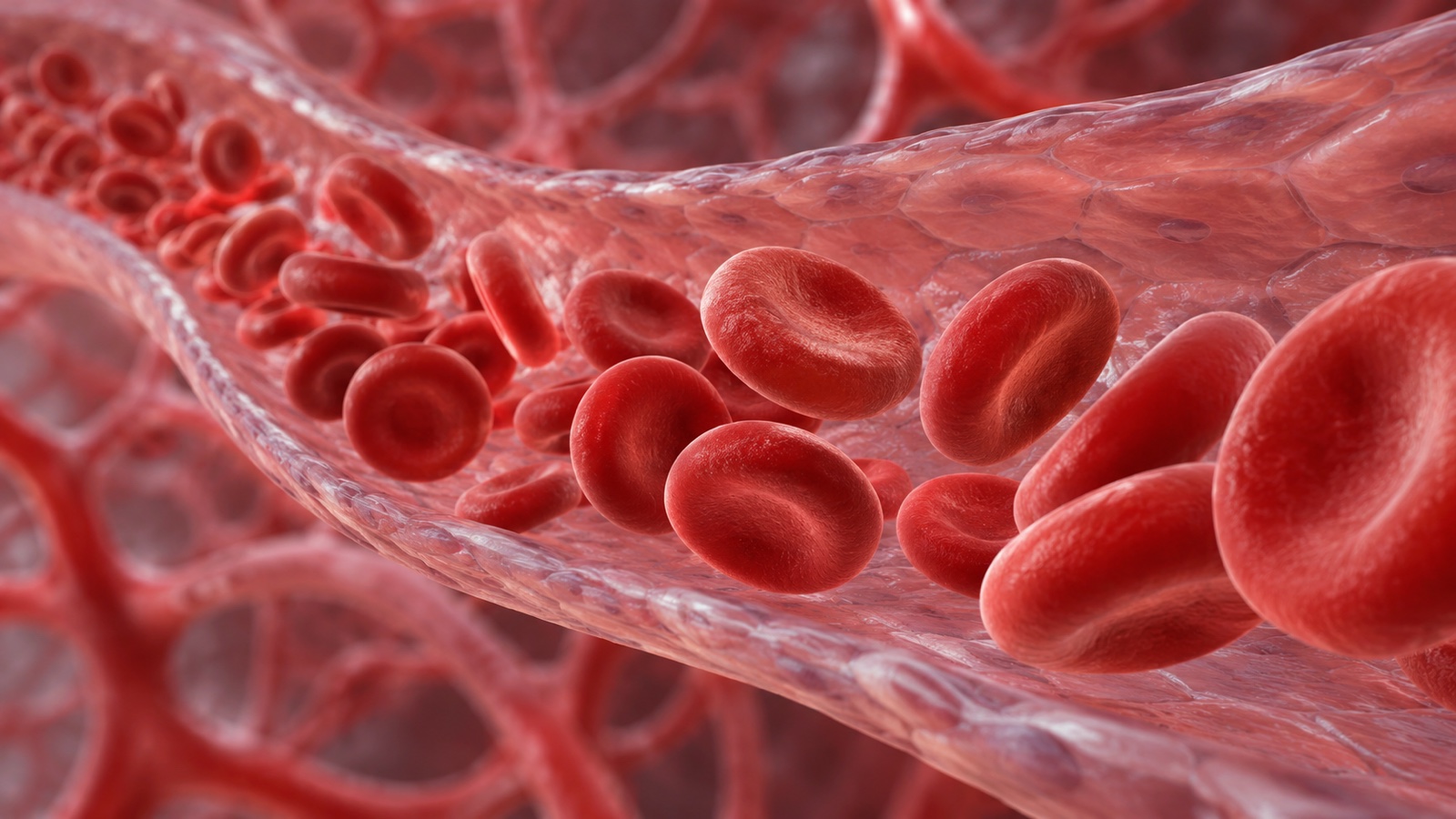
Red blood cells are tiny oxygen-delivery specialists
- Red blood cells are also called erythrocytes.
- They are the most numerous cells in human blood.
- A single microliter of blood commonly contains several million red blood cells.
- Mature human red blood cells have a distinctive biconcave disc shape.
- That shape increases surface area for rapid gas exchange.
- It also helps red blood cells bend through capillaries narrower than their resting diameter.
- Mature human red blood cells do not contain a nucleus.
- They also lose most other internal organelles while maturing.
- Losing those structures creates more room for the oxygen-carrying protein hemoglobin.
- Hemoglobin contains iron-bearing heme groups.
- Each hemoglobin molecule can bind up to four oxygen molecules.
- Oxygenated hemoglobin gives arterial blood its bright red appearance.
- Deoxygenated blood is still red, not blue.
- Veins can look blue through skin because light is absorbed and scattered by tissue, not because the blood inside is blue.
- Red blood cells usually circulate for about 120 days.
- Old or damaged red cells are removed mainly by the spleen and liver.
- Useful iron from old hemoglobin is recycled rather than simply discarded.
- The kidneys release erythropoietin when oxygen delivery is too low.
- Erythropoietin stimulates bone marrow to increase red blood cell production.
- A red blood cell spends its entire mature life traveling without a nucleus, squeezing through microscopic vessels and repeatedly loading and unloading oxygen until the body finally recycles it.
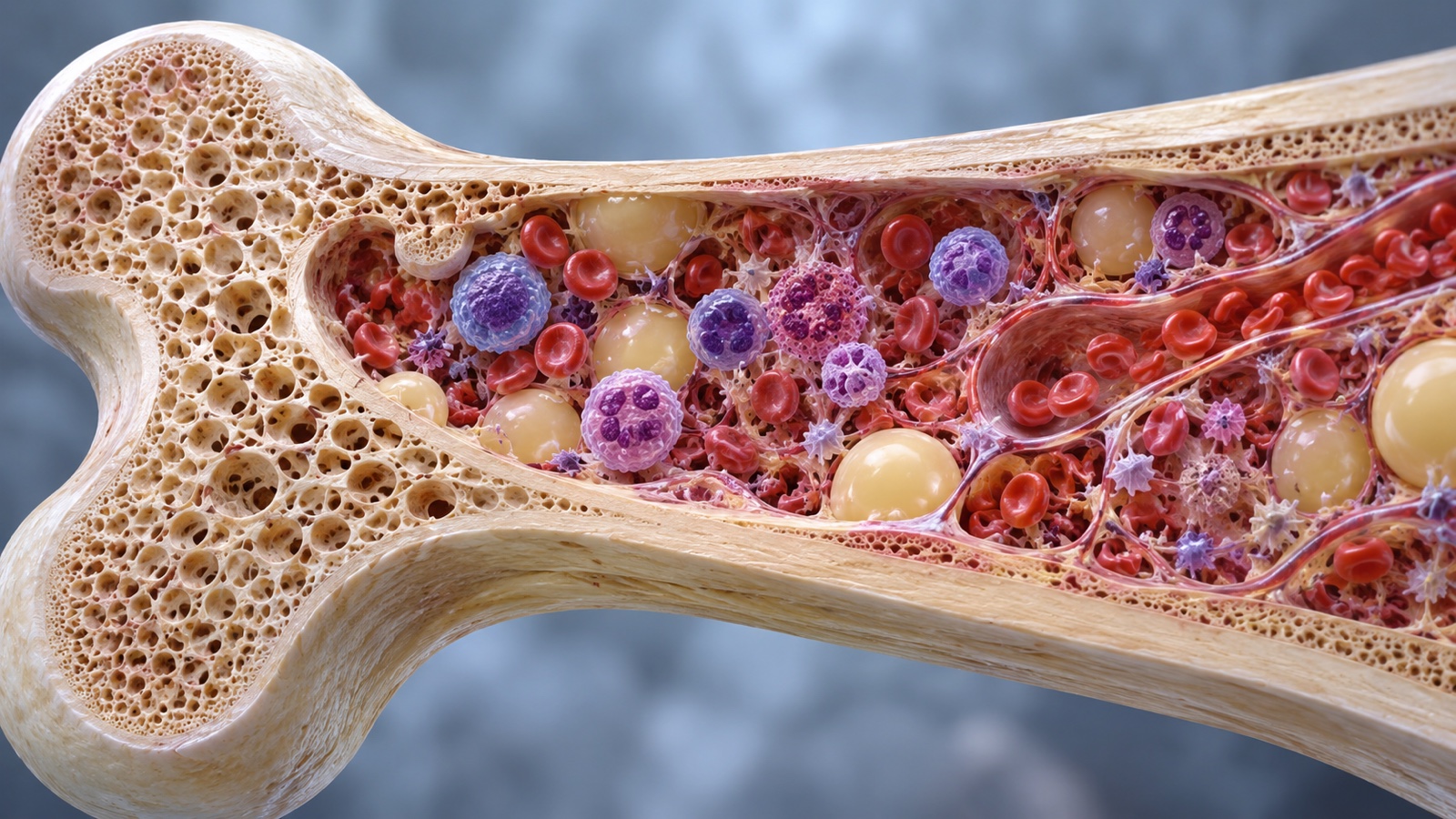
Bone marrow manufactures billions of blood cells
- The production of blood cells is called hematopoiesis.
- In healthy adults, most hematopoiesis occurs in red bone marrow.
- Important adult marrow sites include the pelvis, ribs, sternum, vertebrae, skull, and ends of certain long bones.
- Blood-forming stem cells can produce every major blood-cell lineage.
- These hematopoietic stem cells can both self-renew and generate more specialized descendants.
- Red blood cells develop through several precursor stages before entering the circulation.
- An immature red blood cell newly released from marrow is called a reticulocyte.
- Reticulocyte counts can show how actively marrow is replacing red blood cells.
- The body produces enormous numbers of new red blood cells every second.
- White blood cells also arise from hematopoietic stem cells.
- Platelet-producing cells called megakaryocytes develop in bone marrow.
- Megakaryocytes are enormous compared with ordinary circulating blood cells.
- Platelets form when pieces of megakaryocyte cytoplasm break off into the bloodstream.
- Iron is essential for normal hemoglobin production.
- Vitamin B12 and folate are important for normal blood-cell development.
- Severe deficiencies of these nutrients can produce different types of anemia.
- Bone marrow responds to infection, bleeding, oxygen demand, and hormonal signals.
- Marrow can increase cell production dramatically when the body needs replacements.
- Some blood cancers begin when marrow cells acquire changes that disrupt normal growth and maturation.
- The quiet tissue inside certain bones is essentially running a round-the-clock factory whose products immediately leave the building through the bloodstream.
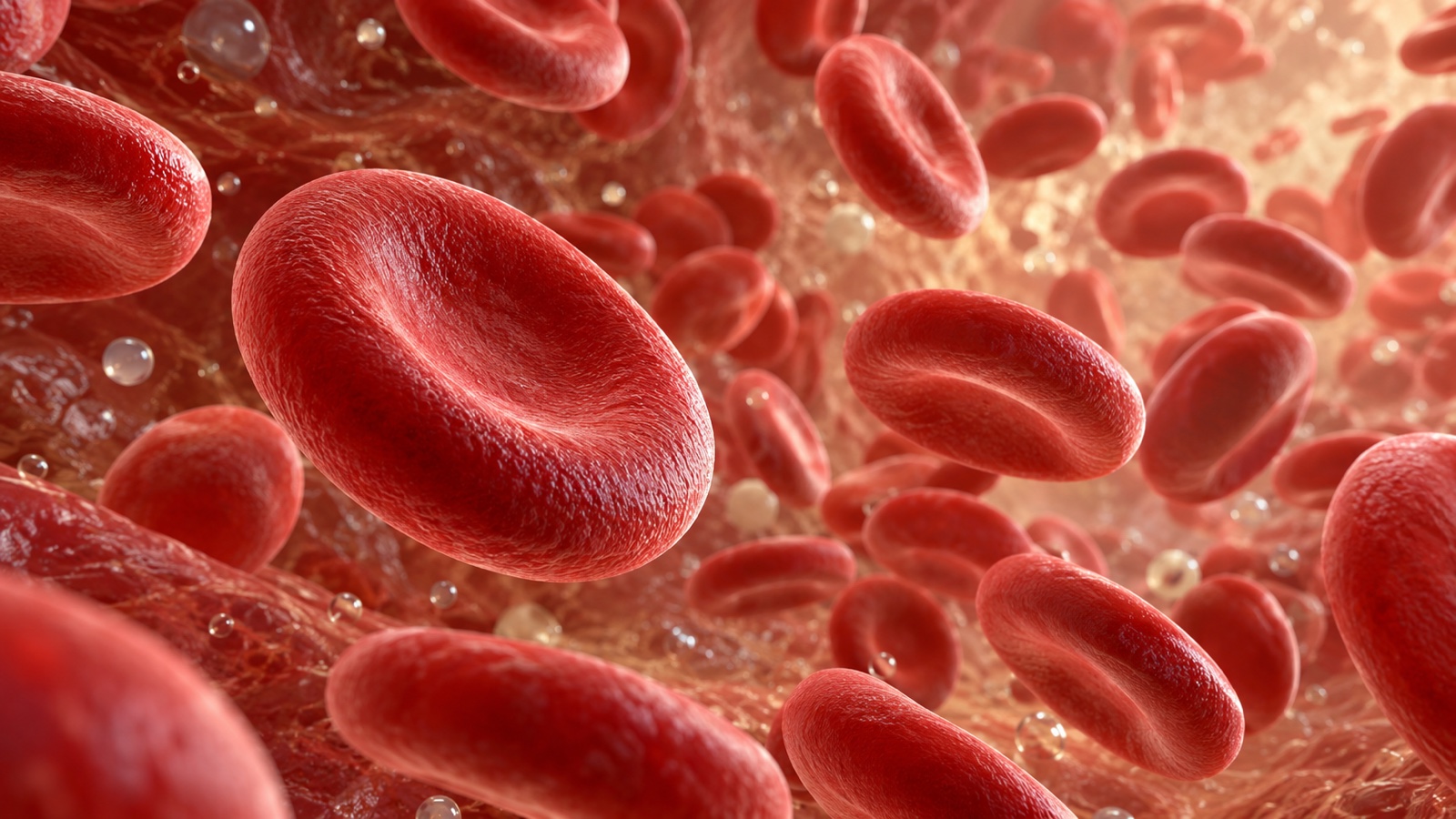
White blood cells are a whole family of immune defenders
- White blood cells are also called leukocytes.
- They are far less numerous than red blood cells under ordinary conditions.
- White blood cells can leave the bloodstream and enter tissues.
- Different white blood cell types perform very different immune jobs.
- Neutrophils are usually the most abundant circulating white blood cells in healthy adults.
- Neutrophils are rapid responders to many bacterial infections and tissue injuries.
- Lymphocytes include B cells, T cells, and natural killer cells.
- B cells can mature into plasma cells that secrete antibodies.
- T cells coordinate immune responses and can directly kill infected or abnormal cells.
- Natural killer cells can destroy certain infected or transformed cells without prior sensitization to a specific target.
- Monocytes circulate in blood and can develop into macrophages or related cells after entering tissues.
- Macrophages engulf microbes, dead cells, and debris.
- Eosinophils participate in responses to parasites and allergic inflammation.
- Basophils release mediators involved in inflammatory and allergic reactions.
- A white blood cell count can rise during infection, inflammation, stress, medication effects, and many other conditions.
- A low white blood cell count can also have many causes and does not identify one disease by itself.
- White blood cells recognize threats using receptors that detect microbial patterns or specific antigens.
- Some immune cells remember previous infections and respond faster after later exposure.
- Vaccination works partly by building this adaptive immune memory without requiring the full natural disease.
- Calling white blood cells “the immune cells” is accurate but wildly incomplete, because the group includes scouts, coordinators, antibody factories, engulfing cells, and specialized killers with very different assignments.
Platelets and clotting proteins can seal a damaged vessel
- Platelets are small cell fragments rather than complete nucleated cells.
- The process that stops bleeding is called hemostasis.
- When a vessel is damaged, it can constrict to reduce blood loss.
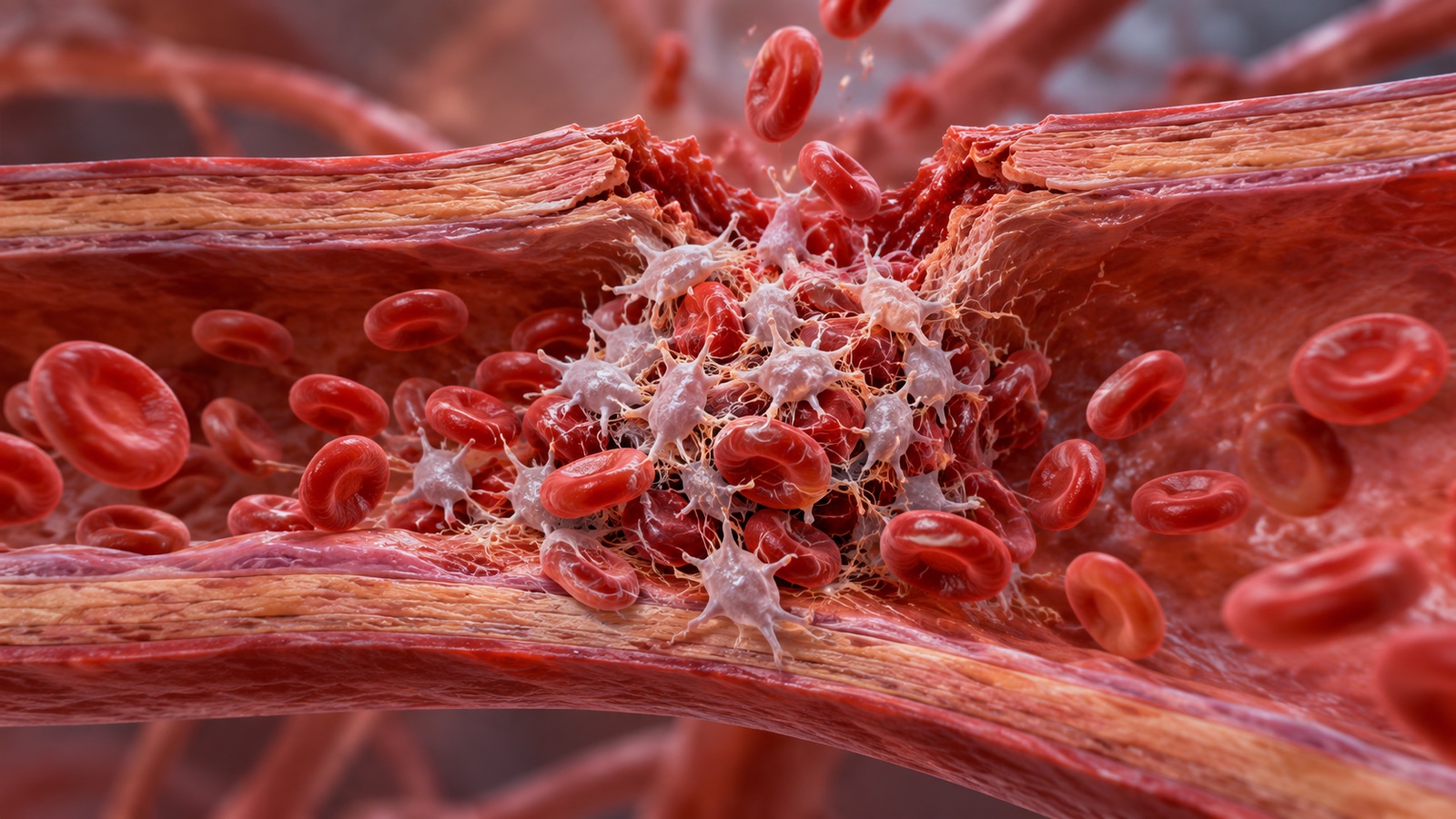
- Platelets stick to exposed structures at the injury site.
- Activated platelets change shape and release chemical signals.
- Those signals recruit additional platelets.
- A temporary platelet plug forms rapidly at many small injuries.
- Clotting proteins in plasma then build a stronger fibrin network.
- Fibrin forms threadlike strands that stabilize the developing clot.
- Many clotting factors circulate in inactive forms until the clotting cascade is triggered.
- Calcium ions participate in several clotting reactions.
- Vitamin K is required for the normal production of several clotting factors.
- The liver produces many proteins involved in coagulation.
- The body also has anticoagulant systems that prevent clotting from spreading everywhere.
- After healing, enzymes gradually break down fibrin in a process called fibrinolysis.
- Plasmin is a major fibrin-dissolving enzyme.
- A blood clot can be lifesaving when it seals a wound.
- The same basic process can become dangerous when a clot forms inside an intact vessel.
- A clot that travels through the circulation is called an embolus once it is moving.
- Blood clotting is one of those systems where the body has to react quickly enough to stop a leak while remaining restrained enough not to accidentally repair plumbing that was never broken.
Blood types matter because immune systems notice cell-surface markers
- Blood groups are based on inherited molecules found on blood cells or in plasma.
- The ABO system is one of the most important blood group systems in transfusion medicine.
- People with type A blood have A antigens on their red blood cells.
- People with type B blood have B antigens.
- People with type AB blood have both A and B antigens.
- People with type O blood have neither A nor B antigen on their red cells.
- Plasma naturally contains antibodies against certain ABO antigens a person does not have.
- Giving incompatible red blood cells can trigger a dangerous immune reaction.
- The Rh blood group system includes the clinically important D antigen.
- People who have the D antigen are commonly called Rh positive.
- People who lack it are commonly called Rh negative.
- O negative red blood cells are often used in emergencies when a recipient's blood type is not yet known.
- That does not make O negative blood universally compatible for every blood component or every clinical situation.
- AB plasma lacks anti-A and anti-B antibodies and is often considered broadly compatible plasma for emergency use.
- Blood banks perform compatibility testing before many transfusions.
- A crossmatch checks whether donor red cells react with a recipient's plasma.
- There are dozens of recognized human blood group systems beyond ABO and Rh.
- Rare blood types can make finding compatible donors difficult.
- Pregnancy can expose a mother to fetal red-cell antigens she does not carry herself.
- Blood typing looks like a simple letter system until you discover that transfusion specialists are actually navigating a large inherited catalog of cell-surface markers and antibodies.
Plasma carries proteins, nutrients, hormones and waste
- Plasma is roughly 90 percent water.
- The remaining portion contains proteins, electrolytes, nutrients, hormones, gases, and waste products.
- Albumin is the most abundant protein in human plasma.
- Albumin helps maintain oncotic pressure that keeps fluid within blood vessels.
- Globulins include transport proteins, antibodies, and other molecules.
- Fibrinogen is a soluble plasma protein that is converted into fibrin during clotting.
- Serum is the liquid left after blood has clotted and clotting proteins have been consumed or removed.
- Plasma and serum are therefore related but not identical laboratory samples.
- Sodium is the major positively charged ion in extracellular fluid and plasma.
- Blood transports glucose from the digestive tract and liver to tissues that need fuel.
- It carries amino acids used to build proteins.
- It transports lipids in packages called lipoproteins because fats do not dissolve freely in watery plasma.
- Most carbon dioxide in blood is transported as bicarbonate rather than as free gas bubbles.
- Blood carries urea toward the kidneys for excretion.
- It carries bilirubin and other compounds toward the liver for processing.
- Plasma volume changes with hydration, salt balance, hormones, temperature, and illness.
- Dehydration can reduce plasma volume and make the concentration of blood cells appear higher.
- Drinking excessive water extremely quickly can dangerously dilute blood sodium.
- Blood chemistry is tightly regulated because even modest changes in electrolytes or acidity can disrupt nerves, muscles, and the heart.
- Plasma looks less dramatic than red cells under a microscope, but it is the moving chemical environment that lets nearly every blood cell and organ exchange material with the rest of the body.
Donation, testing and 5 final blood facts
- Blood donation can provide red cells, platelets, plasma, or combinations of components for patients who need them.
- Donated whole blood is commonly separated into components so one donation can help more than one patient.
- Laboratory blood tests can measure cell counts, chemistry, antibodies, hormones, clotting function, and countless other markers.
- A complete blood count measures red cells, white cells, platelets, hemoglobin, hematocrit, and related indices.
- After 145 facts, blood stops looking like one red fluid and starts looking like a constantly renewed transport network, immune system, repair system, chemical messenger route, and living tissue that quietly connects nearly every organ you have.
Quick FAQ
Q: Is blood ever blue?
A: No. Human blood is always some shade of red. Veins can look blue through skin because of how light interacts with tissue.
Q: How much blood is in the human body?
A: A typical adult has roughly 1.2 to 1.5 gallons, but the amount varies with body size, age, sex, pregnancy, and other factors.
Q: How long does a red blood cell live?
A: About 120 days on average before aging cells are removed and their useful components are recycled.
Q: What is the difference between plasma and serum?
A: Plasma contains clotting proteins such as fibrinogen. Serum is the liquid that remains after blood has clotted.
Q: Why are blood types important?
A: Red blood cells carry inherited surface antigens. Incompatible transfusions can trigger dangerous immune reactions, so donor and recipient blood must be matched carefully.

Ellie is the owner and sole author of Fun Facts, combining her mechanical engineering background with years of research-driven writing to deliver facts you can trust. Every article is thoroughly fact-checked and routinely updated as new science and sources emerge to keep information accurate and current. Her mission is to make learning delightful while upholding high standards of reliability and transparency.