
Nintendo was making playing cards nearly a century before Mario jumped over his first barrel. The Kyoto company survived changing entertainment markets by trying toys, electronic games, arcade machines, handhelds, home consoles, motion controls, and hybrid hardware, while creating characters that became global icons. These 145 Nintendo facts explore its 1889 origins, hanafuda cards, Game & Watch, Donkey Kong, Mario, Zelda, Game Boy, Pokémon, Nintendo 64, Wii, Switch, controllers, famous designers, and the company’s unusual path from paper cards to interactive worlds.
Nintendo basics
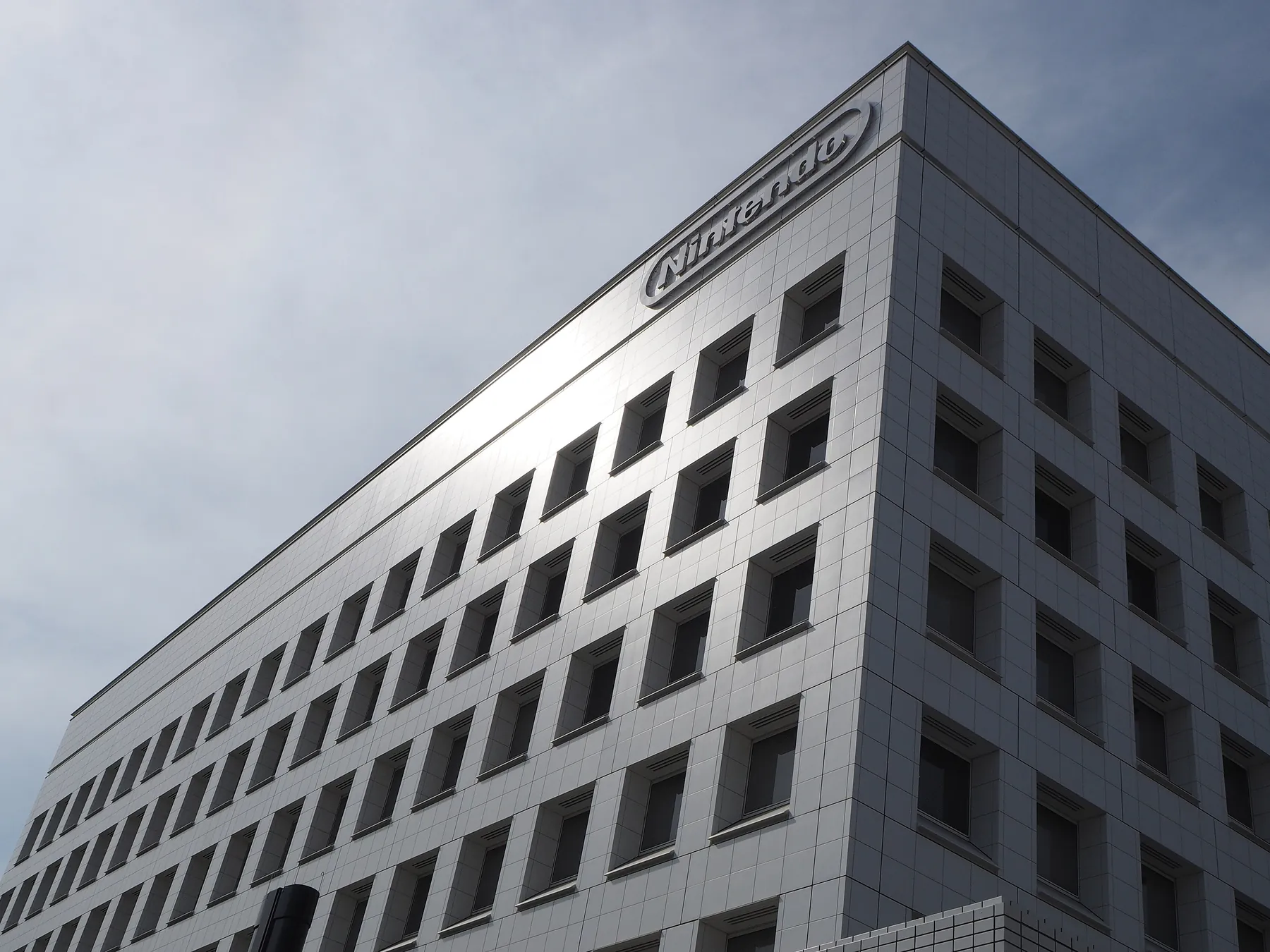
- Nintendo is a Japanese entertainment company headquartered in Kyoto.
- Its history begins in 1889.
- Founder Fusajiro Yamauchi started a playing-card business.
- Nintendo existed almost a century before its first globally famous video-game consoles.
- The company originally produced handmade hanafuda cards.
- Hanafuda are traditional Japanese flower cards.
- Nintendo later manufactured Western-style playing cards too.
- The company expanded into toys and electronic entertainment during the 20th century.
- It entered the video-game business before the home-console boom of the 1980s.
- Nintendo created or publishes franchises including Mario, The Legend of Zelda, Animal Crossing, Splatoon, and others.
- It co-owns The Pokémon Company with Game Freak and Creatures.
- Nintendo has produced arcade games, handhelds, consoles, toys, software, and theme-park collaborations.
- Its hardware often emphasizes distinctive ways to play rather than competing only on raw processing power.
- Many of its most famous characters originated in games designed for very different hardware generations.
- Nintendo’s official corporate history traces the company from cards through modern interactive entertainment.
It started with hanafuda cards
- Fusajiro Yamauchi founded Nintendo in Kyoto in 1889.
- His company made hanafuda playing cards.
- Hanafuda decks use flower imagery connected with months of the year.
- Different games use the same deck in different ways.
- Card manufacturing required printing, coloring, cutting, and durable paper construction.
- Nintendo became successful enough to expand production.
- Leadership eventually passed through the Yamauchi family.
- The company became incorporated in the 20th century.
- It adopted the name Nintendo Playing Card Co. during part of its history.
- Nintendo later partnered with Disney to produce licensed playing cards in Japan.
- Character cards helped broaden the market to families and children.
- Playing cards remained part of Nintendo’s business even after electronic games became dominant.
- Nintendo still sells traditional cards in Japan.
- The card era matters because it established Nintendo as a company selling play rather than one specific technology.
- That entertainment-first identity helped it survive repeated shifts in hardware.
Gunpei Yokoi sees fun in simple technology
- Gunpei Yokoi became one of Nintendo’s most influential engineers and designers.
- He originally worked maintaining machinery at a Nintendo factory.
- Yokoi built an extending mechanical toy in his spare time.
- Company president Hiroshi Yamauchi noticed it.
- The idea became the Ultra Hand toy.
- Ultra Hand sold successfully during the 1960s.
- Yokoi went on to create and supervise many electronic products.
- He promoted a design philosophy later summarized as lateral thinking with withered technology.
- The idea was to use mature inexpensive technology in creative new ways.
- This could reduce cost and encourage playful design.
- Yokoi helped create the Game & Watch handheld line.
- He also played a central role in Game Boy development.
- Game Boy used a modest monochrome screen rather than cutting-edge color hardware.
- Its battery life, price, portability, and software helped make that tradeoff successful.
- Nintendo repeatedly proved that older technology can feel new when the interaction design is clever.
Game & Watch invents a controller standard
- Nintendo launched Game & Watch handheld games in 1980.
- Each device typically contained one built-in game.
- The screen used simple liquid-crystal display technology.
- The devices also functioned as clocks.
- That explains the name Game & Watch.
- Some models included alarms.
- Game & Watch titles featured early versions of characters later associated with Nintendo franchises.
- A 1982 Game & Watch version of Donkey Kong introduced a cross-shaped directional pad.
- Gunpei Yokoi designed the compact D-pad for thumb control.
- The design allowed four directions without four separate bulky buttons.
- Nintendo later used a D-pad on the Famicom controller.
- The concept became an industry standard.
- Modern controllers still contain descendants of that basic cross-shaped design.
- Game & Watch proved portable electronic gaming could be a major market.
- A small handheld clock-game helped define how billions of future players would move characters.
Donkey Kong introduces Mario
- Nintendo released the arcade game Donkey Kong in 1981.
- Shigeru Miyamoto designed the game.
- Miyamoto became one of the most influential designers in video-game history.
- The player character was originally known simply as Jumpman.
- He was a carpenter in the game’s early concept.
- Jumpman later became Mario.
- Donkey Kong throws barrels and obstacles down a construction site.
- The player climbs ladders to rescue Pauline.
- The game helped establish platform-style action.
- Mario’s mustache made his face readable with very few pixels.
- His hat reduced the need to animate detailed hair.
- Overalls helped distinguish his arms from his body.
- Hardware limitations therefore influenced Mario’s iconic appearance.
- The name Mario is associated with Mario Segale, landlord of Nintendo of America’s early warehouse.
- A character built around pixel constraints became one of entertainment’s most recognizable figures.
Famicom becomes the NES
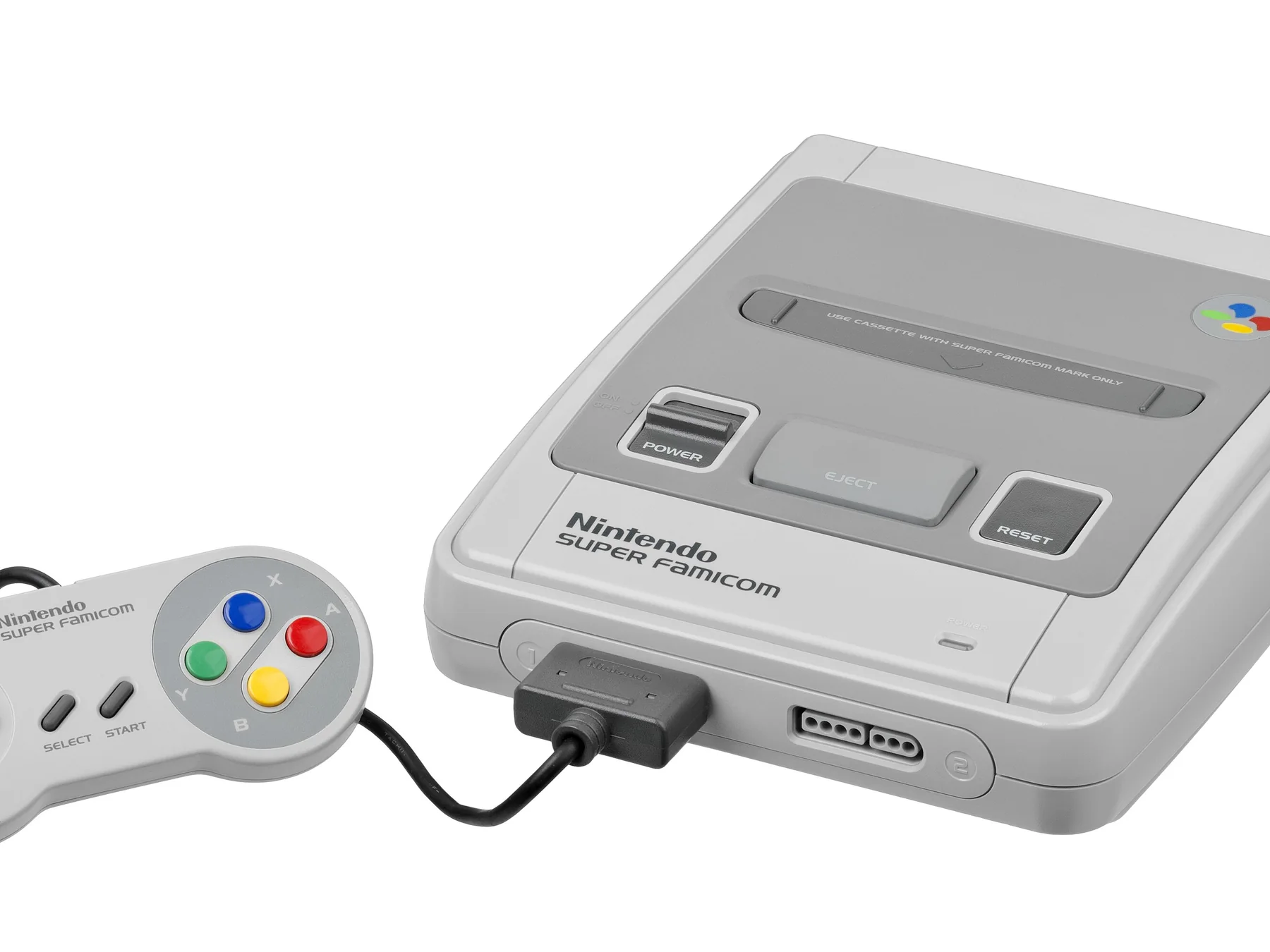
- Nintendo launched the Family Computer in Japan in 1983.
- It became known as the Famicom.
- The console used interchangeable cartridges.
- Nintendo redesigned the hardware for North America.
- The Nintendo Entertainment System launched in the United States during the mid-1980s.
- The American design looked more like consumer electronics than the red-and-white Japanese Famicom.
- The North American game industry was recovering from a major market crash.
- Nintendo imposed licensing rules on third-party developers.
- The company used a lockout chip to control unauthorized software on the NES.
- The Nintendo Seal of Quality became a familiar package symbol.
- Super Mario Bros. launched in 1985.
- Its smooth scrolling and level design became enormously influential.
- The NES Zapper supported light-gun games such as Duck Hunt.
- R.O.B. the robot was marketed with some systems to make the NES feel different from failed game consoles.
- The NES helped restore home video games as a major U.S. consumer category.
Zelda gives players a battery-backed world
- The Legend of Zelda debuted in Japan in 1986.
- Shigeru Miyamoto and Takashi Tezuka were key creators.
- Miyamoto drew inspiration partly from childhood exploration around Kyoto.
- The player controls Link.
- Princess Zelda and Link are different characters despite the franchise title.
- The villain Ganon became a recurring antagonist.
- The original game encouraged open-ended exploration.
- Players searched for hidden caves and dungeon entrances.
- The North American cartridge famously came in a gold-colored shell.
- It contained battery-backed memory.
- That allowed players to save progress without writing down long passwords.
- Saving was important because Zelda adventures were much longer than typical arcade-style games.
- The series repeatedly reinvented its structure across hardware generations.
- Ocarina of Time helped define 3D action-adventure design.
- Breath of the Wild later emphasized physics-driven open-world exploration.
Game Boy conquers portable gaming
- Nintendo released the Game Boy in Japan in 1989.
- Gunpei Yokoi led the development team.
- The original Game Boy used a monochrome greenish display.
- Competitors offered color screens.
- Game Boy used much less battery power than some color rivals.
- It was also relatively durable.
- Tetris became a defining Game Boy game.
- Nintendo bundled Tetris with many systems outside Japan.
- The puzzle game appealed beyond traditional young action-game audiences.
- A Link Cable let two Game Boys exchange game data.
- That cable later became crucial to Pokémon trading.
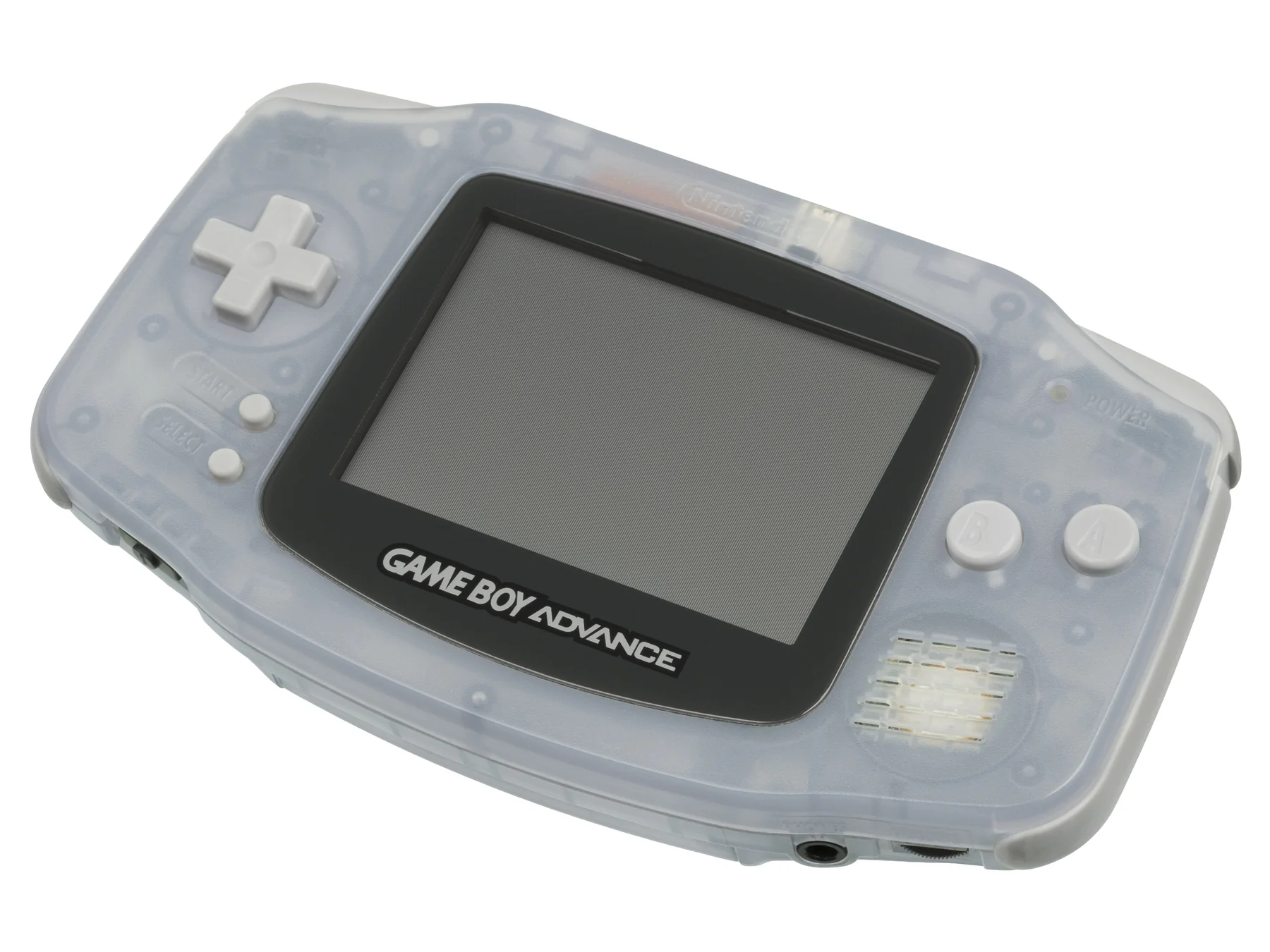
- Game Boy Color followed in 1998.
- Game Boy Advance arrived in 2001.
- The broader Game Boy family sold in enormous numbers worldwide.
- Portable Nintendo gaming became a separate pillar of the company rather than merely a miniature console market.
From Wii to Switch
- Nintendo 64 brought many Nintendo franchises into polygonal 3D during the 1990s.
- Super Mario 64 helped define analog-stick movement in 3D games.
- The GameCube followed in 2001.
- Nintendo DS launched in 2004 with two screens.
- Its lower screen was touch-sensitive.
- The Wii launched in 2006 with motion-sensitive controllers.
- Wii Sports made motion control understandable through familiar sports gestures.
- The Wii reached many people who did not identify as traditional gamers.
- Wii U introduced a controller with a built-in screen.
- The Wii U sold poorly compared with the Wii.
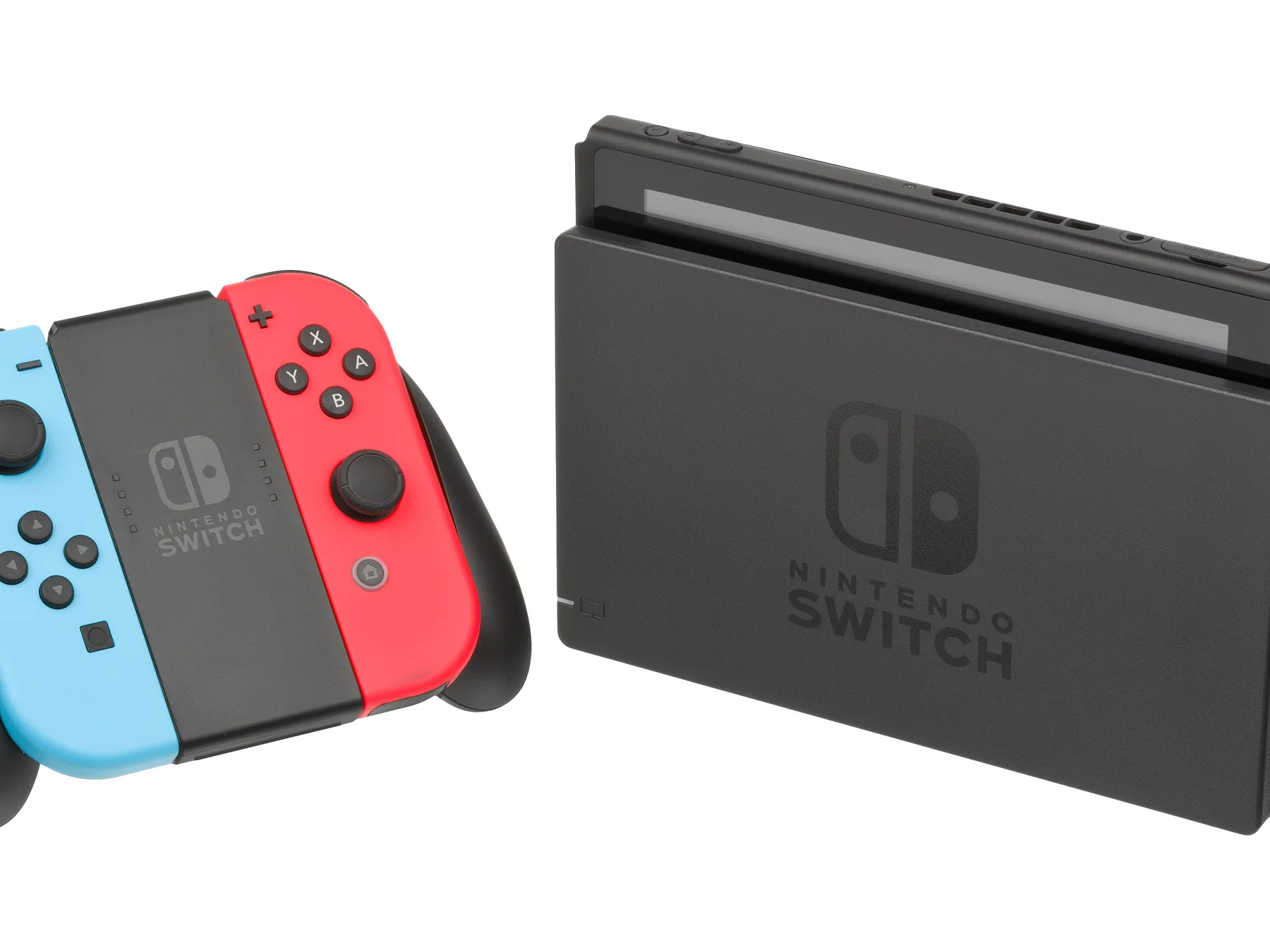
- Nintendo Switch launched in 2017.
- It can function as both a handheld system and a television-connected console.
- Detachable Joy-Con controllers support several play configurations.
- The Switch combined Nintendo’s historically separate handheld and home-console software audiences.
- Nintendo’s hardware history repeatedly alternates between enormous hits, difficult experiments, and ideas that later reappear in improved form.
Ten surprising Nintendo facts
- Nintendo was founded in 1889, long before electronic video games.
- Its first major products were handmade flower playing cards.
- The D-pad grew from a Game & Watch design problem.
- Mario began as Jumpman in Donkey Kong.
- Mario’s hat and mustache partly solved early pixel-art limitations.
- The Famicom and North American NES look dramatically different despite being versions of the same console generation.
- The original Zelda cartridge used a battery so players could save a long adventure.
- Game Boy beat technically flashier portable competitors partly through battery life, price, and software.
- The Switch effectively reunited Nintendo’s handheld and home-console worlds.
- For more gaming trivia, explore our video-game facts, Pokémon facts, and Tech facts.
Quick Nintendo FAQ
When was Nintendo founded?
1889 in Kyoto, Japan, as a maker of hanafuda playing cards.
Who created Mario?
Game designer Shigeru Miyamoto created the character who first appeared as Jumpman in the 1981 arcade game Donkey Kong.
What was Nintendo’s first business?
Manufacturing traditional Japanese hanafuda playing cards.
Who invented the D-pad?
Nintendo designer Gunpei Yokoi developed the influential cross-shaped directional pad for Game & Watch hardware before it spread to console controllers.
When did Nintendo Switch launch?
March 2017, introducing Nintendo’s successful hybrid handheld-and-TV console concept.

Ellie is the owner and sole author of Fun Facts, combining her mechanical engineering background with years of research-driven writing to deliver facts you can trust. Every article is thoroughly fact-checked and routinely updated as new science and sources emerge to keep information accurate and current. Her mission is to make learning delightful while upholding high standards of reliability and transparency.