
Vietnam stretches from misty northern mountains to tropical southern waterways, with limestone bays, imperial cities, coffee farms, motorbike-filled streets, ancient temples, enormous caves, and one of the world’s most recognizable food cultures. Its history includes powerful dynasties, colonial rule, decades of war, reunification, and rapid economic change. These 145 Vietnam facts explore geography, history, language, food, coffee, UNESCO sites, wildlife, traditions, cities, and everyday culture.
Vietnam basics
- Vietnam’s official name is the Socialist Republic of Viet Nam.
- It is located in Southeast Asia.
- Vietnam occupies the eastern side of the Indochinese Peninsula.
- It shares land borders with China, Laos, and Cambodia.
- The South China Sea lies along much of its eastern coastline.
- Hanoi is the national capital.
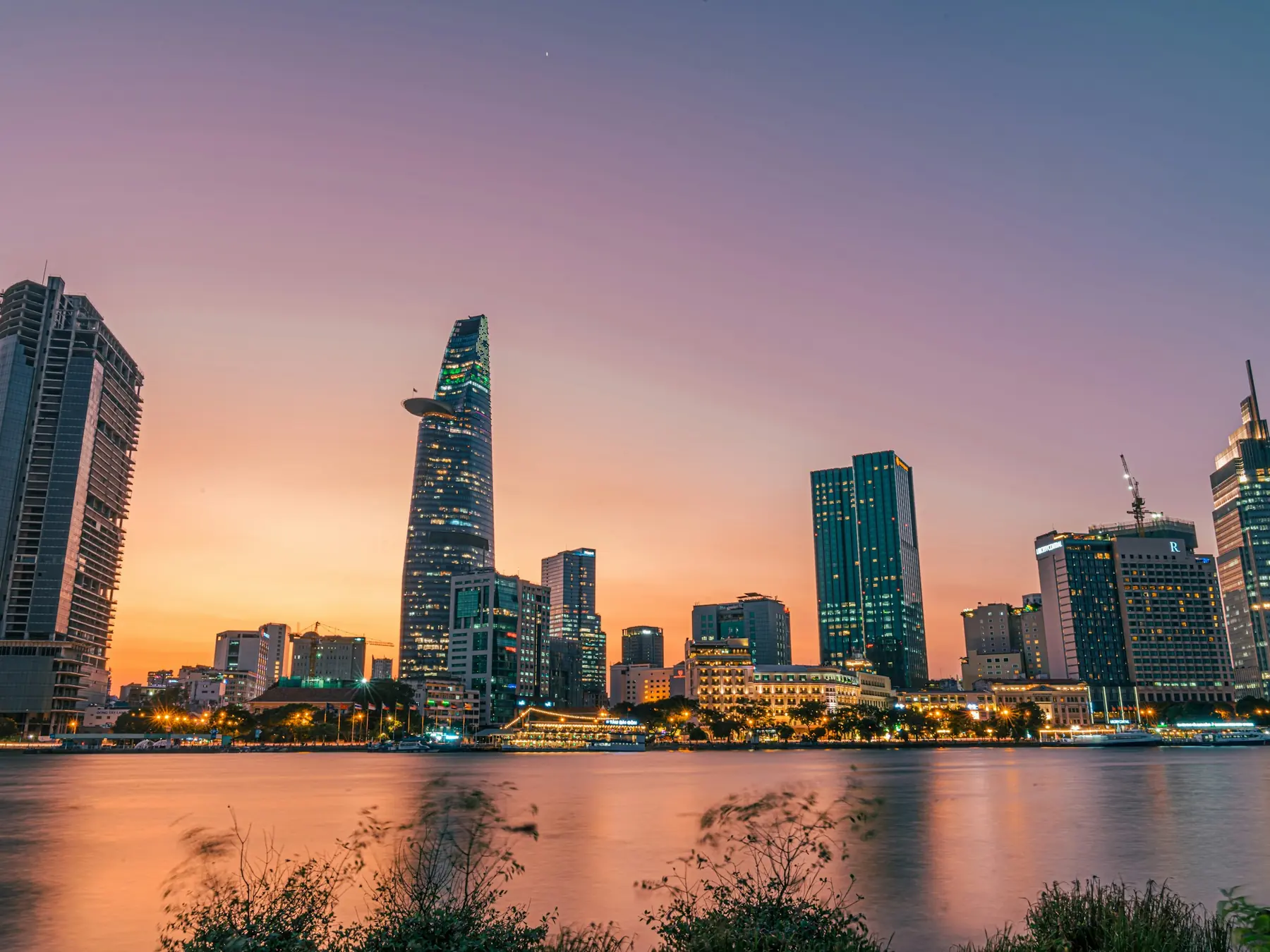
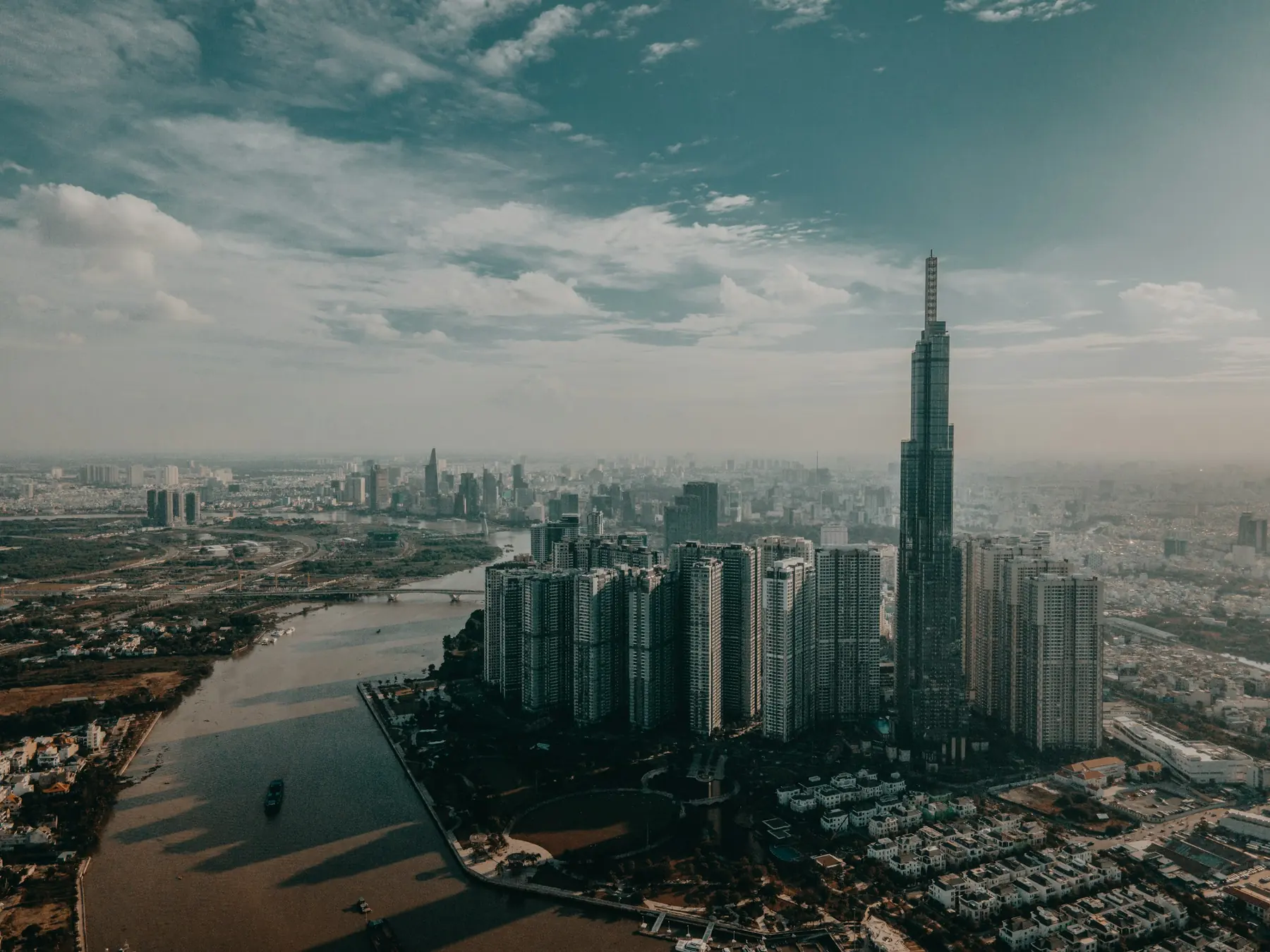
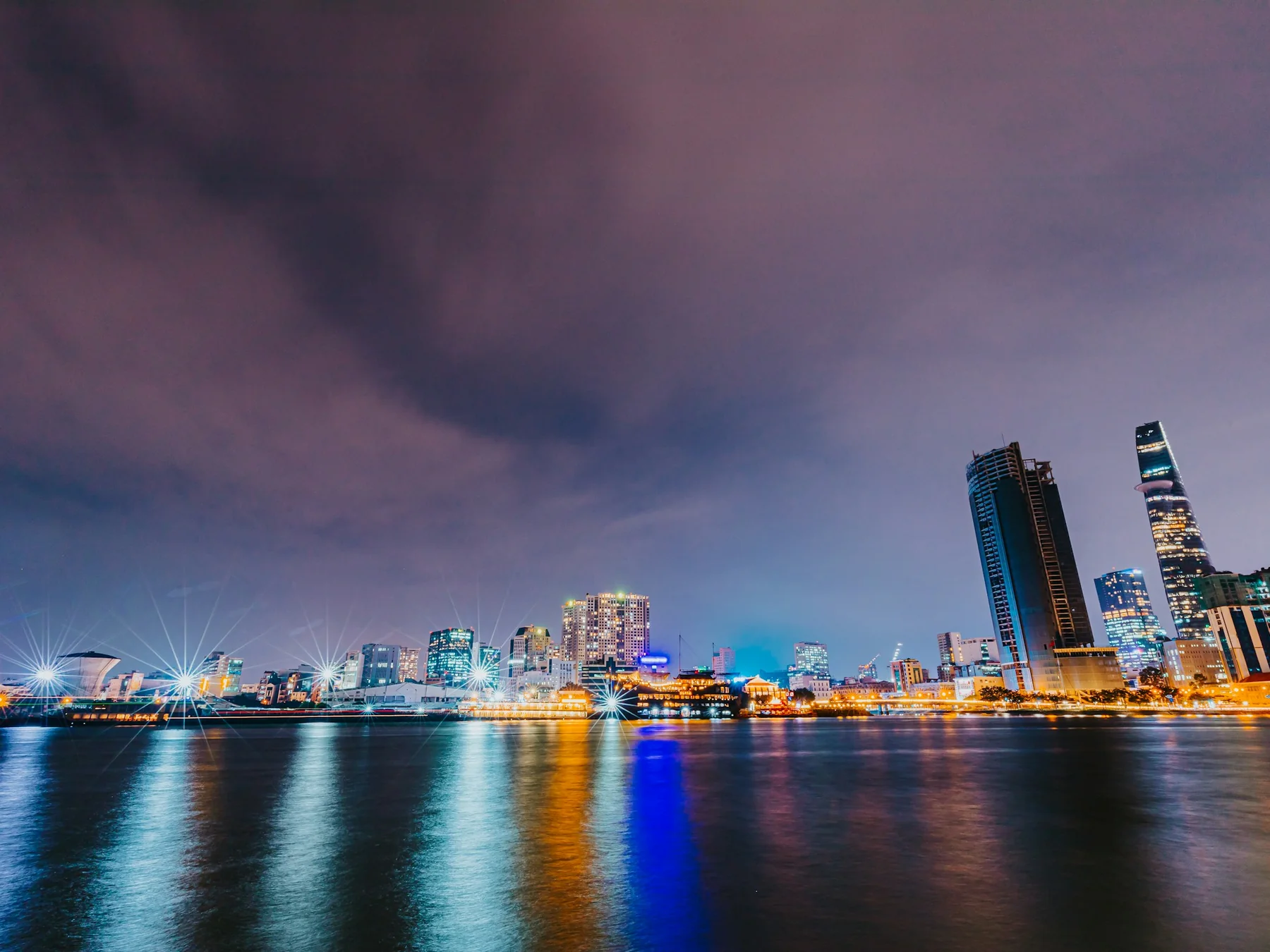
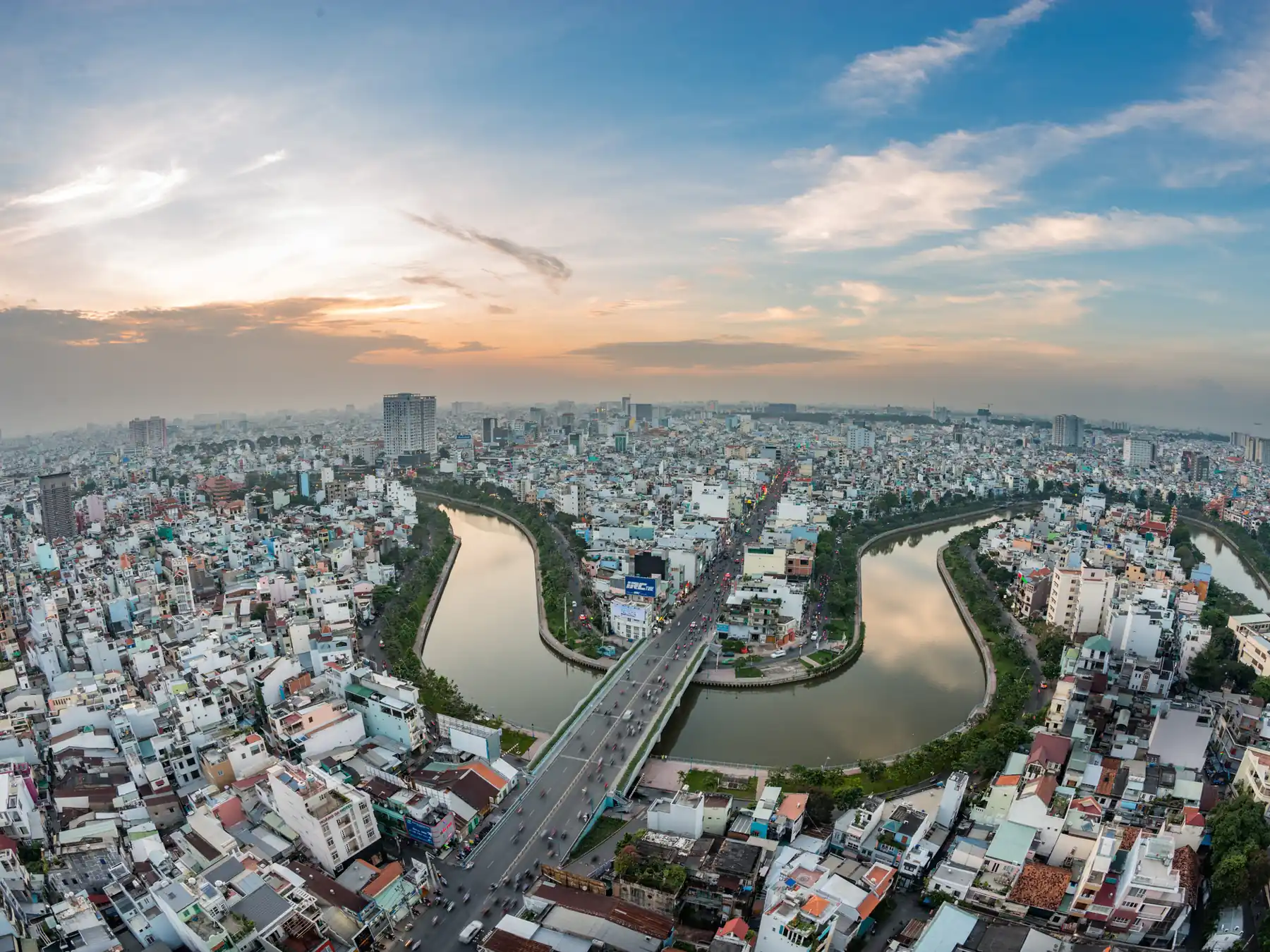
- Ho Chi Minh City is the country’s largest major urban and commercial center.
- Vietnamese is the national language.
- The currency is the Vietnamese đồng.
- Vietnam is unusually long from north to south compared with its width.
- Its shape is often compared with the letter S.
- The country includes mountains, deltas, tropical forests, plateaus, beaches, and offshore islands.
- Most of Vietnam lies in the Northern Hemisphere tropics.
- Climate differs dramatically between the far north and deep south.
- Vietnam’s long coastline has shaped trade, food, warfare, fishing, and settlement for centuries.
Mountains and two giant river deltas
- Mountain and upland terrain covers much of Vietnam.
- Fansipan is the country’s highest mountain.
- It rises in the Hoàng Liên Sơn range of northern Vietnam.
- Fansipan reaches more than 3,100 meters above sea level.
- The Red River flows through northern Vietnam.
- Its fertile delta surrounds Hanoi and nearby provinces.
- The Mekong River reaches the sea through a vast delta in southern Vietnam.
- The Mekong Delta is crossed by rivers, canals, rice fields, orchards, and settlements.
- Seasonal water cycles strongly influence agriculture in the delta.
- Vietnam’s central region is much narrower than the north and south.
- Mountain ranges approach close to the sea in central Vietnam.
- This geography creates short steep rivers and dramatic coastal passes.
- The Annamite Range extends along much of the country’s western side.
- Vietnam’s varied elevation creates many local climates.
- A single trip can move from cool highland fog to tropical lowland heat.
Ha Long Bay is a limestone wonder
- Ha Long Bay lies in northeastern Vietnam.
- Its name is commonly translated as descending dragon bay.
- The landscape is famous for limestone towers rising directly from the sea.
- Karst forms when soluble rock such as limestone is gradually dissolved and reshaped.
- Modern UNESCO recognition covers Ha Long Bay and the Cat Ba Archipelago together.
- The World Heritage property includes more than 1,100 islands and islets.
- Many limestone formations contain caves.
- Sea-level changes helped shape the flooded karst landscape.
- Cat Ba is the largest island in the wider archipelago.
- The area contains marine, forest, cave, and coastal ecosystems.
- Boats and cruises are a major way visitors experience the bay.
- Tourism also creates conservation challenges involving waste, water quality, and crowding.
- UNESCO recognizes the area for exceptional natural beauty and geological value.
- Ha Long’s tower karst is one of Vietnam’s most recognizable landscapes.
- The official UNESCO listing now names the property Ha Long Bay - Cat Ba Archipelago.
Vietnam has thousands of years of history
- Human communities lived in what is now Vietnam long before written history.
- Bronze Age Đông Sơn culture is famous for elaborately decorated bronze drums.
- Those drums depict boats, animals, warriors, and ceremonial scenes.
- Early Vietnamese traditions connect national origins with the legendary Hùng kings.
- Northern Vietnam spent long periods under Chinese imperial rule.
- Vietnamese resistance movements repeatedly challenged outside control.
- The Trưng Sisters led a famous uprising in the first century CE.
- They remain celebrated national historical figures.
- Vietnam regained durable independence from Chinese rule in the 10th century.
- Several dynasties ruled independent Đại Việt over the following centuries.
- The Lý dynasty established Thăng Long as a major capital in 1010.
- Thăng Long later became Hanoi.
- Vietnam gradually expanded southward over many centuries.
- This expansion brought Vietnamese states into increasing contact and conflict with Champa and Khmer territories.
- Modern Vietnam reflects layers of Việt, Cham, Khmer, Chinese, highland, and other cultural histories.
Huế was an imperial capital
- The Nguyễn dynasty became Vietnam’s last imperial dynasty.
- Emperor Gia Long unified the country under Nguyễn rule in 1802.
- Huế became the imperial capital.
- The city remained the political and cultural center of the dynasty until 1945.
- The Imperial City was enclosed within a large fortified citadel.
- A more restricted Forbidden Purple City lay within the imperial complex.
- Royal tombs were constructed along and near the Perfume River.
- Landscape and architecture were designed together using traditional geomantic principles.
- The Nguyễn emperors built palaces, temples, gates, gardens, and ceremonial spaces.
- Huế suffered severe damage during wars in the 20th century.
- Restoration continues across the historic complex.
- UNESCO inscribed the Complex of Hué Monuments on the World Heritage List in 1993.
- The Nguyễn dynasty ended when Emperor Bảo Đại abdicated in 1945.
- Huế remains famous for royal cuisine and refined cultural traditions.
- The city’s monuments preserve the physical setting of Vietnam’s final imperial court.
Colonial rule, independence, and war
- France gradually conquered Vietnam during the 19th century.
- Vietnam became part of French Indochina.
- Colonial rule reshaped administration, education, infrastructure, agriculture, and urban design.
- French influence remains visible in architecture and parts of Vietnamese cuisine.
- Vietnamese anti-colonial movements took many political forms.
- Ho Chi Minh became the best-known leader of the communist independence movement.
- Japan occupied French Indochina during World War II while French colonial structures continued under changing control.
- Ho Chi Minh declared the independence of the Democratic Republic of Vietnam on September 2, 1945.
- War with France followed.
- Vietnamese forces defeated the French at Điện Biên Phủ in 1954.
- The Geneva agreements temporarily divided Vietnam near the 17th parallel.
- North and South Vietnam developed rival governments.
- The conflict that Americans call the Vietnam War is commonly called the American War in Vietnam.
- Saigon fell to northern forces on April 30, 1975.
- The country was formally reunified as the Socialist Republic of Vietnam in 1976.
Vietnamese writing changed dramatically
- Vietnamese belongs to the Austroasiatic language family.
- It is a tonal language.
- Tone can change the meaning of an otherwise similar syllable.
- Vietnamese was historically written using Classical Chinese characters for many official and scholarly purposes.
- Vietnamese scholars also developed chữ Nôm.
- Chữ Nôm adapted and created character forms to represent Vietnamese words.
- The modern writing system is called chữ Quốc ngữ.
- It uses the Latin alphabet with additional marks.
- Diacritics indicate both vowel qualities and tones.
- European missionaries helped develop early Romanized Vietnamese spelling systems.
- Alexandre de Rhodes is often associated with an influential 17th-century dictionary.
- He did not single-handedly invent Quốc ngữ.
- Multiple missionaries and Vietnamese speakers contributed to its development.
- The Romanized system spread widely under colonial-era education and publishing.
- Modern Vietnamese spelling can look familiar to Latin-alphabet readers while encoding sounds they may find completely new.
Pho, bánh mì, and Vietnamese food
- Vietnamese cuisine varies significantly by region.
- Rice is a foundational staple.
- Rice noodles appear in many soups and dry noodle dishes.
- Phở is one of Vietnam’s most internationally famous foods.
- It combines rice noodles with aromatic broth and other ingredients.
- Phở developed in northern Vietnam around the late 19th or early 20th century.
- Northern and southern phở traditions differ in seasoning and accompaniments.
- Bánh mì refers broadly to bread but internationally often means a Vietnamese baguette sandwich.
- The baguette reflects French colonial influence transformed through Vietnamese ingredients and tastes.
- Fish sauce is a major seasoning in many Vietnamese dishes.
- Fresh herbs can include mint, Thai basil, cilantro, perilla, and other greens.
- Gỏi cuốn are fresh rice-paper rolls commonly filled with herbs, noodles, vegetables, shrimp, pork, or other ingredients.
- Chả giò are fried rolls with regional naming differences.
- Bún chả pairs grilled pork with rice noodles, herbs, and dipping sauce.
- Vietnamese food often balances salty, sweet, sour, bitter, spicy, aromatic, fresh, and fermented flavors rather than relying on one dominant taste.
Vietnam is serious about coffee
- Coffee was introduced to Vietnam during the French colonial period.
- Vietnam later became one of the world’s major coffee-producing countries.
- Robusta coffee is especially important to Vietnamese production.
- Robusta generally contains more caffeine than arabica.
- The Central Highlands are a major coffee-growing region.
- Traditional Vietnamese coffee is often brewed through a small metal filter called a phin.
- The phin sits directly over a cup or glass.
- Hot water drips slowly through ground coffee.
- Sweetened condensed milk became a popular pairing.
- Cà phê sữa đá is iced coffee with sweetened condensed milk.
- Egg coffee is strongly associated with Hanoi.
- It combines coffee with a rich whipped egg-based topping.
- Coconut coffee is another popular modern variation.
- Coffee shops function as important social spaces in Vietnamese cities.
- Vietnamese coffee culture turned an imported crop into something distinctly local.
Ten surprising Vietnam facts
- Vietnam’s modern UNESCO World Heritage list contains nine properties as of 2026.
- Trang An is Vietnam’s mixed cultural-and-natural World Heritage property and preserves evidence of human activity spanning more than 30,000 years.
- Ha Long Bay’s UNESCO property now officially includes the Cat Ba Archipelago.
- Vietnam’s last imperial capital remained at Huế until 1945.
- The Vietnamese alphabet uses Latin letters but marks several tones with diacritics.
- Vietnamese coffee culture is built heavily around robusta rather than only arabica.
- The country’s famous baguette sandwich reflects a colonial ingredient transformed into a distinctly Vietnamese food.
- The word Saigon remains widely used for central Ho Chi Minh City and in cultural contexts even though the official city name changed after reunification.
- Vietnam’s geography is so elongated that weather in Hanoi and Ho Chi Minh City can feel like different seasons.
- For more Asian trivia, explore our Thailand facts, Philippines facts, and Culture facts.
Quick Vietnam FAQ
What is the capital of Vietnam?
Hanoi, in northern Vietnam near the Red River Delta.
What language is spoken in Vietnam?
Vietnamese is the national language. It is tonal and is now written primarily with the Latin-based Quốc ngữ alphabet.
When was Vietnam reunified?
Saigon fell in April 1975, ending the major war, and the country was formally reunified as the Socialist Republic of Vietnam in 1976.
What is Vietnam famous for eating?
Famous foods include phở, bánh mì, bún chả, fresh rice-paper rolls, fried rolls, rice dishes, seafood, herbs, and many regional specialties.
How many UNESCO World Heritage properties does Vietnam have?
As of 2026, UNESCO lists nine properties in Vietnam, including Huế, Hoi An, Ha Long Bay - Cat Ba Archipelago, Trang An, and several other cultural and natural sites.

Ellie is the owner and sole author of Fun Facts, combining her mechanical engineering background with years of research-driven writing to deliver facts you can trust. Every article is thoroughly fact-checked and routinely updated as new science and sources emerge to keep information accurate and current. Her mission is to make learning delightful while upholding high standards of reliability and transparency.