
Donuts can be yeasted, cakey, glazed, filled, twisted, ring-shaped, powdered, fried, baked, or soaked in syrup, and the hole is only one chapter of their story. Long before modern donut chains, people were frying sweet dough across Europe, Asia, Africa, and the Middle East. These 145 donut facts explore the history, dough science, frying, famous styles, the mysterious hole, World War I “Doughnut Girls,” automation, glazes, and the spelling battle between doughnut and donut.
Donut basics
- A donut is a sweet fried or baked dough food.
- The traditional spelling is doughnut.
- The shorter spelling donut became especially common in American English.
- Both spellings are widely understood today.
- Donuts can be made from yeast-raised dough.
- They can also be made from chemically leavened cake-style batter or dough.
- Ring donuts have a hole through the center.
- Filled donuts usually have no center hole.
- Common fillings include jam, custard, cream, chocolate, and fruit curd.
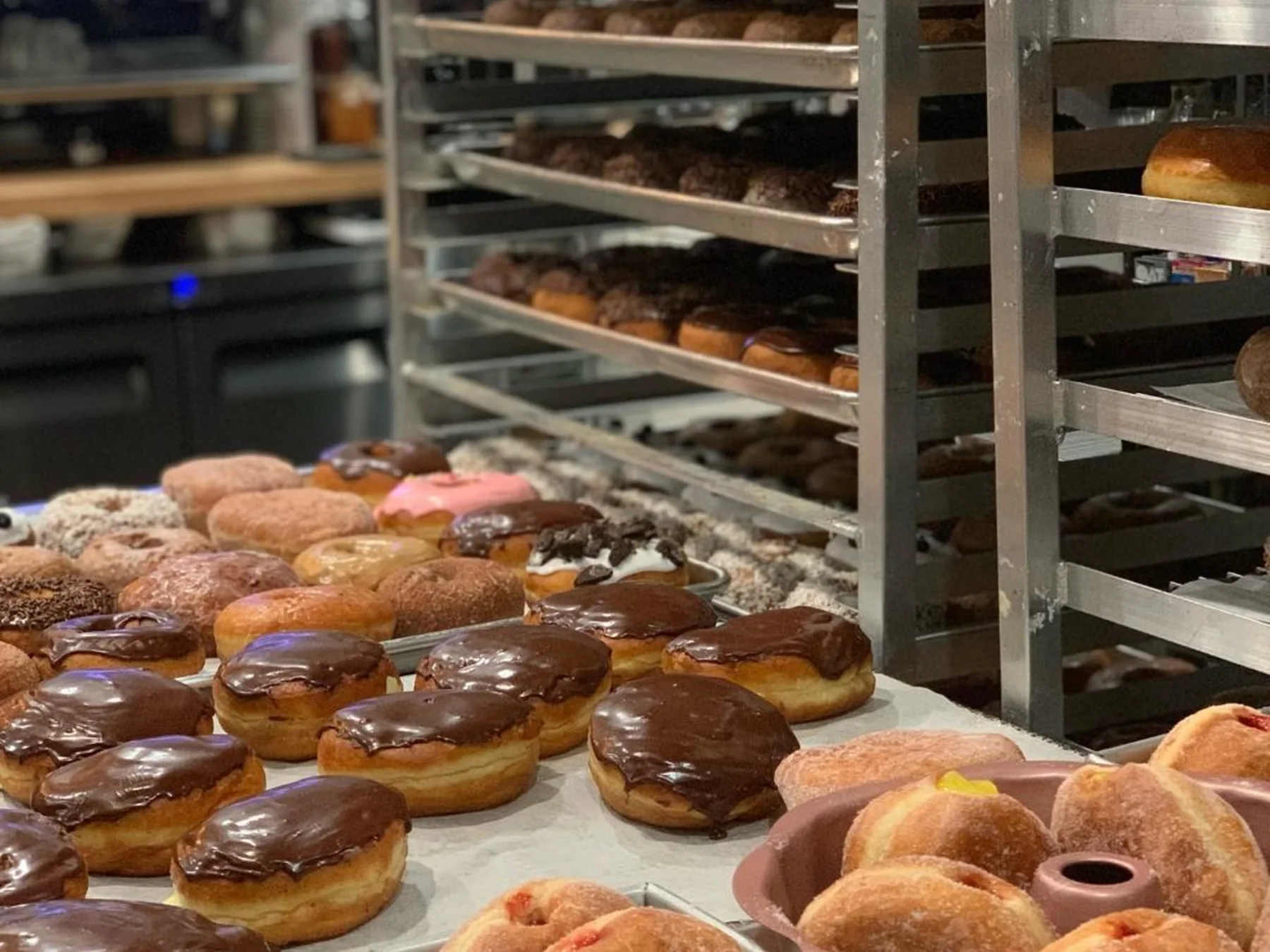
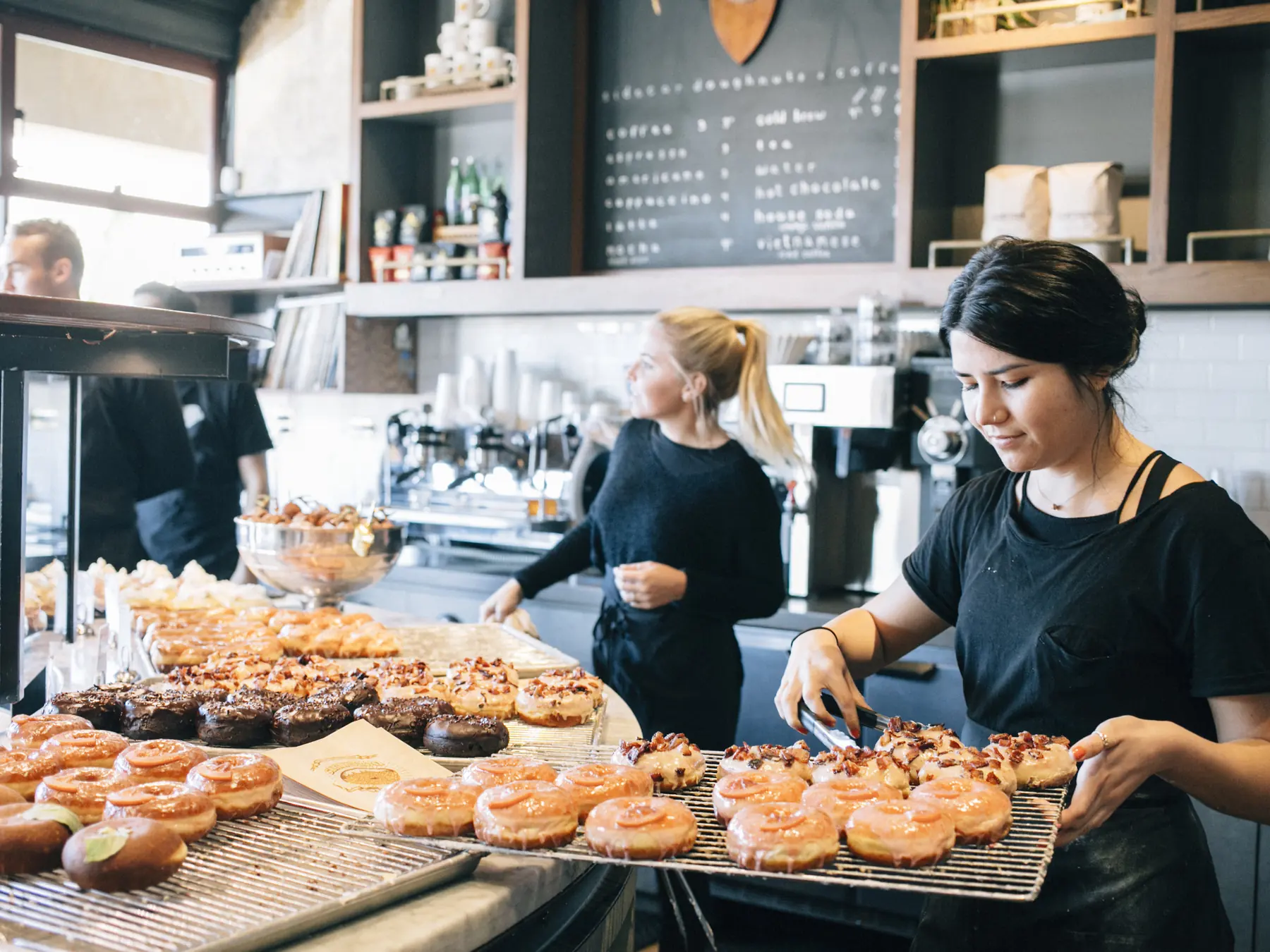
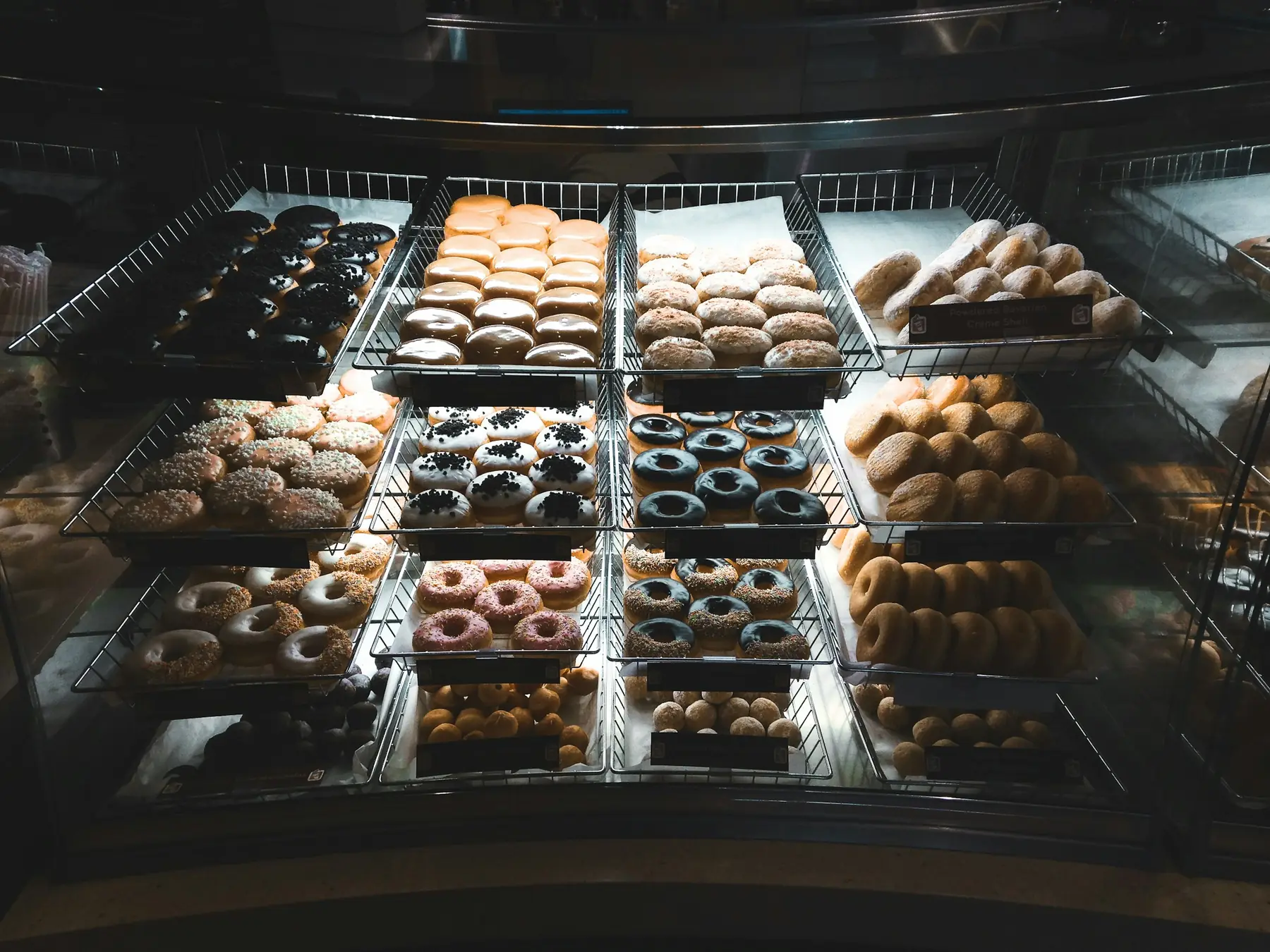
- Donut toppings include glaze, powdered sugar, cinnamon sugar, icing, sprinkles, nuts, and crumbs.
- Donuts are usually fried in oil or shortening at controlled temperatures.
- Baked donut recipes exist but produce a different crust from deep frying.
- Fresh donuts taste different from day-old ones because moisture and starch structure change after cooking.
- Donut traditions exist in many countries under different names.
- The Smithsonian preserves extensive collections documenting American doughnut history.
Fried dough is ancient
- Humans fried pieces of dough long before the modern donut appeared.
- Ancient cuisines used fats and oils to cook grain-based doughs.
- Many cultures independently developed sweet or savory fried dough.
- European fritter traditions helped shape later North American donuts.
- Dutch settlers brought fried dough traditions to New Netherland.
- A Dutch fried-dough food associated with early American donut history is called oliekoek.
- Oliekoek means roughly oil cake.
- Early versions were often round pieces rather than neat rings.
- Fruit, nuts, or spices could be added.
- Frying created a rich crust while keeping the interior tender.
- English, German, Dutch, and other immigrant traditions blended in North America.
- Donut history therefore has no single cultural starting point.
- The familiar American donut emerged from centuries of fried-dough evolution.
- Industrial ingredients later made sweetness and frying fat cheaper and more consistent.
- Modern chains standardized something that had long existed in regional and household forms.
Who invented the donut hole?
- One famous story credits sea captain Hanson Gregory with popularizing the donut hole.
- Gregory was born in Maine in the 19th century.
- He later said he had created a hole in fried cakes as a young sailor.
- The usual explanation is that thick centers could remain undercooked.
- Removing the center lets heat reach the dough more evenly.
- A ring also increases the amount of browned surface area.
- Multiple versions of Gregory’s story appeared later.
- One colorful legend says he impaled a donut on a ship’s wheel during a storm.
- That version is much less credible than the practical cooking explanation.
- Ring-shaped fried foods existed in some forms before Gregory.
- That makes “invented the hole” a more complicated claim than popular folklore suggests.
- Gregory nevertheless became an important figure in American donut storytelling.
- His hometown region commemorated the association.
- Food-origin stories often simplify gradual developments into one memorable inventor tale.
- The donut hole’s practical value helps explain why ring donuts became so enduring.
Yeast-raised versus cake donuts
- Yeast donuts rise because yeast ferments sugars and produces carbon dioxide.
- Gluten in wheat dough traps gas bubbles.
- Proper proofing creates a light airy interior.
- Underproofed donuts can be dense.
- Overproofed donuts can collapse or absorb excessive oil.
- Cake donuts usually rely on baking powder, baking soda, or both.
- Chemical leaveners produce gas without long yeast fermentation.
- Cake-donut dough is often richer and more tender.
- Yeast donuts tend to have a stretchy bread-like crumb.
- Cake donuts tend to have a closer crumb resembling cake or quick bread.
- Old-fashioned donuts are a recognizable cake-donut style.
- Their cracked ridges create extra crispy surfaces for glaze to cling to.
- Sour cream is common in old-fashioned donut formulas.
- Changing flour, fat, sugar, egg, dairy, and leavening changes texture dramatically.
- The word donut describes a shape and preparation family rather than one single dough recipe.
The science of frying
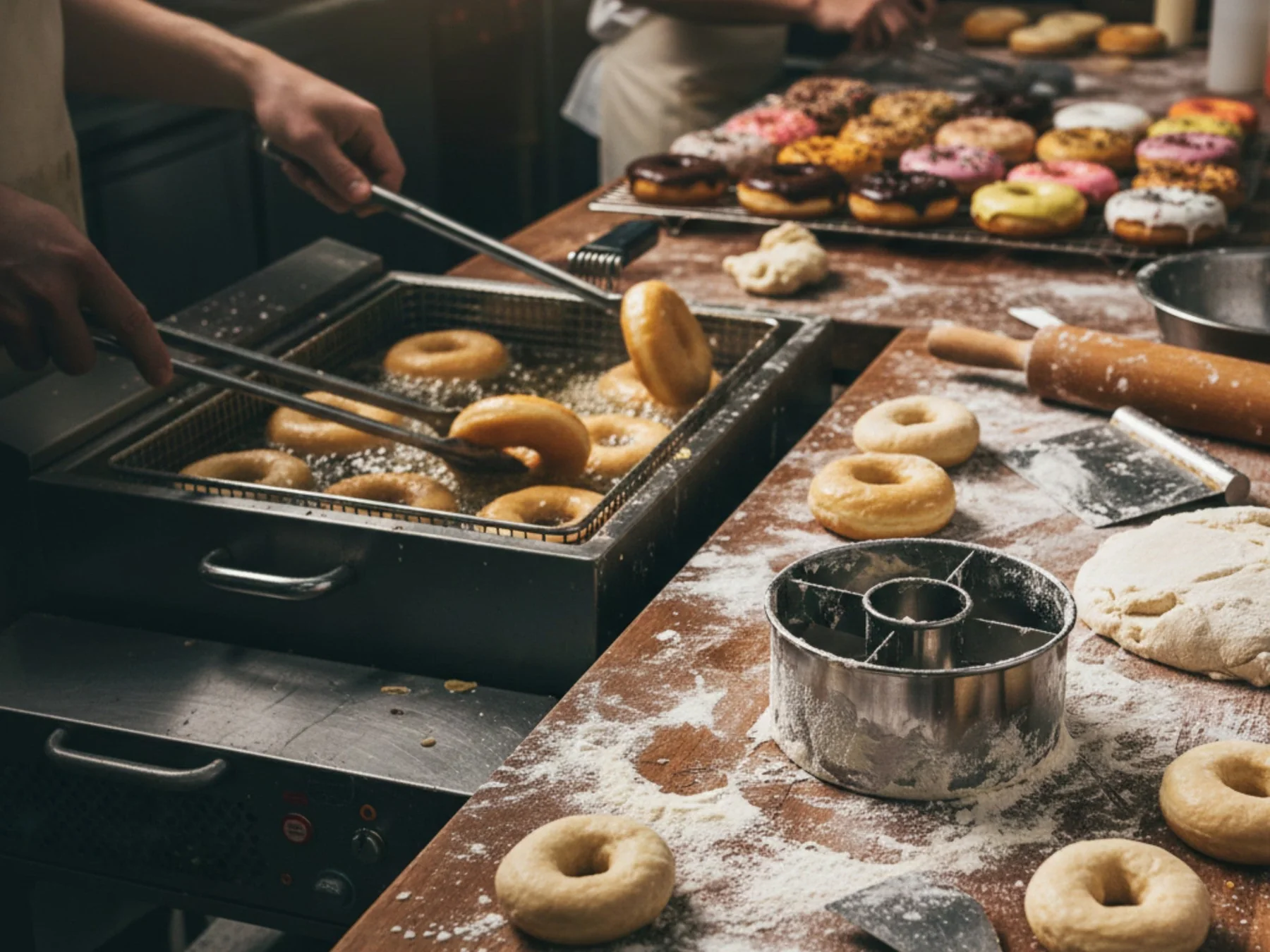
- Deep frying transfers heat rapidly from hot fat into dough.
- Water near the surface flashes into steam.
- Escaping steam helps limit how deeply oil can immediately penetrate.
- The surface dehydrates and forms a crust.
- Browning reactions create roasted flavors and golden color.
- Frying oil that is too cool can produce greasy donuts.
- Cool oil slows crust formation and extends frying time.
- Oil that is too hot can burn the outside before the center cooks.
- Adding cold dough temporarily lowers fryer temperature.
- Commercial fryers use thermostats to restore heat quickly.
- Donuts usually float during frying.
- They are commonly flipped so both sides brown evenly.
- A pale line around a well-raised yeast donut can appear where the center sat above the oil.
- That pale “fry line” is often prized as a sign of good proofing.
- Oil choice affects flavor, shelf life, nutrition, and frying performance.
Glazes and toppings
- A basic donut glaze can be made from powdered sugar and liquid.
- Milk or water changes glaze thickness.
- Vanilla, cocoa, citrus, maple flavors, or spices can be added.
- Warm donuts can partially melt a glaze.
- As water evaporates, sugar forms a thin sweet coating.
- Powdered sugar contains very fine sugar particles.
- Commercial powdered sugar often includes a little starch to reduce clumping.
- Cinnamon sugar sticks best when the donut surface still has some fat or moisture.
- Chocolate icing may contain cocoa, melted chocolate, fat, sugar, and other ingredients.
- Sprinkles add texture and color more than structural flavor.
- Crumb toppings can be made from flour, sugar, butter, spices, or cookie pieces.
- Maple bars are rectangular or oblong donuts topped with maple-flavored icing.
- Boston cream donuts combine a filled donut with chocolate topping.
- Jelly donuts are filled after frying using piping equipment.
- A topping can add as many calories as the plain fried dough beneath it, depending on portion and formula.
Doughnut Girls and World War I
- Donuts became strongly associated with American military history during World War I.
- Salvation Army women served American soldiers in France.
- They became popularly known as Doughnut Girls or Doughnut Lassies.
- They cooked simple foods under difficult field conditions.
- Donuts were practical because basic ingredients could be fried with limited equipment.
- The treats reminded soldiers of home.
- Some accounts describe donuts being fried in improvised containers or small pans.
- The women also provided coffee, clothing assistance, letter-writing supplies, and emotional support.
- Donuts became a symbol of comfort rather than only dessert.
- The Smithsonian preserves photographs and ephemera documenting these Salvation Army workers.
- American soldiers returned home with stronger cultural associations between donuts, coffee, and military service.
- World War II repeated the connection through Red Cross “Clubmobile” workers nicknamed Donut Dollies.
- Mobile service vehicles brought coffee and donuts to troops.
- The military connection helped make donuts part of 20th-century American popular culture.
- National Donut Day later drew partly on the Salvation Army’s World War I legacy.
Donut machines and mass production
- Industrial donut machines dramatically increased production speed.
- Adolph Levitt developed an important automated donut machine during the 1920s.
- His machines could form and fry donuts in a continuous process.
- Customers could watch donuts travel through hot oil on moving equipment.
- The theatrical production line became part of the selling experience.
- Automation made shape and cooking more consistent.
- Machine production also lowered labor required per donut.
- Donut shops expanded rapidly during the 20th century.
- Krispy Kreme traces its early business history to the 1930s.
- Dunkin’ began in Massachusetts under founder William Rosenberg.
- Coffee and donuts became a powerful retail pairing.
- Drive-through service made donut shops part of commuter culture.
- Large chains standardized dough mixes, proofing, frying, glazing, and store operations.
- Independent bakeries continued creating regional and artisan styles.
- Modern donut culture includes both factory consistency and highly experimental gourmet shops.
Donuts around the world
- Germany and central Europe have filled fried-dough traditions such as Berliners or Pfannkuchen.
- Polish pączki are rich filled donuts associated especially with pre-Lenten celebrations.
- Italian bomboloni are soft filled fried pastries.
- Spanish and Latin American churros are fried dough but belong to a different shape and tradition.
- French beignets are square or irregular fried dough pieces, often dusted with sugar.
- Greek loukoumades are small fried dough balls commonly served with syrup or honey.
- Indian gulab jamun are fried milk-solid dough balls soaked in sweet syrup.
- South African koeksisters are braided fried dough soaked in syrup.
- Japanese shops became famous for chewy ring donuts using different starches and dough formulations.
- Brazilian sonho are filled fried pastries.
- Many cultures have independent fried-dough traditions without tracing directly to the American ring donut.
- Migration lets bakers combine flavors and techniques from several traditions.
- Mochi-style donuts use starch chemistry to create a chewier texture than ordinary wheat donuts.
- Donuts adapt easily because fried dough accepts almost any sweet filling or topping.
- For more dessert trivia, explore our cookie facts and Food facts.
Ten surprising donut facts
- The shorter spelling “donut” became common enough to coexist comfortably with “doughnut.”
- The famous donut-hole inventor story is more complicated than one sailor having a sudden revelation.
- A ring shape helps the center cook more evenly.
- A good yeast donut may have a pale line around its middle after frying.
- Cool frying oil can make a donut greasier rather than less cooked.
- The Salvation Army helped turn donuts into a symbol of home for U.S. soldiers in World War I.
- Donut-making machines became public spectacles because customers could watch dough travel through the fryer.
- The American coffee-and-donut pairing was strengthened by commuting, military culture, and 20th-century chains.
- Many cultures have donut-like foods that developed through their own culinary histories.
- The hole is famous, but filled donuts prove it has never been required.
Quick donut FAQ
Which spelling is correct, donut or doughnut?
Both are accepted. Doughnut is the older spelling, while donut became especially common in American English and commercial branding.
Who invented the donut hole?
Hanson Gregory is famously associated with popularizing the ring hole in 19th-century American lore, but ring-shaped fried foods and conflicting stories make a single-inventor claim difficult to prove.
What is the difference between cake and yeast donuts?
Yeast donuts rise through fermentation and have a stretchier airy crumb. Cake donuts use chemical leaveners and tend to have a closer, more cake-like texture.
Why are donuts fried?
Hot oil transfers heat quickly, creating a browned dehydrated crust while steam and leavening expand the interior.
What were the Doughnut Girls?
They were Salvation Army women who served U.S. troops in France during World War I, providing donuts, coffee, and other practical support under difficult conditions.

Ellie is the owner and sole author of Fun Facts, combining her mechanical engineering background with years of research-driven writing to deliver facts you can trust. Every article is thoroughly fact-checked and routinely updated as new science and sources emerge to keep information accurate and current. Her mission is to make learning delightful while upholding high standards of reliability and transparency.