
Tacos can be tiny street snacks, slow-cooked weekend projects, crispy fast-food shells, breakfast, seafood feasts, or nearly anything delicious tucked into a tortilla. Their history is deeply Mexican, but it is also tangled with migration, regional cooking, industrial food, and global reinvention. These 145 taco facts explore corn, tortillas, fillings, salsas, famous styles, taco history, and a few myths worth retiring.
Taco basics
- A taco is generally a tortilla folded or wrapped around a filling.
- Tacos are foundational foods in Mexican cuisine.
- Most traditional tacos use corn tortillas, though wheat-flour tortillas are important in northern Mexico and border regions.
- A tortilla is a thin flatbread made from corn or wheat flour.
- Taco fillings can include beef, pork, chicken, fish, seafood, vegetables, beans, cheese, eggs, cactus, mushrooms, or countless other ingredients.
- Tacos can be eaten at breakfast, lunch, dinner, or as late-night street food.
- Many tacos are designed to be eaten by hand.
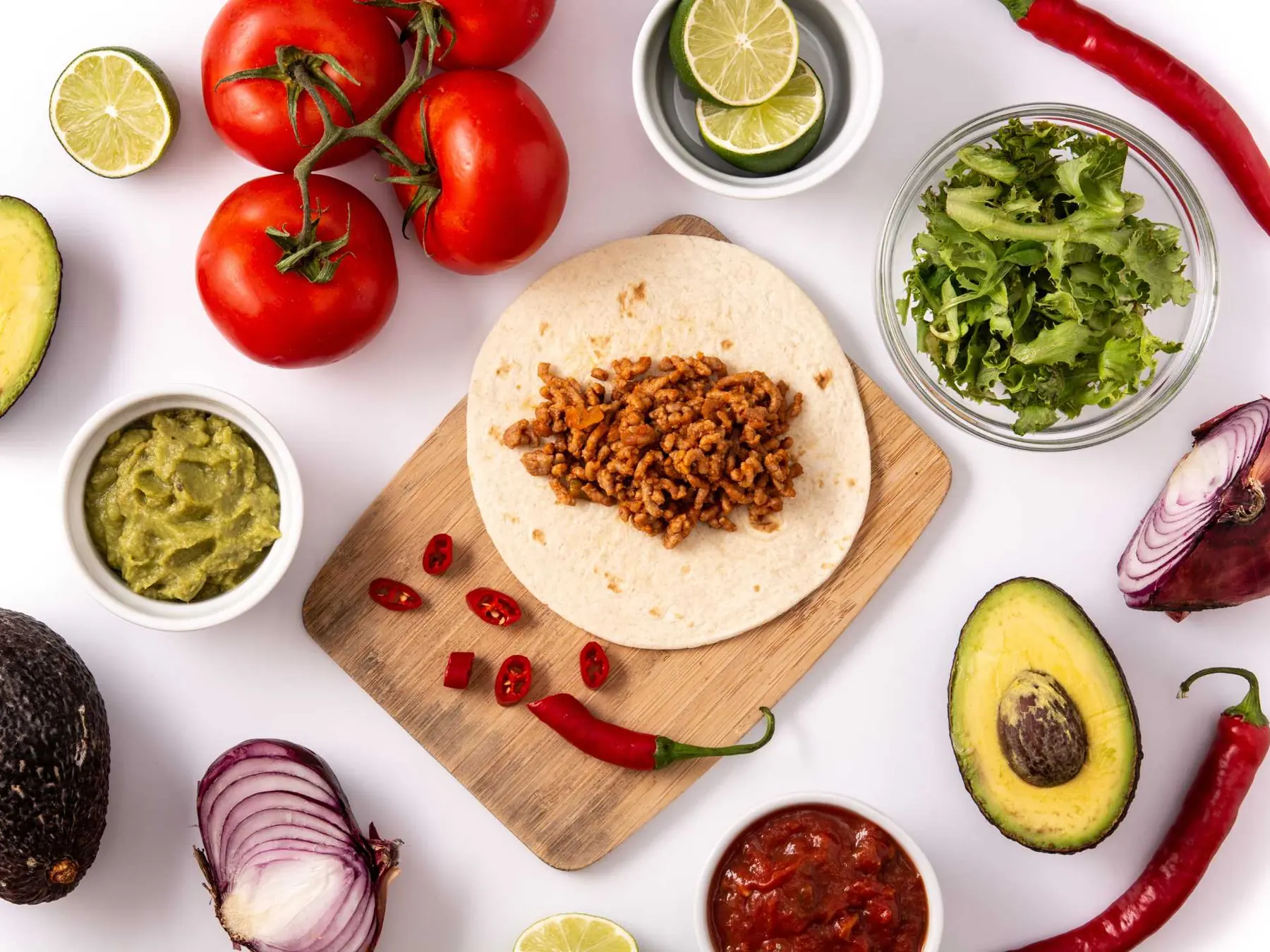
- A taco does not need lettuce, shredded cheese, or sour cream to be a taco.
- Those toppings are common in some Mexican American and fast-food styles but are not universal in Mexico.
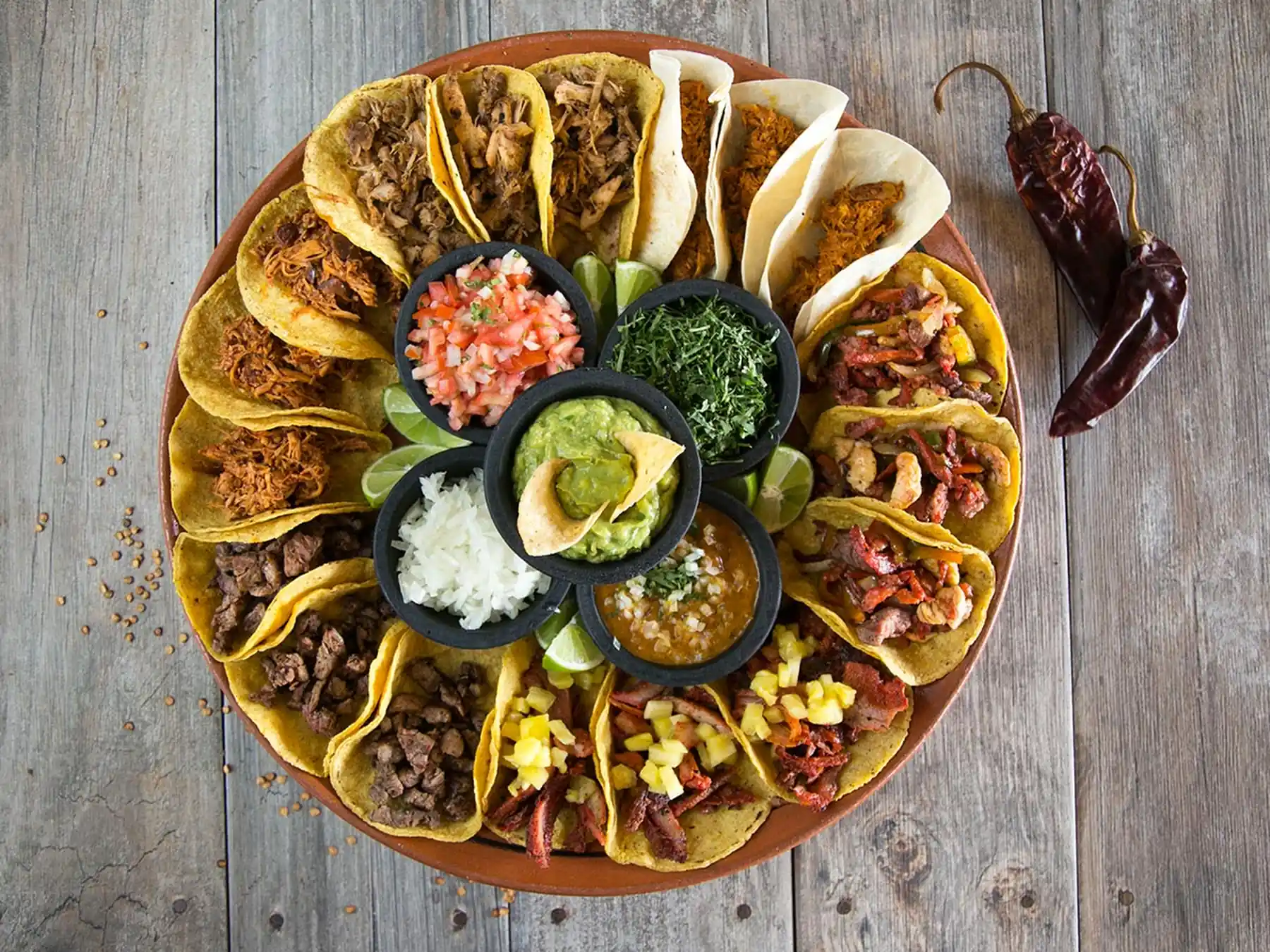
- Salsa is one of the most common taco accompaniments.
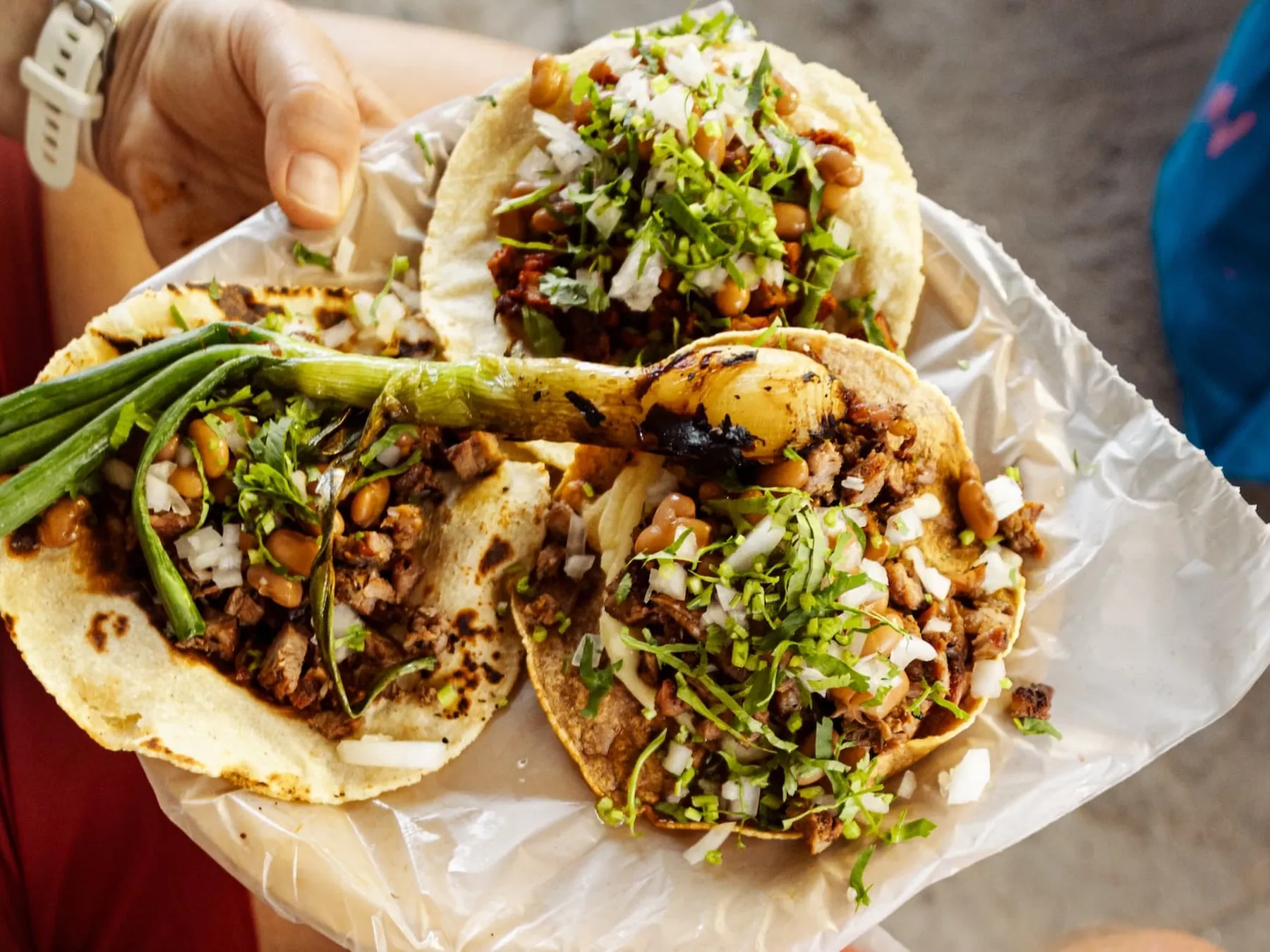
- Fresh onion and cilantro are classic garnishes for many Mexican street tacos.
- Lime wedges are commonly served so diners can add acidity just before eating.
- A good taco balances tortilla, filling, salsa, texture, salt, fat, heat, and acidity.
- Tacos vary dramatically from one Mexican region to another.
- There is no single “authentic taco” recipe because taco culture is a family of regional traditions.
Corn made tacos possible
- Maize, or corn, was domesticated in what is now Mexico thousands of years ago.
- Indigenous peoples developed sophisticated ways of turning maize into staple foods.
- Nixtamalization is the traditional process of cooking dried corn with an alkaline substance such as lime.
- The lime used in nixtamalization is calcium hydroxide, not citrus fruit.
- Nixtamalization changes the corn’s texture, flavor, chemistry, and nutritional properties.
- It makes the corn easier to grind into a cohesive dough.
- The dough made from nixtamalized corn is called masa.
- Masa can be pressed into tortillas.
- Traditional tortillas are cooked quickly on a flat griddle called a comal.
- A properly cooked corn tortilla may puff as steam expands between its layers.
- Warm tortillas are much more flexible than cold dry ones.
- Taco stands often keep tortillas warm so they remain soft enough to fold.
- Some taquerias use two small tortillas for one taco to improve strength or soak up juices.
- The tortilla is not merely packaging because its aroma and texture are central to the taco.
- Historian Jeffrey Pilcher places maize at the heart of the long history told in his Smithsonian-cataloged book Planet Taco.
Where did the word taco come from?
- The exact origin of the food word “taco” is not completely settled.
- That uncertainty is important because simple origin stories are often repeated online as proven fact.
- Food historian Jeffrey Pilcher has proposed a connection with 18th-century Mexican silver miners.
- In mining terminology, “tacos” could refer to small explosive charges wrapped around gunpowder.
- Pilcher has suggested the folded shape may have reminded miners of tortilla-wrapped food.
- This mining explanation is an influential historical theory rather than an uncontested certainty.
- The word taco acquired many meanings in Spanish beyond the food.
- Written documentation for everyday working-class foods is often patchier than documentation for elite dishes.
- That makes taco history harder to trace than a recipe invented by a named restaurant chef.
- Taco-like ways of eating fillings with tortillas long predate modern taco restaurants.
- Indigenous tortilla traditions existed centuries before Europeans arrived in the Americas.
- Colonial ingredients later mixed with Indigenous techniques and foods.
- Pork, beef, dairy products, and some spices introduced after Spanish colonization became important to many later taco styles.
- Taco history is therefore a story of continuity, adaptation, migration, and regional invention.
- The Smithsonian’s National Museum of American History highlights this complexity in its Mexican American food history coverage.
Tacos al pastor
- Tacos al pastor are one of Mexico City’s most famous taco styles.
- Al pastor pork is commonly cooked on a vertical rotating spit called a trompo.
- Thin slices of marinated pork are stacked into a cone-shaped tower.
- The outside browns as the trompo rotates near a heat source.
- A taquero shaves cooked meat from the exterior as tacos are ordered.
- Al pastor developed under the influence of Lebanese and other Middle Eastern immigrants in Mexico.
- Its vertical-spit technique is related historically to shawarma.
- Mexican cooks adapted the technique using pork and local seasonings.
- Chiles and achiote commonly contribute color and flavor to the marinade.
- Pineapple is a familiar al pastor garnish at many taquerias.
- Some taqueros slice pineapple directly from the top of the trompo onto a finished taco.
- Onion and cilantro commonly accompany the pork.
- Al pastor is a perfect example of migration creating something unmistakably Mexican rather than simply copying another cuisine.
- Similar vertical-spit tacos are known by different names in different Mexican regions.
- Tacos árabes from Puebla preserve another important branch of this Middle Eastern-Mexican culinary history.
Carnitas, barbacoa, and birria
- Carnitas are associated especially strongly with the Mexican state of Michoacán.
- The word carnitas means “little meats.”
- Traditional carnitas cook pork slowly until tender, often using rendered fat.
- Different cuts can provide dramatically different textures in one carnitas order.
- Barbacoa is a traditional slow-cooking method with Indigenous roots.
- In central Mexico, barbacoa is often associated with lamb or mutton cooked slowly in a covered pit.
- Maguey leaves can be used in traditional pit-cooking preparations.
- In northern Mexico and the United States, the word barbacoa may refer to somewhat different meats and methods.
- Birria is especially associated with Jalisco.
- Traditional birria commonly used goat, though beef versions became extremely popular.
- Birria is seasoned with dried chiles and aromatic spices.
- Quesabirria tacos pair birria with melted cheese and often a crisped tortilla.
- Consomé from the cooking liquid is commonly served alongside birria tacos for dipping.
- The global quesabirria boom in the late 2010s and early 2020s showed how social media can rapidly spread a regional food style.
- Taco traditions keep evolving even when their roots are centuries old.
Seafood tacos
- Fish tacos are especially associated with Baja California.
- A Baja-style fish taco often uses battered fried fish in a corn tortilla.
- Cabbage adds crunch and freshness.
- A creamy sauce and salsa often add richness and heat.
- Lime provides acidity that cuts through fried fish.
- Grilled fish tacos are also common even though they have a different texture from the classic battered style.
- Shrimp tacos are popular in coastal regions.
- Marlin, octopus, smoked fish, clams, and other seafood can also become taco fillings.
- Coastal taco cooking changes with local fisheries and seasonal catches.
- Tacos gobernador are a celebrated Sinaloa-style shrimp taco often prepared with melted cheese.
- The name gobernador means “governor.”
- Some seafood tacos use flour tortillas, especially in northern and northwestern Mexico.
- Fresh salsa can contribute tomato, chiles, herbs, or fruit without making the taco heavy.
- Seafood tacos show why reducing Mexican food to beef, beans, and cheese misses enormous regional variety.
- Mexico’s thousands of kilometers of coastline naturally shaped its taco traditions.
Salsa changes the whole taco
- Salsa simply means “sauce” in Spanish.
- Mexican taco salsas can be raw, cooked, roasted, blended, pounded, chunky, smooth, mild, or fiercely hot.
- Salsa roja generally gets its red color from red chiles, tomatoes, or both.
- Salsa verde commonly uses tomatillos and green chiles.
- A tomatillo is a fruit in the nightshade family, but it is not simply an unripe tomato.
- Tomatillos grow inside papery husks.
- Roasting tomatoes, tomatillos, onions, garlic, or chiles changes their flavor through browning and moisture loss.
- A molcajete is a traditional stone mortar used for grinding salsa and other foods.
- Grinding in a molcajete can create a different texture from pureeing everything in a blender.
- Chile heat comes mainly from capsaicinoids.
- Capsaicin activates heat-sensing receptors rather than literally burning tissue at normal food concentrations.
- Removing chile seeds does not remove all heat because much of the capsaicin is concentrated in the internal placental tissue.
- Acid from lime or vinegar can brighten a rich fatty taco.
- Salt can make chile, tomato, meat, and tortilla flavors seem more vivid.
- A taco stand may offer several salsas because the same taco can taste completely different with each one.
Tacos cross the U.S.-Mexico border
- Mexican migrants carried taco traditions throughout the United States.
- Mexican American communities also developed their own taco styles rather than simply freezing Mexican food in time.
- Hard-shell tacos became especially prominent in 20th-century U.S. restaurant and packaged-food culture.
- Fried tortillas had long existed in Mexican and Mexican American cooking before national fast-food chains.
- Industrial preformed shells made crispy tacos easy to assemble quickly and consistently.
- Glen Bell experimented with selling tacos in Southern California before founding Taco Bell in 1962.
- Fast-food chains helped introduce a standardized American taco style to millions of consumers.
- That style should not be mistaken for the full range of Mexican taco traditions.
- Tex-Mex cuisine developed through long cultural exchange in Texas and the borderlands.
- Breakfast tacos are especially beloved in Texas.
- Common breakfast taco fillings include eggs, potatoes, bacon, beans, chorizo, and cheese.
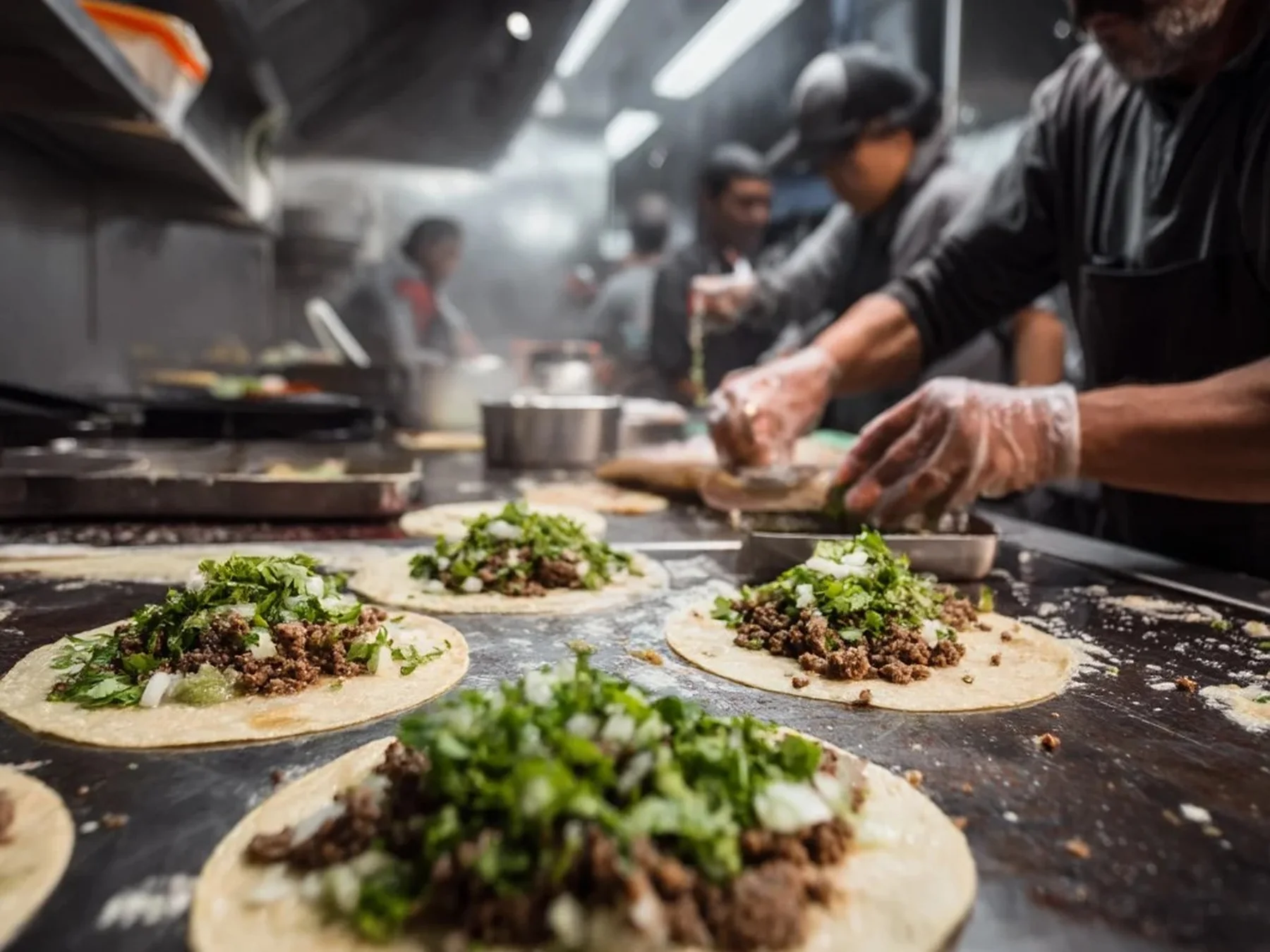
- Taco trucks helped bring regional Mexican cooking directly into American neighborhoods and workplaces.
- The Smithsonian’s food-history collections document tortilla-making equipment from Mexican American home businesses in California.
- Today U.S. taco culture ranges from traditional taquerias to regional fusion restaurants and global fast-food chains.
- Taco history in the United States is inseparable from Mexican American history.
Tacos around the world
- Tacos are now sold on every inhabited continent.
- Restaurants outside Mexico often adapt tacos to local ingredients and tastes.
- Korean-Mexican tacos became a famous fusion style in Los Angeles.
- Korean barbecue meats such as bulgogi pair naturally with tortillas, salsa, and pickled garnishes.
- Japanese-influenced tacos may use ingredients such as tempura seafood, miso, or ponzu.
- Indian-influenced tacos may pair flatbread techniques with paneer, chutneys, or spiced meats.
- Plant-based taco fillings can use beans, mushrooms, squash, cauliflower, jackfruit, soy products, or other ingredients.
- Vegetarian tacos are not purely a modern invention because Indigenous and Mexican cooking has long used beans, squash, cactus, mushrooms, and vegetables.
- Nopales are edible cactus pads used in Mexican cooking.
- Huitlacoche is an edible corn fungus prized for its earthy flavor.
- Flor de calabaza, or squash blossom, is another classic meatless filling.
- Tacos can adapt globally because the tortilla-and-filling format is flexible.
- That flexibility does not erase the dish’s Mexican roots.
- Food historian Jeffrey Pilcher’s Planet Taco specifically examines how Mexican food became global.
- The taco’s worldwide spread is a story of migration, business, identity, curiosity, and taste.
Ten surprising taco facts
- The famous mining origin of the word taco is a respected theory, not a proven one-line fact.
- Al pastor owes part of its story to Middle Eastern migration to Mexico.
- Nixtamalization is ancient food chemistry that makes corn work better as nutritious tortilla dough.
- A taco can be entirely traditional without beef, lettuce, orange cheese, or a crunchy shell.
- Some of Mexico’s most celebrated tacos contain cactus, squash blossoms, mushrooms, or fried fish.
- The same tortilla can behave differently depending on corn variety, grind, hydration, thickness, cooking time, and freshness.
- A freshly made tortilla can transform a simple taco more dramatically than adding another expensive topping.
- Taco styles can reveal migration history, including Lebanese influence in central Mexico and Mexican influence throughout the United States.
- “Mexican taco” is almost as broad a phrase as “Italian pasta” because both categories contain huge regional variation.
- For more food trivia, continue with our sushi facts, pizza facts, and Food facts.
Quick taco FAQ
Where were tacos invented?
Tacos are Mexican, but there is no single documented inventor or date. Tortilla-based ways of eating food have deep Indigenous roots, while modern taco styles evolved regionally over centuries.
Are hard-shell tacos Mexican?
Fried tortillas are part of Mexican and Mexican American food history, but the standardized preformed crunchy shell became especially associated with 20th-century U.S. restaurants and packaged food.
What is al pastor?
Al pastor is marinated pork cooked on a vertical trompo and sliced into tacos. Its cooking technique developed under Middle Eastern immigrant influence in Mexico.
What is the difference between corn and flour tortillas?
Corn tortillas are made from nixtamalized maize dough. Flour tortillas are made primarily from wheat flour and are especially important in northern Mexican and borderland traditions.
Why do some tacos use two tortillas?
Two thin tortillas can provide extra strength and absorb flavorful juices, especially with small street tacos. It is a practical choice rather than a universal rule.

Ellie is the owner and sole author of Fun Facts, combining her mechanical engineering background with years of research-driven writing to deliver facts you can trust. Every article is thoroughly fact-checked and routinely updated as new science and sources emerge to keep information accurate and current. Her mission is to make learning delightful while upholding high standards of reliability and transparency.