
Earth Day began as a giant American environmental teach-in and grew into a worldwide annual event. The first celebration brought millions of people into streets, schools, parks, and campuses during a period of smog, oil spills, burning rivers, pesticide fears, and rising public concern about pollution. These 145 Earth Day facts explore Gaylord Nelson, Denis Hayes, April 22, the 1970 movement, environmental laws, global expansion, recycling, climate action, cleanups, schools, and practical ways one day helped change public conversation.
Earth Day basics
- Earth Day is observed annually on April 22.
- The first Earth Day took place on April 22, 1970.
- It began as a large environmental mobilization in the United States.
- U.S. Senator Gaylord Nelson was the central political founder.
- Young activist Denis Hayes became the first Earth Day’s national coordinator.
- Representative Pete McCloskey served as an important congressional co-chair.
- The event grew from a planned environmental teach-in into a nationwide movement.
- Schools, colleges, neighborhoods, labor groups, churches, and civic organizations participated.
- Environmental issues included air pollution, water pollution, pesticides, wilderness loss, waste, and toxic chemicals.
- Earth Day is now observed internationally.
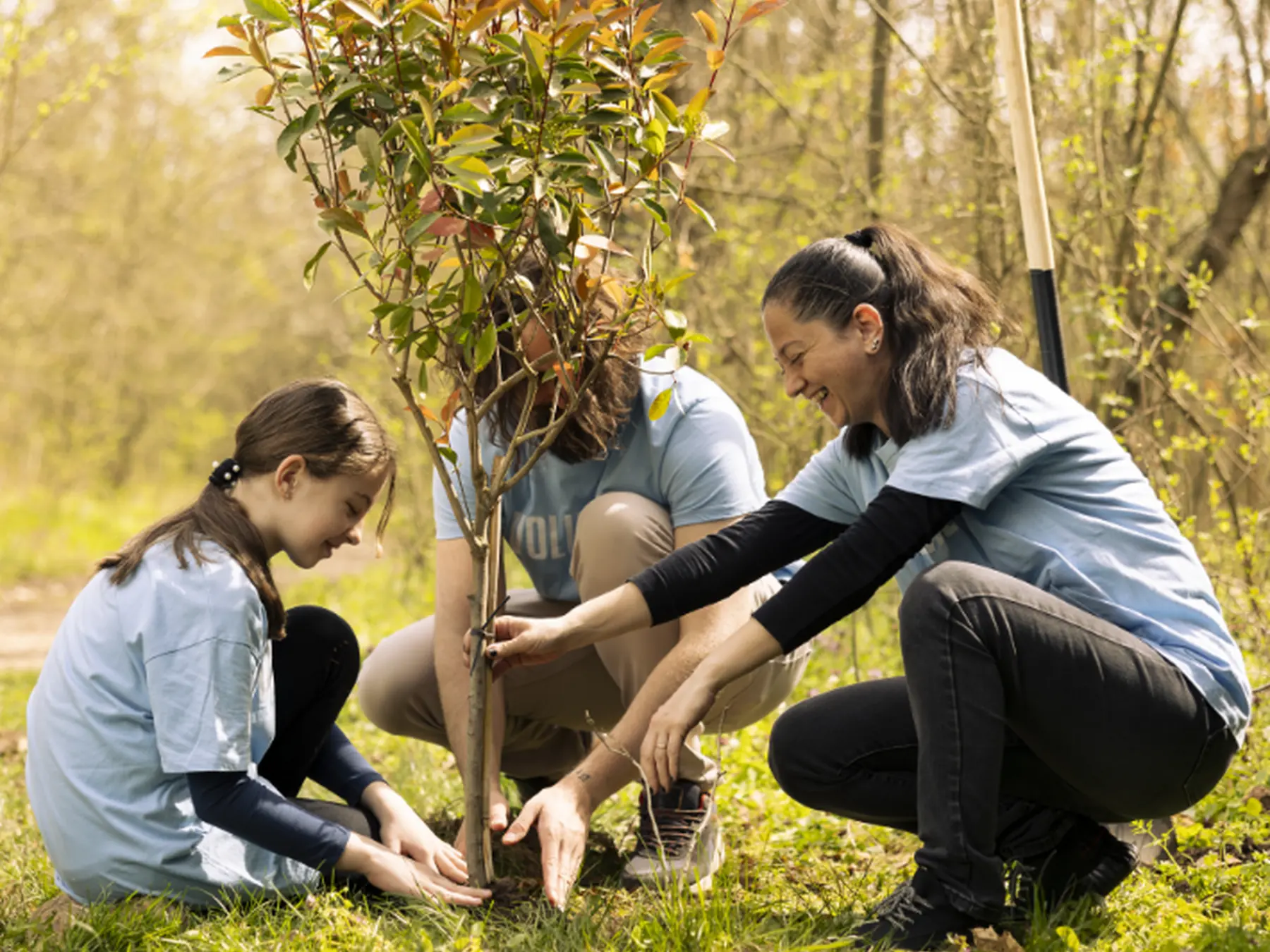
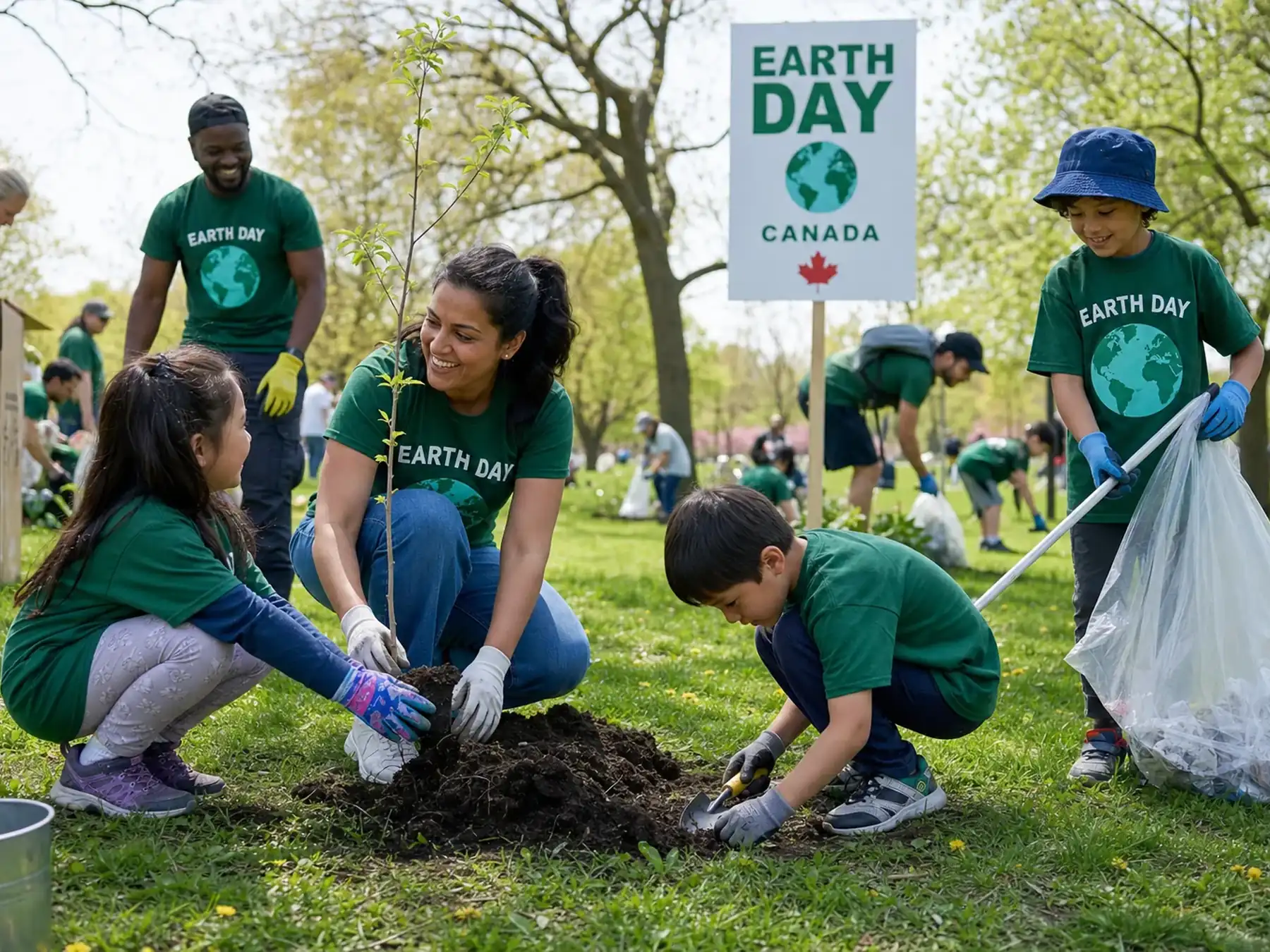
- Modern activities include cleanups, tree planting, education, political advocacy, conservation, and climate action.
- Earth Day is not the same thing as Earth Hour.
- Earth Hour is a separate event associated with turning off nonessential lights for a symbolic period.
- Earth Day has no single required activity.
- The U.S. Environmental Protection Agency maintains an official history of the first Earth Day.
Why 1970 was ready for Earth Day
- Environmental concern had been building for years before 1970.
- Rachel Carson published Silent Spring in 1962.
- The book drew public attention to ecological effects of pesticides.
- Urban smog made air pollution impossible to ignore in several American cities.
- Industrial waste heavily polluted rivers and lakes.
- Lake Erie became a symbol of water-quality crisis.
- Ohio’s Cuyahoga River famously caught fire multiple times during its polluted history.
- A 1969 Cuyahoga fire became especially influential in environmental journalism.
- A massive oil spill struck the Santa Barbara coast in 1969.
- Images of oil-covered wildlife shocked television audiences.
- Americans were also seeing photographs of Earth from space.
- Those images presented the planet as a small shared world rather than an endless resource.
- Student protest movements demonstrated the power of mass organizing.
- Environmental groups were growing but often worked on separate issues.
- Earth Day gave many concerns one highly visible national date.
Gaylord Nelson gets the idea
- Gaylord Nelson was a Democratic senator from Wisconsin.
- He had previously served as Wisconsin’s governor.
- Environmental conservation was a major part of his political career.
- Nelson became frustrated that environmental problems received limited national political attention.
- He saw how anti-war teach-ins mobilized students.
- Nelson believed a similar teach-in model could focus attention on environmental issues.
- He announced plans for a nationwide environmental teach-in in 1969.
- Media coverage quickly expanded interest.
- Nelson wanted local communities to organize their own events rather than wait for one central rally.
- This decentralized structure allowed thousands of different activities.
- The campaign deliberately reached beyond one political party.
- Republican Representative Pete McCloskey became a co-chair.
- Labor organizations, conservationists, students, scientists, and neighborhood groups joined.
- Nelson later described Earth Day’s political purpose as showing leaders how broad environmental concern had become.
- He received the Presidential Medal of Freedom in 1995 for his environmental leadership.
Why April 22?
- Earth Day organizers wanted strong student participation.
- April 22, 1970, fell on a Wednesday.
- The date sat between spring break and final-exam season for many colleges.
- That made campus organizing easier.
- Spring weather also made outdoor events practical in much of the United States.
- The date was not selected because of an ancient environmental festival.
- It was a strategic organizing choice.
- April 22 also happened to be the birthday of Vladimir Lenin.
- Some critics later tried to portray that coincidence as evidence of a political plot.
- There is no credible evidence organizers chose the date for Lenin.
- The student-calendar explanation is documented by Earth Day organizers.
- The date became fixed because the first event was so successful.
- Later international campaigns kept April 22.
- Earth Day now arrives near spring in the Northern Hemisphere and autumn in the Southern Hemisphere.
- A global environmental holiday therefore occurs in completely different seasons depending on where you live.
Denis Hayes turns an idea into a movement
- Denis Hayes was only in his twenties when he became national coordinator.
- He postponed plans for law school to organize the campaign.
- Hayes built a small Washington, D.C., organizing office.
- Many staff members and regional coordinators were young activists.
- The organization operated on a limited budget.
- Volunteers handled enormous quantities of mail and phone calls.
- Organizers created materials local groups could adapt.
- A full-page newspaper advertisement helped publicize the date.
- The campaign encouraged events beyond college campuses.
- Labor unions and community organizations became important partners.
- Local autonomy meant one city might stage a march while another held a cleanup or classroom teach-in.
- The loose structure made the movement difficult to control but easy to expand.
- Hayes became one of the best-known leaders of the modern environmental movement.
- He later helped organize Earth Day’s global expansion in 1990.
- The first Earth Day shows how much a national event can grow without one central script.
April 22, 1970 was enormous
- An estimated 20 million Americans participated in the first Earth Day.
- That represented roughly one in ten Americans at the time.
- Events occurred at thousands of schools, universities, and community sites.
- New York City closed part of Fifth Avenue to traffic.
- Union Square hosted a huge rally.
- Mayor John Lindsay strongly supported New York’s events.
- Washington, D.C., hosted gatherings near the Washington Monument.
- Musician Pete Seeger performed at the Washington observance.
- Philadelphia, Chicago, Los Angeles, and many other cities held major events.
- Smaller towns organized their own programs.
- Some participants collected litter.
- Others protested industrial pollution.
- Students held educational sessions and mock funerals for polluted environments.
- The Library of Congress describes Earth Day 1970 as a nationwide event involving tens of thousands of sites.
- It became one of the largest peaceful public demonstrations in U.S. history.
Earth Day and environmental law
- Earth Day did not single-handedly create every major environmental law.
- Environmental legislation was already developing before April 1970.
- The National Environmental Policy Act took effect at the beginning of 1970.
- Public pressure helped make environmental protection a major bipartisan political issue.
- The modern Clean Air Act was strengthened dramatically in 1970.
- The Environmental Protection Agency began operating in December 1970.
- President Richard Nixon created the EPA through executive reorganization authorized by Congress.
- The Clean Water Act followed in 1972.
- Federal pesticide regulation strengthened during the same era.
- The Endangered Species Act became law in 1973.
- Earth Day helped demonstrate that voters cared about environmental policy.
- Politicians from both major parties responded to that public pressure.
- The early 1970s became one of the most consequential periods in U.S. environmental law.
- EPA itself links the first Earth Day with the political momentum surrounding the agency’s creation.
- The holiday’s greatest immediate impact was making environmental quality impossible to treat as a niche issue.

Earth Day goes global
- Earth Day continued after 1970 but changed in scale across different years.
- The 20th anniversary in 1990 became a major global campaign.
- Denis Hayes again played a leading organizing role.
- Earth Day 1990 reached an estimated 200 million people.
- Events took place in 141 countries.
- Recycling became a major theme.
- The international campaign helped connect environmental groups across borders.
- Earth Day 1990 also built momentum ahead of the 1992 United Nations Earth Summit in Rio de Janeiro.
- Earth Day 2000 focused heavily on global warming and clean energy.
- The internet made international coordination much easier than in 1970.
- Social media later transformed organizing again.
- Modern Earth Day events take place in schools, companies, governments, nonprofits, parks, and online communities.
- Climate change has become one of the dominant environmental concerns of recent Earth Days.
- Plastic pollution, biodiversity loss, clean energy, environmental justice, and conservation are also common themes.
- The movement evolved from an American teach-in into a recurring global environmental platform.
What people actually do on Earth Day
- Community cleanups remove litter from parks, beaches, rivers, and neighborhoods.
- Tree-planting events restore shade and habitat when species and locations are chosen appropriately.
- Native-plant gardens can support local pollinators.
- Citizen-science projects let volunteers collect useful environmental observations.
- Schools use Earth Day for lessons about ecosystems, climate, waste, water, and energy.
- Repair events can keep usable items out of landfills.
- Food-waste reduction can lower unnecessary resource use.
- Walking, cycling, and public transportation events highlight transportation emissions.
- Household energy audits identify avoidable energy use.
- Organizations may restore wetlands or remove invasive species.
- Advocacy campaigns encourage people to contact elected officials.
- Some events focus on environmental justice and unequal pollution exposure.
- Businesses often announce sustainability commitments around April 22.
- Those claims are most meaningful when paired with measurable long-term action.
- Earth Day works best as a prompt for year-round habits rather than permission to ignore the environment for the other 364 days.
Ten surprising Earth Day facts
- The first Earth Day was a Wednesday, not a weekend festival.
- April 22 was chosen partly to fit college calendars.
- About 20 million Americans participated in 1970.
- That was roughly 10 percent of the U.S. population at the time.
- Earth Day was intentionally bipartisan at its political launch.
- The EPA did not exist when the first Earth Day began.
- It started operating later that same year.
- Earth Day became truly global on a massive scale during its 20th anniversary in 1990.
- The coincidence between April 22 and Lenin’s birthday is not evidence that the holiday was secretly chosen for him.
- For more planet trivia, explore our Earth facts and Science facts.

Quick Earth Day FAQ
When is Earth Day?
April 22 every year.
Who founded Earth Day?
Wisconsin Senator Gaylord Nelson originated the national teach-in concept, with Denis Hayes organizing the first nationwide campaign and many other leaders and local groups making it possible.
When was the first Earth Day?
April 22, 1970, when roughly 20 million Americans participated in events across the country.
Did Earth Day create the EPA?
Not by itself. The agency emerged from broader political and environmental pressure, but the first Earth Day powerfully demonstrated public demand for environmental action before the EPA began operating in December 1970.
How can you celebrate Earth Day?
Useful options include local cleanups, native planting, conservation volunteering, reducing waste, learning about environmental issues, citizen science, and supporting practical year-round environmental improvements.

Ellie is the owner and sole author of Fun Facts, combining her mechanical engineering background with years of research-driven writing to deliver facts you can trust. Every article is thoroughly fact-checked and routinely updated as new science and sources emerge to keep information accurate and current. Her mission is to make learning delightful while upholding high standards of reliability and transparency.