
The first iPhone had no App Store, no copy and paste, no front camera, no GPS, no video recording, and no 3G connection. What it did have was a large multitouch screen that replaced most physical buttons and combined a phone, music player, camera, and web browser in a way that changed consumer technology. These 145 iPhone facts explore the secret development project, 2007 launch, multitouch, iOS, App Store, cameras, Siri, Touch ID, Face ID, Apple silicon, connectors, materials, accessibility, privacy, and the design decisions that turned a risky Apple project into one of the most influential products ever made.
iPhone basics
- The iPhone is a smartphone designed by Apple.
- Steve Jobs publicly introduced the first iPhone on January 9, 2007.
- It went on sale in the United States on June 29, 2007.
- The first model combined a mobile phone, widescreen iPod, and internet communicator.
- It used a large capacitive multitouch screen.
- Most interaction happened directly on the display.
- The original iPhone had one physical Home button below the screen.
- It ran a mobile operating system derived from Apple’s Mac OS X technologies.
- Apple later named the operating system iOS.
- The first iPhone was exclusive to AT&T in the United States.
- It used 2G EDGE cellular data rather than 3G.
- It included Wi-Fi and Bluetooth.
- The product line expanded into many sizes, prices, and camera configurations.
- Apple has sold billions of iPhones over the product’s lifetime.
- Apple’s official iPhone site now presents the device as part of a much larger ecosystem of services, accessories, computers, watches, and cloud features.
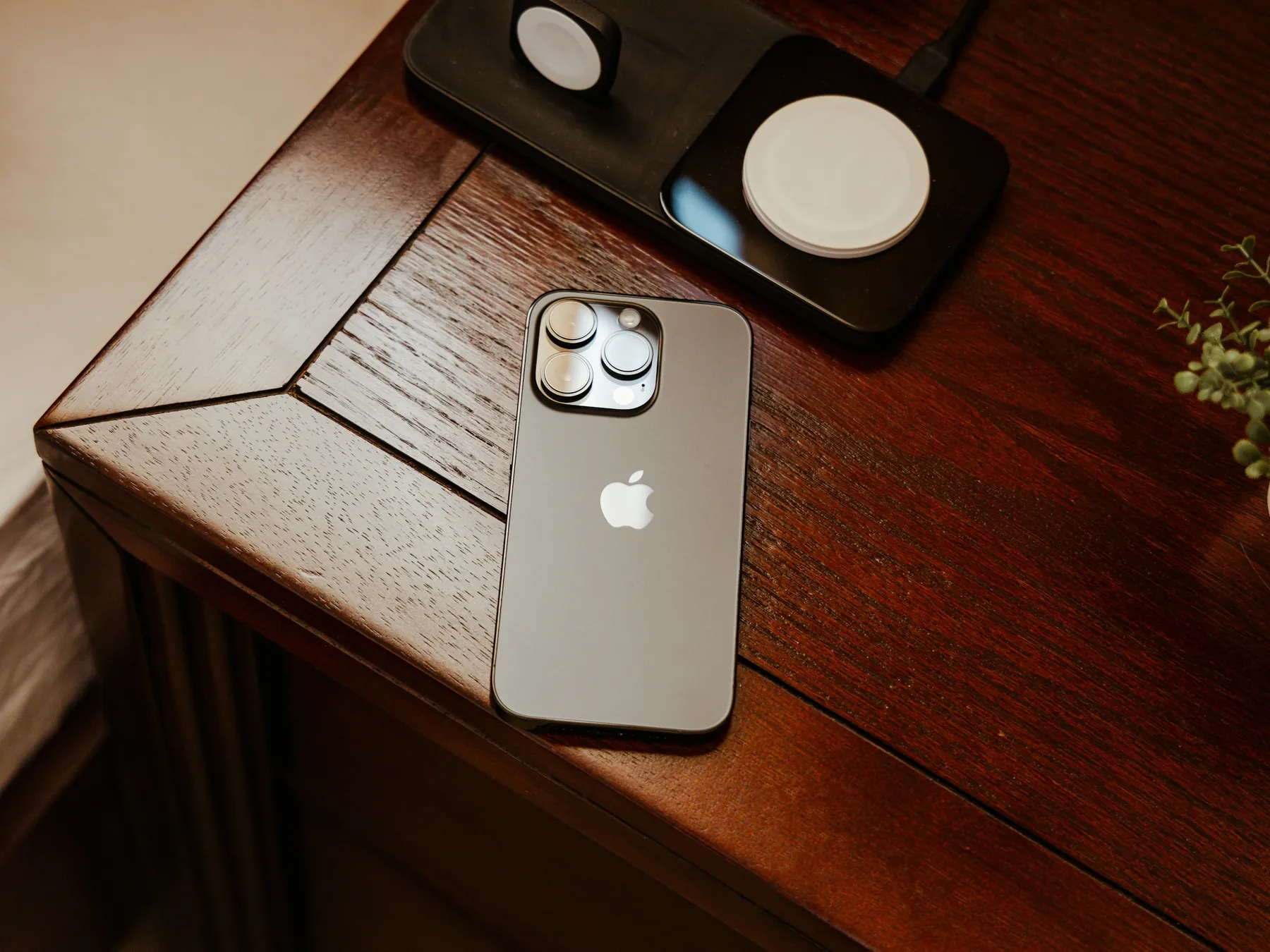
Project Purple was secret
- Apple developed the iPhone under intense secrecy.
- The internal project became associated with the name Project Purple.
- Engineers worked in restricted areas.
- Some team members did not know the complete product they were helping build.
- Apple explored different approaches to a future phone.
- One direction considered adapting iPod-style controls.
- Another focused on a large multitouch display.
- The touchscreen approach ultimately won.
- Apple had already developed multitouch ideas through earlier research and acquisitions.
- The company wanted fingers rather than a stylus to be the primary pointing tool.
- That required large touch targets and new interface behaviors.
- Software keyboards had to work well enough to replace physical keys.
- Scrolling needed to feel direct and physical.
- Pinch-to-zoom became one of the product’s most memorable gestures.
- The secret project forced Apple to design hardware, software, cellular integration, applications, and manufacturing at the same time.
The 2007 keynote became legendary
- Steve Jobs introduced iPhone at Macworld in San Francisco.
- He teased three products: a widescreen iPod, a phone, and an internet communicator.
- He then revealed they were one device.
- The presentation became one of technology’s most famous product launches.
- The demonstration looked smooth to the audience.
- Behind the scenes, the prototype software was still fragile.
- Engineers developed a specific “golden path” of actions that would minimize crashes during the keynote.
- Multiple demonstration phones were available.
- The device displayed signal strength more optimistically for presentation reliability.
- Jobs demonstrated visual voicemail.
- He browsed the web with Safari.
- He used Google Maps.
- He showed pinch-to-zoom in photos.
- He placed a prank call to a Starbucks while demonstrating Maps and calling.
- A presentation remembered as effortless was actually a carefully choreographed live test of unfinished technology.
The first iPhone was missing modern basics
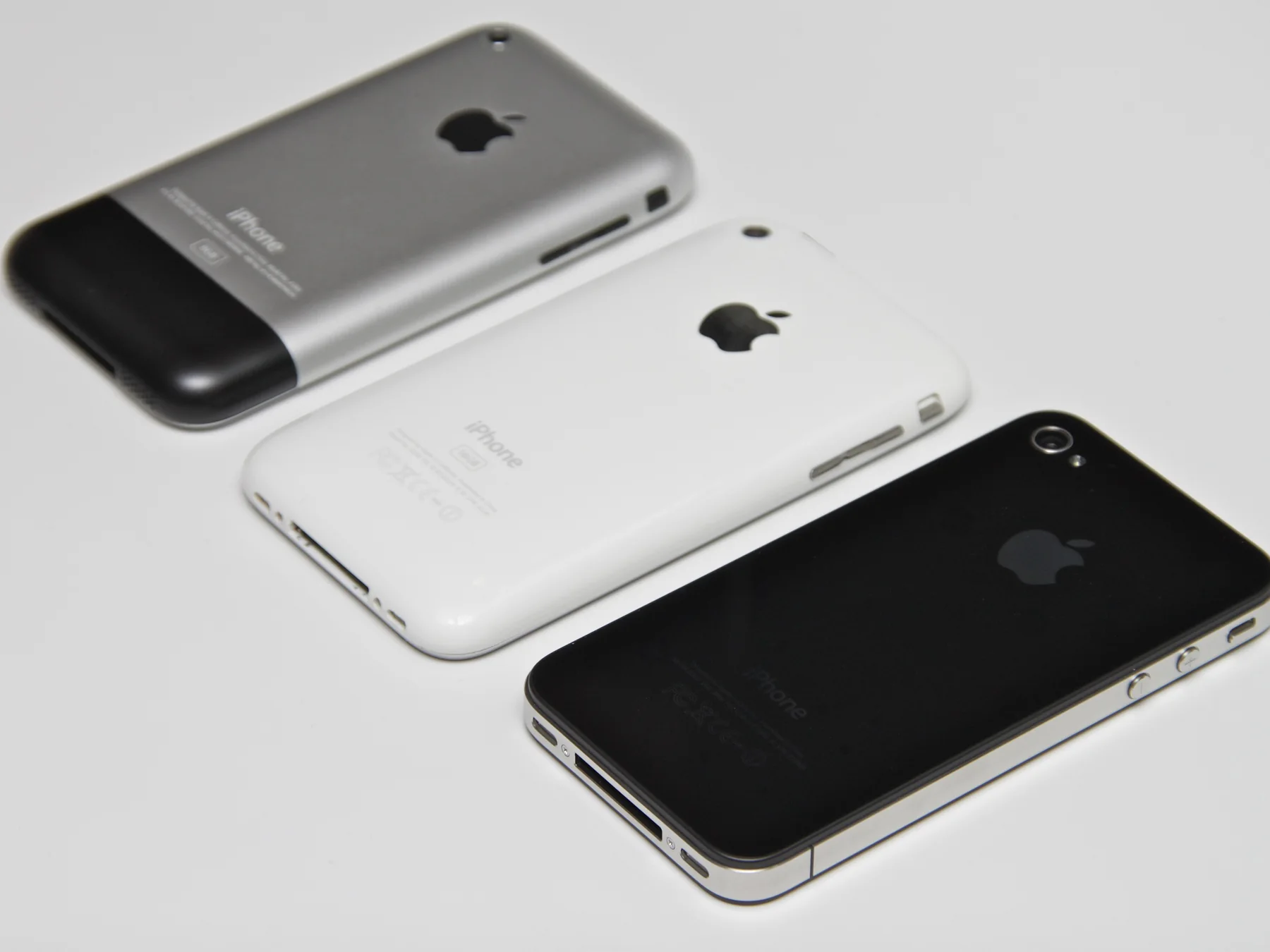
- The original iPhone had no App Store.
- Apple initially encouraged third-party developers to create web apps.
- The first iPhone had no 3G cellular connection.
- It had no GPS receiver.
- It had no front-facing camera.
- Its rear camera was 2 megapixels.
- The original Camera app did not record video.
- The phone did not support MMS picture messaging at launch.
- It did not offer systemwide copy and paste.
- Those features arrived in later software or hardware generations.
- The first model came in 4GB and 8GB storage versions initially.
- A 16GB model arrived later.
- The original U.S. starting price was $499 with a two-year contract for the 4GB model.
- Apple cut the price only months after launch.
- The contrast shows how quickly smartphone expectations changed after the iPhone itself helped create them.
The App Store changes software
- Apple released an iPhone software development kit for third-party native apps in 2008.
- The App Store launched in July 2008.
- It opened with about 500 applications.
- Users could discover, buy, download, and update software from one centralized store.
- Developers could reach a global customer base.
- Apple reviewed apps before distribution.
- The company took a percentage of many paid transactions.
- The model transformed mobile software economics.
- Games became one of the App Store’s largest categories.
- Entire businesses were created around mobile apps.
- Ride sharing, mobile banking, food delivery, social media, photography, and navigation changed as smartphones spread.
- The App Store also created controversies over commissions, review rules, competition, privacy, and platform control.
- Governments later imposed new rules on app marketplaces in some regions.
- The iPhone therefore became a software platform rather than merely a device.
- The absence of an App Store on the original model is one of early iPhone history’s strangest facts to modern users.
iPhone cameras take over photography
- The first iPhone camera was simple by modern standards.
- Later models added autofocus.
- Video recording became standard.
- The iPhone 4 introduced a front-facing camera in 2010.
- FaceTime launched with that model.
- Front cameras helped normalize video calling and selfies.
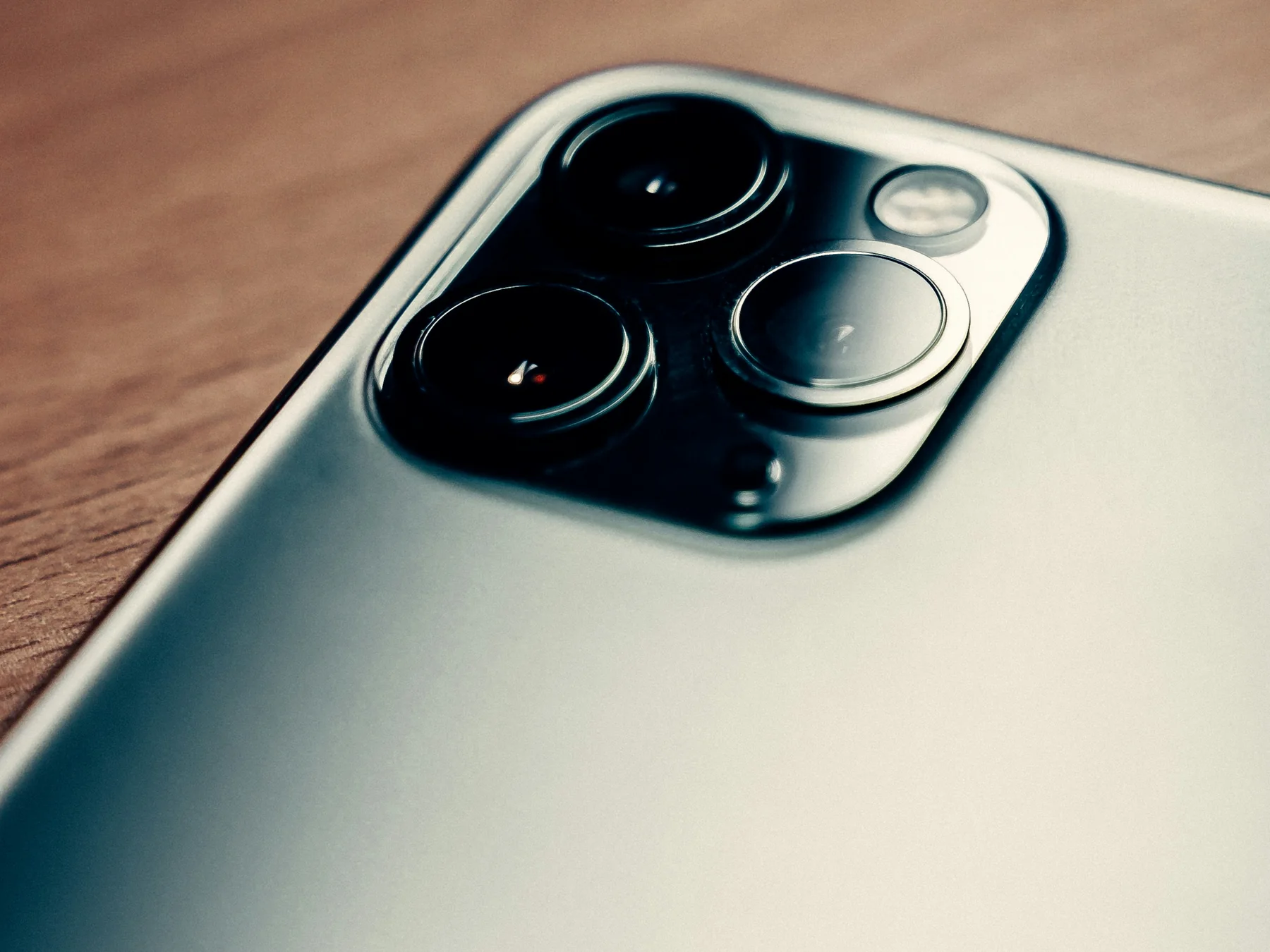
- Apple gradually added multiple rear lenses.
- Wide, ultrawide, and telephoto cameras serve different fields of view.
- Optical image stabilization reduces blur from hand movement.
- Computational photography combines multiple exposures and algorithms.
- HDR processing balances bright and dark areas.
- Night modes combine information over longer captures.
- Portrait modes estimate depth to blur backgrounds computationally.
- Smartphones caused enormous declines in the compact point-and-shoot camera market.
- The most important camera feature for many people became simply having a capable camera in a pocket every day.
Siri, Touch ID, and Face ID
- Siri began as technology developed outside Apple.
- Apple acquired Siri in 2010.
- The voice assistant launched as an integrated iPhone feature with iPhone 4S in 2011.
- Siri could answer questions and perform actions through spoken commands.
- Voice-assistant capabilities expanded over time.
- Touch ID debuted on iPhone 5s in 2013.
- The fingerprint sensor was built into the Home button.
- It made biometric phone unlocking mainstream.
- Touch ID later authorized payments and app actions.
- Face ID debuted with iPhone X in 2017.
- It uses infrared sensing and a depth map rather than relying on an ordinary selfie photograph.
- Face ID allowed Apple to remove the Home button from its flagship design.
- Gesture navigation replaced many Home-button actions.
- Biometrics improved convenience but also raised important privacy and security questions.
- Apple stores key biometric templates in protected device hardware rather than sending raw fingerprints or face maps to a public cloud database.
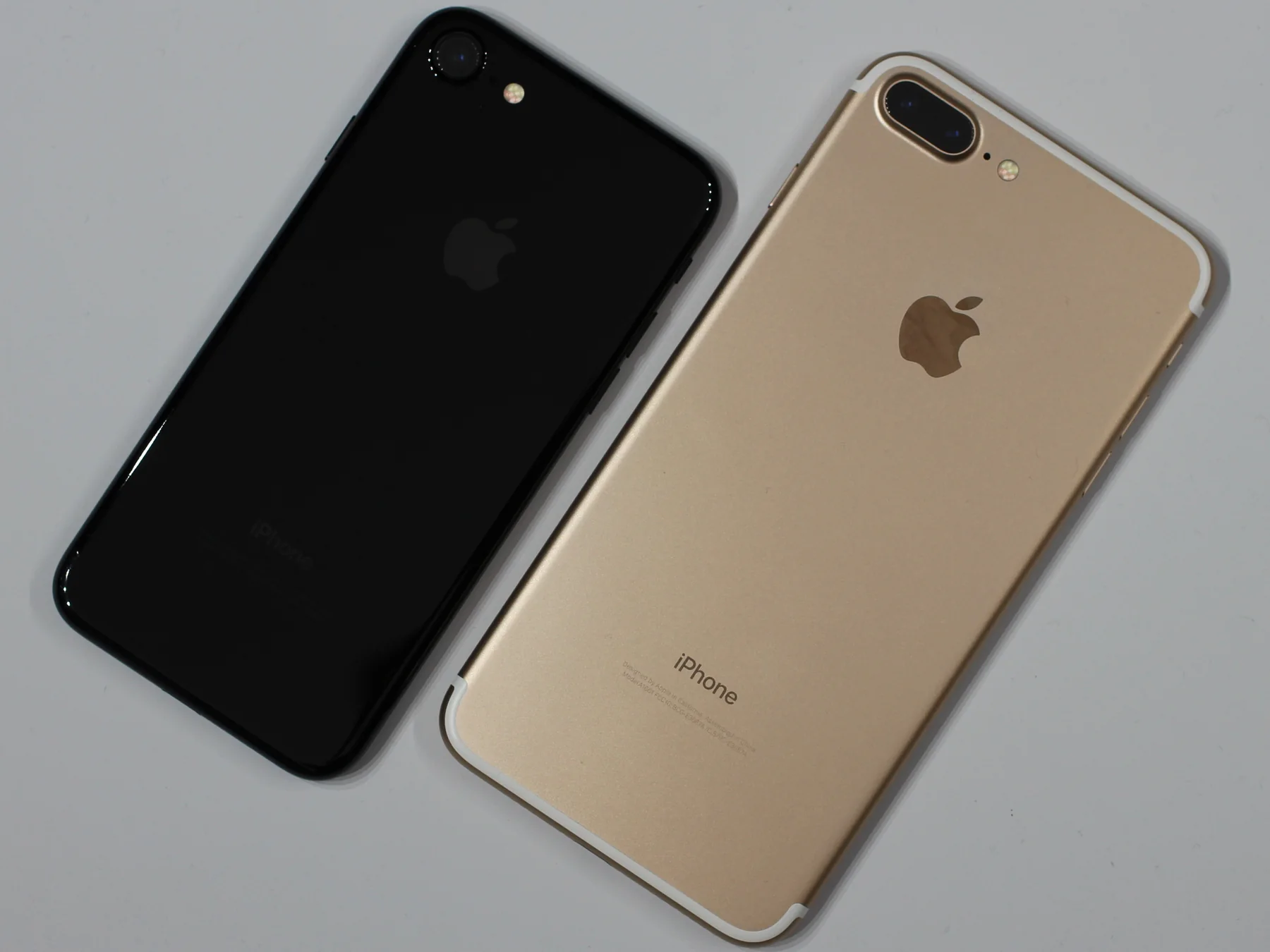
The connector keeps changing
- The original iPhone used Apple’s 30-pin dock connector.
- That connector had been inherited from the iPod ecosystem.
- Apple introduced the much smaller Lightning connector with iPhone 5 in 2012.
- Lightning was reversible.
- It became the standard iPhone connector for more than a decade.
- European Union legislation pushed consumer electronics toward USB-C charging standards.
- Apple introduced USB-C on the iPhone 15 family in 2023.
- USB-C uses the same physical connector across many phones, tablets, laptops, and accessories.
- Not every USB-C cable supports the same charging or data speed.
- Some iPhones support faster wired data transfer than others.
- Wireless charging arrived with iPhone 8 and iPhone X.
- MagSafe for iPhone launched in 2020.
- Magnets help align compatible wireless chargers and accessories.
- The word MagSafe had previously been used for magnetic Mac laptop power connectors.
- One product line has moved from 30-pin to Lightning to USB-C while also making cables increasingly optional for some tasks.
Apple silicon inside the iPhone
- Apple increasingly designs its own iPhone processors.
- The A4 chip in iPhone 4 was an early major Apple-designed system-on-a-chip.
- A system-on-a-chip combines many computing components into one package.
- Apple later developed custom CPU cores.
- It also designs graphics, neural-processing, image-processing, and security hardware.
- The A7 chip in iPhone 5s introduced 64-bit smartphone computing to the mass market.
- Competitors accelerated their own 64-bit mobile transitions.
- Neural Engine hardware supports machine-learning tasks.
- Image signal processors perform enormous amounts of camera computation.
- The Secure Enclave protects sensitive cryptographic and biometric information.
- Apple’s chip design gives it tight control over hardware and software optimization.
- The same broader silicon strategy later expanded to Mac computers with Apple silicon.
- Smartphone performance now depends on specialized accelerators as much as a traditional CPU.
- Modern iPhones contain far more computing power than early desktop computers.
- The pocket phone became one of the most sophisticated mass-produced computers humans carry every day.
Ten surprising iPhone facts
- The original iPhone launched without an App Store.
- It also lacked GPS, 3G, video recording, a front camera, and copy and paste.
- The famous 2007 keynote used a carefully rehearsed sequence because the prototype software was still fragile.
- The App Store launched a year after the phone.
- Siri began as a separate company before Apple acquired it.
- Touch ID debuted before Face ID by four years.
- iPhone used the 30-pin connector before Lightning.
- USB-C did not arrive on iPhone until 2023.
- The iPhone helped make compact standalone cameras far less common.
- For more tech history, explore our Internet facts, AI facts, and Tech facts.
Quick iPhone FAQ
When did the first iPhone come out?
Steve Jobs announced it January 9, 2007, and it went on sale in the United States on June 29, 2007.
Did the first iPhone have apps?
It had built-in Apple apps, but no App Store for downloadable native third-party apps. The App Store launched in 2008.
When did iPhone get a front camera?
With iPhone 4 in 2010, alongside the launch of FaceTime.
When did iPhone switch to USB-C?
The iPhone 15 family introduced USB-C in 2023 after more than a decade of Lightning connectors.
What was Project Purple?
An internal name associated with Apple’s secret iPhone development effort before the product was publicly announced.

Ellie is the owner and sole author of Fun Facts, combining her mechanical engineering background with years of research-driven writing to deliver facts you can trust. Every article is thoroughly fact-checked and routinely updated as new science and sources emerge to keep information accurate and current. Her mission is to make learning delightful while upholding high standards of reliability and transparency.