
Louisiana can make a road trip feel like you changed countries without crossing a state line. French and Spanish history, Cajun and Creole cultures, bayous, brass bands, Mardi Gras, crawfish boils, giant river systems, and food people will argue about for hours all fit inside one Pelican State.
Louisiana basics that immediately make it different
- Louisiana became the 18th U.S. state on April 30, 1812.
- Baton Rouge is the state capital.
- New Orleans is Louisiana’s largest city.
- Louisiana is the only U.S. state divided into parishes instead of counties.
- There are 64 parishes.
- The official nickname is the Pelican State.
- Louisiana is also called the Sportsman’s Paradise.
- The postal abbreviation is LA.
- The state motto is “Union, Justice and Confidence.”
- Louisiana borders Texas, Arkansas, and Mississippi.
- The Gulf of Mexico forms its southern edge.
- Most of Louisiana uses the Central Time Zone.
- The Mississippi River passes through the state before reaching the Gulf.
- Louisiana contains enormous areas of wetlands.
- Much of southern Louisiana is extremely low and flat.
- Driskill Mountain is the state’s highest natural point.
- It rises only about 535 feet above sea level.
- Parts of New Orleans lie below sea level.
- The state’s shape is often compared with a boot.
- I appreciate a state whose geography lesson already includes a river delta, a boot, and 64 things that refuse to be called counties.
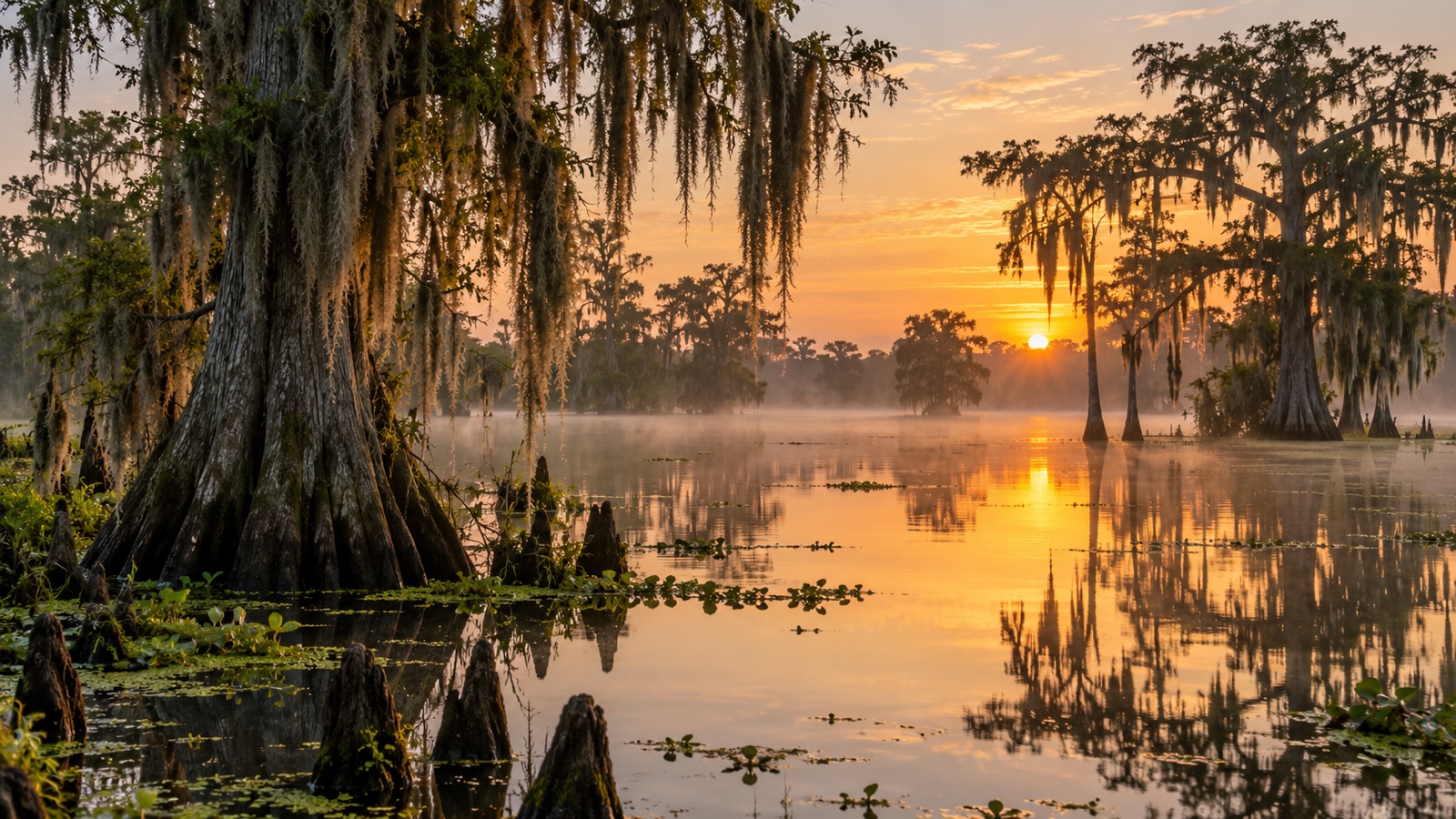
The Mississippi, bayous & a coast that is always changing
- The Mississippi River built much of southern Louisiana by depositing sediment over thousands of years.
- River sediment created shifting deltas, natural levees, wetlands, and barrier landscapes.
- Modern levees keep the Mississippi from flooding and changing course as freely as it once did.
- Those levees protect communities but also reduce sediment reaching some wetlands.
- Louisiana loses coastal wetlands through a combination of subsidence, sea-level rise, storms, erosion, canals, and reduced sediment delivery.
- The Atchafalaya River carries part of the Mississippi River system’s flow.
- The Atchafalaya Basin contains the nation’s largest river swamp.
- The basin includes bayous, cypress-tupelo swamps, marshes, lakes, and bottomland forests.
- A bayou is a slow-moving or sluggish waterway common in low-lying Gulf Coast landscapes.
- Not every Louisiana waterway is technically a bayou.
- Lake Pontchartrain lies directly north of New Orleans.
- Despite its name, Lake Pontchartrain is an estuary connected with the Gulf of Mexico.
- Its water can range from fresh to brackish depending on location and conditions.
- The Lake Pontchartrain Causeway consists of two long parallel bridges.
- The longer span stretches nearly 24 miles.
- Grand Isle is Louisiana’s only inhabited barrier island town.
- Barrier islands help absorb wave energy but can change dramatically during hurricanes.
- Hurricane storm surge is one of the biggest coastal hazards in southern Louisiana.
- Restoration projects try to rebuild marshes, barrier islands, and sediment-starved wetlands.
- Louisiana’s coastline is less a fixed line on a map and more an ongoing negotiation among water, mud, wind, and engineering.
French, Spanish, African & Indigenous Louisiana
- Indigenous nations lived throughout Louisiana long before European colonization.
- The Chitimacha, Houma, Coushatta, Tunica-Biloxi, Caddo, and other peoples have deep ties to the region.
- France claimed the lower Mississippi Valley as part of a vast colonial territory called Louisiana.
- New Orleans was founded by the French in 1718.
- The city was named for Philippe II, Duke of Orléans.
- Spain controlled Louisiana for several decades during the late 18th century.
- French rule briefly returned before the Louisiana Purchase.
- The United States bought the Louisiana Territory from France in 1803.
- The purchase covered far more land than today’s state of Louisiana.
- The modern state occupies only a small southeastern portion of that enormous acquisition.
- Louisiana’s legal tradition retains strong civil-law influences unlike the common-law emphasis of most U.S. states.
- The state’s private-law system has historical roots in French and Spanish civil law.
- English remains the dominant language today.
- French varieties are still spoken and taught in Louisiana.
- Louisiana Creole is a distinct language with French-based vocabulary and its own grammar.
- Cajun French developed within Acadian-descended communities.
- Spanish, Vietnamese, Indigenous languages, and many other languages are also part of Louisiana life.
- African and Afro-Caribbean cultures profoundly shaped Louisiana music, food, religion, language, and architecture.
- Enslaved Africans and their descendants were central to the region’s economy and culture while enduring brutal exploitation.
- Louisiana culture makes much more sense when you stop trying to reduce it to one European flag.
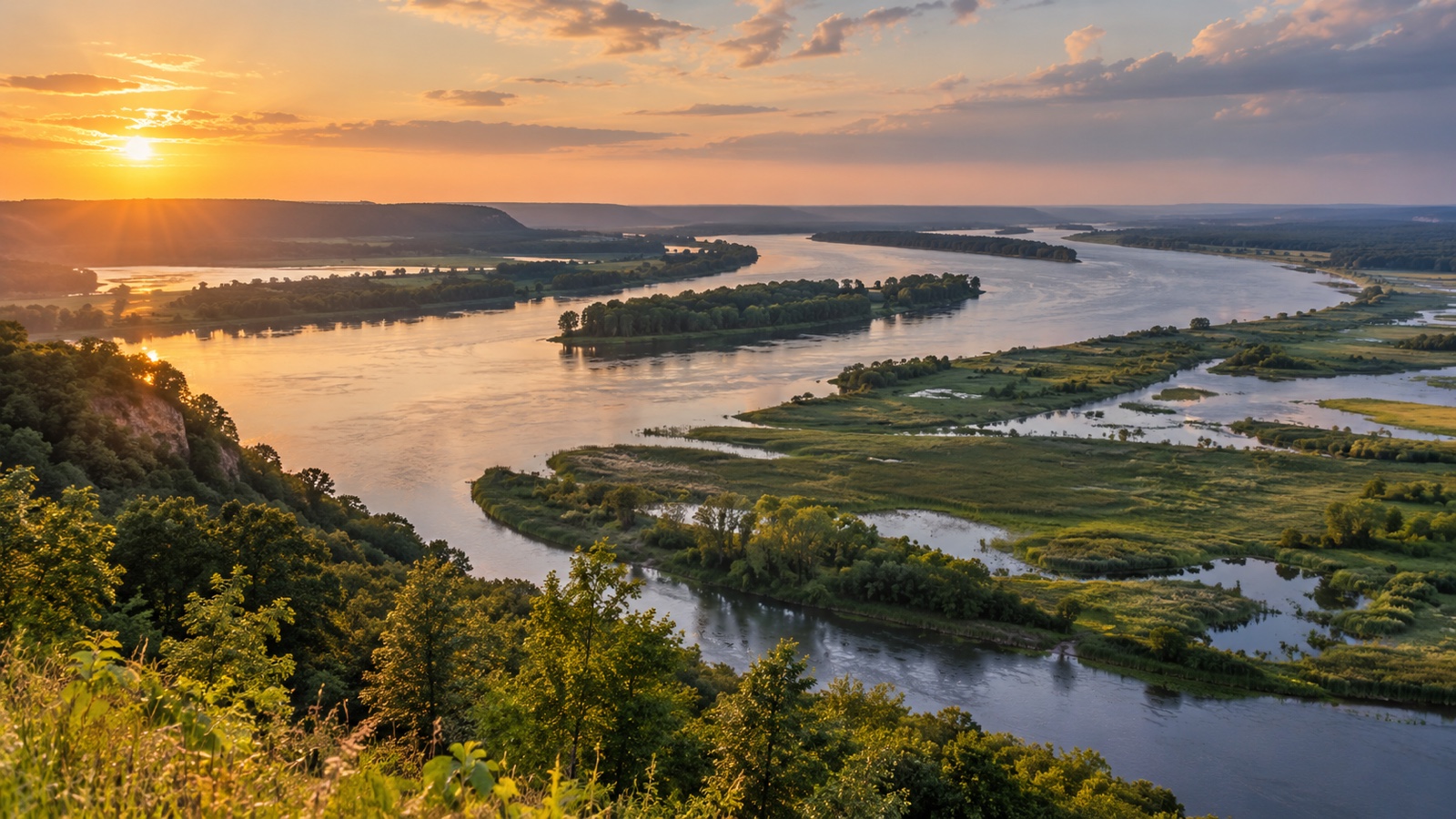
Cajun and Creole are related, but they are not synonyms
This distinction gets flattened constantly, so it is worth being specific. Cajun identity grew primarily from Acadian refugees and their descendants, while Creole identity has carried several historical meanings tied to people born in colonial Louisiana and its mixed French, Spanish, African, Caribbean, and other populations.
- Acadians were French-speaking settlers in what is now Atlantic Canada.
- British authorities deported many Acadians beginning in 1755.
- That forced removal is known as Le Grand Dérangement, or the Great Upheaval.
- Some displaced Acadians eventually settled in Louisiana.
- The word Cajun developed from the word Acadian.
- Cajun communities became especially associated with southern and southwestern Louisiana.
- Cajun culture developed through interaction with Indigenous, African, German, Spanish, and other neighboring cultures.
- Creole historically could refer broadly to people born in the colony rather than overseas.
- Louisiana Creole identities later developed in complex racial, cultural, and linguistic contexts.
- Free people of color formed influential Creole communities in colonial and antebellum Louisiana.
- Cajun and Creole food traditions overlap but are not identical.
- Both cuisines use local seafood, rice, seasonings, and long-developed cooking techniques.
- Creole cooking is strongly associated with New Orleans’s urban culinary history.
- Cajun cooking is often associated with rural south Louisiana traditions.
- Tomatoes appear more commonly in many Creole-style dishes than in some Cajun versions.
- There are plenty of exceptions because real family cooking ignores neat textbook borders.
- Cajun music traditionally features instruments including fiddle and accordion.
- Zydeco developed largely within Black Creole communities in southwest Louisiana.
- Zydeco often features accordion and a metal washboard-style percussion instrument called a frottoir.
- Calling all Louisiana accordion music “Cajun” misses an entire major musical tradition.
New Orleans gave the world jazz and a very specific kind of party
- New Orleans is widely recognized as the birthplace of jazz.
- Jazz emerged from Black musical traditions in the late 19th and early 20th centuries.
- Blues, ragtime, brass-band music, spirituals, Caribbean rhythms, and improvisation all contributed to early jazz.
- Louis Armstrong was born in New Orleans in 1901.
- Armstrong became one of the most influential musicians in jazz history.
- Jelly Roll Morton was another important early New Orleans jazz figure.
- New Orleans brass bands remain a living part of the city’s music culture.
- Second-line parades combine brass-band music, dancing, and community procession traditions.
- Mardi Gras means “Fat Tuesday” in French.
- It falls the day before Ash Wednesday in the Western Christian calendar.
- Its date changes each year because Easter’s date changes.
- Carnival season begins well before Mardi Gras Day.
- New Orleans krewes organize parades, balls, and other Carnival events.
- Parade riders throw beads, cups, doubloons, toys, and other items to spectators.
- Not every Louisiana Mardi Gras looks like New Orleans Carnival.
- Rural Cajun communities have distinct Mardi Gras traditions such as the Courir de Mardi Gras.
- Participants in a traditional courir travel through the countryside collecting ingredients for a communal gumbo.
- Purple, green, and gold are the familiar Mardi Gras colors in New Orleans.
- The colors are traditionally associated with justice, faith, and power.
- Louisiana found a way to make both jazz history and catching plastic beads feel like serious cultural study.
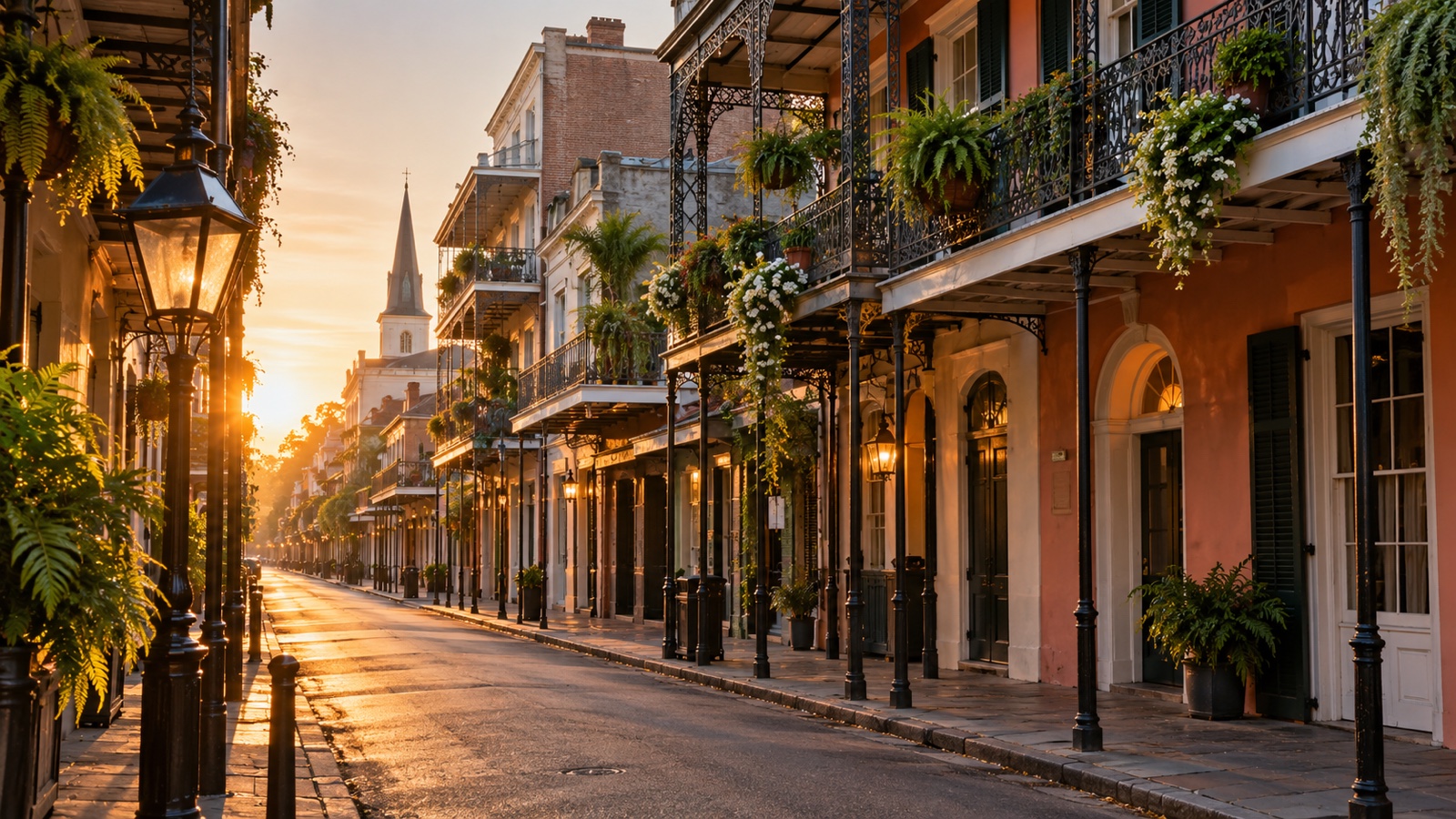
Alligators, pelicans & wild Louisiana
Louisiana wildlife has a way of making ordinary outdoor advice sound more urgent. Wetlands support alligators, turtles, wading birds, fish, snakes, nutria, and migratory birds, which is wonderful ecology and also a strong argument against casually reaching into murky water.
- American alligators are native to Louisiana.
- They inhabit swamps, marshes, lakes, ponds, and slow waterways.
- Alligators were once severely depleted but recovered after legal protection and management.
- Louisiana now supports a large alligator population.
- Brown pelicans are common along the coast.
- The brown pelican is Louisiana’s state bird.
- Brown pelicans nearly disappeared from Louisiana during the 20th century.
- Pesticide contamination contributed to severe reproductive problems.
- Restoration and environmental regulation helped pelicans recover.
- The bird was removed from the federal endangered-species list in 2009.
- Nutria are large invasive rodents found in Louisiana wetlands.
- They were introduced to North America through the fur industry.
- Nutria damage marshes by eating vegetation and roots.
- Louisiana has used incentive programs to encourage nutria removal.
- Louisiana black bears inhabit forested and wetland regions.
- The Louisiana black bear is a subspecies of American black bear.
- Conservation efforts helped it recover enough to leave the federal threatened-species list in 2016.
- Roseate spoonbills add bright pink color to coastal wetlands.
- Louisiana lies along the Mississippi Flyway for migratory birds.
- The state’s wetlands are wildlife habitat, storm buffers, fisheries nurseries, and one of its defining landscapes all at once.
Gumbo, crawfish, Tabasco & 25 final Louisiana facts
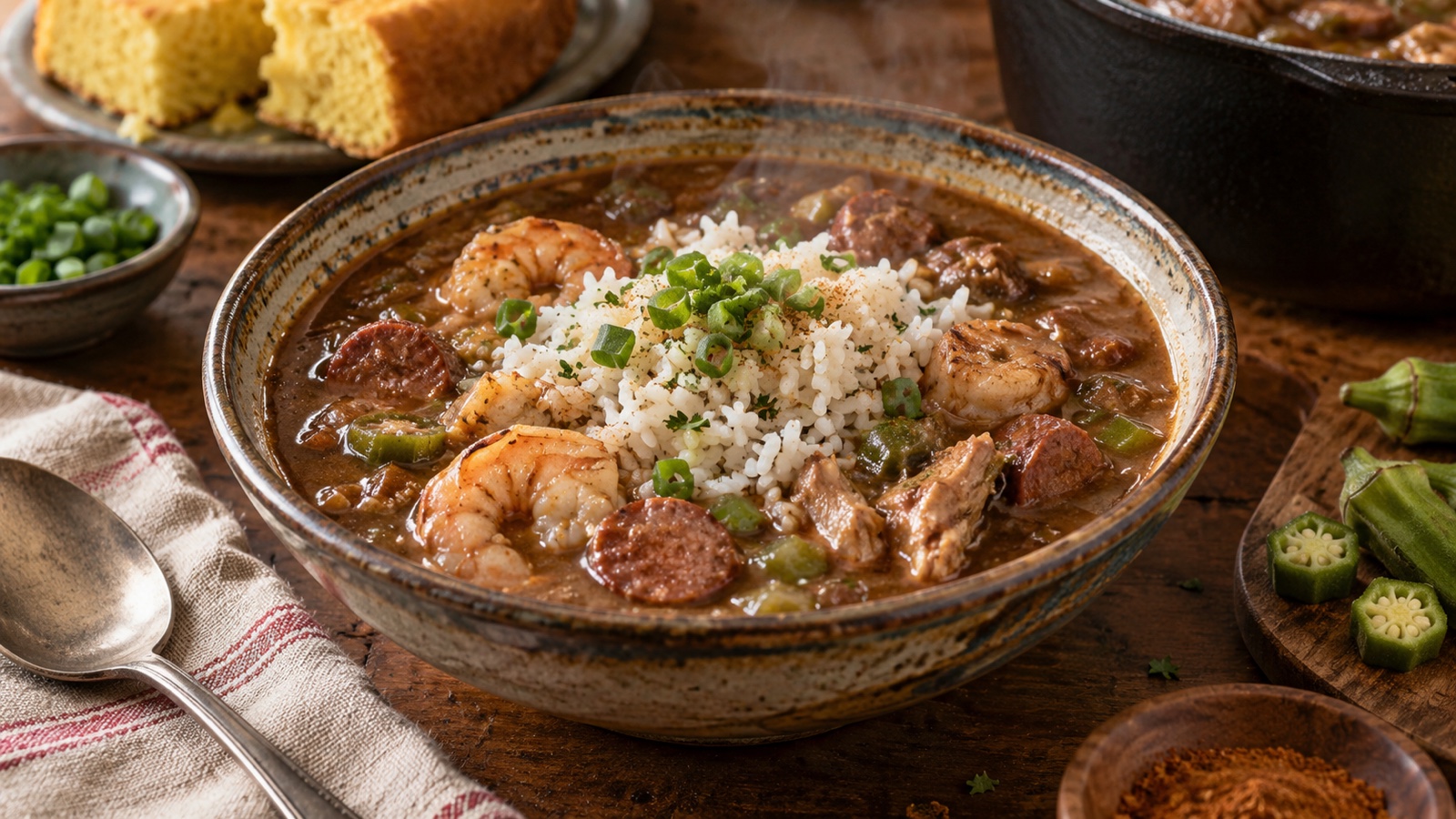
- Gumbo is a Louisiana stew with African, European, Indigenous, and Caribbean influences.
- Some gumbos are thickened with roux.
- Okra can also thicken gumbo.
- Filé powder is made from dried ground sassafras leaves and can season or thicken gumbo.
- Jambalaya is a rice dish with many regional variations.
- Crawfish boils combine boiled crawfish with seasonings and commonly corn, potatoes, and sausage.
- Louisiana crawfish are freshwater crustaceans, not tiny lobsters.
- Étouffée is a rich dish commonly served over rice.
- Po’boys are Louisiana sandwiches traditionally served on crusty French-style bread.
- They can contain fried seafood, roast beef, sausage, or other fillings.
- Beignets are square pieces of fried dough famously dusted with powdered sugar.
- Chicory coffee is strongly associated with New Orleans.
- King cake is a major Carnival-season tradition.
- A small baby figure is commonly hidden in or placed inside modern king cakes.
- Whoever receives the baby may be expected to host or provide the next cake.
- Tabasco sauce has been made on Avery Island since the 19th century.
- Avery Island is actually a salt-dome formation rather than a conventional offshore island.
- LSU is located in Baton Rouge.
- Tulane University is in New Orleans.
- The Caesars Superdome has been a defining New Orleans landmark since the 1970s.
- Hurricane Katrina struck the Gulf Coast in 2005 and caused catastrophic flooding in New Orleans after levee and floodwall failures.
- The disaster reshaped the city and national conversations about emergency response, infrastructure, inequality, and coastal risk.
- The state flower is the magnolia.
- The state crustacean is the crawfish.
- After 145 facts, Louisiana still feels like the state most likely to turn history, a wetland, and dinner into the same story.
Quick FAQ
Q: Why does Louisiana have parishes instead of counties?
A: The parish system reflects the state’s French and Spanish colonial history and the importance of Catholic church parishes in early local organization.
Q: What is the difference between Cajun and Creole?
A: Cajun identity developed primarily from Acadian-descended communities, while Louisiana Creole identities have different colonial, African, Caribbean, European, and mixed cultural histories. They overlap but are not synonyms.
Q: What is Louisiana famous for?
A: New Orleans, jazz, Mardi Gras, bayous, wetlands, Cajun and Creole culture, the Mississippi River, crawfish, gumbo, alligators, and a deeply layered colonial history.
Q: Is Lake Pontchartrain really a lake?
A: It is commonly called a lake, but scientifically it is a brackish estuary connected with the Gulf of Mexico.
Q: What is Louisiana’s capital?
A: Baton Rouge is the capital, while New Orleans is the largest city.

Ellie is the owner and sole author of Fun Facts, combining her mechanical engineering background with years of research-driven writing to deliver facts you can trust. Every article is thoroughly fact-checked and routinely updated as new science and sources emerge to keep information accurate and current. Her mission is to make learning delightful while upholding high standards of reliability and transparency.