
John F. Kennedy’s presidency lasted less than three years, yet it produced enough history for several lifetimes: the Bay of Pigs, the Cuban Missile Crisis, the space race, civil-rights pressure, the Peace Corps, Cold War speeches, and one of the most studied assassinations in modern history.
Kennedy grew up in one of America’s most famous political families
- John Fitzgerald Kennedy was born May 29, 1917.
- He was born in Brookline, Massachusetts.
- His parents were Joseph P. Kennedy Sr. and Rose Fitzgerald Kennedy.
- John was the second of nine children.
- His older brother was Joseph P. Kennedy Jr.
- His younger brothers included Robert and Edward Kennedy.
- His maternal grandfather was John F. Fitzgerald.
- Fitzgerald served as mayor of Boston.
- Joseph Kennedy Sr. became a wealthy businessman and political figure.
- The Kennedy family moved frequently during John’s childhood.
- They lived in Massachusetts, New York, and England at different times.
- John was often called Jack.
- He attended several private schools.
- He spent part of his education at Choate.
- He was frequently ill as a child and teenager.
- He dealt with digestive and other health problems for years.
- Kennedy read widely despite recurring illness.
- He developed an early interest in history and international affairs.
- His family expected public achievement from the children.
- Growing up Kennedy meant family dinners could sound less like dinner and more like an unusually competitive policy seminar.

Harvard helped turn international affairs into a serious interest
- Kennedy entered Harvard College in 1936.
- He traveled through Europe while his father served as U.S. ambassador to Britain.
- Kennedy observed the growing European crisis before World War II.
- He visited Germany and other countries during the late 1930s.
- His senior thesis examined Britain’s response to Nazi Germany.
- The thesis became the basis for a published book.
- The book was titled Why England Slept.
- It was published in 1940.
- The title echoed Winston Churchill’s While England Slept.
- Kennedy graduated from Harvard in 1940.
- He briefly attended Stanford’s graduate business program.
- World War II soon redirected his plans.
- Kennedy initially had difficulty passing military physical exams.
- His health problems complicated enlistment.
- He eventually entered the U.S. Naval Reserve.
- He received training for naval intelligence and patrol-torpedo operations.
- His father’s connections helped open doors, but Kennedy still faced serious wartime danger.
- He was assigned to the Pacific theater.
- There he commanded patrol torpedo boats.
- College turned Kennedy into a published author before war turned him into a national hero.
PT-109 became the defining story of Kennedy’s wartime service
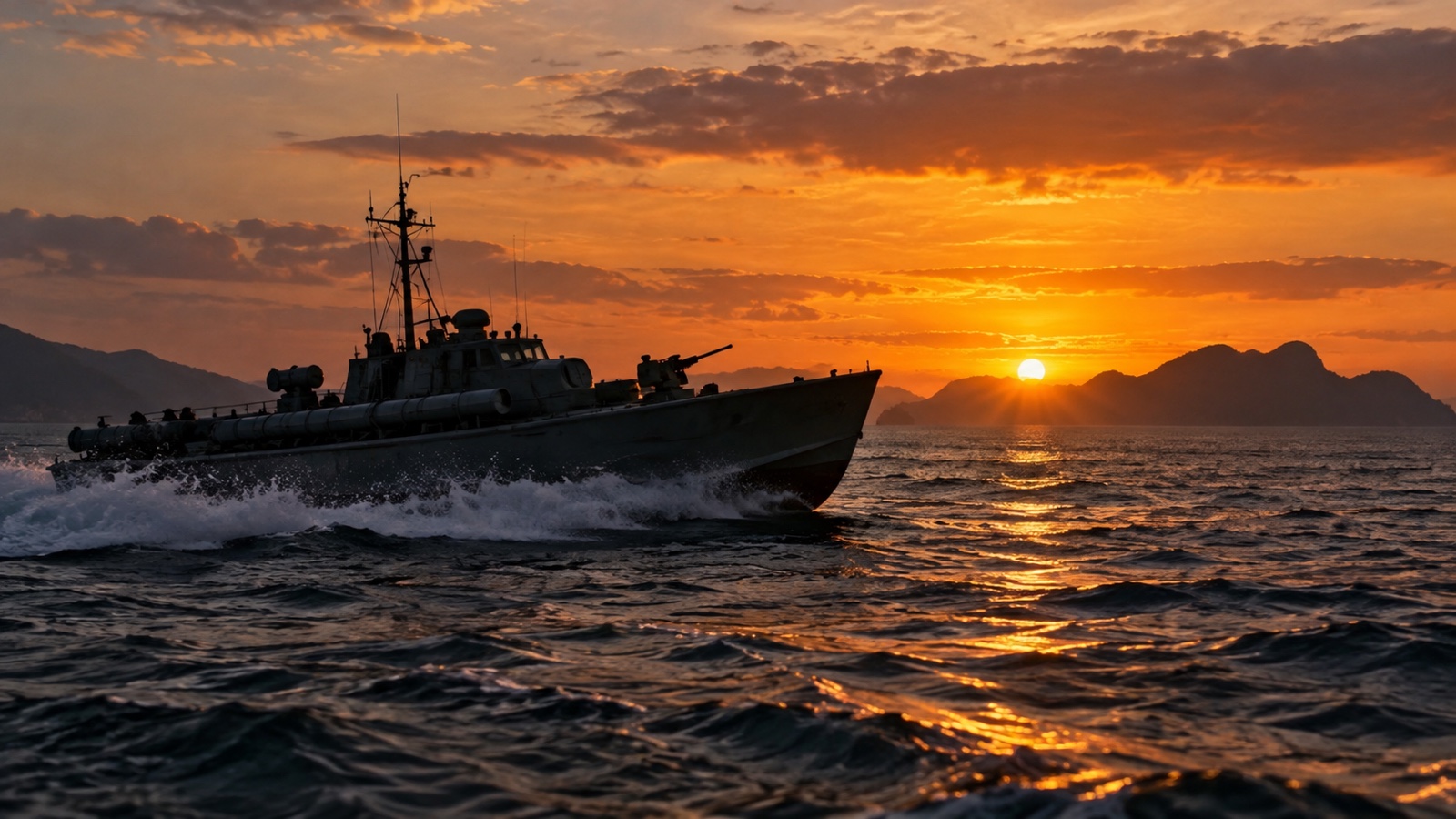
- Kennedy commanded PT-109 in the Solomon Islands.
- PT boats were small fast attack craft.
- On August 2, 1943, a Japanese destroyer struck PT-109.
- The collision split the boat apart.
- Two crew members were killed.
- Several others were injured.
- Kennedy helped survivors reach nearby islands.
- He towed an injured crewman by gripping a life-jacket strap with his teeth.
- Kennedy swam through dangerous waters while searching for help.
- The crew survived for several days before rescue.
- Kennedy carved a rescue message into a coconut shell.
- Local island scouts helped deliver the message.
- The crew was eventually rescued.
- Kennedy received the Navy and Marine Corps Medal.
- He also received a Purple Heart.
- The incident aggravated his chronic back problems.
- The PT-109 story later became central to his political biography.
- Kennedy sometimes joked about the event when asked how he became a war hero.
- He reportedly said his boat was cut in half.
- PT-109 turned a catastrophic collision into the story voters later remembered as proof that Kennedy stayed calm when everything went wrong.
Kennedy entered Congress after the war
- Kennedy’s older brother Joe had been expected to pursue a major political career.
- Joe Kennedy Jr. was killed during a wartime aircraft mission in 1944.
- Family expectations shifted heavily toward John.
- Kennedy ran for the U.S. House in 1946.
- He won a Massachusetts congressional seat.
- He served three terms in the House.
- Kennedy then ran for the U.S. Senate in 1952.
- He defeated Republican Henry Cabot Lodge Jr.
- The victory made Kennedy a national political figure.
- He married Jacqueline Bouvier in 1953.
- Jacqueline became widely known as Jackie Kennedy.
- Their wedding received major media attention.
- Kennedy underwent serious back surgery in the 1950s.
- Complications nearly killed him.
- During recovery, he worked on a book about political courage.
- Profiles in Courage was published in 1956.
- The book won the Pulitzer Prize for Biography in 1957.
- Kennedy’s role in writing the book later became a subject of debate over staff contributions.
- He sought the Democratic vice-presidential nomination in 1956 but did not win it.
- Losing that nomination may have helped because it gave him national exposure without tying him to a losing general-election ticket.
The 1960 election made television more important than ever
- Kennedy ran for president in 1960.
- He won the Democratic nomination.
- Lyndon B. Johnson became his running mate.
- Richard Nixon was the Republican nominee.
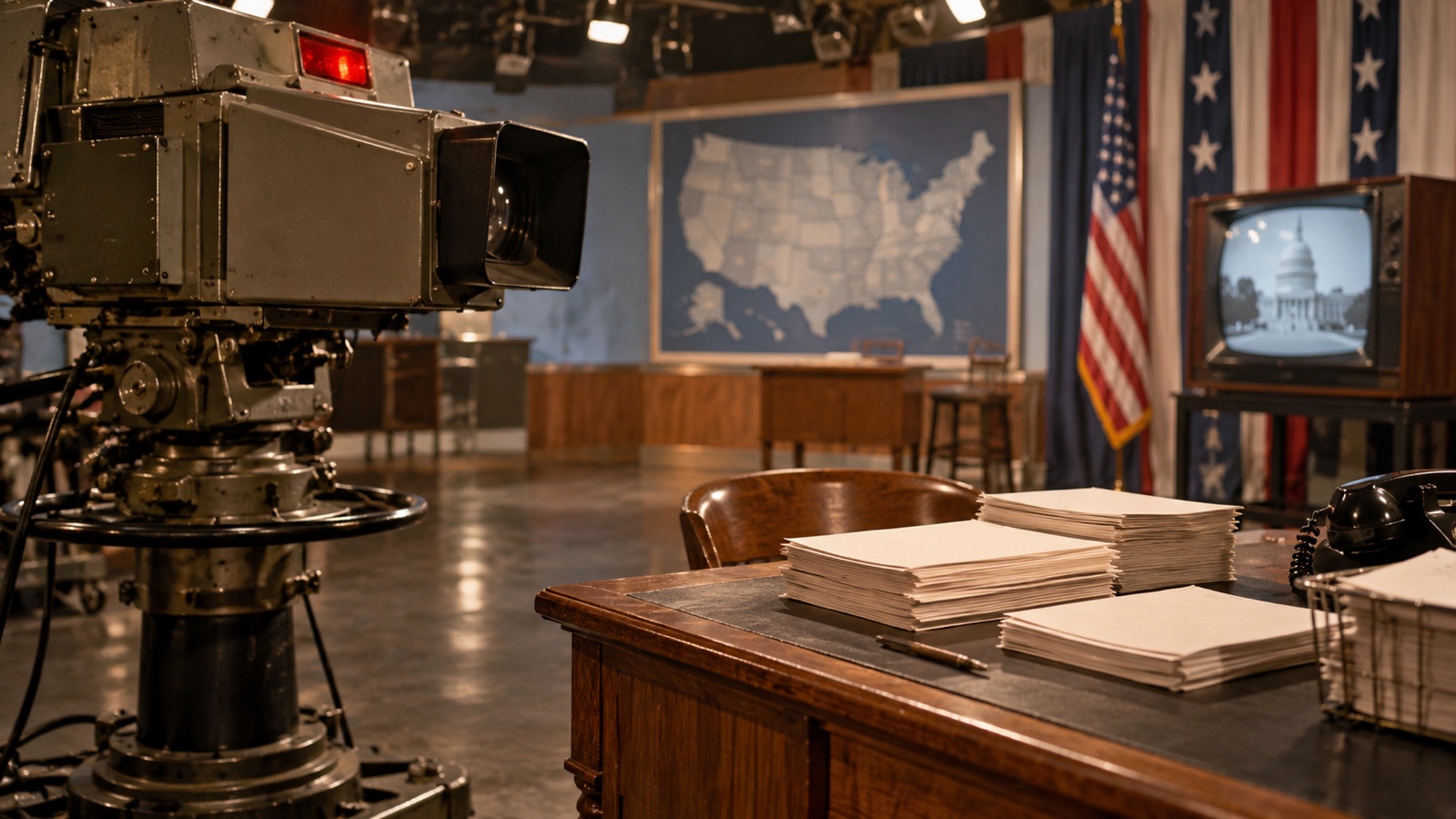
- Kennedy and Nixon participated in nationally televised debates.
- The first debate became historically famous.
- Kennedy appeared rested and camera-ready.
- Nixon appeared pale and physically uncomfortable.
- Television viewers often judged Kennedy the winner.
- Radio listeners were reportedly more divided.
- The campaign highlighted Kennedy’s Catholic faith.
- Some voters feared a Catholic president would answer to the Vatican.
- Kennedy addressed Protestant ministers in Houston.
- He defended separation of church and state.
- The 1960 election was extremely close.
- Kennedy won the popular vote by a narrow margin.
- He won a clearer Electoral College victory.
- Kennedy became the first Catholic elected U.S. president.
- At 43, he became the youngest person elected president.
- The 1960 debates permanently taught political campaigns that looking calm on television could be almost as important as sounding convincing.
His presidency immediately ran into Cold War crises
- Kennedy was inaugurated January 20, 1961.
- His inaugural address became one of the most quoted presidential speeches.
- He urged Americans to ask what they could do for their country.
- The Peace Corps was established in 1961.
- It sent American volunteers abroad for development and service work.
- Kennedy inherited plans for an invasion of Cuba.
- The Bay of Pigs invasion occurred in April 1961.
- Cuban exiles landed with U.S. support.
- The operation failed quickly.
- Fidel Castro’s government captured many invaders.
- Kennedy accepted public responsibility for the failure.
- The crisis made him more skeptical of some military and intelligence advice.
- He met Soviet leader Nikita Khrushchev in Vienna in June 1961.
- The summit was tense.
- The Berlin Wall was erected later that year.
- Kennedy visited West Berlin in 1963.
- He delivered his famous “Ich bin ein Berliner” speech.
- Contrary to a popular myth, the phrase did not make Germans think he called himself a jelly doughnut.
- Kennedy’s presidency unfolded under constant fear of nuclear confrontation.
- The Cold War did not give a new young president any sort of gentle orientation period.
The Cuban Missile Crisis brought the world frighteningly close to nuclear war
- U.S. reconnaissance photographs revealed Soviet nuclear missiles in Cuba in October 1962.
- Kennedy formed an advisory group called ExComm.
- Military leaders considered air strikes and invasion.
- Kennedy chose a naval quarantine instead.
- The quarantine aimed to stop additional offensive weapons from reaching Cuba.
- Kennedy announced the crisis on national television.
- U.S. forces went to very high alert.
- Soviet and American ships faced each other at sea.
- Communication between Washington and Moscow was slow and uncertain.
- One Soviet submarine nearly launched a nuclear torpedo during the crisis.
- Vasili Arkhipov helped prevent that launch.
- The crisis lasted 13 tense days.
- Khrushchev agreed to remove Soviet missiles from Cuba.
- The United States publicly pledged not to invade Cuba.
- The United States also secretly agreed to remove Jupiter missiles from Turkey.
- The crisis encouraged creation of a direct Washington-Moscow hotline.
- It also encouraged later arms-control efforts.
- Kennedy signed the Limited Nuclear Test Ban Treaty in 1963.
- The treaty banned nuclear tests in the atmosphere, underwater, and in outer space.
- The Cuban Missile Crisis is a reminder that history sometimes turns on leaders having enough time to reject the most aggressive first option.
Space, civil rights, health and five final Kennedy facts
- Kennedy challenged the United States to land a man on the Moon before the decade ended.
- His administration gradually became more active on civil rights and proposed legislation that later influenced the Civil Rights Act of 1964.
- Kennedy secretly dealt with Addison’s disease and chronic back pain while president.
- He was assassinated in Dallas on November 22, 1963, and Lyndon B. Johnson became president aboard Air Force One.
- After 145 facts, John F. Kennedy feels less like a frozen image of youth and charisma and more like a president whose short term compressed war, space, nuclear danger, civil rights, chronic illness, and permanent national memory into less than three years.

Ellie is the owner and sole author of Fun Facts, combining her mechanical engineering background with years of research-driven writing to deliver facts you can trust. Every article is thoroughly fact-checked and routinely updated as new science and sources emerge to keep information accurate and current. Her mission is to make learning delightful while upholding high standards of reliability and transparency.