
Hedgehogs look like someone tried to design a hamster and changed plans halfway through. Under those thousands of spines is a surprisingly speedy nocturnal insect hunter that can swim, climb, hibernate, foam on itself for mysterious reasons, and raise babies called hoglets, which feels almost unfairly cute for an animal wearing defensive needles.
Hedgehogs are spiny insect-eating mammals, not tiny porcupines
- Hedgehogs belong to the family Erinaceidae.
- Living hedgehog species are native to Europe, Asia, and Africa.
- Hedgehogs are not naturally native to North or South America.
- They are also not native to Australia.
- Humans introduced European hedgehogs to New Zealand.
- Introduced hedgehogs can threaten native insects, reptiles, and ground-nesting wildlife.
- Hedgehogs are not rodents.
- They belong to the mammal order Eulipotyphla.
- Shrews and moles are among other members of that order.
- Hedgehogs are not closely related to porcupines.
- Porcupines are rodents.
- Hedgehog spines are modified hairs made largely of keratin.
- Human hair and fingernails also contain keratin.
- Adult hedgehogs carry thousands of individual spines.
- The exact number varies with species, size, and individual.
- Hedgehog spines do not have barbs like North American porcupine quills.
- Healthy adult spines are anchored firmly in the skin.
- Hedgehogs cannot shoot their spines.
- Their face, belly, and legs are covered with ordinary fur rather than spines.
- The hedgehog body plan is basically “soft underside, adorable face, absolutely do not squeeze the top.”
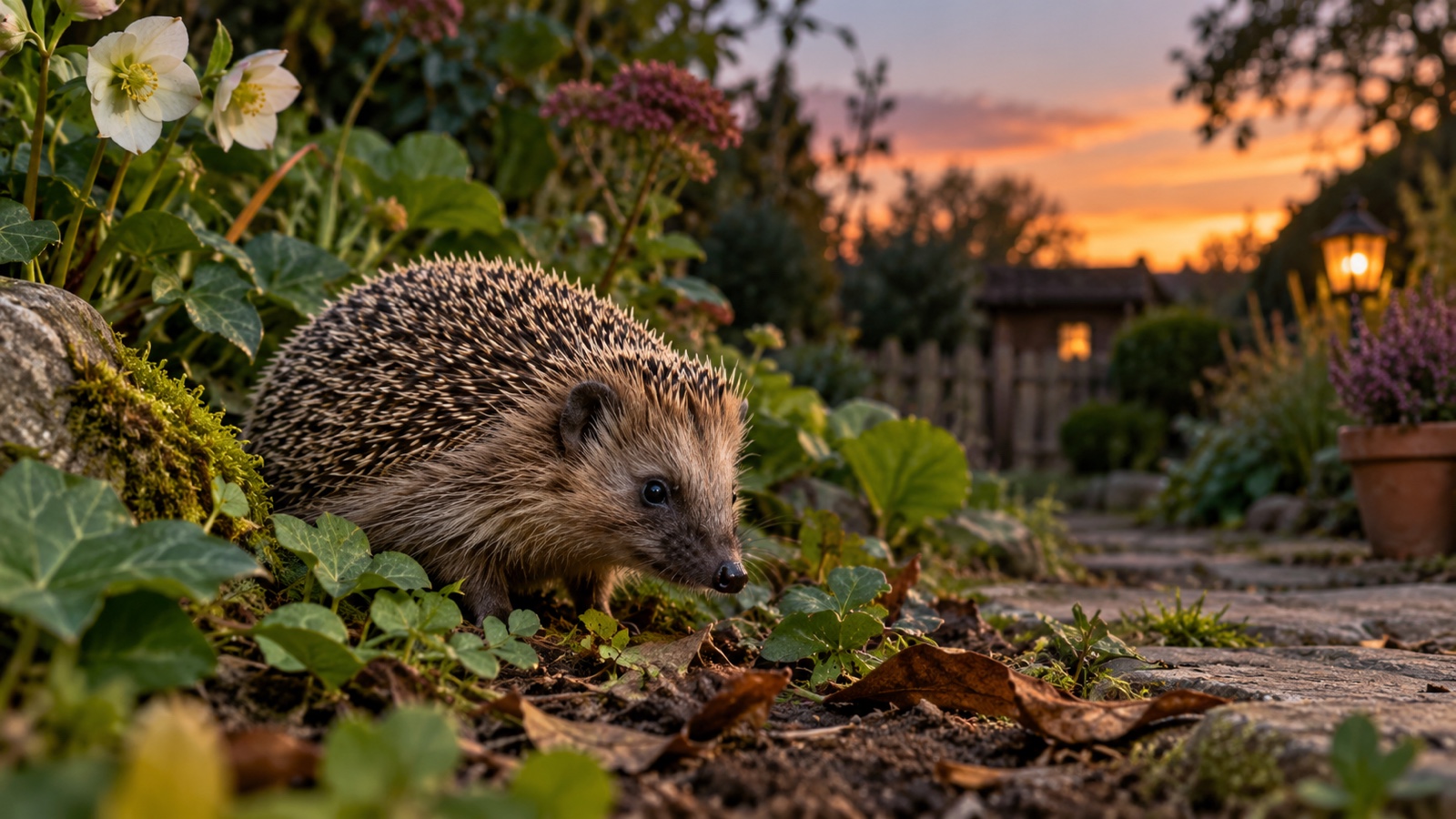
Rolling into a ball turns the spines into armor
- Hedgehogs have specialized muscles beneath the skin.
- A circular muscle helps pull the spiny skin around the body.
- When threatened, a hedgehog can tuck its head, feet, and belly inward.
- The animal becomes a tight ball with spines facing outward.
- Strong back muscles help hold the defensive posture.
- A fully curled hedgehog can be difficult for many predators to bite safely.
- Not every predator is defeated by the strategy.
- European badgers can kill and eat hedgehogs despite the spines.
- Large owls also prey on hedgehogs in some regions.
- Foxes may attack hedgehogs opportunistically.
- Domestic dogs sometimes injure hedgehogs.
- A frightened hedgehog may hiss or make clicking sounds.
- Hedgehogs can erect their spines without fully rolling into a ball.
- Young hedgehogs gradually develop stronger defensive control.
- Spines lie flatter when an animal is relaxed.
- Handling a relaxed hedgehog feels very different from touching one with erected spines.
- Wild hedgehogs should still be handled only when necessary for rescue or care.
- Gloves can protect both people and stressed animals during safe rescue.
- Repeatedly forcing a pet hedgehog to uncurl can cause stress.
- A hedgehog's best magic trick is transforming from tiny mammal into an extremely judgmental chestnut burr.
They hunt mostly by smell and hearing at night
- Most hedgehogs are primarily nocturnal.
- They often emerge around dusk.
- Smell is one of their strongest senses.
- Hedgehogs have long mobile snouts.
- The snout helps them investigate soil, leaf litter, and vegetation.
- Their hearing is sensitive to small prey movements.
- Vision is less important than smell and hearing for nighttime foraging.
- Hedgehogs eat many invertebrates.
- Beetles, caterpillars, worms, and other small prey can be important foods.
- They may also eat slugs and snails.
- Hedgehogs sometimes consume eggs, carrion, fruit, or small vertebrates opportunistically.
- They are better described as flexible insectivores or omnivores than strict insect specialists.
- Wild diets vary by species and habitat.
- Hedgehogs can travel surprisingly far during a night's foraging.
- European hedgehogs may cover more than a mile in one night.
- Males often roam farther during breeding season.
- Short legs do not prevent a determined hedgehog from moving quickly.
- They can climb low obstacles.
- They can also swim.
- The idea that a hedgehog quietly sits under one garden bush all night is mostly something the hedgehog would prefer its prey to believe.
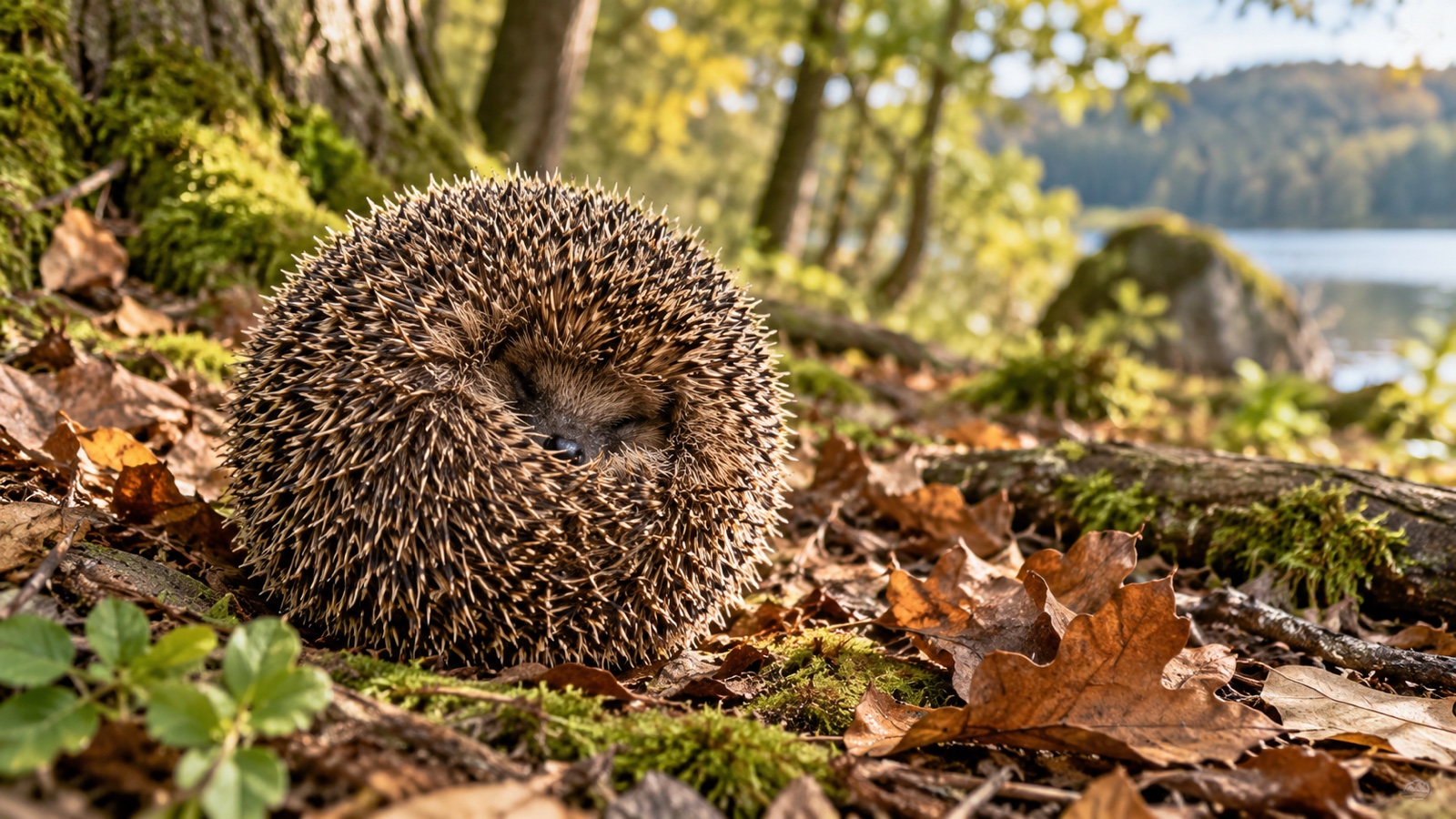
Self-anointing may be their strangest behavior
If a hedgehog encounters an exciting new smell, it may lick or chew the object, produce frothy saliva, twist into an impressive yoga pose, and spread the foam onto its spines. This is called self-anointing, and scientists still do not have one confirmed explanation for why hedgehogs do it.
- Self-anointing is common in several hedgehog species.
- The behavior often begins after encountering a novel scent or taste.
- The hedgehog produces copious foamy saliva.
- It bends its body to lick the saliva onto its own spines.
- The contortions can look alarming to people seeing them for the first time.
- Self-anointing is not usually a sign that the animal is having a seizure.
- One hypothesis proposes that the behavior adds new scents to the body.
- Another proposes that saliva might spread defensive chemicals from certain substances.
- A camouflage or communication role has also been suggested.
- No single explanation has been proven for every situation.
- Young hedgehogs may self-anoint frequently.
- Pet hedgehogs can self-anoint after smelling soap, leather, food, fabric, or unfamiliar objects.
- Wild hedgehogs may anoint after encountering plants or animal scents.
- The behavior demonstrates impressive spinal flexibility.
- Hedgehogs can reach far back across their bodies with the tongue.
- Self-anointing saliva dries on the spines afterward.
- The behavior can last several minutes.
- Scientists distinguish self-anointing from routine grooming.
- It is one of the best-known examples of mysterious mammal behavior in a familiar backyard species.
- A hedgehog covering itself in mysterious scented foam is a good reminder that “cute” and “deeply weird” are compatible categories.
Some hedgehogs hibernate, but not all species do
- European hedgehogs can hibernate during cold months.
- Hibernation reduces energy use when food is scarce.
- Body temperature drops dramatically during hibernation.
- Heart rate also slows.
- Breathing becomes much less frequent.
- Hedgehogs build insulated nests from dry leaves, grass, and other vegetation.
- They may wake periodically during the winter.
- Waking consumes large amounts of stored energy.
- Hedgehogs need sufficient body fat before entering winter dormancy.
- Very small late-born juveniles can struggle to survive winter.
- Warm winter spells may wake hibernating hedgehogs.
- Climate change can alter hibernation timing and food availability.
- Not all hedgehog species live in climates requiring hibernation.
- Desert hedgehogs face heat and drought challenges instead.
- Some species can enter torpor or seasonal inactivity under difficult conditions.
- Hibernation is different from ordinary sleep.
- A hibernating hedgehog may feel cool and appear barely responsive.
- Disturbing a healthy hibernating wild hedgehog unnecessarily can waste precious energy.
- Garden leaf piles and log piles can provide winter nesting habitat.
- Autumn yard cleanup gets morally complicated when the leaf pile may contain a tiny mammal running an extreme energy-conservation program.
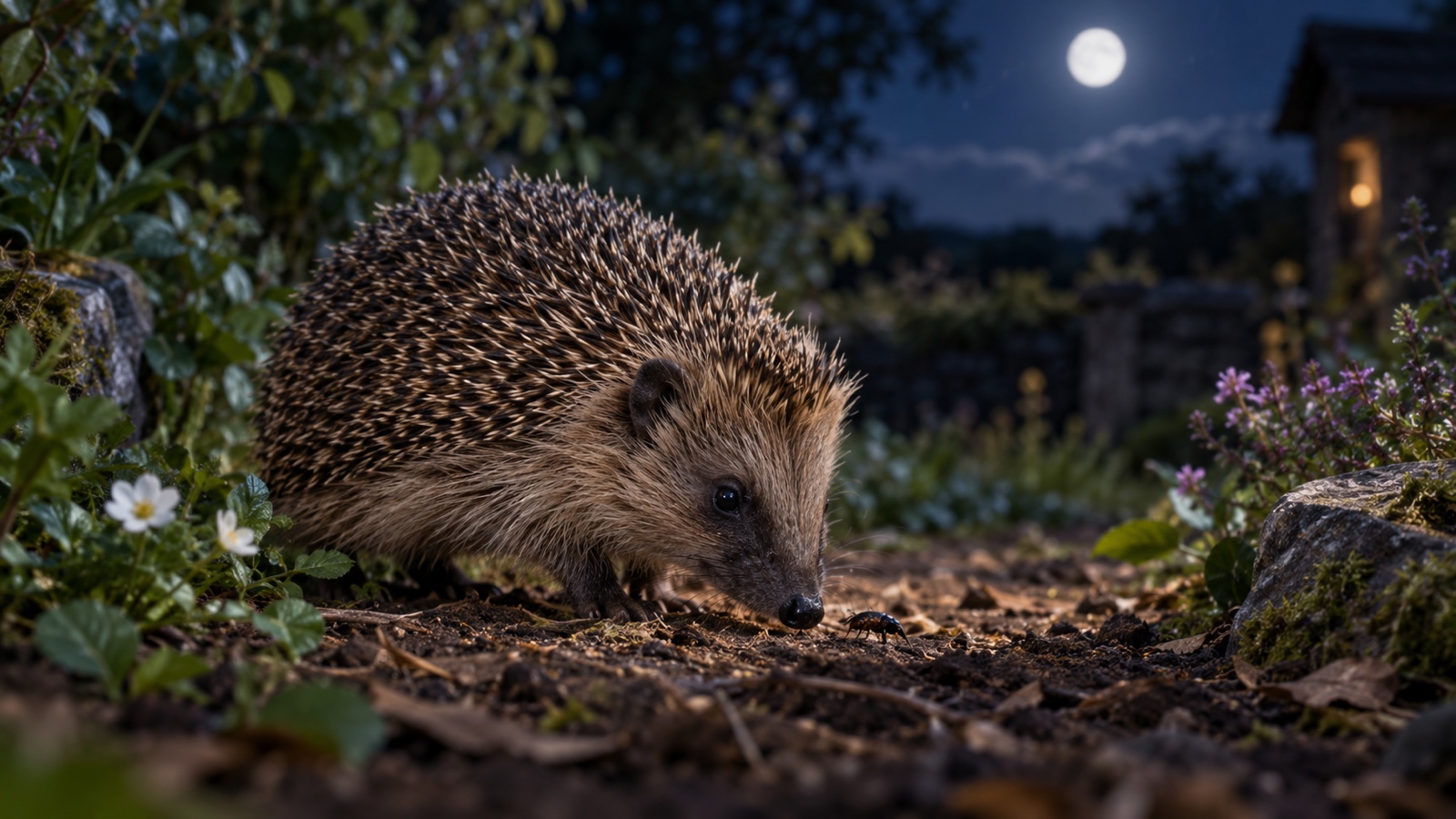
Baby hedgehogs are called hoglets
The word hoglet sounds invented by a children's-book editor, but it is real. Newborn hedgehogs start soft and vulnerable, with their first spines hidden under swollen skin so birth does not become the biological nightmare you probably just imagined.
- Baby hedgehogs are commonly called hoglets.
- Females generally raise the litter without help from males.
- Gestation length varies by species.
- European hedgehog pregnancy lasts roughly a month.
- Litters often contain several hoglets.
- Newborn hoglets are blind.
- They are also mostly helpless.
- The first spines begin emerging soon after birth.
- Newborn spines are softer and lighter than adult spines.
- Additional darker spines grow as the young develop.
- Hoglets nurse from their mother.
- The mother keeps them in a protected nest.
- Disturbing a nesting mother severely can cause abandonment or harm to the litter.
- Young hedgehogs begin leaving the nest as they grow.
- They follow the mother on early foraging trips.
- They gradually learn to find wild food independently.
- Hedgehogs are generally solitary after independence.
- Adults usually meet mainly for breeding.
- Courtship can involve males circling females repeatedly.
- The phrase “hedgehog courtship” sounds delicate until you picture one spiny animal trying to negotiate with another spiny animal at close range.
Gardens, pets and 25 final hedgehog facts
- European hedgehogs often use gardens as habitat.
- Small gaps beneath fences can connect feeding and nesting areas.
- Wildlife-friendly “hedgehog highways” let animals move between yards.
- Pesticides can reduce invertebrate prey.
- Slug pellets can threaten wildlife directly or indirectly depending on the chemical used.
- Open drains and steep-sided ponds can trap hedgehogs.
- A rough escape ramp can make ponds safer.
- Robotic lawn mowers can seriously injure nocturnal hedgehogs if operated at night.
- Checking brush piles before mowing or burning can prevent deaths.
- Road traffic is a major cause of hedgehog mortality in Europe.
- European hedgehog populations have declined substantially in parts of their range.
- Habitat fragmentation reduces safe movement between feeding areas.
- Wild hedgehogs should not be given cow's milk.
- Many cannot digest lactose well, and milk can cause digestive problems.
- Fresh water is the safest drink to offer a wild hedgehog.
- Meat-based cat or dog food is sometimes used as supplemental food in wildlife-friendly gardens.
- Pet African pygmy hedgehogs are usually domestically bred hybrids involving African hedgehog species.
- Pet legality varies by state, city, and country.
- Pet hedgehogs need specialized temperature, diet, exercise, veterinary, and housing care.
- They are nocturnal, which can surprise owners expecting daytime interaction.
- Pet hedgehogs can run miles on exercise wheels overnight.
- Hedgehogs can carry Salmonella bacteria without appearing sick.
- Handwashing after handling pets or cleaning enclosures reduces risk.
- Wild hedgehogs are not failed pets; they are wildlife with their own ecological jobs.
- After 145 facts, hedgehogs look less like walking pincushions and more like nocturnal travelers with armor, hibernation skills, excellent noses, mysterious foam rituals, and the world's cutest baby name.
Quick FAQ
Q: Can hedgehogs shoot their spines?
A: No. Their spines are firmly attached modified hairs and cannot be fired like projectiles.
Q: Are hedgehogs related to porcupines?
A: No. Porcupines are rodents, while hedgehogs belong to a different mammal order more closely associated with shrews and moles.
Q: Why do hedgehogs put foam on their spines?
A: The behavior is called self-anointing. Scientists have several hypotheses, but its exact function is still uncertain.
Q: Do hedgehogs hibernate?
A: Some species, including European hedgehogs, hibernate in cold climates. Tropical and desert species have different seasonal strategies.
Q: What is a baby hedgehog called?
A: A baby hedgehog is commonly called a hoglet.

Ellie is the owner and sole author of Fun Facts, combining her mechanical engineering background with years of research-driven writing to deliver facts you can trust. Every article is thoroughly fact-checked and routinely updated as new science and sources emerge to keep information accurate and current. Her mission is to make learning delightful while upholding high standards of reliability and transparency.