
The liver is one of those organs doing far more than its reputation suggests. It processes nutrients, stores fuel, makes bile, builds blood proteins, breaks down toxins, recycles worn-out molecules, regulates chemistry, and can even regrow lost tissue better than almost any other solid organ.
The liver is a huge metabolic workhorse
- The liver is the largest solid internal organ in the human body.
- It sits mainly in the upper right abdomen beneath the diaphragm.
- A normal adult liver often weighs around 3 pounds, although size varies.
- The liver extends partly across the midline toward the left side.
- Most of the organ is protected by the lower ribs.
- The liver is divided anatomically into right and left lobes.
- Functional liver anatomy is organized more by blood flow and bile drainage than by the simple outer lobe division.
- The liver receives blood from two major sources.
- The hepatic artery delivers oxygen-rich arterial blood.
- The portal vein delivers nutrient-rich blood from the digestive tract.
- The portal vein also carries substances absorbed from the intestines directly toward the liver.
- This first-pass arrangement lets the liver process many nutrients and chemicals before they circulate widely.
- Hepatic veins drain blood from the liver into the inferior vena cava.
- The liver receives a remarkably large fraction of the body's resting blood flow.
- Its soft tissue is packed with blood-filled channels called sinusoids.
- Liver cells are called hepatocytes.
- Hepatocytes perform many of the organ's metabolic and synthetic jobs.
- Specialized immune cells called Kupffer cells live within liver sinusoids.
- The liver performs hundreds of biochemical functions.
- A three-pound organ beneath your ribs is simultaneously a refinery, warehouse, chemistry lab, recycling center, protein factory, and customs checkpoint.
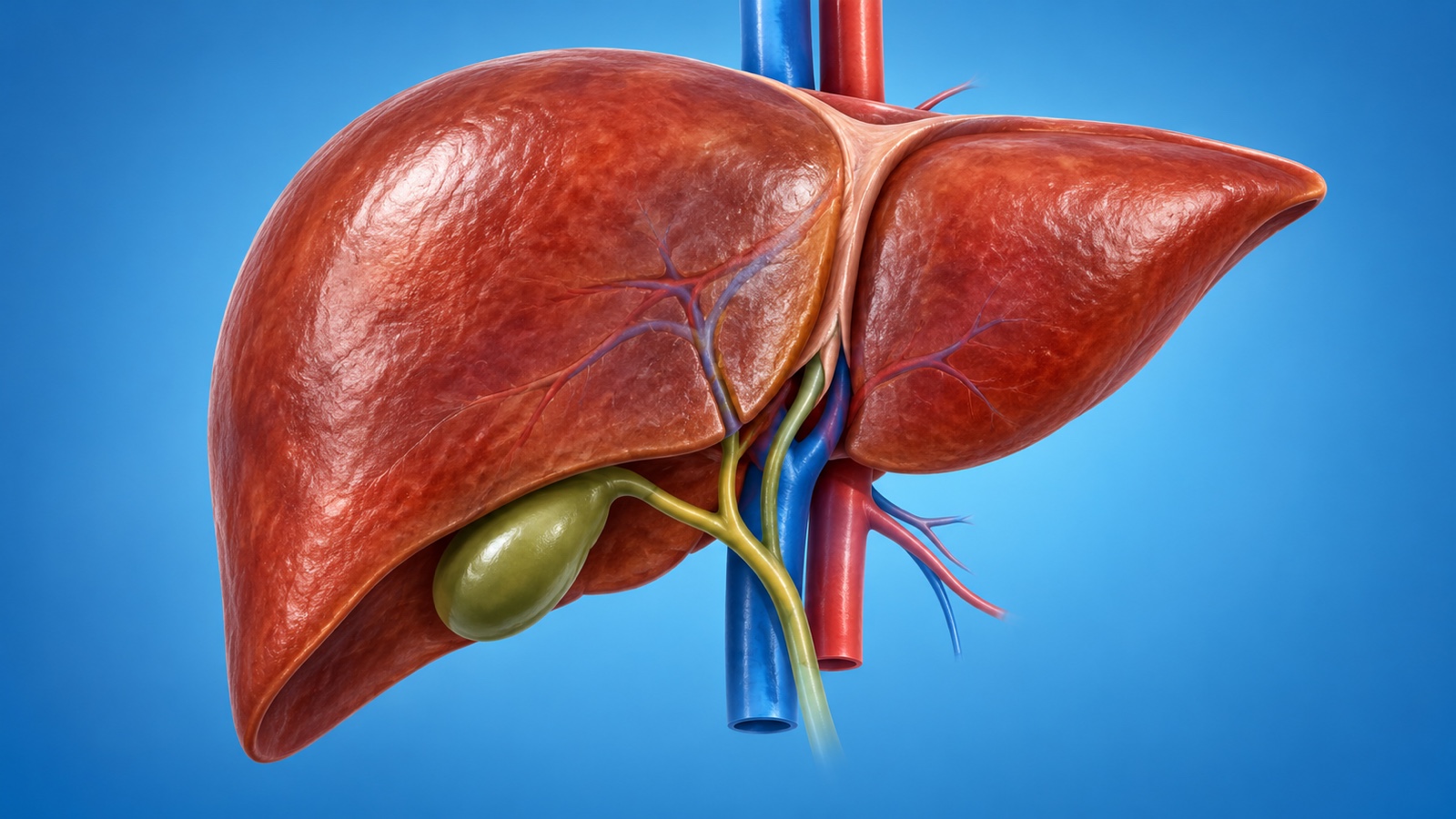
Blood from the intestines goes straight to the liver first
- The hepatic portal system carries blood from the digestive tract to the liver.
- This blood contains absorbed glucose, amino acids, vitamins, minerals, drugs, and other compounds.
- The liver can store some nutrients and modify others before they enter general circulation.
- Glucose can be converted into glycogen for storage.
- Glycogen is a branched carbohydrate used as a short-term energy reserve.
- The liver can break glycogen back down when blood glucose begins to fall.
- This process is called glycogenolysis.
- The liver can also make glucose from noncarbohydrate molecules.
- That process is called gluconeogenesis.
- Gluconeogenesis becomes important during fasting and prolonged exercise.
- The liver converts excess carbohydrate into fatty acids under some conditions.
- It also packages fats into lipoproteins for transport in blood.
- The liver helps regulate cholesterol production and removal.
- It can convert cholesterol into bile acids.
- Amino acids are processed extensively in the liver.
- Removing an amino group from amino acids produces toxic ammonia.
- The liver converts much of that ammonia into urea.
- Urea then travels through blood to the kidneys for excretion.
- Severe liver failure can allow ammonia to accumulate and affect brain function.
- The liver is the reason breakfast does not simply arrive in your bloodstream as an uncontrolled chemical pile after leaving the intestine.
The liver stores fuel, vitamins and minerals
- The liver stores glycogen after meals.
- Stored glycogen can help maintain blood glucose between meals.
- Liver glycogen is different from muscle glycogen in how it supports the whole body.
- Muscle glycogen is used mainly by the muscle that stores it.
- The liver stores vitamin A.
- It stores significant amounts of vitamin B12.
- It can store vitamin D metabolites.
- It stores vitamin K to a limited extent.
- The liver stores iron mainly in proteins such as ferritin.
- It also participates in copper storage and metabolism.
- Iron stored in the liver can be reused for making hemoglobin.
- Too much iron can damage the liver in disorders such as hemochromatosis.
- Too much copper can accumulate in Wilson disease.
- The liver helps regulate circulating iron through the hormone hepcidin.
- Hepcidin reduces intestinal iron absorption and iron release from storage cells when iron is abundant.
- Liver energy stores are limited and do not replace the much larger long-term energy reserve in body fat.
- Prolonged fasting eventually depletes much of liver glycogen.
- During fasting, the liver shifts toward gluconeogenesis and ketone production.
- Ketone bodies can provide fuel for tissues including the brain during prolonged fasting.
- The liver acts less like one pantry shelf and more like a supply manager deciding what to store, release, convert, or discard based on the body's immediate needs.
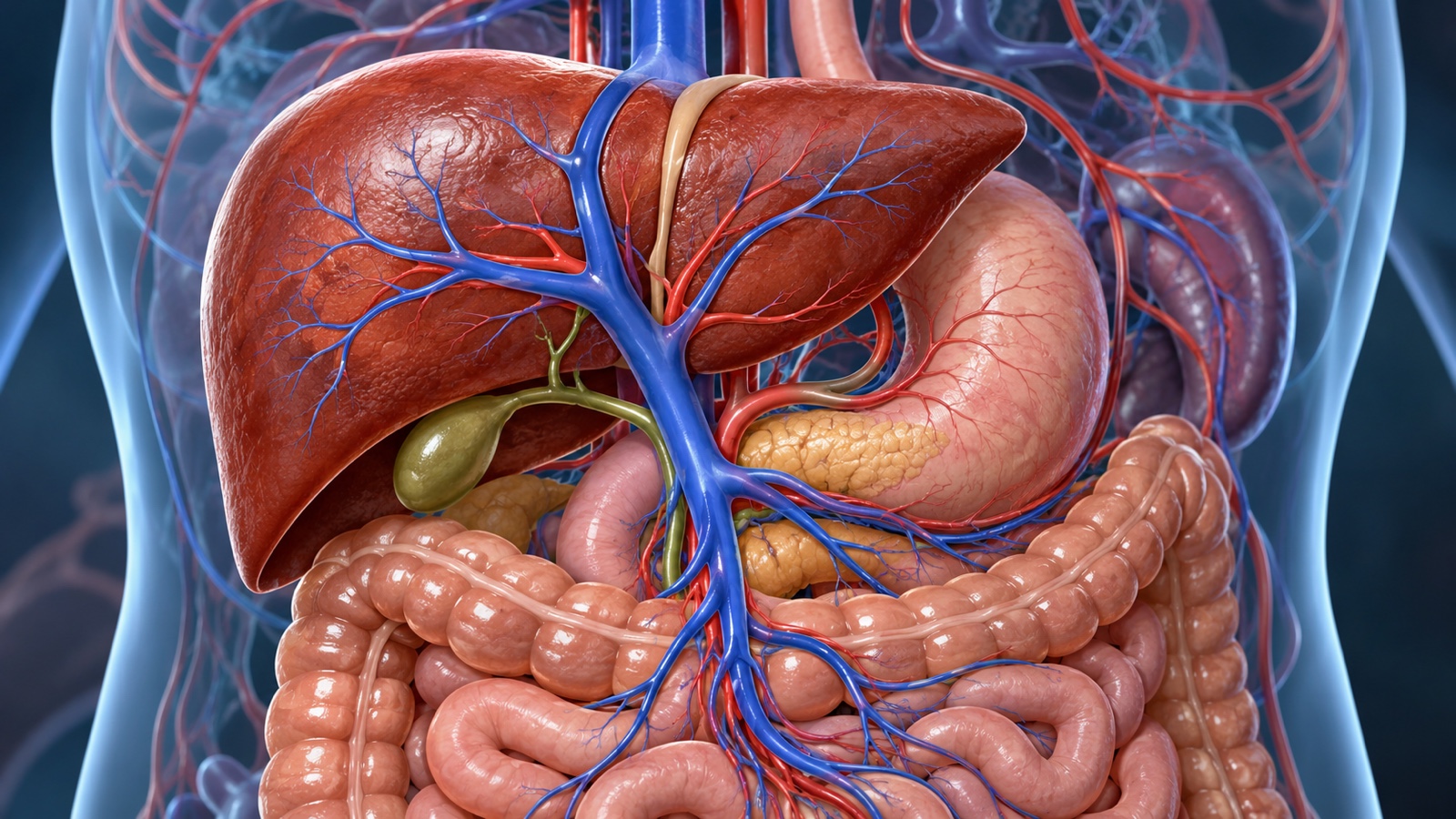
Bile helps digest and absorb fats
- The liver produces bile continuously.
- Bile contains bile acids, phospholipids, cholesterol, bilirubin, electrolytes, and water.
- Bile acids help emulsify dietary fat in the small intestine.
- Emulsification breaks large fat droplets into smaller structures that digestive enzymes can access more easily.
- Bile acids also help form micelles.
- Micelles help move fats and fat-soluble vitamins toward intestinal cells for absorption.
- The fat-soluble vitamins are A, D, E, and K.
- The gallbladder stores and concentrates bile between meals.
- The liver makes bile even in people whose gallbladder has been removed.
- After gallbladder removal, bile flows more continuously into the intestine.
- Bilirubin gives bile much of its yellow-brown pigment.
- Bilirubin comes largely from breakdown of heme in old red blood cells.
- The liver chemically modifies bilirubin so it can be excreted into bile.
- Gut bacteria further transform bilirubin breakdown products.
- Some of these products contribute to the brown color of stool.
- Other bilirubin-derived pigments contribute to urine color after further metabolism.
- Blocked bile flow can cause jaundice.
- Jaundice produces yellowing of skin and the whites of the eyes.
- Gallstones can block bile ducts and cause pain or inflammation.
- The liver is continuously making a greenish digestive fluid whose ingredients later help explain both stool color and several common medical symptoms.
The liver makes crucial proteins for blood and fluid balance
- The liver produces albumin.
- Albumin is the most abundant protein in human plasma.
- Albumin helps keep fluid inside blood vessels through oncotic pressure.
- Low albumin can contribute to swelling and fluid accumulation.
- The liver produces many blood-clotting proteins.
- These include fibrinogen and several numbered clotting factors.
- Vitamin K is needed for normal production of several clotting factors.
- Liver disease can therefore increase bleeding risk.
- The liver produces transport proteins that carry hormones, metals, and other molecules.
- Transferrin, an iron-transport protein, is produced largely by the liver.
- Many components of the complement immune system are also made in the liver.
- The liver makes C-reactive protein during inflammation.
- C-reactive protein levels can rise quickly during infection or tissue injury.
- The liver produces angiotensinogen, part of a hormone system involved in blood-pressure control.
- It produces thrombopoietin, which helps regulate platelet production.
- The liver makes many lipoprotein components used to transport fats in blood.
- Liver synthesis changes during infection, inflammation, fasting, and illness.
- Some proteins rise during acute inflammation while albumin can fall.
- Measuring certain liver-made proteins can provide clues about synthetic liver function.
- The liver does not just clean blood. It manufactures a surprising amount of what makes blood chemically useful in the first place.
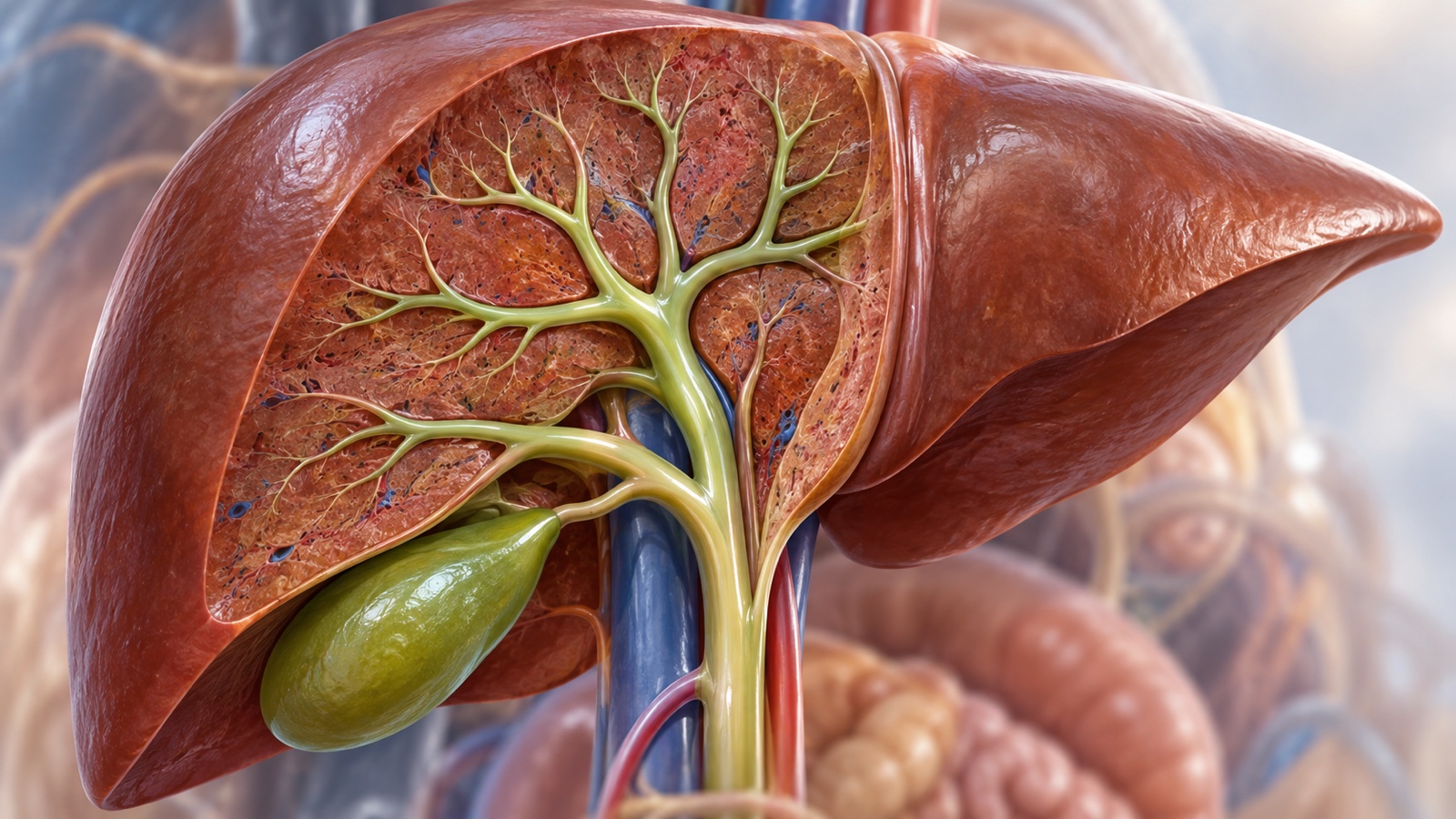
Detoxification means chemical processing, not magical cleansing
- The liver chemically modifies many drugs, hormones, alcohols, toxins, and metabolic byproducts.
- This work often occurs through enzyme systems inside hepatocytes.
- Cytochrome P450 enzymes process many medications and foreign chemicals.
- Some reactions make molecules more water soluble.
- Water-soluble products can often be excreted more easily in urine or bile.
- Liver metabolism can inactivate a drug.
- It can also activate certain prodrugs into their working form.
- Some substances become temporarily more reactive during metabolism.
- This is one reason drug interactions can matter.
- Two medications can compete for or alter the same metabolic enzymes.
- Grapefruit can change metabolism of certain medications through intestinal and liver-related enzyme effects.
- Alcohol is metabolized largely in the liver.
- Alcohol dehydrogenase converts ethanol into acetaldehyde.
- Acetaldehyde is then converted into acetate.
- Acetaldehyde is toxic and contributes to some harmful effects of alcohol.
- The liver can process only a limited amount of alcohol over time.
- “Detox” drinks do not replace normal liver metabolism.
- A healthy liver already performs detoxification continuously without needing a cleanse.
- Some herbal supplements can themselves injure the liver.
- The scientifically accurate version of detox is not juice and vague toxins. It is thousands of enzyme-driven chemical reactions happening inside liver cells every minute.
The liver can regenerate remarkably well
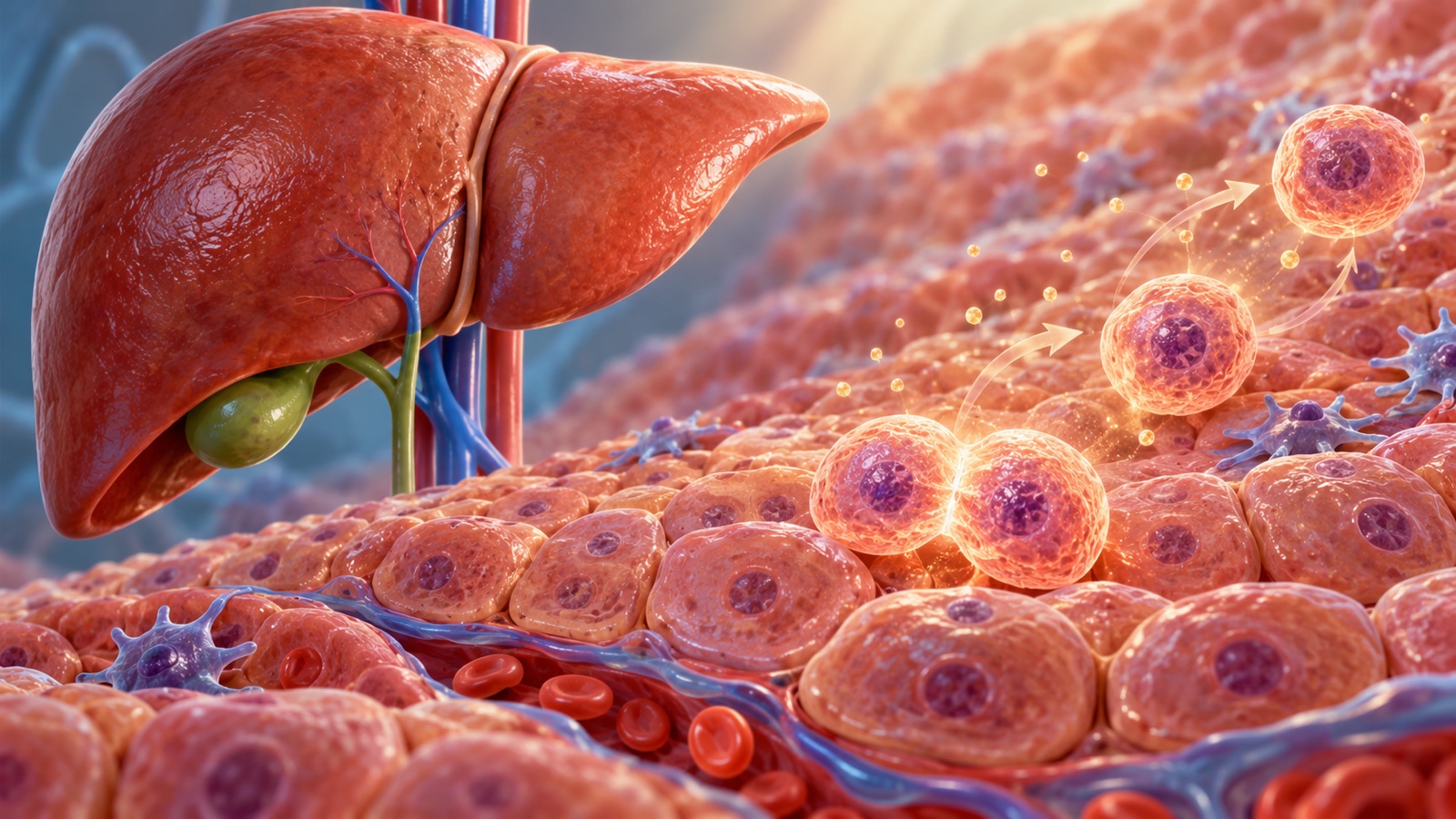
- The liver has an unusual capacity to restore mass after partial loss.
- Remaining hepatocytes can reenter the cell cycle and proliferate.
- Regeneration usually means existing tissue grows back toward normal mass rather than the organ recreating an identical missing lobe shape.
- Surgeons can remove a substantial portion of a healthy liver when necessary.
- Living liver donation is possible because both donor and recipient liver tissue can grow substantially after surgery.
- Regeneration requires enough healthy remaining tissue and adequate blood supply.
- Severe chronic scarring can impair regenerative ability.
- Liver scarring is called fibrosis.
- Advanced widespread fibrosis with architectural distortion is called cirrhosis.
- Cirrhosis can result from many causes rather than alcohol alone.
- Chronic viral hepatitis can cause cirrhosis.
- Metabolic dysfunction-associated steatotic liver disease can progress to inflammation and fibrosis in some people.
- Autoimmune and inherited diseases can also damage the liver chronically.
- Fatty liver means excess fat has accumulated inside liver cells.
- Fatty liver can occur with little or no alcohol use.
- Many people with early fatty liver have few obvious symptoms.
- The liver has substantial functional reserve.
- This reserve allows disease to progress significantly before severe symptoms appear.
- Liver transplantation can replace a failing liver when other treatment is insufficient.
- The organ's regenerative power is extraordinary, but it is not unlimited and does not make chronic injury harmless.
Testing, myths and 5 final liver facts
- Common liver blood tests measure enzymes, bilirubin, proteins, and other markers rather than directly measuring every liver function.
- ALT and AST can rise when liver cells are injured, but their exact pattern does not identify one diagnosis by itself.
- A normal liver-enzyme panel does not guarantee that every liver condition is absent.
- Imaging methods such as ultrasound, CT, MRI, and elastography can evaluate liver structure, fat, masses, bile ducts, and stiffness.
- After 145 facts, the liver looks less like a vague “detox organ” and more like one of the body's central metabolic command centers, quietly processing almost everything absorbed from the gut before the rest of the body gets involved.
Quick FAQ
Q: Can the liver really grow back?
A: It can restore much of its lost mass after partial removal, mainly by proliferation of remaining cells. That does not mean unlimited regeneration after chronic injury.
Q: Does the liver make bile?
A: Yes. The liver makes bile continuously. The gallbladder stores and concentrates it between meals.
Q: Is fatty liver caused only by alcohol?
A: No. Fatty liver can occur with little or no alcohol use and is commonly associated with metabolic factors such as insulin resistance and obesity.
Q: Do detox drinks clean the liver?
A: No special drink replaces normal liver metabolism, and some supplements marketed for detox can actually harm the liver.
Q: Why does liver disease sometimes cause jaundice?
A: Bilirubin can accumulate in blood when the liver cannot process or excrete it normally, or when bile flow is blocked.

Ellie is the owner and sole author of Fun Facts, combining her mechanical engineering background with years of research-driven writing to deliver facts you can trust. Every article is thoroughly fact-checked and routinely updated as new science and sources emerge to keep information accurate and current. Her mission is to make learning delightful while upholding high standards of reliability and transparency.