
Tea is just leaves and water until you realize one plant can become green, black, white, oolong, pu-erh, matcha, and dozens of other styles depending on what humans do after picking it. A few minutes of steeping sits on top of centuries of agriculture, chemistry, trade, ritual, and very strong opinions about water temperature.
True tea comes from one main plant species
- True tea comes from Camellia sinensis.
- Black tea, green tea, white tea, and oolong all come from this species.
- Herbal teas usually come from other plants.
- Chamomile tea is therefore technically a tisane.
- Peppermint tea is also an herbal infusion.
- Rooibos comes from a South African shrub.
- Camellia sinensis is an evergreen plant.
- Wild tea plants can grow into small trees.
- Commercial tea plants are pruned into waist-high bushes.
- Pruning makes young leaves easier to harvest.
- The youngest leaves and buds are especially prized.
- “Two leaves and a bud” is a classic plucking standard.
- Tea grows best in warm humid climates.
- Elevation can change growth rate and flavor.
- Soil, rain, temperature, and cultivar all influence taste.
- China and India are the world's largest tea producers.
- Kenya is another major producer.
- Sri Lanka is famous for Ceylon tea.
- Japan is especially known for green tea.
- The tea aisle looks like dozens of plants, but most of it is one species processed in dramatically different ways.
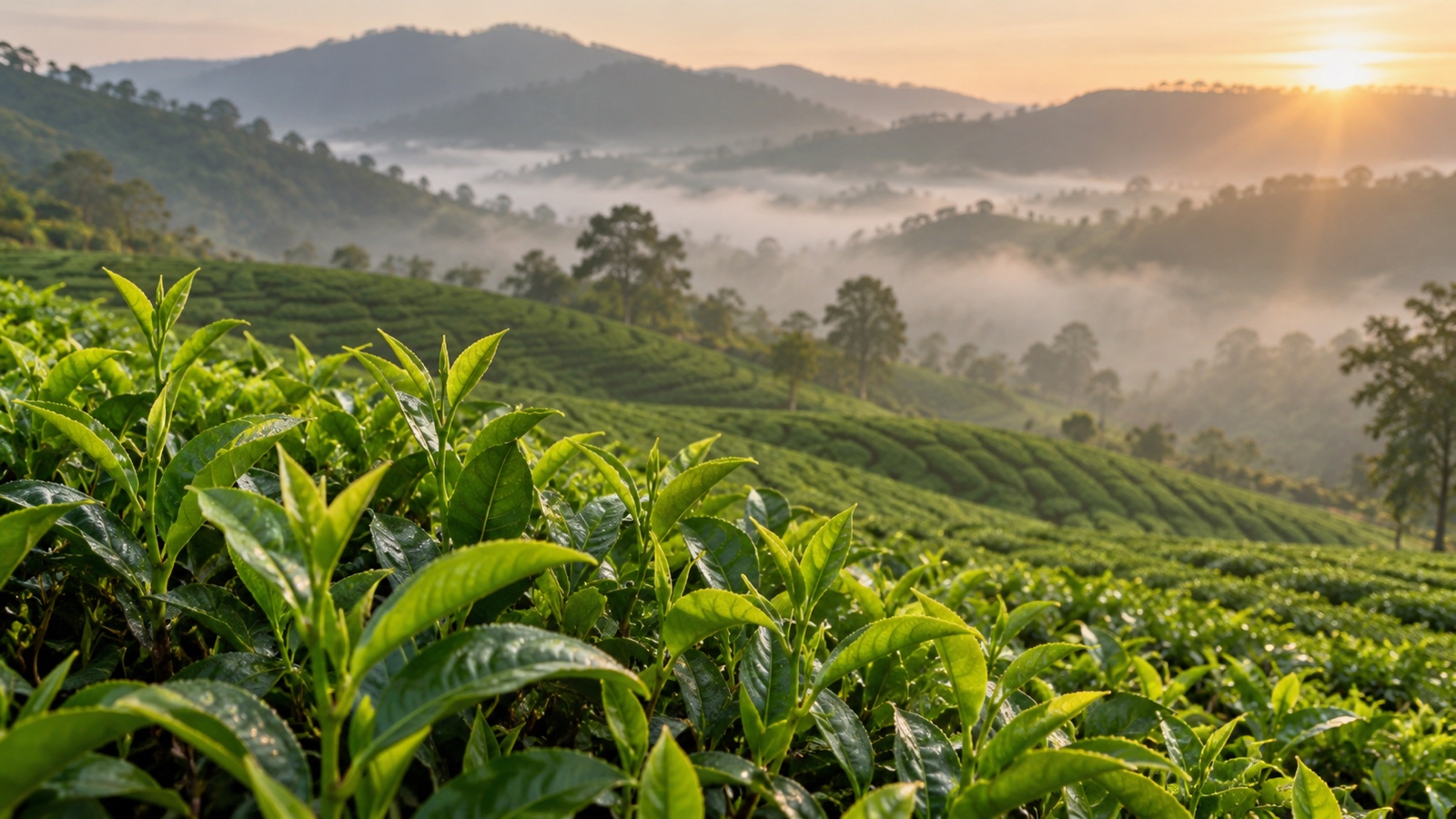
Processing determines whether tea becomes green, black, white or oolong
- Fresh tea leaves begin changing chemically as soon as they are picked.
- Enzymes react with plant compounds when cells are damaged.
- This process is commonly called oxidation in tea making.
- Green tea is heated quickly to limit oxidation.
- Chinese green teas are often pan fired.
- Japanese green teas are often steamed.
- Black tea is allowed to oxidize extensively.
- Its leaves become dark brown or black.
- Oolong is partially oxidized.
- Oolong oxidation levels vary widely.
- White tea receives relatively gentle processing.
- Young buds are common in premium white teas.
- Pu-erh undergoes microbial fermentation and aging.
- Yellow tea uses a specialized slow-processing step.
- Rolling bruises leaves and shapes them.
- Bruising exposes more cell material to oxygen.
- Drying stops most enzymatic activity.
- Roasting can add nutty aromas.
- Smoking can produce distinctive teas such as lapsang souchong.
- The difference between black and green tea is less “different plant” and more “what happened during the hours after harvest.”
Tea contains caffeine, but usually less than coffee
- Tea leaves naturally contain caffeine.
- Caffeine helps defend the plant against some insects.
- It can also influence nearby competing plants.
- Brewed tea usually contains less caffeine per cup than brewed coffee.
- Exact caffeine content varies enormously.
- Tea type matters.
- Leaf amount matters.
- Water temperature matters.
- Steeping time matters.
- Fine broken leaves extract faster than large leaves.
- Matcha can provide more caffeine because the whole powdered leaf is consumed.
- White tea is not automatically low in caffeine.
- Some bud-heavy white teas contain substantial caffeine.
- Decaffeinated tea still contains small amounts of caffeine.
- Herbal infusions are often caffeine free.
- Yerba mate contains caffeine even though it is not true tea.
- Tea also contains L-theanine.
- L-theanine is an amino acid associated with tea leaves.
- Caffeine and L-theanine together can influence alertness differently from caffeine alone.
- Tea's caffeine reputation depends heavily on a cup size and brewing method nobody remembers to mention.
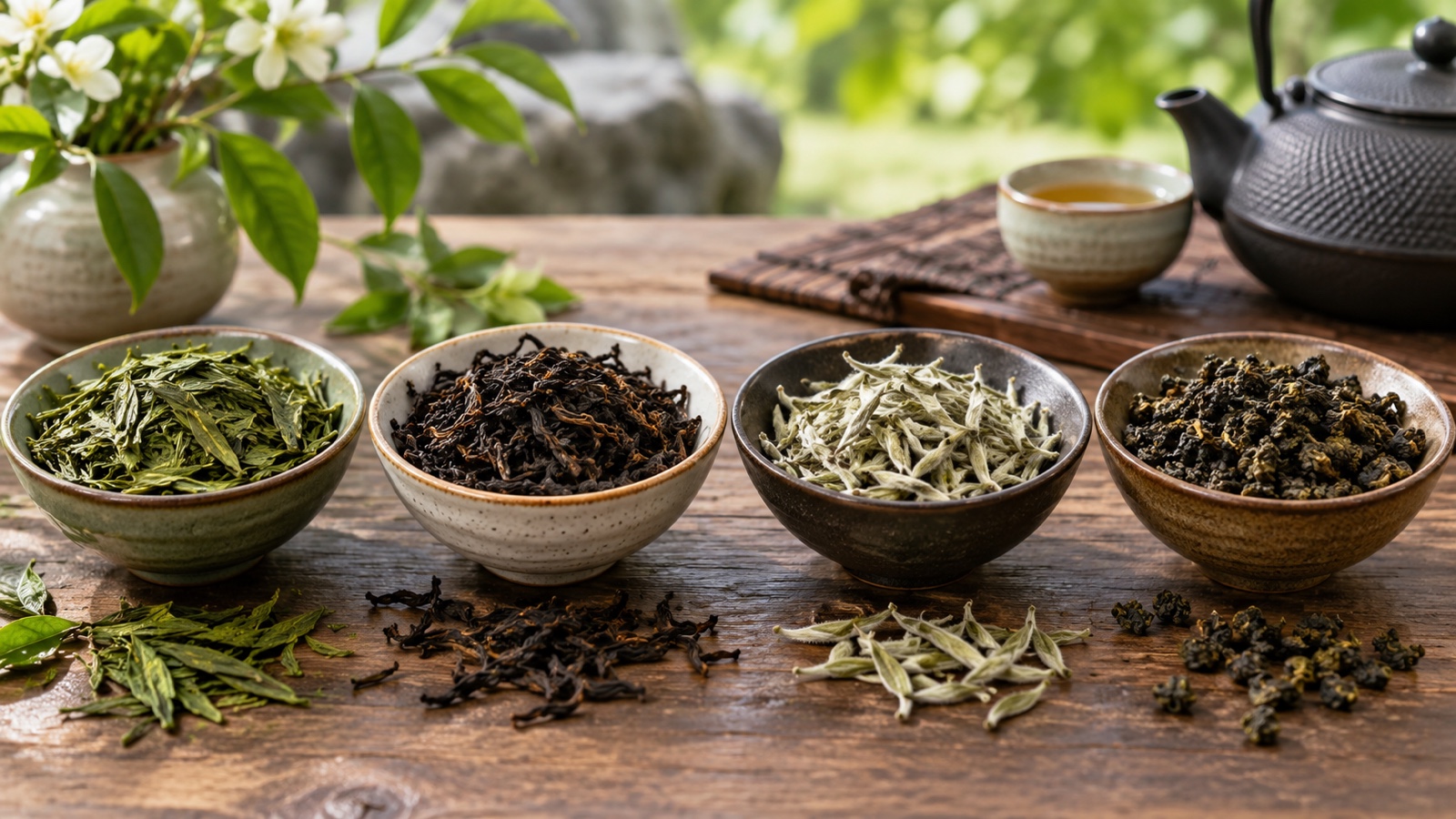
Water temperature changes what ends up in the cup
- Hotter water extracts tea compounds faster.
- Boiling water works well for many black teas.
- Delicate green teas often taste better with cooler water.
- Very hot water can extract more bitterness and astringency.
- Steeping longer also increases extraction.
- Astringency is the drying sensation tea can create.
- Tannins and related polyphenols contribute to astringency.
- Tea bitterness comes from several compounds.
- Caffeine contributes some bitterness.
- Water chemistry changes tea flavor.
- Hard water contains more calcium and magnesium.
- Hard water can produce a surface film on tea.
- Soft filtered water often reveals more delicate aromas.
- Distilled water can make tea taste flat.
- Oxygen dissolved in fresh water can affect perception.
- Repeatedly boiled water loses some dissolved gas.
- Loose-leaf tea needs room to expand.
- Overstuffed infusers restrict water movement.
- Multiple short steeps are common in Chinese gongfu tea brewing.
- Brewing tea is basically controlled extraction, which is why changing one minute can change the entire cup.
Tea shaped trade, politics and daily rituals
- Tea originated in China.
- Chinese tea culture developed over many centuries.
- Tea spread to Japan through Buddhist connections.
- Japanese tea ceremony developed distinct traditions.
- European merchants began importing tea in large quantities in the 1600s.
- Tea became fashionable in Britain.
- High taxes encouraged tea smuggling.
- The British East India Company dominated much tea trade.
- Tea was one commodity at the center of colonial trade.
- The Boston Tea Party occurred in 1773.
- Colonists dumped East India Company tea into Boston Harbor.
- The protest targeted taxation and political control.
- Britain later developed major tea production in India.
- Assam became a major tea-growing region.
- Darjeeling became famous for high-elevation teas.
- Afternoon tea became fashionable in Victorian Britain.
- Afternoon tea is different from high tea historically.
- High tea was traditionally a more substantial evening meal.
- Tea breaks became part of workplace culture in several countries.
- A leaf beverage managed to influence taxation, empire, smuggling, social class, revolution, and the invention of an entire category of tiny sandwiches.
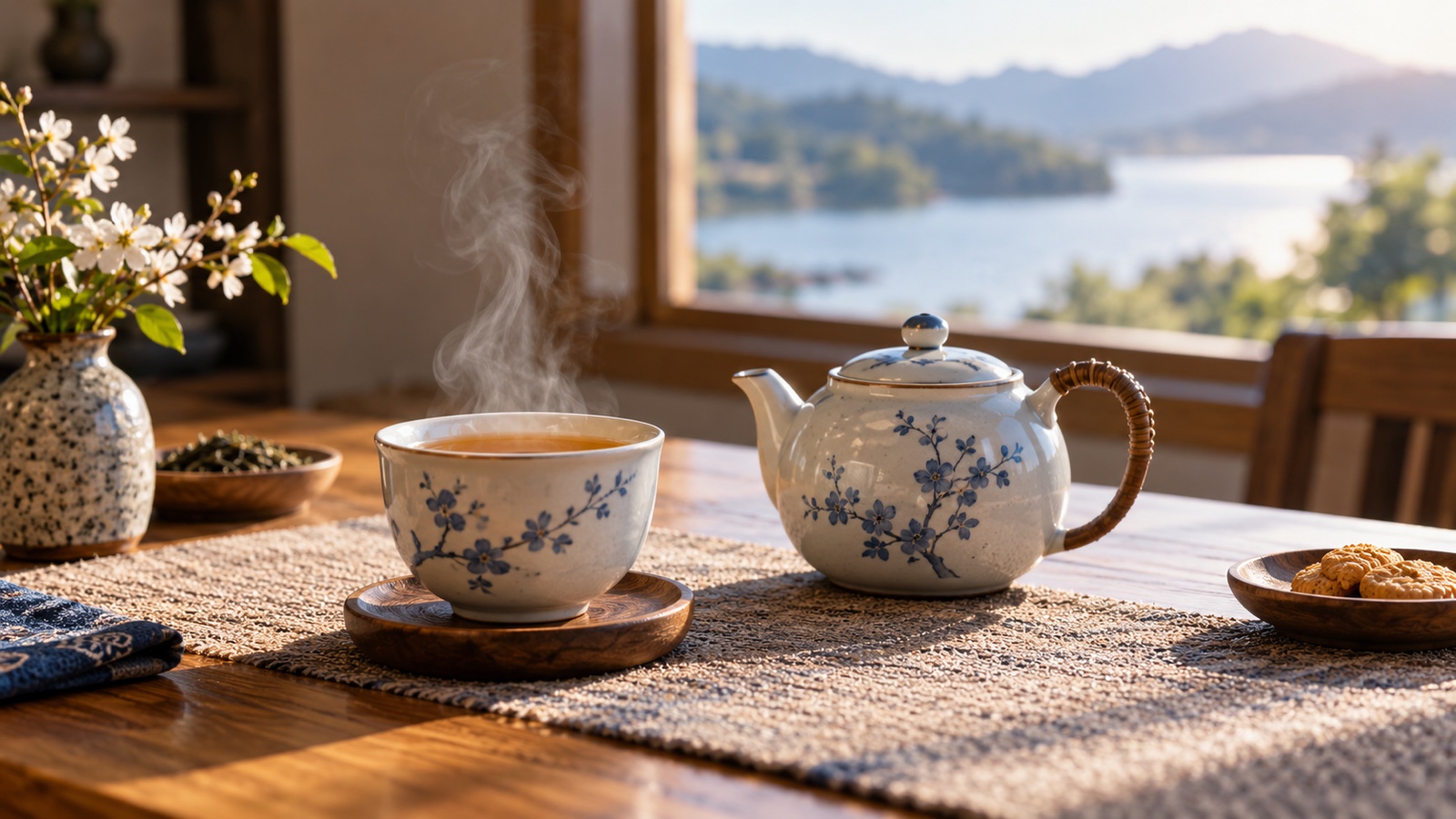
Matcha, chai and tea bags changed how people drink tea
- Matcha is powdered Japanese green tea.
- Tea plants for matcha are shaded before harvest.
- Shading changes leaf chemistry.
- Processed leaves called tencha are ground into matcha.
- Traditional matcha is whisked into water.
- The powdered leaf is consumed rather than discarded.
- Masala chai is Indian spiced tea.
- Recipes often include black tea, milk, sugar, and spices.
- Cardamom, ginger, cinnamon, cloves, and pepper are common spices.
- “Chai tea” literally repeats the word tea across languages.
- Bubble tea originated in Taiwan.
- It often includes chewy tapioca pearls.
- Iced tea became especially popular in the United States.
- Sweet tea is strongly associated with the American South.
- Tea bags were commercialized in the early 20th century.
- They made single-cup brewing convenient.
- Broken tea leaves work well in bags because they infuse quickly.
- Pyramid bags give larger leaves more room to expand.
- Cold-brew tea extracts more slowly in refrigerated water.
- Tea traditions constantly change, which is how one plant ended up as ceremony, milk tea, canned drink, boba, latte, and gas-station sweet tea.
Storage, flavor and 25 final tea facts
- Dry tea absorbs odors easily.
- It should be stored away from strong-smelling foods.
- Light degrades tea flavor.
- Heat accelerates chemical changes.
- Moisture can ruin dry tea.
- Airtight opaque containers work well.
- Green tea generally loses freshness faster than heavily oxidized black tea.
- Some pu-erh teas are intentionally aged.
- Not every tea improves with age.
- Tea contains polyphenols.
- Catechins are abundant in green tea.
- Theaflavins form during black-tea oxidation.
- Tea with milk is culturally common in Britain, India, Hong Kong, and many other places.
- Milk proteins interact with tea polyphenols.
- Lemon lowers tea pH.
- Acid can lighten some tea colors.
- Tea can be used to flavor desserts.
- Earl Grey is flavored with bergamot citrus oil.
- Jasmine tea is scented with jasmine blossoms.
- Genmaicha combines green tea with roasted rice.
- Hojicha is roasted Japanese green tea.
- Tea can be smoked, roasted, scented, fermented, powdered, compressed, or blended.
- Tea bricks were historically used as trade goods.
- Compressed tea made long-distance transport easier.
- After 145 facts, tea feels less like flavored water and more like one plant translated into agriculture, chemistry, ritual, politics, trade, and thousands of regional habits.

Ellie is the owner and sole author of Fun Facts, combining her mechanical engineering background with years of research-driven writing to deliver facts you can trust. Every article is thoroughly fact-checked and routinely updated as new science and sources emerge to keep information accurate and current. Her mission is to make learning delightful while upholding high standards of reliability and transparency.