
I have never met a vegetable aisle item with better public relations than the pumpkin. We carve it, bake it, decorate with it, launch it from machines, and somehow still forget that the whole thing started as a flowering vine with a surprisingly complicated family tree.
Pumpkin basics that are stranger than they look
- Pumpkins are fruits because they develop from flowers and contain seeds.
- Botanically, a pumpkin is a specialized type of berry called a pepo.
- Pumpkins belong to the gourd family, Cucurbitaceae.
- That family also includes cucumbers, melons, zucchini, and many other squashes.
- “Pumpkin” is a common name rather than one single botanical species.
- Several cultivated squash species can produce fruits people call pumpkins.
- Common pumpkin species include Cucurbita pepo, Cucurbita maxima, and Cucurbita moschata.
- Many familiar orange carving pumpkins belong to Cucurbita pepo.
- Some enormous competition pumpkins belong to Cucurbita maxima.
- Many processing pumpkins used for puree belong to Cucurbita moschata.
- Pumpkins are native to the Americas.
- Squash relatives were domesticated by Indigenous peoples thousands of years before European colonization.
- Pumpkin plants grow as annual vines in most gardens.
- Many pumpkin vines can spread far beyond the spot where the seed was planted.
- Vining varieties use curling tendrils to help anchor themselves.
- Pumpkin stems can feel prickly because they are covered with coarse hairs.
- The broad leaves can shade soil and help reduce some weed growth.
- Pumpkins come in orange, white, green, yellow, blue-gray, red, and multicolored varieties.
- They can be round, flattened, elongated, ribbed, smooth, warty, or almost perfectly spherical.
- So yes, the lumpy porch pumpkin is still doing excellent botanical work.
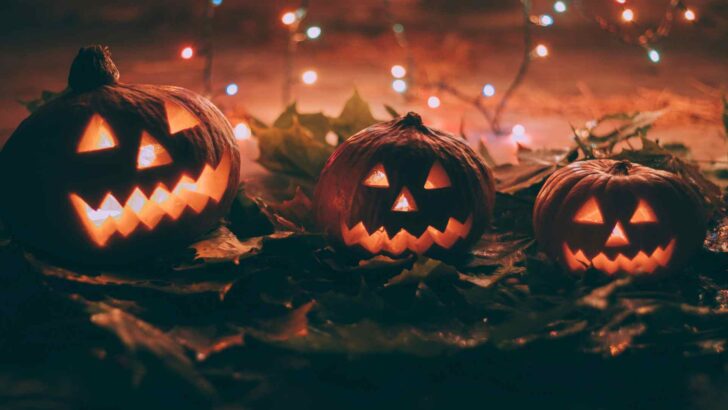
How pumpkins grow from flower to fruit
Pumpkin vines are dramatic in a way I respect. They take over the garden, produce giant yellow flowers, invite a whole pollinator committee, and then casually turn one successful flower into dinner.
- Pumpkin seeds need warm soil to germinate reliably.
- A seed first sends out a root before the young shoot emerges above ground.
- The first seed leaves are called cotyledons.
- True pumpkin leaves develop after the cotyledons.
- Pumpkin plants usually produce separate male and female flowers on the same vine.
- Male flowers often appear before female flowers.
- A female flower has a swollen ovary behind the petals that resembles a tiny pumpkin.
- Male flowers produce pollen but do not grow into pumpkins.
- Bees are major pumpkin pollinators.
- Specialist squash bees are especially effective pollinators of squash and pumpkin flowers.
- Pumpkin flowers commonly open in the morning and wilt later in the day.
- A female flower needs enough transferred pollen for its fruit to develop well.
- Poor pollination can produce misshapen fruit or cause a young fruit to abort.
- Gardeners sometimes hand-pollinate flowers when natural pollination is unreliable.
- Hand pollination involves moving pollen from a male flower to a receptive female flower.
- After successful fertilization, the ovary behind the female flower expands rapidly.
- Pumpkin fruit grows through cell division followed by substantial cell enlargement.
- Leaves manufacture sugars through photosynthesis and supply energy to developing fruit.
- A single vigorous vine may support several fruits, depending on variety and growing conditions.
- Giant-pumpkin growers often limit vines to one carefully selected fruit to concentrate growth.
Inside a pumpkin
- The outer rind is sometimes called the skin or shell.
- A mature rind helps protect the fruit during storage.
- The thick edible wall beneath the rind is the pumpkin flesh.
- The hollow center contains seeds, fibers, and soft tissue.
- The stringy material around the seeds is part of the fruit’s internal placental tissue.
- Pumpkin seeds are attached to that inner tissue while they develop.
- A single pumpkin can contain hundreds of seeds.
- The exact seed count varies with fruit size, variety, pollination, and growing conditions.
- Saving seeds does not guarantee the next crop will look exactly like the parent pumpkin.
- Pumpkins can cross-pollinate with compatible varieties of the same species.
- Cross-pollination affects the genetics of the seeds, not the appearance of that season’s fruit.
- That surprise shows up when saved seeds are planted the following year.
- Most pumpkin flesh contains a very high percentage of water.
- Orange pumpkin flesh is rich in carotenoid pigments.
- Beta-carotene is one pigment that contributes to the familiar orange color.
- The body can convert beta-carotene into vitamin A as needed.
- Pumpkin also provides fiber, potassium, and other nutrients.
- Pumpkin seeds contain protein, unsaturated fats, magnesium, and other minerals.
- “Pepitas” usually refers to edible pumpkin or squash seed kernels without the tough outer hull.
- Some varieties naturally produce seeds with very thin or reduced hulls, making them especially good for snacking.
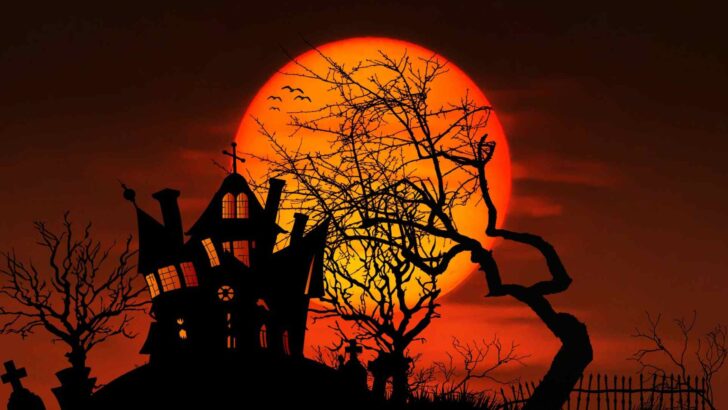
Pumpkins in the kitchen
This is where I become extremely opinionated: the pumpkin meant for your porch is not automatically the pumpkin you want in your pie. Carving varieties are perfectly edible, but culinary pumpkins are usually sweeter, denser, and less watery.
- Small sugar or pie pumpkins are commonly selected for cooking.
- Their flesh is usually denser and sweeter than that of typical large carving pumpkins.
- Carving pumpkins are edible even though texture and flavor may be less appealing.
- Roasting pumpkin concentrates flavor by driving off some water.
- Pumpkin can be baked, steamed, simmered, roasted, mashed, or pureed.
- The flesh works in soups, breads, muffins, curries, pasta sauces, and desserts.
- Pumpkin blossoms are edible too.
- Squash blossoms can be stuffed, fried, or added to savory dishes.
- Roasted pumpkin seeds are a classic snack after carving.
- Seeds should be cleaned of most stringy pulp before roasting for more even cooking.
- Pumpkin puree is simply cooked pumpkin or squash flesh processed until smooth.
- Canned pumpkin is much more concentrated than a watery homemade puree can be.
- That moisture difference can affect baking results.
- Commercial pumpkin puree may use dense tan-skinned processing varieties rather than orange carving pumpkins.
- The Dickinson type is famously associated with commercial canned pumpkin production.
- It belongs to Cucurbita moschata, the same species as butternut squash.
- Pumpkin pie spice does not usually contain any pumpkin.
- It is typically a blend of warm spices such as cinnamon, ginger, nutmeg, and cloves.
- Pumpkin spice flavor became a cultural shorthand for American fall.
- I remain impressed that a squash successfully built an annual marketing season around cinnamon.
Pumpkin pie, seeds & food history
- Indigenous peoples in the Americas ate and cultivated squash long before Europeans arrived.
- Different communities used squash flesh, seeds, and other plant parts in many ways.
- European colonists encountered American squash and incorporated it into their own cooking traditions.
- Early pumpkin dishes did not necessarily resemble today’s pumpkin pie.
- Modern pumpkin pie developed as European pastry and custard traditions met American squash.
- Pumpkin pie became strongly associated with Thanksgiving in the United States.
- Amelia Simmons included pumpkin recipes in her 1796 cookbook, “American Cookery.”
- That book is notable as an early cookbook written and published in the United States.
- Recipes and spelling varied widely before modern standardized pumpkin pie emerged.
- Molasses was once a common sweetener in pumpkin preparations.
- Today, brown sugar and granulated sugar are common pie sweeteners.
- Evaporated milk became a popular ingredient in many 20th-century pumpkin pie recipes.
- Pumpkin bread is chemically leavened more like a quick bread than a yeast bread.
- Pumpkin adds both moisture and color to baked goods.
- Pumpkin seed oil is a specialty food oil with a deep nutty flavor.
- It is especially associated with parts of Central Europe.
- The oil is usually used as a finishing ingredient rather than a high-heat frying oil.
- Pumpkin seeds can be eaten with or without their white outer shells, depending on preparation and variety.
- Salted roasted seeds are popular partly because carving produces them as an instant kitchen byproduct.
- Turning the carving scraps into snacks is the rare holiday tradition that cleans up after itself.
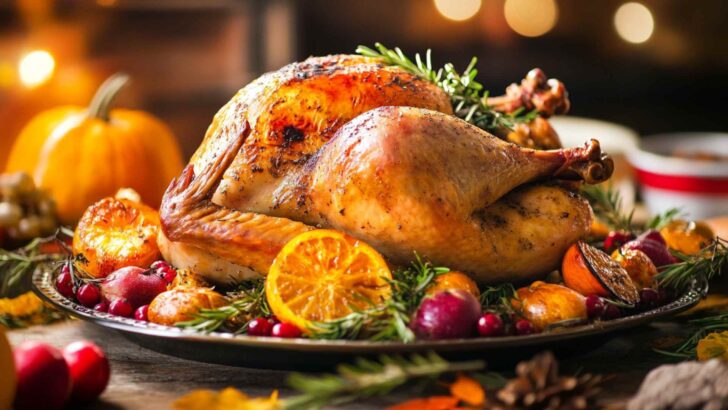
Jack-o’-lanterns, Halloween & pumpkin traditions
The first jack-o’-lanterns were not cute orange pumpkins with triangle eyes. People in Ireland and Britain carved root vegetables such as turnips, which sounds much harder and honestly makes me appreciate pumpkin rind engineering.
- Jack-o’-lantern traditions have roots in Irish and British folk customs.
- Turnips and other root vegetables were carved before pumpkins became the American favorite.
- Immigrants found pumpkins abundant and much easier to hollow in North America.
- Pumpkin carving became increasingly associated with Halloween in the United States.
- A jack-o’-lantern lasts longer in cool conditions than in hot weather.
- Once cut, a pumpkin loses moisture and becomes vulnerable to mold and bacteria.
- A candle inside a jack-o’-lantern adds heat and can speed dehydration.
- Battery-powered lights avoid an open flame and can reduce fire risk.
- Carved pumpkins should be kept away from dry leaves and other flammable decorations.
- Uncarved pumpkins can last much longer if the rind is mature and undamaged.
- A dry intact stem is useful, but carrying a pumpkin by the stem can snap it off.
- Pumpkin patches became a popular fall agritourism attraction.
- Many farms pair pumpkin picking with corn mazes, hayrides, food, and games.
- Decorative pumpkins and gourds are often selected for unusual colors, textures, or shapes.
- White pumpkins are sometimes called ghost pumpkins, though many named varieties exist.
- Miniature pumpkins are genuine small-fruited cultivars, not immature regular pumpkins.
- Some decorative “pumpkins” sold in fall are technically other kinds of winter squash.
- Botanical labels matter much less on a porch than whether the squirrel eats the display first.
- Pumpkin carving competitions can reward elaborate sculptures rather than simple faces.
- Artists can carve only the rind surface to create shaded designs without cutting completely through the fruit.
Giant pumpkins, odd records & useful pumpkin trivia
- Competitive giant pumpkins can weigh well over 2,000 pounds.
- Giant-pumpkin growers often start with carefully selected genetics from previous champions.
- They monitor water, soil fertility, pests, vine health, and fruit growth closely.
- A giant pumpkin may gain dozens of pounds in a single day during peak growth.
- Growers often place the fruit on a dry protective surface to reduce rot and damage.
- Shade cloth can protect a giant pumpkin from intense sun as its skin expands.
- Competition pumpkins are transported with lifting straps and heavy equipment because hand-carrying is not an option.
- Some giant pumpkins are hollowed and turned into small boats for novelty races.
- Pumpkin chucking events use machines to launch pumpkins for distance.
- Those events can use air cannons, catapults, or trebuchet-style machines under organized safety rules.
- Pumpkins continue changing color as they mature.
- A pumpkin can sometimes finish coloring after harvest if it was mature enough when picked.
- Frost can damage the rind and shorten storage life.
- A mature pumpkin usually develops a firm rind that resists easy puncturing with a fingernail.
- The stem often becomes corky and hard as the fruit matures.
- Stored pumpkins keep best when dry, intact, and protected from freezing temperatures.
- Bruises and cuts create entry points for decay organisms.
- Composting is one way to keep an uneaten pumpkin out of the trash after fall.
- Wildlife may eat discarded pumpkins, but leaving food out can create problems where feeding wildlife is discouraged.
- Pumpkin pieces should never be dumped in natural areas simply because they are biodegradable.
- Seeds from a carved pumpkin can be saved for eating even if you do not plan to plant them.
- A pumpkin’s ridges are sometimes informally called ribs.
- Not every rib corresponds neatly to a row of seeds inside.
- The pumpkin’s flower scar is located opposite the stem end.
- After 145 facts, I think the pumpkin has earned its porch, pie, and personality status.
Quick FAQ
Q: Is a pumpkin a fruit or a vegetable?
A: Botanically, it is a fruit because it develops from a flower and contains seeds. In cooking, people often treat pumpkin like a vegetable.
Q: Can you eat carving pumpkins?
A: Yes. They are edible, but pie pumpkins and other culinary varieties usually have sweeter, denser flesh and a better cooking texture.
Q: Why are pumpkins orange?
A: Orange varieties contain carotenoid pigments, including beta-carotene, that become prominent as the fruit matures.
Q: Where did jack-o’-lanterns come from?
A: The custom grew from older Irish and British traditions of carving root vegetables. Pumpkins became the preferred material in North America.
Q: How big can a giant pumpkin get?
A: Competitive giants can weigh more than 2,000 pounds, requiring specialized lifting gear and careful transport.

Ellie is the owner and sole author of Fun Facts, combining her mechanical engineering background with years of research-driven writing to deliver facts you can trust. Every article is thoroughly fact-checked and routinely updated as new science and sources emerge to keep information accurate and current. Her mission is to make learning delightful while upholding high standards of reliability and transparency.