
Sweden is a country of thousands of islands, vast forests, Arctic winters, midnight summer light, flat-pack furniture, pop music, cinnamon buns, Nobel Prizes, innovative engineering, and a language that gave English words such as ombudsman and smorgasbord. Its history stretches from Viking trade routes and powerful kings to two centuries without war at home. These 145 Sweden facts explore Stockholm, geography, Sami culture, monarchy, Vikings, neutrality, Nobel, fika, design, music, technology, forests, islands, social traditions, and the northern landscapes beyond the Arctic Circle.
Sweden basics
- Sweden is a Nordic country in northern Europe.
- Stockholm is the capital and largest city.
- Sweden shares land borders with Norway and Finland.
- The Baltic Sea lies along much of its eastern and southern coast.
- The Gulf of Bothnia separates Sweden from Finland.
- Swedish is the country’s principal language.
- The Swedish krona is the currency.
- Sweden is a constitutional monarchy.
- Its national parliament is called the Riksdag.
- Sweden joined the European Union in 1995.
- It has not adopted the euro.
- Sweden became a member of NATO in 2024.
- The country stretches far enough north to cross the Arctic Circle.
- Forests cover a large majority of the land area.
- Sweden’s long north-south shape creates large differences in climate and daylight.
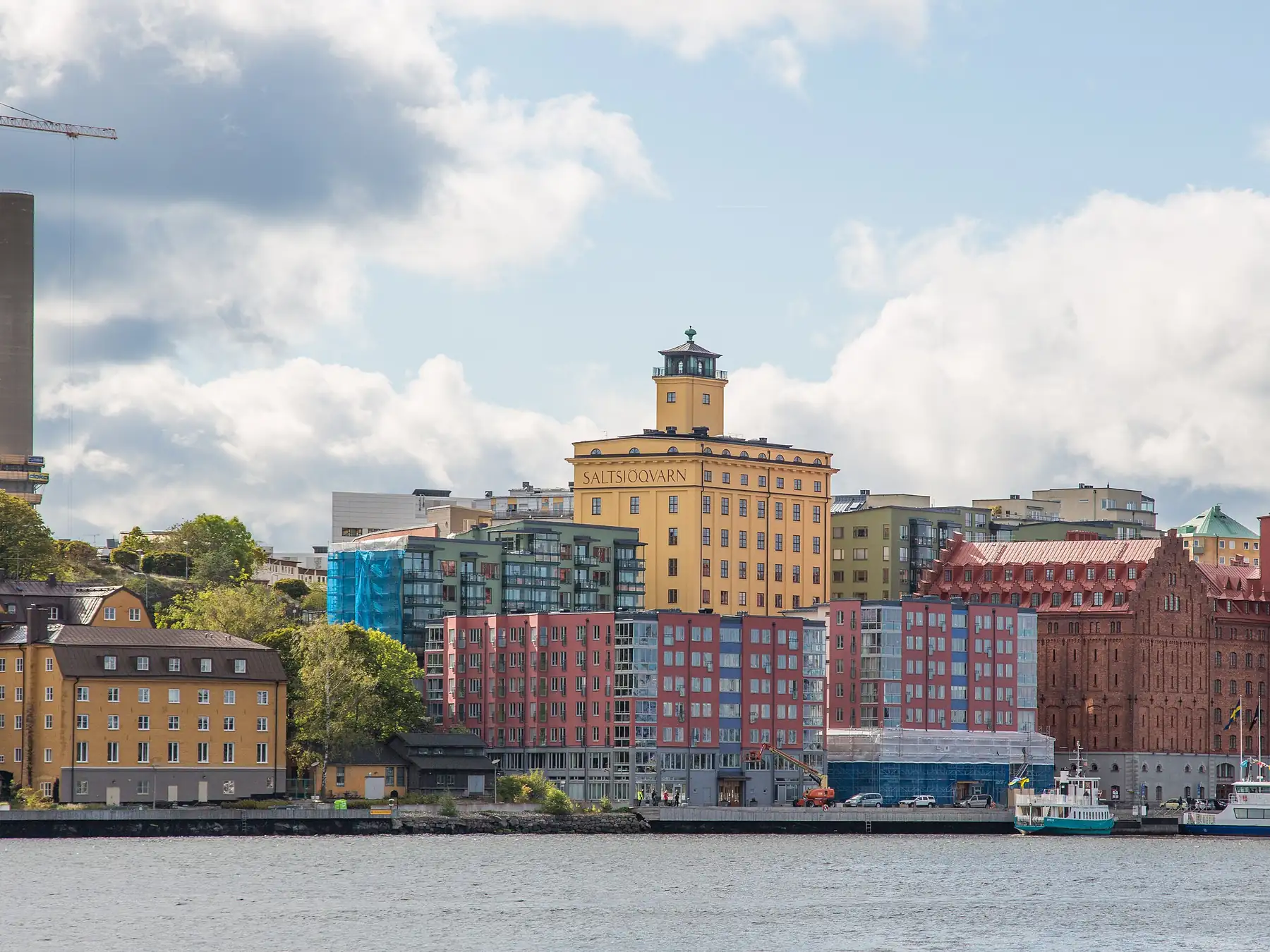
A country of lakes and islands
- Sweden contains tens of thousands of lakes.
- Vänern is the largest lake in Sweden.
- It is also the largest lake in the European Union by surface area.
- Vättern is Sweden’s second-largest lake.
- Mälaren lies west of Stockholm.
- Stockholm spreads across islands where Lake Mälaren meets the Baltic Sea.
- Sweden also contains an extraordinary number of coastal islands.
- The Stockholm archipelago alone contains tens of thousands of islands, skerries, and rocks depending on how they are counted.
- Gothenburg has another major archipelago on the west coast.
- Gotland is Sweden’s largest island.
- Visby on Gotland is a remarkably preserved medieval town.
- Öland is another large Baltic island.
- A bridge connects Öland with mainland Sweden.
- Glaciers shaped much of Sweden’s modern landscape during the last ice age.
- The land is still rising in parts of Sweden as the crust rebounds from the weight of ancient ice sheets.
Northern Sweden reaches the Arctic
- The Arctic Circle crosses northern Sweden.
- Summer days become extremely long in the north.
- Above the Arctic Circle, the sun can remain above the horizon around the clock.
- This is the midnight sun.
- Winter brings periods when the sun does not rise.
- Even during polar night, twilight can brighten part of the day.
- Kiruna is one of Sweden’s northernmost major towns.
- It developed around iron-ore mining.
- Parts of Kiruna are being relocated because mining has destabilized the ground beneath the old town area.
- Buildings have literally been moved to a new center.
- The famous Kiruna Church was designed to be relocated as part of the project.
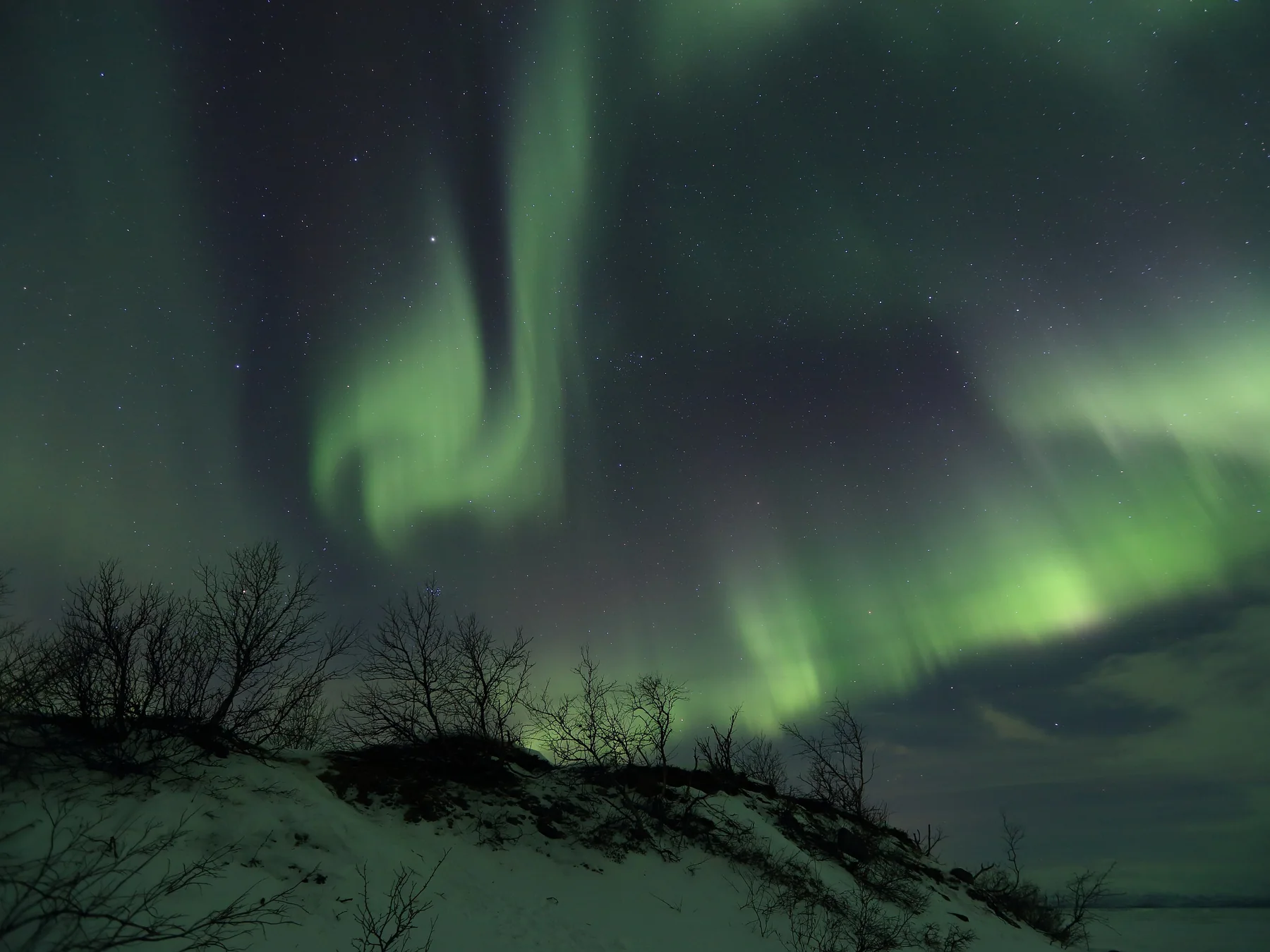
- Abisko is a well-known northern location for aurora viewing.
- The Scandinavian Mountains run along much of the Norwegian border.
- Kebnekaise is Sweden’s highest mountain massif.
- Its exact highest point has changed as the southern glacier-covered summit melts and the rocky northern summit becomes relatively higher.
Sami culture spans modern borders
- The Sami are an Indigenous people of northern Europe.
- Their traditional homeland is called Sápmi.
- Sápmi stretches across northern Sweden, Norway, Finland, and Russia.
- Several Sami languages are spoken.
- They belong to the Uralic language family rather than the Germanic family of Swedish.
- Reindeer herding is an important Sami livelihood and cultural practice for some communities.
- Not every Sami person is a reindeer herder.
- Fishing, hunting, crafts, education, business, and modern professions are also part of Sami life.
- Traditional handicraft is called duodji.
- Joik is a distinctive Sami vocal tradition.
- Swedish policies historically pressured Sami communities to assimilate.
- Land and grazing rights remain politically important.
- Sweden’s Sami Parliament, Sametinget, opened in 1993.
- It functions both as an elected representative body and a Swedish government agency.
- Sami history is essential to understanding northern Sweden rather than a decorative add-on to Scandinavian culture.
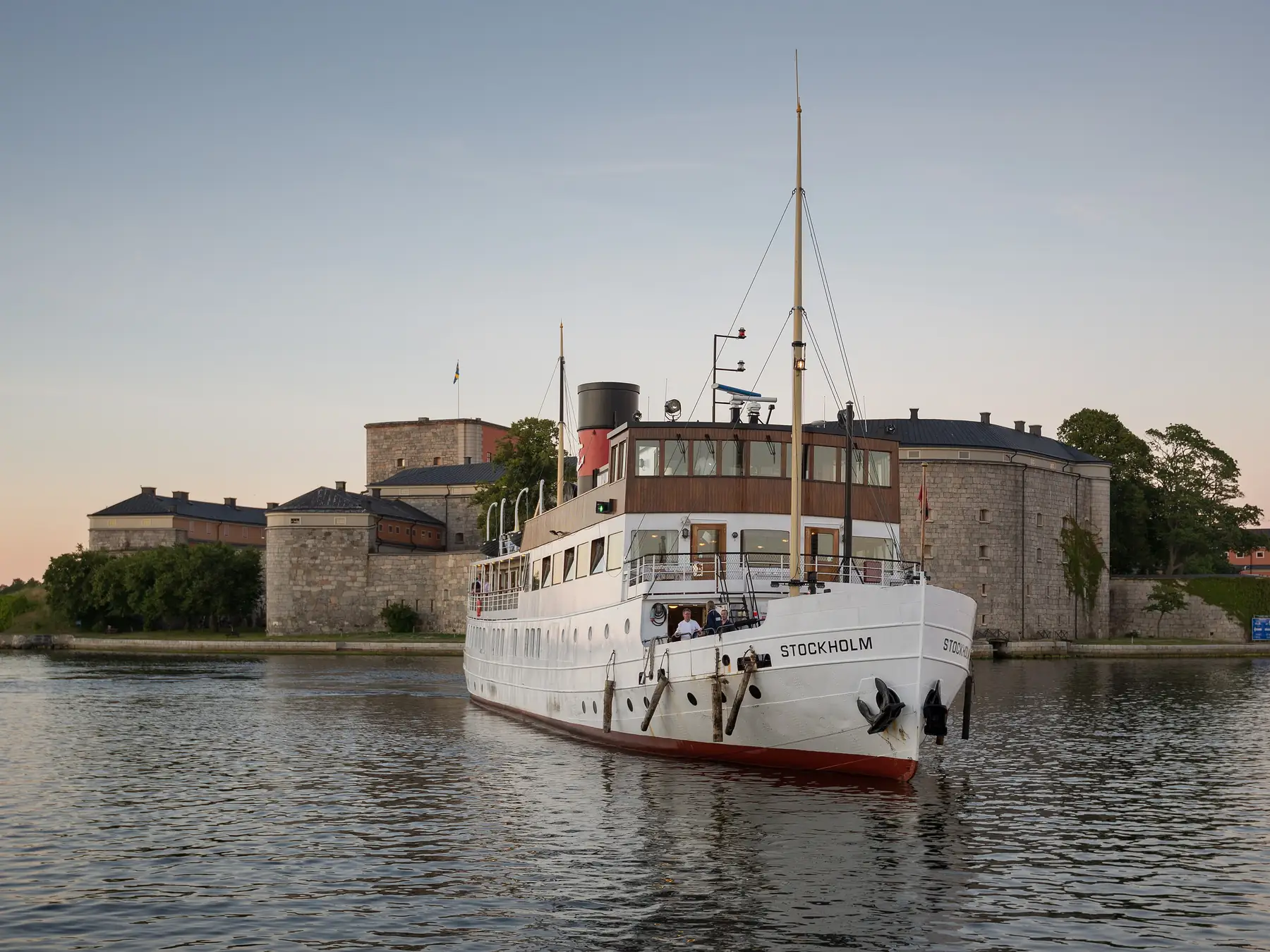
Vikings traveled east as well as west
- People from what is now Sweden participated in Viking Age trade and warfare.
- Swedish Vikings are often associated especially with routes eastward.
- Scandinavian traders traveled through rivers in modern Russia, Belarus, and Ukraine.
- They connected the Baltic with the Black Sea and Caspian regions.
- Norse travelers reached the Byzantine Empire.
- Scandinavians served in the Byzantine Varangian Guard.
- Large numbers of Viking Age runestones survive in Sweden.
- Many commemorate people who traveled abroad.
- Uppland contains an especially dense concentration of runestones.
- Birka was an important Viking Age trading town near modern Stockholm.
- Archaeologists have found imported goods there from distant regions.
- Viking ships were essential to trade as well as raiding.
- The popular image of Vikings only attacking western Europe misses their enormous eastern trade networks.
- Sweden did not exist as a modern nation-state throughout the entire Viking Age.
- Modern national borders should not be projected too neatly backward onto medieval Scandinavia.
Sweden became a European great power
- Sweden became a major European military power during the 17th century.
- King Gustavus Adolphus transformed Swedish warfare and administration.
- Sweden intervened in the Thirty Years’ War.
- Its empire eventually controlled territories around the Baltic.
- The warship Vasa was built during this great-power era.
- Vasa sank on its maiden voyage in Stockholm harbor in 1628.
- The ship was dangerously unstable.
- It sailed only a short distance before wind caused it to heel over.
- Water poured through open gunports.
- Vasa remained underwater for more than three centuries.
- It was raised in 1961.
- The remarkably preserved ship is now displayed in Stockholm’s Vasa Museum.
- Swedish great-power dominance declined during the Great Northern War.
- King Charles XII died in 1718.
- By the 18th century, Sweden’s role in European politics had changed substantially.
Two centuries without war at home
- Sweden’s last war was the short campaign against Norway in 1814.
- Afterward, Sweden and Norway entered a political union.
- The union lasted until 1905.
- Its dissolution was peaceful.
- Sweden remained neutral during World War I.
- It also declared neutrality during World War II.
- Wartime neutrality was complicated rather than absolute moral isolation.
- Sweden traded with belligerents and made concessions under pressure.
- It also accepted refugees and supported humanitarian efforts.
- After World War II, Sweden pursued military nonalignment while maintaining strong defenses.
- It became active in United Nations peacekeeping.
- Sweden joined the European Union in 1995.
- Russia’s full-scale invasion of Ukraine transformed Swedish security policy.
- Sweden applied to join NATO in 2022.
- It became NATO’s 32nd member on March 7, 2024, ending more than two centuries of formal military nonalignment traditions.
Alfred Nobel and the Nobel Prizes
- Alfred Nobel was a Swedish chemist, engineer, inventor, and businessman.
- He is famous for developing dynamite.
- Nobel accumulated a large fortune through inventions and industry.
- His will created prizes for major contributions to humanity.
- The first Nobel Prizes were awarded in 1901.
- Original prize categories included physics, chemistry, physiology or medicine, literature, and peace.
- The economics prize was created much later by Sweden’s central bank.
- It is formally the Sveriges Riksbank Prize in Economic Sciences in Memory of Alfred Nobel.
- Most Nobel Prizes are awarded in Stockholm.
- The Nobel Peace Prize is awarded in Oslo, Norway.
- Nobel’s will specified that a Norwegian committee should award the peace prize.
- Sweden and Norway were in a political union when Nobel wrote his will.
- Nobel Prize ceremonies take place on December 10.
- That is the anniversary of Alfred Nobel’s death.
- The Nobel tradition gives Sweden an outsized role in global scientific and literary recognition.
Fika, cinnamon buns, and Swedish food
- Fika is a Swedish social tradition centered on taking time for coffee and conversation.
- It can happen at work, home, or a café.
- Fika is more than simply drinking coffee quickly at a desk.
- Sweet baked goods commonly accompany it.
- Kanelbullar are Swedish cinnamon buns.
- Sweden celebrates Cinnamon Bun Day on October 4.
- Swedish cinnamon buns are often flavored with cardamom too.
- Smörgåsbord is a buffet-style meal with multiple dishes.
- The English word smorgasbord comes from Swedish.
- Swedish meatballs are commonly served with gravy, potatoes, lingonberry, and pickled cucumber.
- Pickled herring is a traditional food.
- Crayfish parties are a late-summer tradition.
- Surströmming is fermented Baltic herring famous for its powerful smell.
- Semla is a cardamom bun filled with almond paste and cream.
- Food traditions vary regionally and seasonally, so Swedish cuisine extends far beyond meatballs and flat-pack furniture cafeterias.
Ten surprising Sweden facts
- Sweden contains so many islands that exact totals depend on how an island is defined.
- Parts of the country are still rising because the crust is rebounding after the last ice age.
- Kiruna is physically moving parts of its town because of mining-related ground deformation.
- Swedish Viking networks reached east toward Byzantium and the Caspian world.
- The warship Vasa sank on its first voyage and was raised 333 years later.
- Sweden’s last war was in 1814.
- Its long military-nonalignment tradition ended when it joined NATO in 2024.
- The Nobel Peace Prize is the major Nobel ceremony held in Norway rather than Sweden.
- English borrowed words including ombudsman and smorgasbord from Swedish.
- For more Nordic trivia, explore our Norway facts and Iceland facts.
Quick Sweden FAQ
What is the capital of Sweden?
Stockholm, a city spread across islands between Lake Mälaren and the Baltic Sea.
Is Sweden in NATO?
Yes. Sweden became NATO’s 32nd member on March 7, 2024.
Does Sweden use the euro?
No. Sweden is an EU member but continues using the Swedish krona.
What is fika?
A Swedish social practice of deliberately taking time for coffee, conversation, and often something baked or sweet.
Why is the Nobel Peace Prize awarded in Norway?
Alfred Nobel’s will specified a Norwegian committee for the peace prize, while Swedish institutions award the other original Nobel categories.

Ellie is the owner and sole author of Fun Facts, combining her mechanical engineering background with years of research-driven writing to deliver facts you can trust. Every article is thoroughly fact-checked and routinely updated as new science and sources emerge to keep information accurate and current. Her mission is to make learning delightful while upholding high standards of reliability and transparency.