
Memorial Day is often treated as the unofficial start of summer, but its purpose is much more solemn. The holiday grew from post-Civil War traditions of decorating military graves and eventually became a national day for remembering U.S. service members who died while serving. These 145 Memorial Day facts explore Decoration Day, Civil War remembrance, Waterloo, Arlington, poppies, flags, the National Moment of Remembrance, parades, cemetery traditions, and the important difference between Memorial Day and Veterans Day.
Memorial Day basics
- Memorial Day is a United States federal holiday.
- It honors military personnel who died while serving in the U.S. armed forces.
- The holiday falls on the last Monday in May.
- Memorial Day was historically known as Decoration Day.
- The older name came from decorating graves with flowers, flags, and wreaths.
- Memorial Day is different from Veterans Day.
- Veterans Day honors people who served in the U.S. military, living or deceased.
- Memorial Day focuses specifically on those who died in service.
- Armed Forces Day is another separate observance honoring people currently serving.
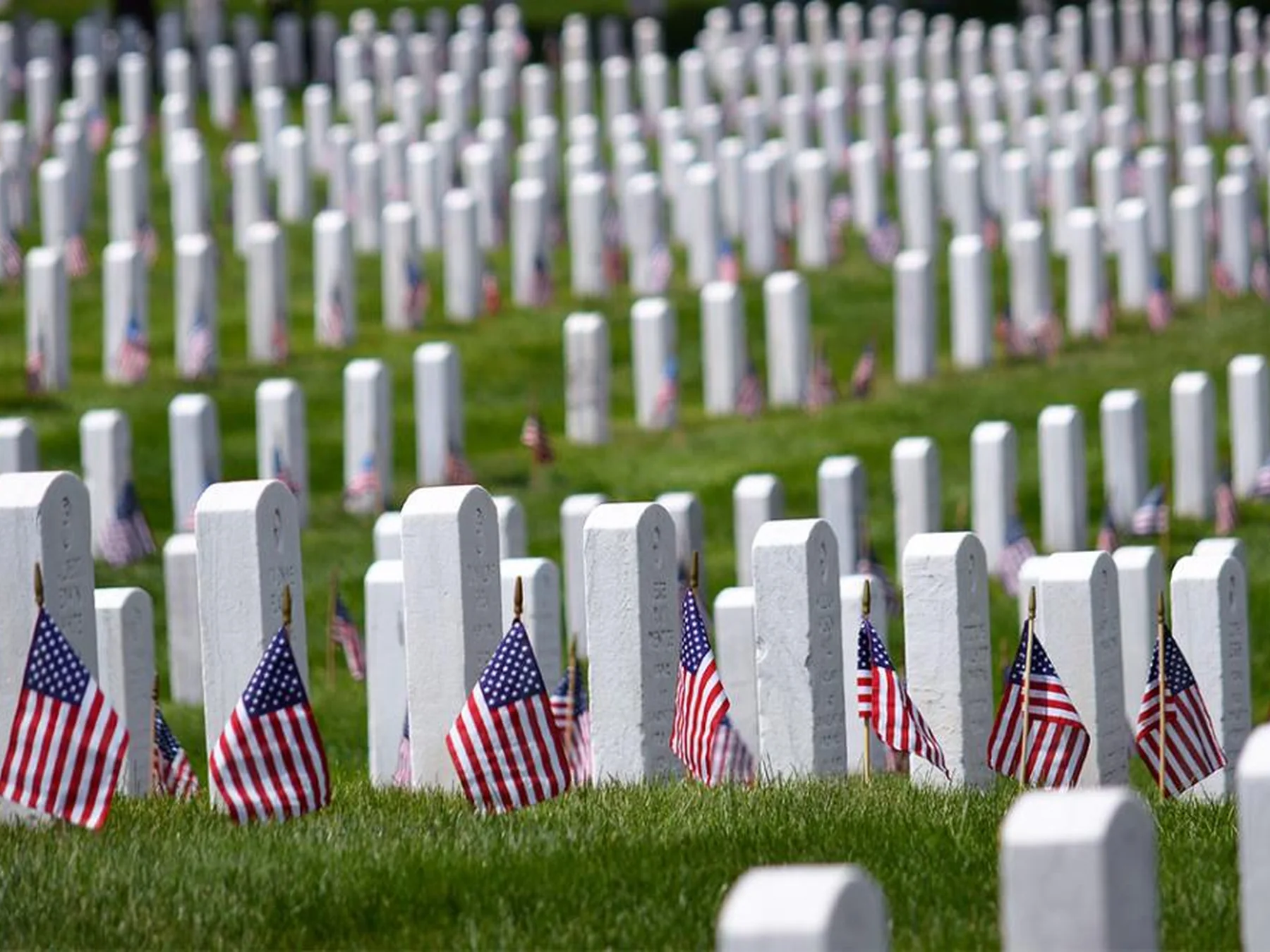
- Memorial Day ceremonies often take place in cemeteries and at war memorials.
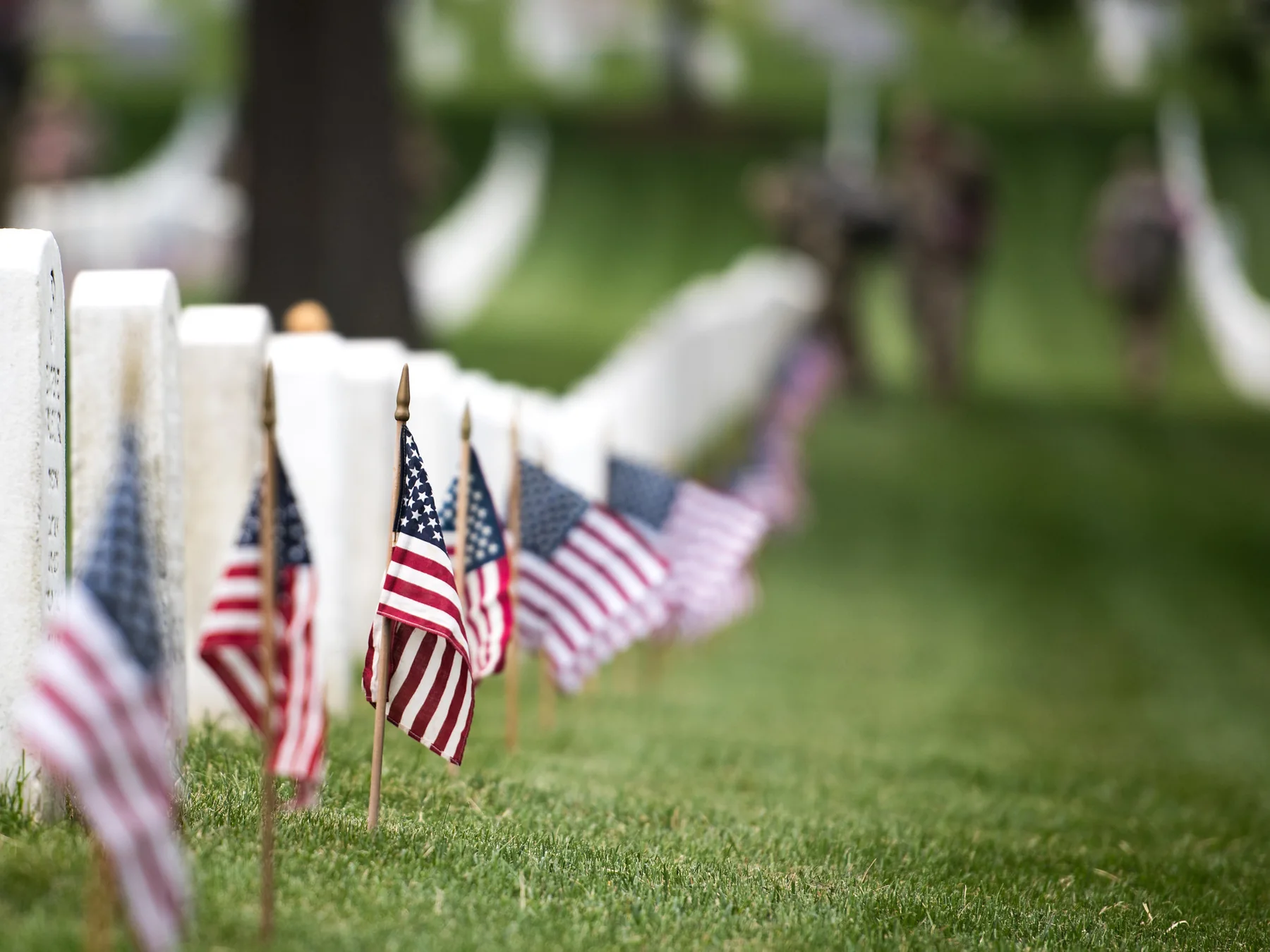
- American flags are commonly placed beside veterans’ graves.
- Wreath-laying ceremonies are held around the country.
- Parades combine military, civic, school, and veterans’ organizations.
- Many families also use the long weekend for gatherings and travel.
- The U.S. Department of Veterans Affairs documents Memorial Day’s evolution from Decoration Day traditions.
The Civil War changed American mourning
- The American Civil War lasted from 1861 to 1865.
- It caused more American military deaths than any other U.S. war.
- Communities across the country faced enormous numbers of military graves.
- National cemeteries expanded during and after the war.
- Families often lived far from where their relatives had died.
- Public burial and memorial rituals therefore became especially important.
- Communities in both North and South held springtime grave-decoration ceremonies.
- Some of these events began before the war had completely ended.
- Women’s organizations played major roles in decorating graves.
- Churches, veterans, formerly enslaved people, civic leaders, and local communities all contributed to early remembrance traditions.
- Because many communities developed similar customs, no single event explains the entire origin of Memorial Day.
- Several towns later claimed to be the holiday’s birthplace.
- The complicated origin reflects how widespread Civil War mourning had become.
- Decoration ceremonies helped turn private grief into public remembrance.
- Memorial Day grew from this broad culture of mourning rather than one isolated invention.
Charleston’s 1865 commemoration
- One important early remembrance took place in Charleston, South Carolina, in 1865.
- It centered on Union prisoners of war who had died at a former racecourse prison camp.
- Black residents helped rebury the dead in properly marked graves.
- A large public ceremony followed on May 1, 1865.
- Thousands of people participated.
- Children carried flowers.
- Religious and civic groups joined the procession.
- The event honored Union soldiers shortly after the Civil War ended.
- Historian David Blight later brought major attention to this Charleston commemoration.
- Scholars debate exactly how directly it should be connected to the later national holiday.
- It remains powerful evidence that formerly enslaved Black Americans helped shape early Civil War memorial culture.
- For many years, popular Memorial Day histories barely mentioned the Charleston event.
- Historical memory changes when overlooked documents and communities receive renewed attention.
- The episode complicates a simple story of one northern town inventing the holiday.
- Memorial Day’s roots include race, emancipation, military death, and the struggle over Civil War memory.
General Logan and Decoration Day
- John A. Logan was a Union general and political leader.
- After the war, he became commander in chief of the Grand Army of the Republic.
- The Grand Army of the Republic was a major Union veterans’ organization.
- On May 5, 1868, Logan issued General Orders No. 11.
- The order called for decorating the graves of Union war dead.
- Logan selected May 30 for the annual observance.
- The order called the event Decoration Day.
- It encouraged communities to cover graves with flowers.
- The first large national Decoration Day ceremony under the order occurred on May 30, 1868.
- Arlington National Cemetery hosted a major observance.
- General James Garfield delivered a speech at Arlington.
- Participants decorated thousands of graves.
- May 30 remained the traditional national date for decades.
- The date was not chosen because it marked one particular battle anniversary.
- Logan’s order helped coordinate existing local practices into a wider national tradition.
Why Waterloo, New York, is called the official birthplace
- Waterloo, New York, is federally recognized as the official birthplace of Memorial Day.
- The village held a community-wide observance in May 1866.
- Businesses reportedly closed for the occasion.
- Residents decorated soldiers’ graves with flowers and flags.
- The event was repeated annually.
- Local pharmacist Henry C. Welles and Civil War veteran John B. Murray are traditionally associated with organizing it.
- New York state formally recognized Waterloo’s claim in the 1960s.
- Congress passed a resolution recognizing Waterloo in 1966.
- President Lyndon B. Johnson issued a proclamation connected with the designation.
- Federal recognition does not mean historians agree Waterloo was the only place where Memorial Day originated.
- Many communities held earlier or similar ceremonies.
- Boalsburg, Pennsylvania, Columbus, Georgia, Columbus, Mississippi, and other towns have also made historical claims.
- Local origin claims show how independently grave-decoration traditions spread.
- Waterloo’s designation is an official national recognition, not a complete explanation of every root.
- Good Memorial Day history can acknowledge both the federal designation and the wider origin story.
From Civil War dead to all U.S. war dead
- Decoration Day initially focused strongly on Civil War dead.
- Many southern states developed their own Confederate memorial observances.
- National reconciliation after the Civil War took generations.
- World War I changed the scope of national military remembrance.
- After that war, Memorial Day increasingly honored Americans who died in all wars.
- Later conflicts added new generations of military dead to remembrance ceremonies.
- World War II created enormous new military cemeteries overseas.
- Korean War dead were included in national Memorial Day observances.
- Vietnam War losses profoundly shaped memorial culture during the late 20th century.
- Memorials for Iraq and Afghanistan service members have become part of more recent observances.
- Gold Star families have a particularly personal connection to military remembrance.
- The term Gold Star family refers to relatives of U.S. service members who died in military service.
- Cemetery ceremonies may read names rather than discussing war only in statistics.
- That practice restores individual identities to national loss.
- The holiday’s meaning continues as new generations remember people from different conflicts.
Why Memorial Day moved to Monday
- For many decades, Memorial Day was observed on May 30.
- Congress passed the Uniform Monday Holiday Act in 1968.
- The law moved several federal observances to Mondays.
- The change created more predictable three-day weekends.
- The new federal Memorial Day date became effective in 1971.
- Since then, the holiday has fallen on the last Monday in May.
- This means Memorial Day can occur from May 25 through May 31.
- Some veterans’ groups opposed moving the observance from May 30.
- Critics worried the long-weekend format would weaken the day’s memorial purpose.
- Supporters appreciated the standardized Monday holiday system.
- Many Americans now associate the weekend with the unofficial start of summer.
- Beaches, parks, campgrounds, and travel destinations become especially busy.
- Retail sales also became associated with the weekend.
- These leisure traditions coexist with solemn cemetery and memorial events.
- The tension between remembrance and recreation is now part of Memorial Day’s modern identity.
Flags, poppies, and remembrance traditions
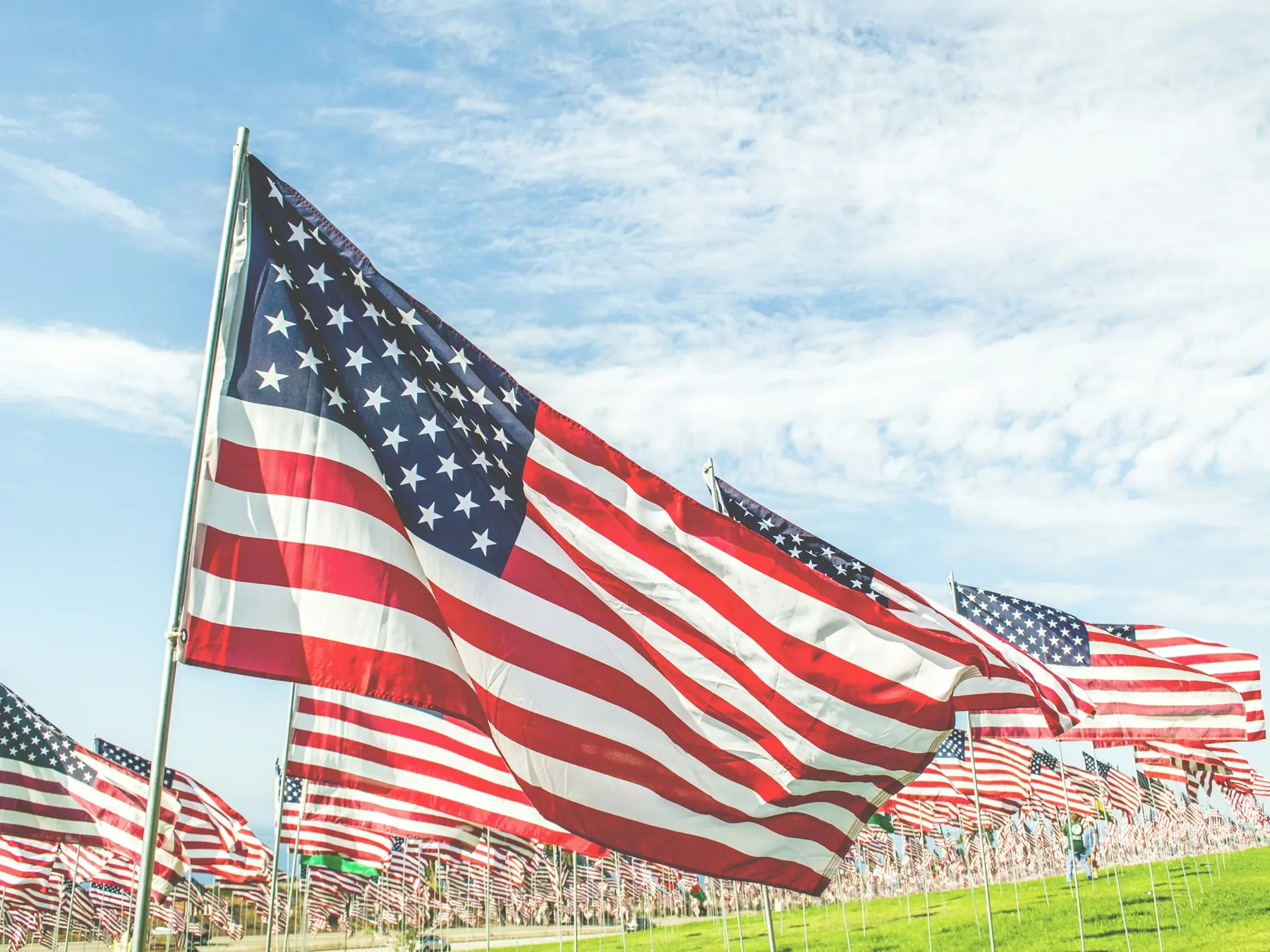
- On Memorial Day, the U.S. flag follows a distinctive half-staff tradition.
- It is flown at half-staff from sunrise until noon.
- At noon, the flag is raised to full staff for the remainder of the day.
- This practice combines mourning with continued national resolve.
- Volunteers place small American flags on military graves at many cemeteries.
- Arlington National Cemetery hosts the annual Flags In tradition.
- Members of the military place flags beside graves before Memorial Day.
- Red poppies became international symbols of military remembrance after World War I.
- The symbolism was inspired by John McCrae’s poem “In Flanders Fields.”
- Moina Michael promoted the poppy as a remembrance symbol in the United States.
- The American Legion adopted the poppy in its remembrance activities.
- Veterans organizations distribute poppies or symbolic flowers around the holiday period.
- Wreaths are placed at monuments and Tombs of the Unknown.
- Buglers may play “Taps” during ceremonies.
- “Taps” became associated with U.S. military funerals during the Civil War.
The National Moment of Remembrance
- The National Moment of Remembrance occurs at 3 p.m. local time on Memorial Day.
- It asks Americans to pause for one minute.
- The pause honors people who died in U.S. military service.
- Congress established the observance in federal law in 2000.
- The time was chosen because midafternoon is when many Americans are participating in holiday activities.
- The moment is voluntary rather than enforced.
- Organizations may pause events or play music.
- Baseball games and public gatherings have sometimes incorporated the observance.
- Amtrak and other transportation organizations have participated in national remembrance efforts.
- A moment of silence offers a simple practice that requires no location or ceremony.
- Families can observe it at home, on the road, or during a gathering.
- The practice attempts to reconnect a recreational holiday weekend with its original memorial purpose.
- Public education campaigns explain the 3 p.m. tradition each year.
- Many Americans are still unaware the official moment exists.
- The observance shows that Memorial Day continues evolving even in recent history.
Ten surprising Memorial Day facts
- Memorial Day was originally known as Decoration Day.
- Many communities held grave-decoration ceremonies, so its origin cannot honestly be reduced to one event.
- A major 1865 Charleston memorial involved formerly enslaved Black residents honoring Union dead.
- Waterloo, New York, is still the federally recognized official birthplace.
- Memorial Day stayed on May 30 for about a century before moving to Monday.
- The U.S. flag rises from half-staff to full staff at noon on Memorial Day.
- The national minute of remembrance is at 3 p.m. local time.
- Red remembrance poppies entered American tradition through World War I poetry and activism.
- Memorial Day and Veterans Day honor different groups and should not be treated as interchangeable.
- For more U.S. history, explore our United States facts and History facts.
Quick Memorial Day FAQ
What does Memorial Day honor?
It honors members of the U.S. armed forces who died while serving the country.
Why was it called Decoration Day?
Communities decorated military graves with flowers, flags, and wreaths, especially after the Civil War.
Where did Memorial Day begin?
Many communities held early memorial events. Waterloo, New York, is the federally recognized official birthplace, but historians identify multiple important origins and parallel traditions.
Why is Memorial Day on a Monday?
The Uniform Monday Holiday Act moved the federal observance from May 30 to the last Monday in May beginning in 1971.
What happens at 3 p.m.?
The National Moment of Remembrance asks Americans to pause voluntarily for one minute at 3 p.m. local time to remember military personnel who died in service.

Ellie is the owner and sole author of Fun Facts, combining her mechanical engineering background with years of research-driven writing to deliver facts you can trust. Every article is thoroughly fact-checked and routinely updated as new science and sources emerge to keep information accurate and current. Her mission is to make learning delightful while upholding high standards of reliability and transparency.