
Finland is famous for saunas, lakes, northern lights, heavy metal, reindeer, excellent libraries, strange competitions, winter darkness, summer cottages, and a language that is not closely related to Swedish or Russian. It also built a modern national identity while balancing Swedish and Russian historical influence, developed technology companies known worldwide, and somehow made sitting in a 100°C wooden room feel completely normal. These 145 Finland facts explore Helsinki, lakes, forests, Sami culture, language, independence, saunas, education, design, Nokia, winter, midnight sun, food, and Finnish traditions.
Finland basics
- Finland is a Nordic country in northern Europe.
- Helsinki is the capital and largest city.
- Finland shares land borders with Sweden, Norway, and Russia.
- The Baltic Sea lies to the south and west.
- Finland joined the European Union in 1995.
- It uses the euro.
- Finland is a parliamentary republic.
- Its parliament is called Eduskunta in Finnish.
- Finnish and Swedish are national languages.
- Finnish is the majority language.
- Swedish is spoken as a first language by a minority, especially along some coastal areas.
- Finland became a member of NATO in 2023.
- Much of northern Finland lies above the Arctic Circle.
- Forests cover most of the country.
- Finland is often nicknamed the Land of a Thousand Lakes, which dramatically understates the real number.
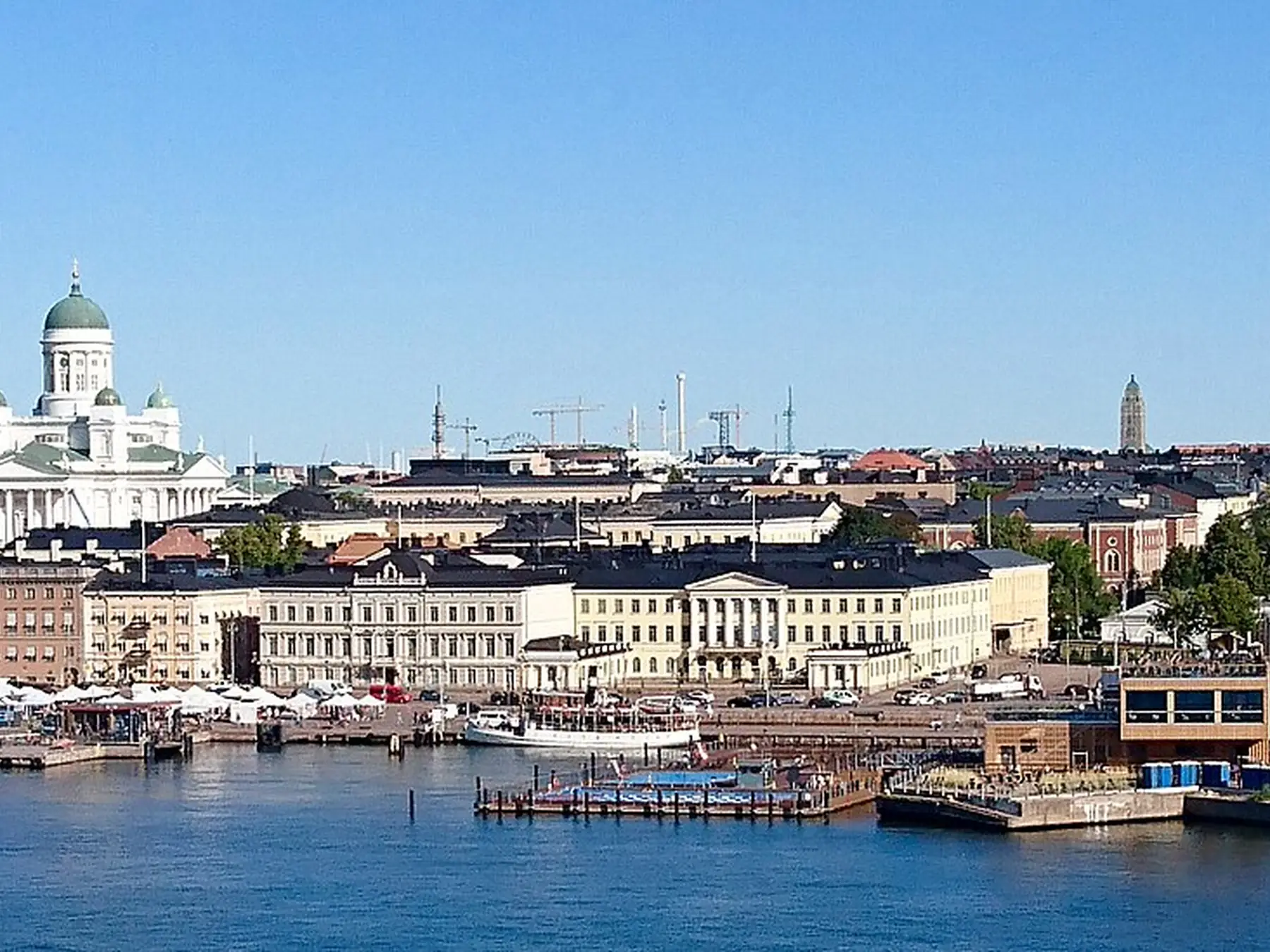
Way more than a thousand lakes
- Finland contains about 188,000 lakes when small bodies of water above a commonly used minimum size are counted.
- Exact totals depend on the definition of a lake.
- Glaciers shaped much of Finland’s lake-filled landscape.
- Ice sheets scraped bedrock and deposited ridges of sediment.
- When the ice melted, water filled countless depressions.
- Saimaa is Finland’s largest lake system.
- Its branching channels and islands create an enormous inland-water maze.
- The endangered Saimaa ringed seal lives only in this freshwater lake system.
- It became isolated from the sea after the last ice age.
- Finland also contains tens of thousands of islands.
- The Archipelago Sea between mainland Finland and Åland is exceptionally island-rich.
- Many Finns own or visit summer cottages near lakes.
- Swimming, fishing, rowing, and sauna are closely connected with cottage culture.
- Winter freezes many lakes.
- Frozen lakes become routes and recreation spaces for skating, skiing, fishing, and snow travel when ice conditions are safe.
Finnish is not Scandinavian
- Finnish belongs to the Uralic language family.
- It is not a Germanic language.
- Swedish, Norwegian, and Danish are North Germanic languages.
- Finnish is more distantly related to Estonian and Hungarian.
- Finnish uses many grammatical cases.
- Endings can express relationships that English often expresses with prepositions.
- The language has vowel harmony.
- Words can become very long through added suffixes.
- Finnish spelling is relatively phonetic compared with English.
- Long and short sounds can change word meaning.
- Double vowels matter.
- Double consonants matter too.
- Finnish has no grammatical gender like he versus she.
- The pronoun hän can mean either he or she.
- Despite Finland’s geographic position, Finnish is not closely related to Russian either.
Swedish and Russian rule shaped Finland
- Finland was part of the Swedish realm for centuries.
- Swedish law, administration, religion, and language left deep influence.
- Russia conquered Finland from Sweden during the Finnish War.
- In 1809, Finland became an autonomous grand duchy within the Russian Empire.
- The Russian emperor also served as Grand Duke of Finland.
- Finland retained significant administrative institutions.
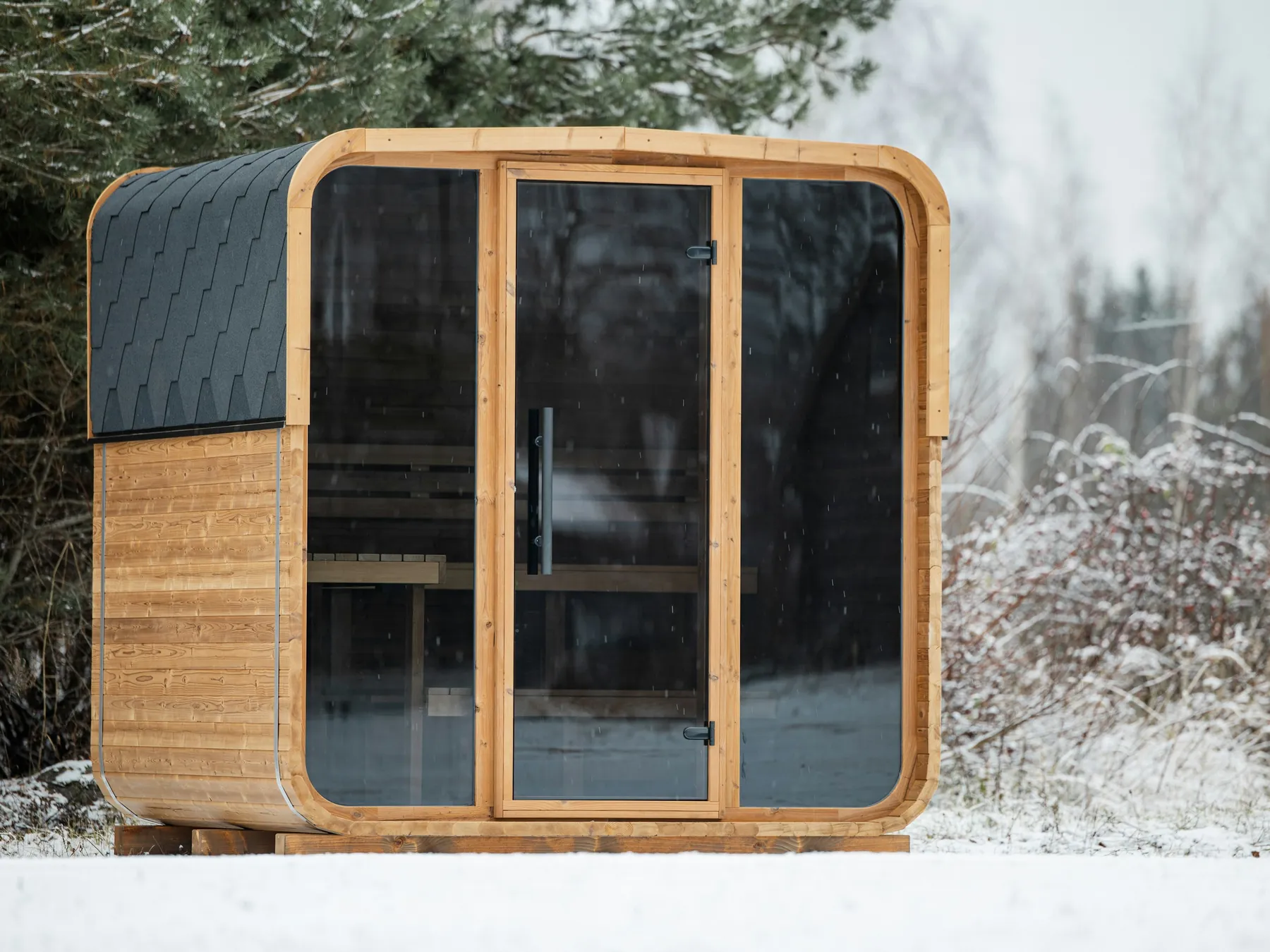
- Helsinki became the capital in 1812.
- Its location was closer to St. Petersburg than the former capital Turku.
- Finnish nationalism grew during the 19th century.
- The epic Kalevala became an important cultural symbol.
- Elias Lönnrot compiled the Kalevala from oral poetry traditions.
- Finnish language gained greater public status.
- Russian attempts to tighten control triggered resistance.
- The Russian Revolution created an opening for independence.
- Finland declared independence on December 6, 1917.
Independence was immediately difficult
- Finland entered a civil war in 1918 soon after independence.
- The conflict was fought mainly between Reds and Whites.
- The Whites won with German assistance.
- The war left deep political and social wounds.
- Finland developed as a republic.
- The Soviet Union invaded Finland in 1939.
- The conflict became known as the Winter War.
- Finnish forces resisted a much larger Soviet military.
- Finland ultimately ceded territory in the 1940 peace settlement.
- War resumed during the Continuation War from 1941 to 1944.
- Finland fought the Soviet Union while cooperating militarily with Germany.
- Finland later fought German troops in the Lapland War.
- Postwar Finland paid substantial reparations to the Soviet Union.
- It maintained democracy while carefully managing relations with its powerful eastern neighbor.
- The 20th century transformed Finland from a poor agrarian country into a prosperous industrial and technological society.
Sauna is ordinary life
- Sauna is a Finnish word.
- Finland has millions of saunas.
- There are enough saunas for a remarkably large share of the population to use one at the same time.
- Saunas exist in homes, apartment buildings, offices, cottages, sports facilities, and public bathhouses.
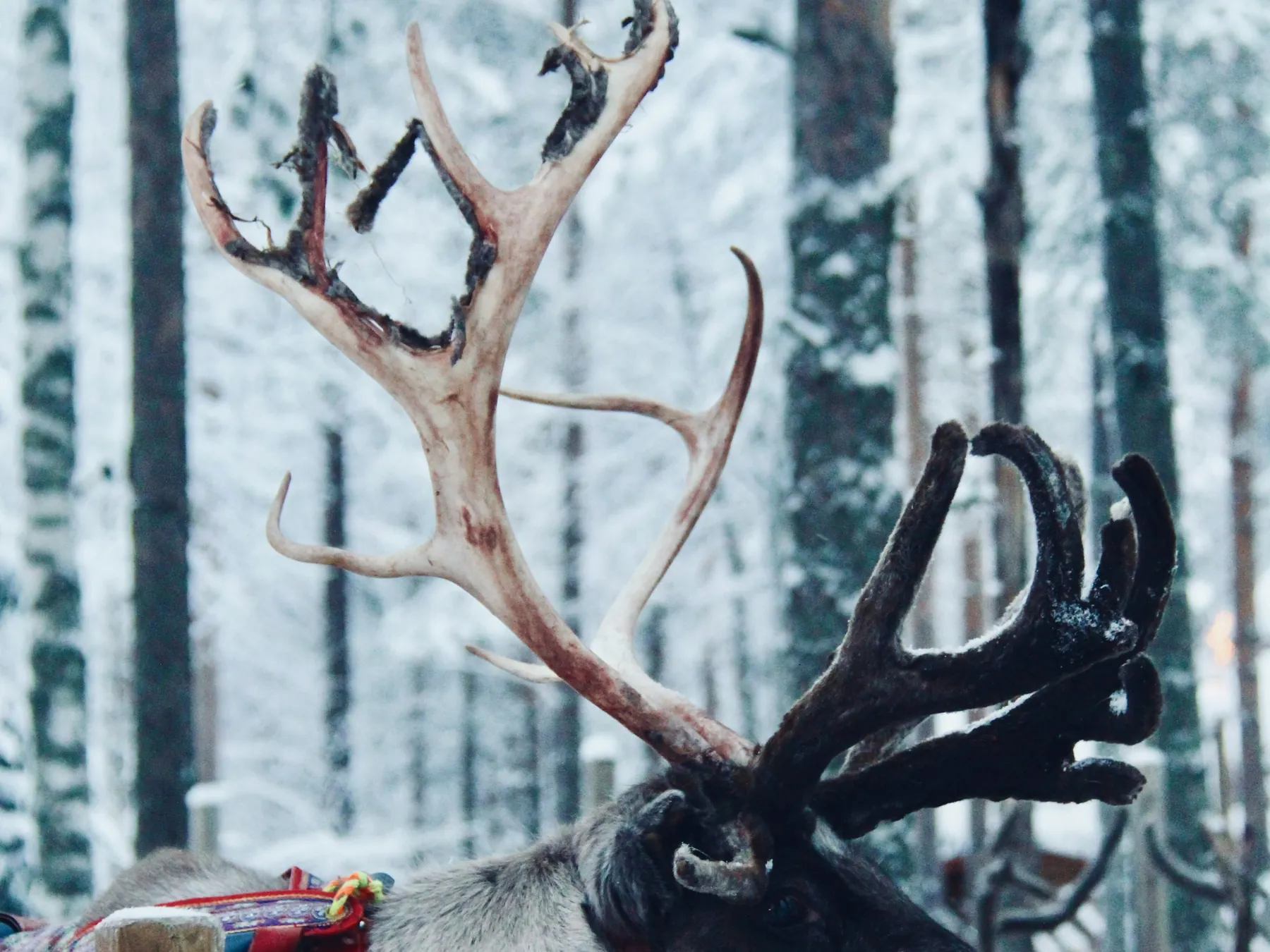
- A traditional sauna heats stones on a stove.
- Water is thrown onto hot stones to create a burst of steam.
- The Finnish word for that steam and heat sensation is löyly.
- Sauna temperatures can be extremely hot.
- Humidity is usually lower than in a steam room except immediately after water is thrown.
- People commonly alternate sauna with cooling breaks.
- At cottages, that can include swimming in a lake.
- Winter swimmers may enter icy water between sauna sessions.
- Sauna historically served functions beyond recreation.
- Clean warm sauna spaces were once used for childbirth and washing.
- Finnish sauna culture was added to UNESCO’s Representative List of the Intangible Cultural Heritage of Humanity in 2020.
Midnight sun and northern lights
- Northern Finland extends above the Arctic Circle.
- Summer brings extremely long daylight.
- In the far north, the sun remains above the horizon for weeks.
- This is the midnight sun.
- Winter brings polar night in the far north.
- The sun can remain below the horizon for weeks.
- Polar night still includes twilight.
- Snow reflects available light and can brighten winter landscapes.
- The aurora borealis is frequently visible in Finnish Lapland.
- Auroras occur when charged particles interact with Earth’s magnetic field and upper atmosphere.
- They are not produced by cold temperature.
- Clear dark skies are essential for viewing.
- Clouds can hide auroras even during strong geomagnetic activity.
- Southern Finland also sees auroras during sufficiently strong events.
- Seasonal light extremes shape tourism, sleep, architecture, work routines, and cultural traditions.
Nokia and Finnish technology
- Nokia began in the 19th century rather than as a phone company.
- Its roots include a pulp mill founded by Fredrik Idestam.
- The company name comes from the town of Nokia.
- Nokia later operated in industries including rubber, cables, electronics, and telecommunications.
- It became one of the world’s dominant mobile-phone companies during the 1990s and early 2000s.
- The Nokia 3310 became famous for durability and long battery life.
- Snake became an iconic mobile game.
- Finland also produced the Linux operating-system kernel’s creator, Linus Torvalds.
- Torvalds began Linux while studying at the University of Helsinki.
- Angry Birds was created by Finnish company Rovio.
- Clash of Clans was created by Helsinki-based Supercell.
- Finland developed a strong game-development industry.
- Text messaging and mobile culture became especially important during Nokia’s peak years.
- Nokia’s phone business later lost market dominance during the smartphone transition.
- The Nokia corporation continues today primarily in telecommunications infrastructure and technology rather than as the consumer-phone giant many people remember.
Fika’s Finnish cousin is coffee, lots of it
- Finland consistently ranks among the world’s highest coffee-consuming countries per person.
- Light-roast filter coffee is especially common.
- Workplace coffee breaks are culturally important.
- Pullakahvi pairs coffee with sweet cardamom bread or buns.
- Korvapuusti is a Finnish cinnamon roll flavored with cardamom.
- Rye bread is a staple food.
- Finnish rye breads can be dense and sour.
- Karjalanpiirakka, or Karelian pasties, are thin rye pastries with rice or other fillings.
- They are often served with egg butter.
- Salmiakki is salty licorice flavored with ammonium chloride.
- Its intense flavor surprises many visitors.
- Cloudberries grow in northern bogs and are prized for desserts and preserves.
- Bilberries resemble blueberries but have dark-colored flesh.
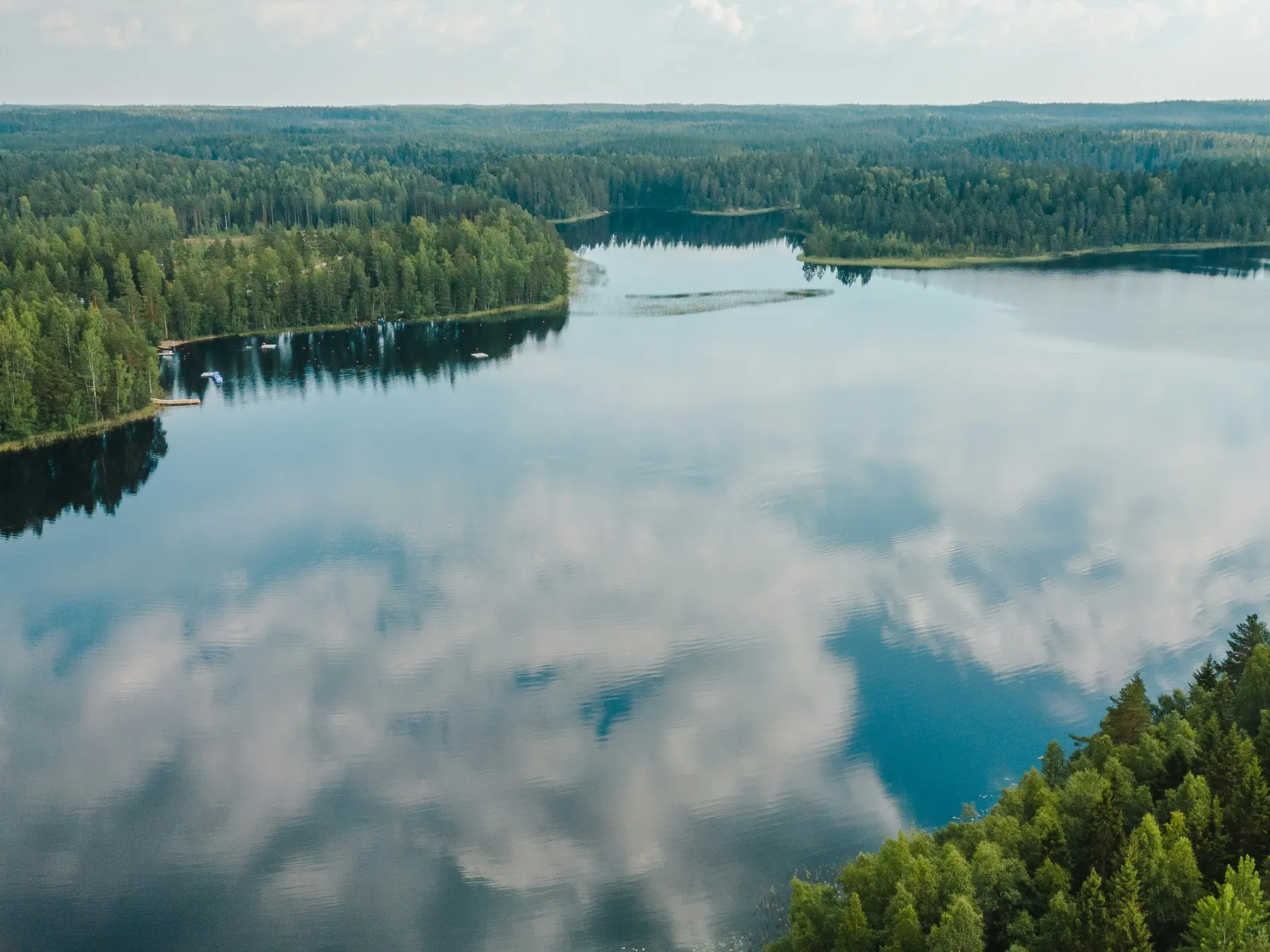
- Reindeer meat is part of northern food traditions.
- Finnish cuisine reflects forests, lakes, cold climate, eastern and western influences, and a strong preservation tradition.
Ten surprising Finland facts
- Finland’s “thousand lakes” nickname undersells the country by roughly two orders of magnitude.
- Finnish is not a Scandinavian Germanic language.
- The same Finnish pronoun can mean he or she.
- Finland was part of Sweden and later an autonomous grand duchy within Russia.
- It declared independence in 1917.
- Finnish sauna culture is recognized by UNESCO as intangible cultural heritage.
- Nokia started with industrial roots that had nothing to do with mobile phones.
- Linux was started by a Finnish university student.
- Finland joined NATO in 2023 after decades of military nonalignment.
- For more Nordic trivia, explore our Sweden facts, Norway facts, and Denmark facts.
Quick Finland FAQ
What is the capital of Finland?
Helsinki, on the country’s southern coast along the Gulf of Finland.
How many lakes does Finland have?
About 188,000 by a commonly used official counting threshold, although totals vary with definitions.
Is Finnish related to Swedish?
Not closely. Finnish is Uralic, while Swedish is a North Germanic Indo-European language.
When did Finland become independent?
Finland declared independence from Russia on December 6, 1917.
Is sauna really Finnish?
Yes. The word sauna is Finnish, the practice is deeply embedded in everyday Finnish life, and Finnish sauna culture is recognized by UNESCO.

Ellie is the owner and sole author of Fun Facts, combining her mechanical engineering background with years of research-driven writing to deliver facts you can trust. Every article is thoroughly fact-checked and routinely updated as new science and sources emerge to keep information accurate and current. Her mission is to make learning delightful while upholding high standards of reliability and transparency.