
Waffles are pancakes that discovered architecture. Pour similar batter into a patterned iron and suddenly you get crisp ridges, soft pockets, extra browning, and dozens of tiny syrup reservoirs designed with suspicious efficiency.
Waffles are defined by the iron that shapes them
- Waffles are cooked between two patterned hot plates.
- The patterned plates are called a waffle iron.
- The familiar grid creates ridges and pockets.
- Those pockets hold syrup, butter, fruit, or sauce.
- Waffles can be sweet or savory.
- They can be yeast-leavened or chemically leavened.
- Some waffle batters resemble pancake batter closely.
- Others contain more fat or sugar.
- Higher fat encourages crispness.
- Sugar promotes browning.
- Eggs add structure and richness.
- Milk adds moisture and proteins.
- Flour supplies starch and gluten-forming proteins.
- Salt sharpens flavor.
- Vanilla is common in sweet waffles.
- The iron cooks both sides at once.
- This makes waffles faster to brown evenly than thick griddle cakes.
- Steam escapes through the grid channels.
- Escaping steam helps the exterior crisp.
- A waffle iron is basically a tiny two-sided oven with built-in syrup engineering.
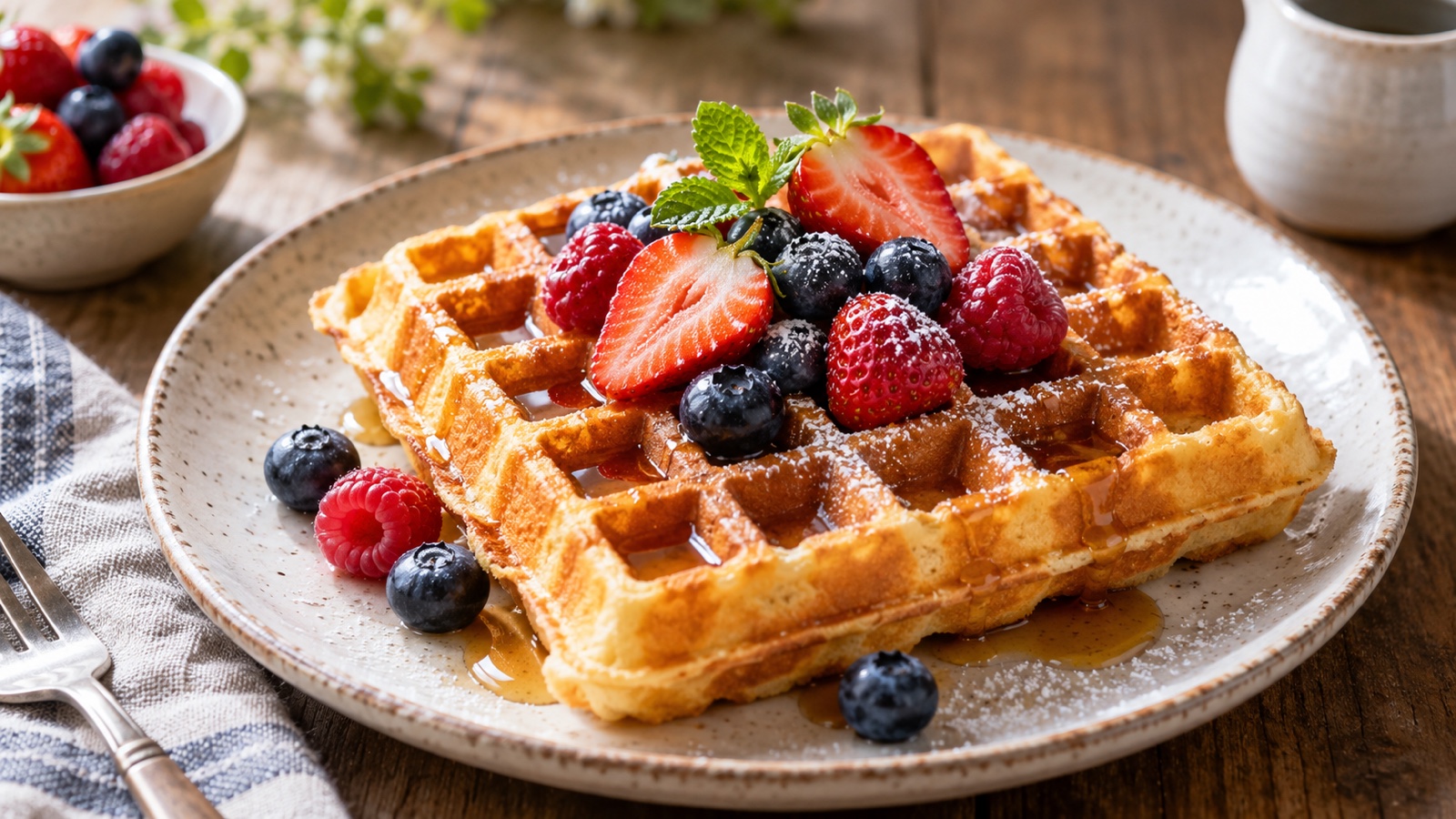
Waffle irons have been used for centuries
- Medieval Europeans cooked wafer-like cakes between metal plates.
- Early irons were held over open fires.
- Some irons were engraved with coats of arms or religious designs.
- The grid pattern became common over time.
- Dutch settlers helped bring waffle traditions to North America.
- The English word waffle is related to Dutch wafel.
- Thomas Jefferson owned waffle irons.
- Waffles became fashionable at American gatherings in the early republic.
- Waffle frolics were social events built around serving waffles.
- Stovetop irons remained common before electric appliances.
- The first U.S. waffle-iron patent was issued in the 19th century.
- Electric waffle irons appeared in the early 20th century.
- Electric heat made temperature more consistent.
- Home waffle makers became common kitchen appliances.
- Restaurant waffle irons are designed for repeated high-volume use.
- Rotating Belgian-style irons spread batter more evenly.
- Nonstick coatings made release easier.
- Removable plates simplify cleaning on some machines.
- Modern irons can include timers and browning controls.
- The waffle has survived open flames, cast iron, electric coils, nonstick coatings, and smart appliances without giving up the grid.
Belgian waffles are not one single recipe
- Belgium has several regional waffle traditions.
- Brussels waffles are light and rectangular.
- They traditionally have deep square pockets.
- Liege waffles are denser and sweeter.
- Liege dough resembles enriched bread dough.
- Pearl sugar is folded into Liege waffles.
- The sugar partially melts and caramelizes during cooking.
- Liege waffles are often eaten without syrup.
- Brussels waffles are commonly topped after cooking.
- The term Belgian waffle became especially popular in the United States after the 1964 New York World's Fair.
- American Belgian waffles are usually thick and deep-pocketed.
- They are often baking-powder leavened rather than yeast-leavened.
- Restaurant Belgian waffles are commonly served with fruit and whipped cream.
- Belgian waffles can be round or rectangular in the United States.
- Authentic Belgian styles vary far beyond one hotel-breakfast format.
- Yeast adds fermented flavor.
- Whipped egg whites can make batters lighter.
- Resting yeast batter allows gas production before cooking.
- Overnight waffle batter can develop deeper flavor.
- Belgium did not invent one universal “Belgian waffle.” It gave the world several good reasons to argue about which one you meant.
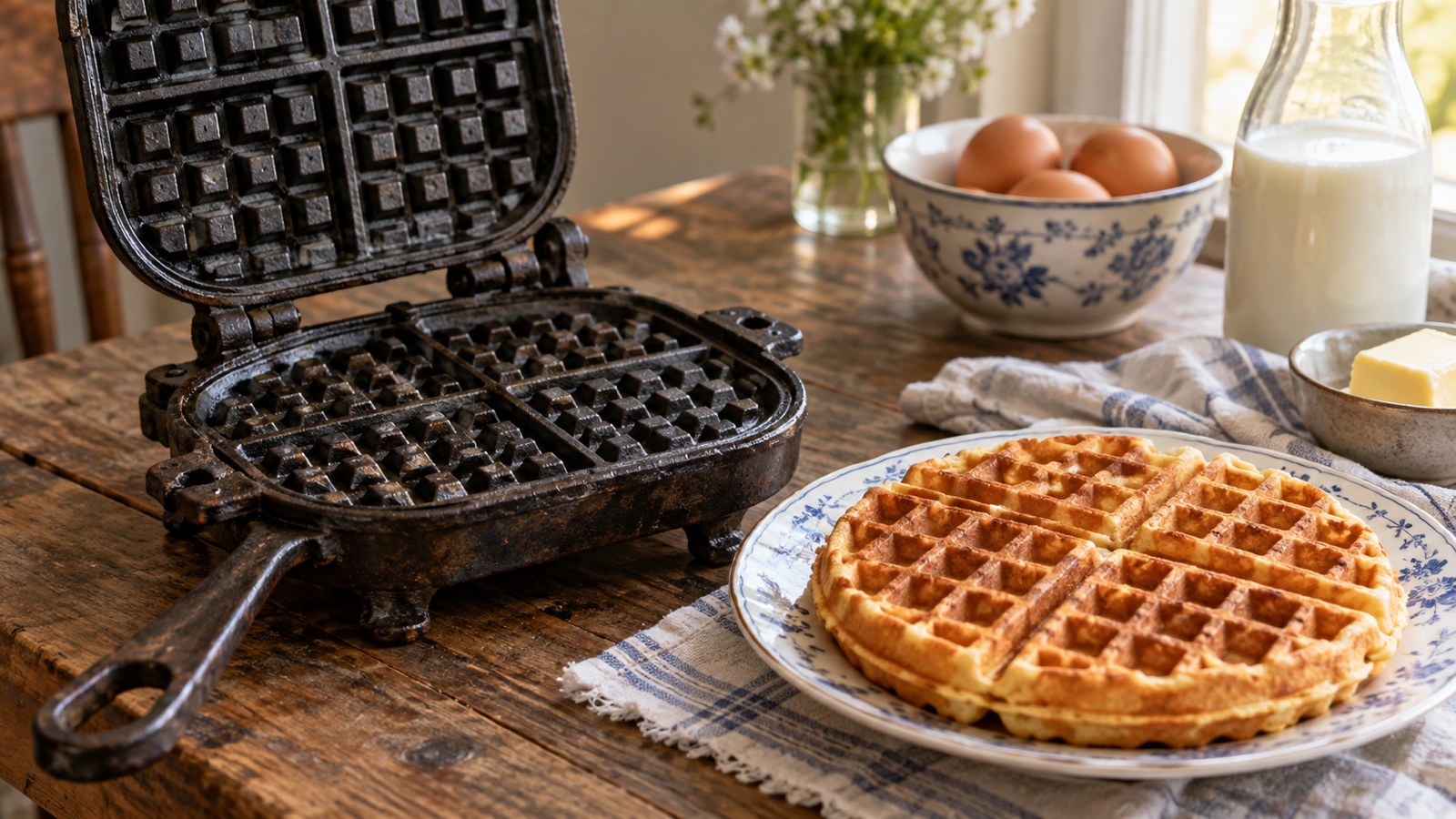
Crisp waffles depend on moisture and browning
- Crispness requires a relatively dry outer surface.
- Steam must escape during cooking.
- Opening the iron too early releases structure before it sets.
- Many irons signal readiness when steam output drops.
- The Maillard reaction creates browned flavors.
- Caramelization contributes when sugar is abundant.
- Fat helps conduct heat at the surface.
- Too much liquid can make waffles soft.
- Stacking hot waffles traps steam.
- Trapped steam softens crisp crusts.
- A wire rack preserves crispness better than a plate.
- A low oven keeps batches warm.
- Single-layer oven holding prevents sogginess.
- Cornstarch can increase crispness in some recipes.
- Replacing part of wheat flour with cornstarch lowers gluten development.
- Whipped egg whites can lighten interiors.
- Separated eggs are optional, not mandatory.
- Buttermilk adds acidity and flavor.
- Baking soda reacts with buttermilk acid.
- The perfect waffle is basically a moisture-management problem disguised as breakfast.
Waffles work far beyond breakfast
- Chicken and waffles combine savory fried chicken with waffles.
- The dish has several historical roots in American food culture.
- Soul-food versions became especially influential.
- Pennsylvania Dutch traditions also paired waffles with savory chicken preparations.
- Waffle sandwiches use the grid cakes in place of bread.
- Cheese can be cooked directly into savory batter.
- Herbs work well in savory waffles.
- Cornmeal creates a heartier texture.
- Potato waffles are popular in parts of Europe.
- Hash-brown mixtures can be cooked in waffle irons.
- Brownie batter can also be waffle-cooked.
- Cinnamon-roll dough can be pressed in a waffle iron.
- Leftover stuffing can become savory waffles.
- Pizza dough can be waffle-cooked.
- Waffle cones use a thin crisp batter.
- They are rolled while still hot and flexible.
- Bubble waffles from Hong Kong use rounded pockets instead of square ones.
- Stroopwafels sandwich syrup between thin waffle cookies.
- Waffle cookies can be crisp rather than cakey.
- The waffle iron is less a one-food appliance and more a patterned heat press people keep finding new reasons to use.
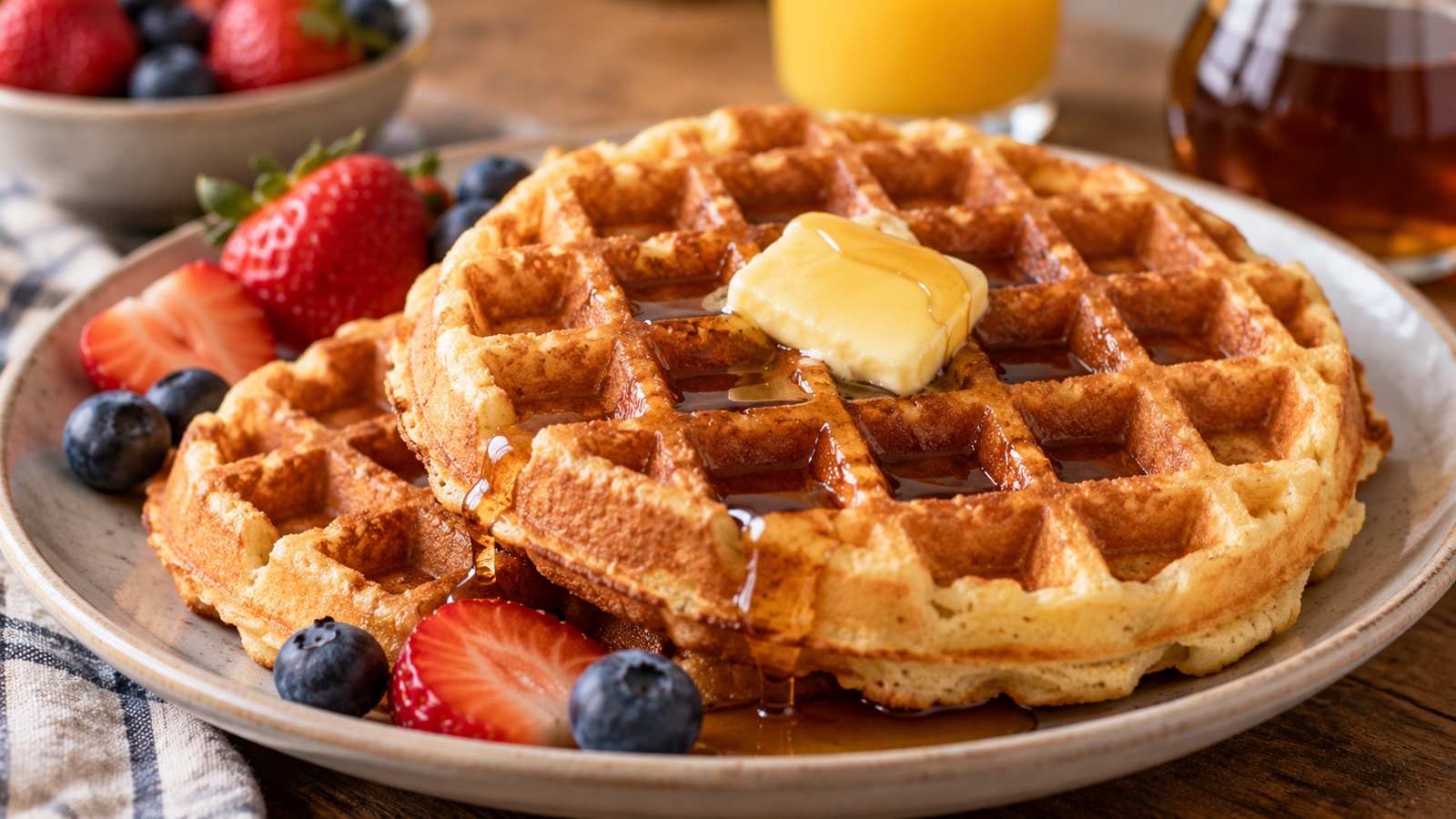
Frozen waffles changed weekday breakfast
- Frozen waffles became commercially important in the mid-20th century.
- Eggo began as a frozen waffle brand in California.
- The company originally sold under another name before becoming Eggo.
- Toasters made reheating frozen waffles convenient.
- Frozen waffles are fully cooked before packaging.
- Home toasting mainly reheats and crisps them.
- Different brands vary in sugar, fat, and fiber.
- Whole-grain frozen waffles are widely available.
- Protein-enriched varieties are also common.
- Gluten-free waffles can use rice, oat, corn, or other flours.
- Frozen waffles can be reheated in ovens.
- Air fryers make them especially crisp.
- Microwaves soften rather than crisp them.
- Freezer burn can dry exposed waffles.
- Sealed packaging reduces moisture loss.
- Homemade waffles also freeze well.
- Cooling before freezing reduces trapped condensation.
- Separating layers prevents sticking.
- Toaster reheating works best for moderately thin homemade waffles.
- Frozen waffles turned a special griddle breakfast into something achievable while half-awake on a Tuesday.
Toppings, nutrition and 25 final waffle facts
- Maple syrup is a classic waffle topping.
- Honey also works because waffle pockets trap viscous liquids.
- Fresh berries add acidity.
- Bananas add sweetness and softness.
- Nut butters add protein and fat.
- Yogurt adds tang.
- Whipped cream adds air and richness.
- Ice cream turns waffles into dessert immediately.
- Powdered sugar highlights the grid visually.
- Fruit compote fills pockets especially well.
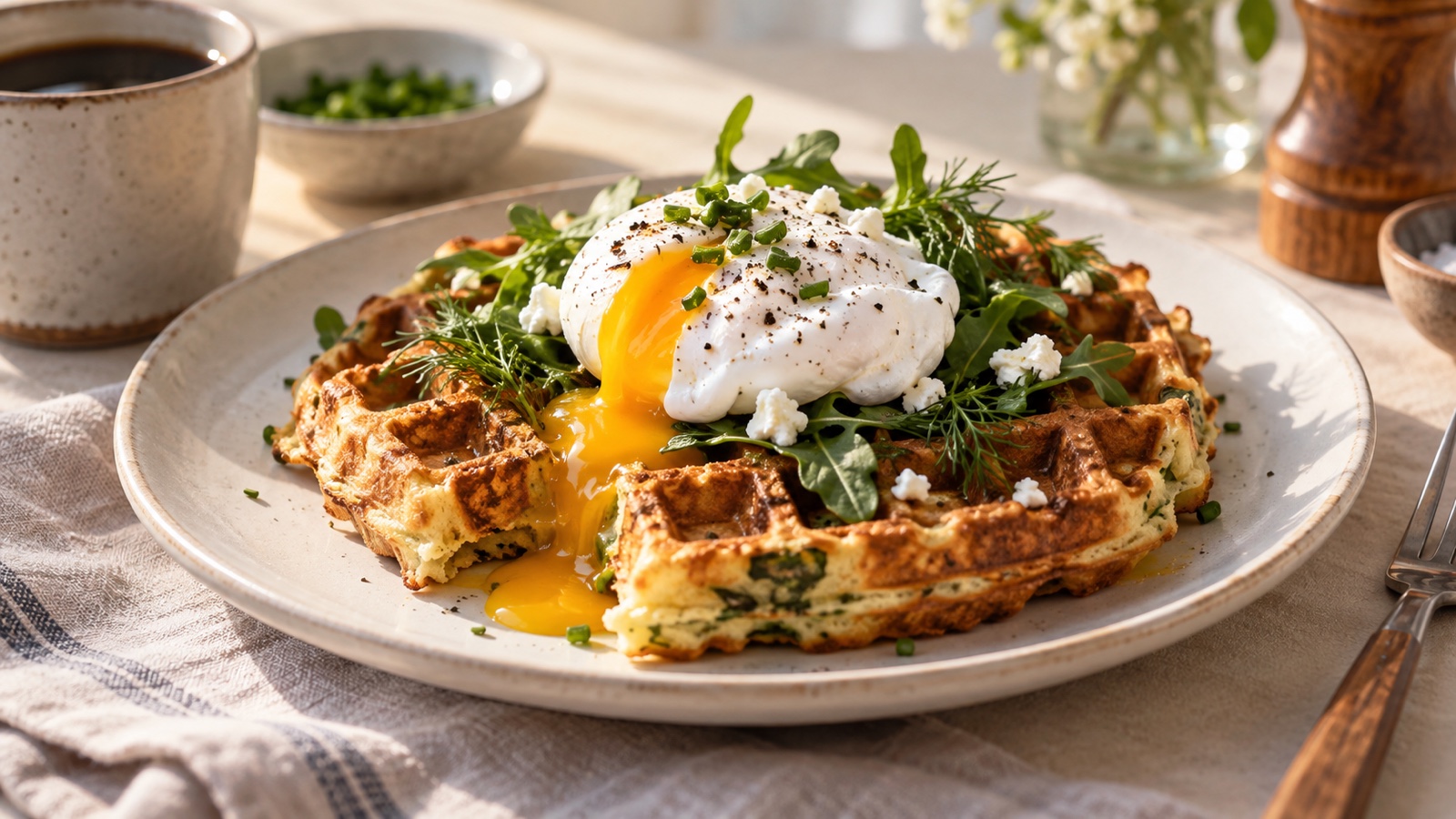
- Savory waffles can hold eggs.
- Smoked salmon pairs with herb waffles.
- Hot sauce works with chicken and waffles.
- Waffle nutrition depends almost entirely on batter and toppings.
- Whole grains increase fiber.
- Added syrup can exceed the sugar in the waffle itself.
- Butter increases saturated fat.
- Eggs and dairy increase protein.
- Plant milks can replace dairy in many recipes.
- Vegan waffles can use flax, starch, or commercial egg replacers.
- Gluten-free batter often benefits from binders.
- Waffle irons should preheat fully for even browning.
- Overfilling batter creates dramatic countertop consequences.
- Underfilling creates incomplete grids.
- After 145 facts, waffles feel less like pancakes with squares and more like a centuries-old exercise in heat transfer, texture, geometry, and strategic syrup storage.

Ellie is the owner and sole author of Fun Facts, combining her mechanical engineering background with years of research-driven writing to deliver facts you can trust. Every article is thoroughly fact-checked and routinely updated as new science and sources emerge to keep information accurate and current. Her mission is to make learning delightful while upholding high standards of reliability and transparency.