
Apple cider is what happens when apples stop being a lunchbox fruit and start dressing for fall. I love that one drink can be cold, steaming, spiced, sparkling, fermented, frozen into dessert, or reduced into syrup without losing its unmistakably apple personality.
What apple cider actually is
- In the United States, “apple cider” usually means an unfiltered apple beverage that may be nonalcoholic.
- Alcoholic cider is commonly called hard cider in the United States.
- In many other English-speaking countries, “cider” normally means the alcoholic drink.
- American apple juice is generally more filtered and clear than traditional fresh cider.
- Cider often contains tiny suspended apple solids that give it a cloudy appearance.
- The natural color can range from pale gold to deep amber.
- Different apple varieties can make cider taste dramatically different.
- Sweetness comes largely from natural sugars in the fruit.
- Acidity gives cider brightness and keeps sweetness from tasting flat.
- Tannins can add bitterness, dryness, and astringency.
- Many excellent ciders are blends rather than the juice of one apple variety.
- Blending lets a cidermaker balance sugar, acid, aroma, and tannin.
- Fresh cider can taste different from week to week as orchard varieties change through harvest season.
- Apple cider is usually made from whole ripe apples rather than apple flavoring.
- The fruit is crushed or milled before pressing.
- Pressing separates liquid juice from most of the skins, seeds, stems, and pulp.
- The leftover pressed apple material is called pomace.
- Cider can be served chilled, room temperature, or hot.
- It can be plain or flavored with warming spices.
- And yes, I consider the smell of hot cider a legitimate home-fragrance strategy.
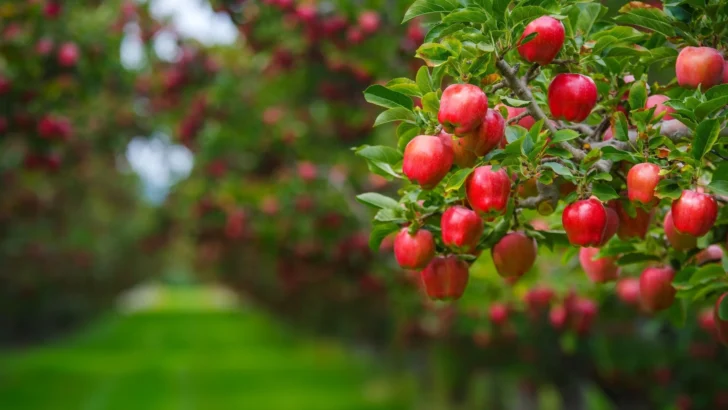
From orchard to cider press
A cider press is wonderfully straightforward machinery: make the apples smaller, squeeze them hard, collect the good stuff. The interesting part is how much flavor changes before the press is even involved.
- Apple harvest season varies by climate and variety.
- Early apples can ripen in summer, while many classic cider apples mature in fall.
- Ripe fruit generally contains more developed sugars and aromas than underripe fruit.
- Damaged or rotten apples can introduce unwanted flavors or microorganisms.
- Cidermakers sort fruit before processing for that reason.
- Apples are commonly washed before milling.
- A mill breaks apples into coarse pulp sometimes called pomace before pressing.
- Breaking the fruit exposes more juice-bearing tissue.
- Traditional rack-and-cloth presses stack layers of apple pulp between porous cloths or mats.
- Pressure forces juice out of those layers.
- Modern commercial presses can use hydraulic, belt, bladder, or other pressing systems.
- Press efficiency affects how much juice is recovered from a given amount of fruit.
- The remaining pomace still contains fiber and some moisture.
- Pomace can be composted or used in other agricultural applications where appropriate.
- Freshly pressed cider can foam because air and apple solids are mixed into the juice.
- Oxidation begins when cut apple tissue is exposed to oxygen.
- That same chemistry helps explain why sliced apples turn brown.
- Cider color can deepen as compounds in the juice oxidize.
- Commercial producers manage oxygen depending on the style they want.
- A gallon of cider requires far more than one or two apples, which is my reminder not to underestimate the orchard.
The apples behind the drink
- Not every great eating apple makes an equally interesting hard cider.
- Many cider-specific apples are prized for tannin or acidity rather than snackability.
- Traditional cider apples are sometimes grouped as sweet, sharp, bittersweet, or bittersharp.
- “Sweet” cider apples are relatively low in both tannin and acid.
- “Sharp” apples are valued for noticeable acidity.
- “Bittersweet” apples combine higher tannin with lower acidity.
- “Bittersharp” apples provide both tannin and acidity.
- Dessert apples can still make very good cider, especially in thoughtful blends.
- Crabapples can contribute strong acidity and tannin to a blend.
- Some cider varieties are small, firm, and unpleasantly tannic when eaten fresh.
- Those same qualities can become useful after fermentation and aging.
- Apple genetics create enormous variation in sweetness, aroma, texture, and acidity.
- Apples grown from seed are genetically different from the parent tree.
- Named apple varieties are usually propagated by grafting to preserve their traits.
- Historic cider orchards often contained varieties selected specifically for beverage making.
- Johnny Appleseed planted apple seedlings across parts of the early United States.
- Many seedling apples of that era were more useful for cider than for modern fresh-fruit markets.
- Modern grocery stores represent only a small fraction of the apple diversity that exists.
- Revived interest in craft cider has helped renew attention to heirloom cider varieties.
- My favorite cider fact may be that an apple too weird for the fruit bowl can be exactly right for the press.
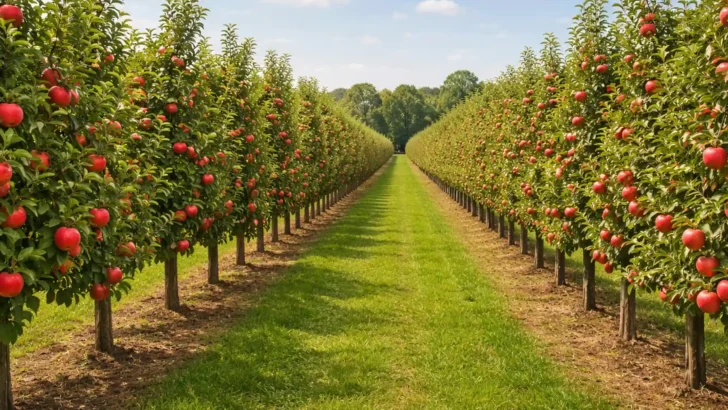
Fresh cider, safety & storage
Fresh-pressed cider feels rustic, but food safety still matters. Apples grow outdoors, fall to the ground, meet wildlife, soil, equipment, and human hands, so the safest jug is the one handled with modern sanitation in mind.
- Untreated cider can carry harmful microorganisms if contaminated fruit or equipment introduces them.
- Pasteurization uses heat to reduce disease-causing microorganisms.
- Some producers use approved ultraviolet treatment instead of traditional heat pasteurization.
- Commercially packaged cider should be handled according to its label directions.
- Refrigerated fresh cider should remain cold.
- Unpasteurized juice can pose greater risk to young children, older adults, pregnant people, and people with weakened immune systems.
- Freezing cider can extend storage life, although the container needs room for expansion.
- Frozen cider may separate slightly after thawing.
- Shaking or stirring can recombine some of those settled solids.
- Fresh cider naturally becomes more tart or fermented if yeasts begin consuming its sugars.
- That uncontrolled change is not the same as carefully producing hard cider.
- Intentional fermentation requires sanitation and controlled conditions.
- Fresh sweet cider can be heated for a hot drink without fermenting it.
- Slow cookers are popular for keeping mulled cider warm at gatherings.
- Cider should not be left indefinitely in the food-safety temperature danger zone.
- A cinnamon stick adds flavor without making the drink inherently safer to store.
- Cloudiness is normal in many ciders and is not automatically a sign of spoilage.
- Unexpected pressure, off odors, mold, or leaking containers are reasons not to drink questionable cider.
- Apple sediment commonly settles to the bottom during storage.
- “Shake well” is basically cider’s way of admitting gravity has been working overnight.
Hard cider & fermentation
- Hard cider is produced when yeast ferments sugars in apple juice.
- Yeast converts fermentable sugars primarily into alcohol and carbon dioxide.
- A completely dry cider contains little residual fermentable sugar.
- A sweet hard cider retains or receives more sweetness.
- Fermentation can be started with cultured yeast or, in some traditional styles, naturally occurring microorganisms.
- Wild fermentation can create complex flavors but is less predictable.
- Temperature influences yeast activity and flavor development.
- Cooler fermentation is often used to preserve delicate fruit aromas.
- Hard cider can be still or sparkling.
- Carbonation may be produced naturally or added later.
- Bottle-conditioned cider develops carbonation through a controlled secondary fermentation in the bottle.
- Excess fermentable sugar in a sealed bottle can create dangerous pressure.
- That is why controlled cider making involves careful measurement and stable fermentation.
- Cider can be aged in stainless steel, glass, barrels, or other food-safe vessels.
- Oak aging can contribute vanilla, spice, toast, and tannin notes.
- Some cidermakers blend different batches after fermentation.
- Acid, tannin, sweetness, aroma, and carbonation all shape the final balance.
- Hard cider can range from bright and apple-forward to earthy, funky, or wine-like.
- Alcohol content varies significantly by style and producer.
- The best hard ciders remind me that apples have considerably more career options than juice boxes.
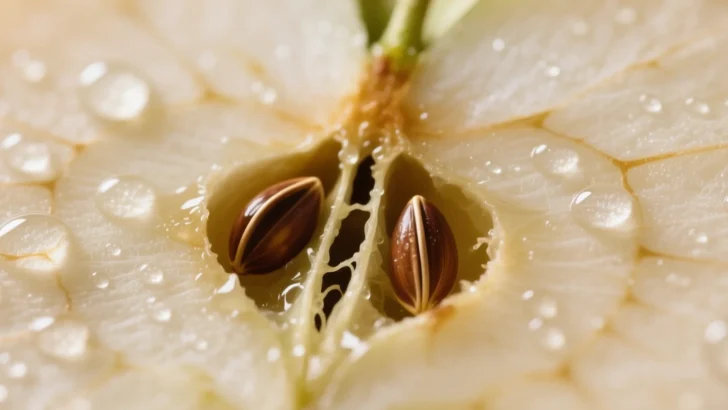
Cider history around the world
Cider is not an American invention, and it definitely did not begin with pumpkin-spice season. Apple-growing regions across Europe developed distinct cider traditions long before today’s taprooms and orchard tasting flights.
- Fermented apple drinks have been made in Europe for centuries.
- England developed one of the world’s strongest cider-drinking traditions.
- Western English counties are especially associated with traditional cider production.
- France has important cider traditions in Normandy and Brittany.
- French cider may be served with crepes and other regional foods.
- Traditional French cider can range from sweet to dry.
- Northern Spain also has famous cider cultures.
- Asturias is especially known for its dry natural cider, called sidra.
- Asturian cider is traditionally poured from high above the glass.
- The dramatic pour helps aerate a small serving before it is drunk.
- Spain’s Basque Country has its own long cider tradition.
- Traditional Basque cider houses are known as sagardotegiak.
- Early European colonists brought established cider-making habits to North America.
- Apples grew well in many colonial regions.
- Fermented cider became an important beverage in parts of colonial America.
- Cider could use apples that were too small, tart, or blemished for fresh eating.
- Changes in agriculture, urbanization, beverage preferences, and Prohibition reduced American cider production in the 20th century.
- Many old cider apple varieties became harder to find as orchards shifted toward fresh-market fruit.
- Craft cider expanded again in the United States in the late 20th and early 21st centuries.
- Modern American cidermakers now draw from both European traditions and local orchard experimentation.
Mulled cider, donuts & other fall favorites
- Mulled cider is cider heated with spices and sometimes citrus.
- Cinnamon is one of the most common mulling spices.
- Cloves, allspice, nutmeg, star anise, and ginger may also appear in recipes.
- Orange peel adds aromatic citrus oils to hot cider.
- Mulling spices are usually strained out before serving when loose spices are used.
- Apple cider donuts often use cider in the dough or batter.
- Reducing cider first can intensify apple flavor in baked goods.
- Cider donuts are strongly associated with fall orchard visits in the United States.
- Cinnamon sugar is a common coating for cider donuts.
- Apple cider can be reduced into a thick syrup.
- Cider syrup can be used on pancakes, oatmeal, ice cream, roasted vegetables, or meat glazes.
- Apple cider vinegar begins with fermented apple sugars that first become alcohol.
- Acetic acid bacteria then convert much of that alcohol into acetic acid.
- Vinegar is therefore a different end product from both sweet cider and hard cider.
- Ice cider is made by concentrating apple sugars through freezing.
- The style became especially associated with Quebec.
- Concentrated sweet juice ferments into a rich dessert-style cider.
- Cider can also be used in pan sauces, braises, salad dressings, and marinades.
- Sparkling nonalcoholic cider is a popular celebratory drink for people avoiding alcohol.
- A cider float pairs chilled cider with ice cream for a dessert that has absolutely no interest in subtlety.
- Hot cider can be garnished with apple slices, but fresh slices brown when exposed to air.
- Lemon juice can slow that browning by lowering pH and reducing oxidation.
- Whole spices generally infuse more cleanly than dumping powdered spice directly into a mug.
- Powdered cinnamon tends to float and clump because it does not dissolve well in water.
- After 145 facts, my only remaining cider expertise is knowing I want a donut with it.
Quick FAQ
Q: Is apple cider alcoholic?
A: In the United States, apple cider can mean a nonalcoholic fresh apple drink. Alcoholic cider is usually labeled hard cider.
Q: What is the difference between apple cider and apple juice?
A: American cider is usually less filtered and often cloudier, while commercial apple juice is generally clarified and more uniform.
Q: Can apple cider turn into alcohol?
A: Yes. Yeast can ferment the natural sugars into alcohol, but intentional hard-cider production should use sanitary, controlled methods.
Q: What spices go in mulled cider?
A: Cinnamon, cloves, allspice, nutmeg, ginger, star anise, and citrus peel are common choices.
Q: Why is cider cloudy?
A: Tiny suspended apple solids remain in less-filtered cider. That natural cloudiness is part of the traditional style.

Ellie is the owner and sole author of Fun Facts, combining her mechanical engineering background with years of research-driven writing to deliver facts you can trust. Every article is thoroughly fact-checked and routinely updated as new science and sources emerge to keep information accurate and current. Her mission is to make learning delightful while upholding high standards of reliability and transparency.