
Jaguars look like oversized leopards until you notice the heavier body, broader head, spotted rosettes with dots inside, love of water, and a bite powerful enough to pierce hard shells and skulls. They are the largest cats in the Americas and once ranged from Argentina deep into the United States. These 145 jaguar facts explore rosettes, black jaguars, swimming, hunting, bite force, cubs, rainforest habitats, wetlands, ancient cultures, territorial behavior, prey, conservation, wildlife corridors, and the differences between jaguars and other big cats.
Jaguar basics
- The jaguar’s scientific name is Panthera onca.
- It is the largest cat native to the Americas.
- Jaguars belong to the genus Panthera.
- The same genus includes lions, tigers, leopards, and snow leopards.
- Jaguars live mainly in Central and South America today.
- Small numbers occasionally occur in the southwestern United States.
- Brazil contains a large share of the remaining global population.
- The Amazon Basin is a major jaguar stronghold.
- The Pantanal is another exceptionally important habitat.
- Jaguars are carnivores.
- They are usually solitary.
- They are strong swimmers.
- Jaguars can climb trees.
- They are powerful ambush predators.
- The IUCN classifies the species as Near Threatened globally, while many local populations are declining or isolated.
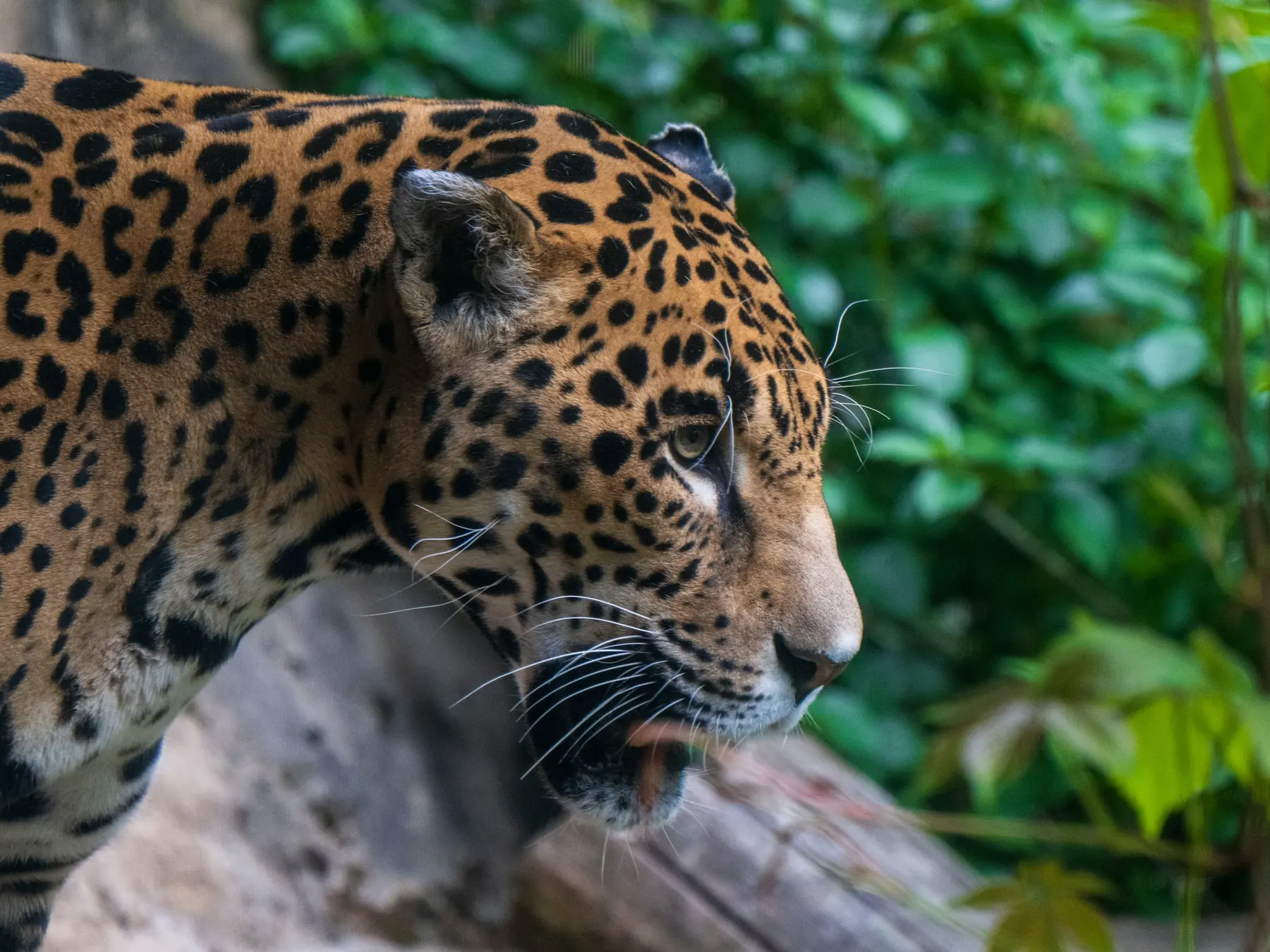
Jaguar rosettes have a clue inside
- Jaguar coats are covered in dark rosettes.
- Rosettes are ring-like groups of spots.
- Many jaguar rosettes contain one or more small spots in the center.
- That differs from typical leopard rosettes.
- Leopard rosettes usually lack central dots.
- Jaguars are also generally stockier than leopards.
- Their heads look broader.
- Their jaws are especially robust.
- Coat patterns vary among individuals.
- Researchers identify jaguars from unique rosette arrangements.
- Camera traps photograph both flanks when possible.
- Left and right coat patterns are not mirror images.
- Identification software can compare rosette patterns.
- Scientists use repeated photos to estimate population size and movement.
- A jaguar’s coat is therefore both camouflage and a natural identification card.
Black panthers can be jaguars
- Black panther is not a separate species.
- In the Americas, the term usually refers to a melanistic jaguar.
- Melanism creates very dark fur.
- Black jaguars still have rosettes.
- The pattern becomes visible under strong light.
- The melanistic trait is genetic.
- In jaguars, melanism behaves differently genetically than it does in leopards.
- Black jaguars and normally colored jaguars can occur in the same population.
- Melanism appears more common in some humid forest habitats.
- Dark coloration may provide camouflage under low forest light.
- Black jaguars are not a special more aggressive type.
- They can mate with ordinary golden jaguars.
- Cubs in one litter can potentially differ in coat coloration depending on parental genetics.
- Outside the Americas, black panther commonly refers to melanistic leopards instead.
- The word panther is therefore less precise than saying jaguar or leopard.
A remarkably powerful bite
- Jaguars have extremely powerful jaws for their body size.
- Their skull is broad and heavily muscled.
- They use a different killing technique from many other big cats.
- Lions and leopards often suffocate prey with a throat bite.
- Jaguars can bite through the skull or back of the head of some prey.
- They may pierce directly through the temporal bones of the skull.
- They also bite through turtle and tortoise shells.
- Armored reptiles can therefore become prey.
- Caimans are part of the diet in wetland regions.
- Jaguars attack capybaras.
- They also hunt peccaries, deer, fish, monkeys, birds, and many other animals.
- More than 80 prey species have been documented in jaguar diets.
- The exact diet changes by habitat.
- Powerful jaws let jaguars exploit prey other cats might avoid.
- A jaguar’s bite is an ecological tool shaped by the unusually armored and aquatic prey of the Americas.
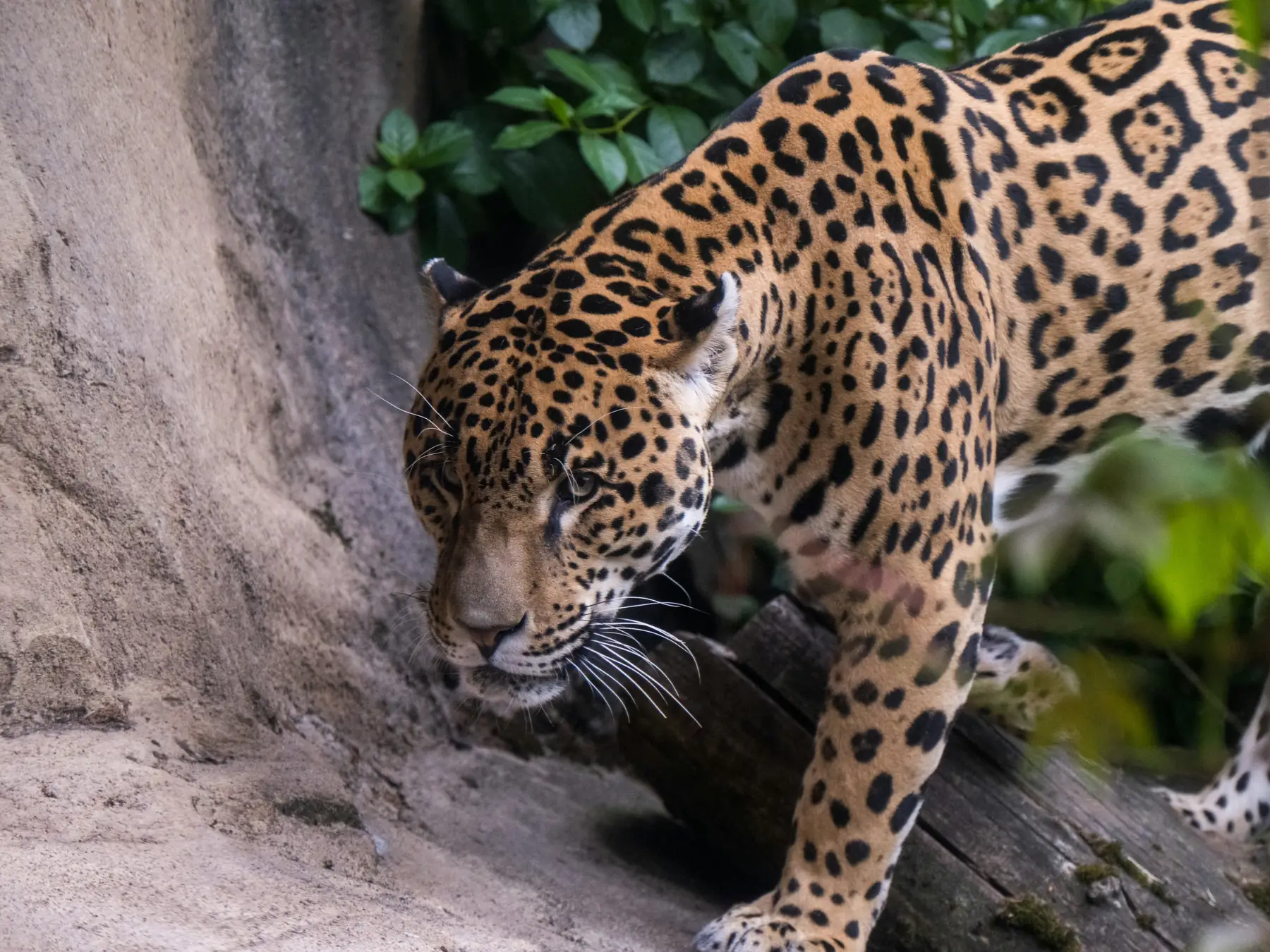
Jaguars love water more than most cats
- Jaguars are strong swimmers.
- They frequently cross rivers.
- They hunt along shorelines.
- Some enter water to pursue prey.
- The Pantanal’s seasonal wetlands provide ideal jaguar habitat.
- Jaguars there hunt caimans near riverbanks.
- They may drag prey out of water.
- Flood cycles concentrate animals along channels and dry areas.
- Jaguars also use riverbanks as travel corridors.
- Camera traps and boat surveys often detect them near water.
- Swimming helps individuals cross fragmented landscapes.
- Large rivers are not necessarily hard territorial barriers.
- Jaguars can cool themselves in water.
- The stereotype that all cats hate water clearly fails with this species.
- Wetland jaguars are among the most visible examples of a big cat adapted to an aquatic landscape.
Solitary but not disconnected
- Adult jaguars usually travel alone.
- Males maintain large home ranges.
- Those ranges can overlap several female ranges.
- Male-male overlap varies with habitat and population density.
- Jaguars mark territory with urine.
- They scrape the ground.
- They leave scent on trees and trails.
- They also vocalize.
- Jaguars can roar.
- Their loud calls help individuals communicate across distance.
- Males and females meet for mating.
- Mothers remain with cubs for extended periods.
- Camera traps reveal repeated use of roads, riverbanks, ridges, and forest trails.
- Neighboring cats can know one another through scent without meeting frequently.
- Solitary predators still live inside a landscape full of social information.
Jaguar cubs
- Female jaguars raise cubs alone.
- Pregnancy lasts roughly 100 days.
- Litters often contain one to four cubs.
- Two cubs are common.
- Newborn cubs are blind.
- Their eyes open after about two weeks.
- Mothers keep cubs hidden in dens.
- Young jaguars nurse on milk.
- They begin eating meat as they grow.
- Cubs follow their mother and learn to hunt.
- Play develops stalking and fighting skills.
- Young jaguars may remain with their mother for more than a year.
- They eventually disperse to find their own territories.
- Young males often travel farther than females.
- Successful dispersal depends on connected habitat between established populations.
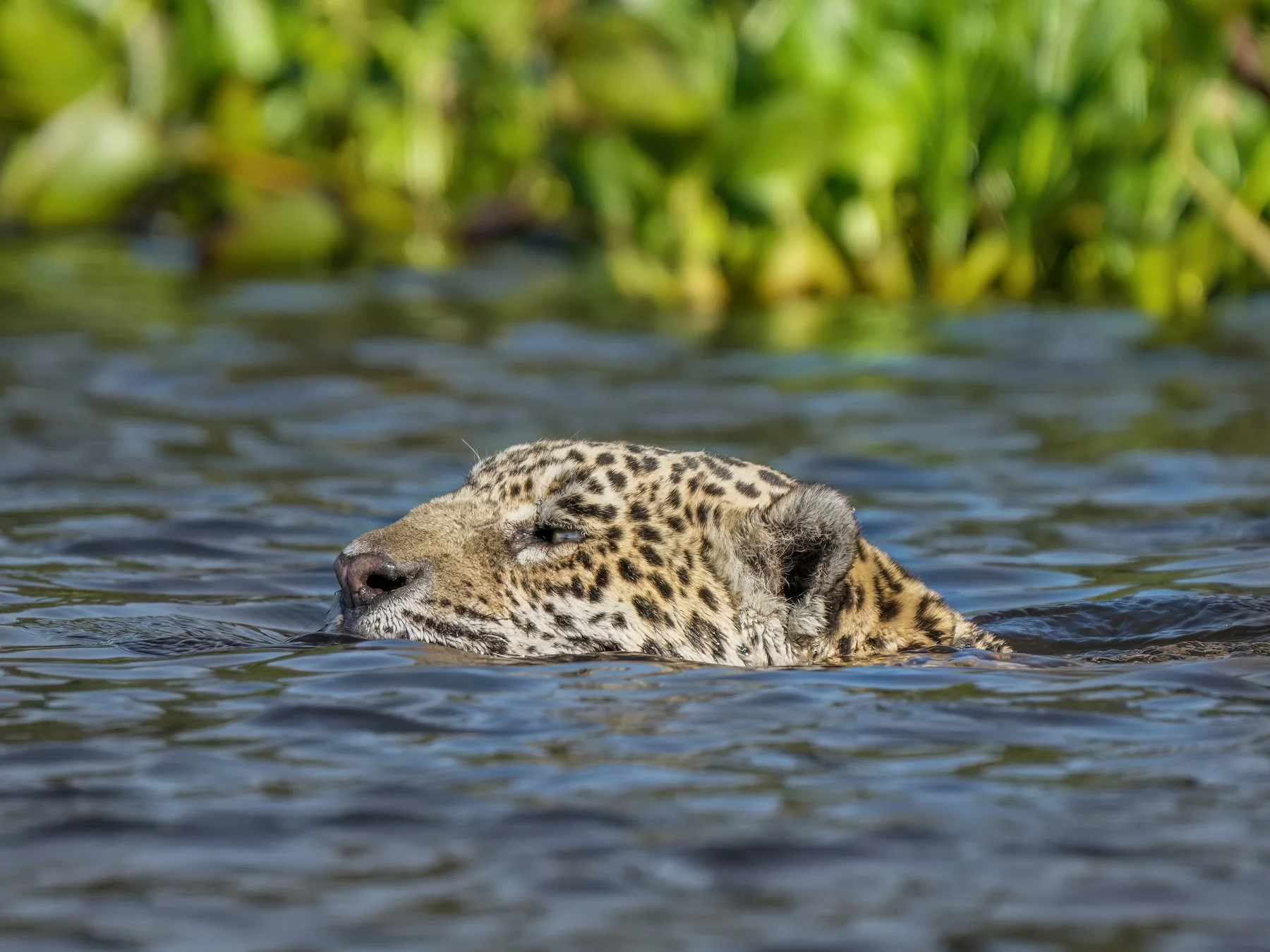
From the United States to Argentina
- Jaguars historically ranged from the southwestern United States to Argentina.
- Their northern range once extended much farther into the United States than it does today.
- Hunting and habitat loss eliminated breeding populations from the U.S.
- Individual male jaguars occasionally cross north from Mexico into Arizona.
- Remote cameras have documented them.
- Mexico remains crucial to northern jaguar conservation.
- Central American forests connect northern and southern populations.
- The Amazon contains enormous areas of habitat.
- The Pantanal supports unusually high jaguar densities.
- The Atlantic Forest retains fragmented populations.
- Jaguars also live in dry forests and savannas.
- They are not exclusively rainforest animals.
- Roads and agriculture fragment habitat.
- Wildlife corridors help maintain genetic movement between populations.
- A cat capable of crossing huge landscapes still cannot survive if every route between habitats disappears.
Jaguars in Indigenous American cultures
- Jaguars have held powerful symbolic roles in many Indigenous American cultures.
- Olmec art includes human-jaguar imagery.
- Maya rulers used jaguar symbolism.
- The animal was associated with power, night, the underworld, warfare, and rulership in different contexts.
- The Maya word balam means jaguar in several Mayan languages and appears in names and titles.
- Aztec elite warriors included a group commonly called jaguar warriors.
- They wore regalia associated with the animal.
- Amazonian cultures also developed jaguar stories and spiritual traditions.
- These traditions are not one universal “jaguar mythology.”
- Different peoples created distinct meanings.
- European colonization transformed both Indigenous societies and jaguar habitat.
- Jaguars remain culturally important across Latin America.
- Modern conservation programs often use the cat as a flagship species.
- Protecting jaguar habitat protects thousands of less famous species too.
- A predator can be ecologically important and culturally powerful at the same time.
Ten surprising jaguar facts
- Jaguars are the largest cats in the Americas.
- Black panthers in the Americas are usually melanistic jaguars.
- Black jaguars still have visible rosettes under the right light.
- Jaguar rosettes often contain central dots.
- They can bite through turtle shells and the skulls of some prey.
- Jaguars are excellent swimmers.
- They routinely hunt around rivers and wetlands.
- Wild male jaguars still occasionally cross from Mexico into Arizona.
- The jaguar has been a symbol of power in multiple Indigenous American cultures for thousands of years.
- For more spotted-cat trivia, explore our leopard facts and tiger facts.
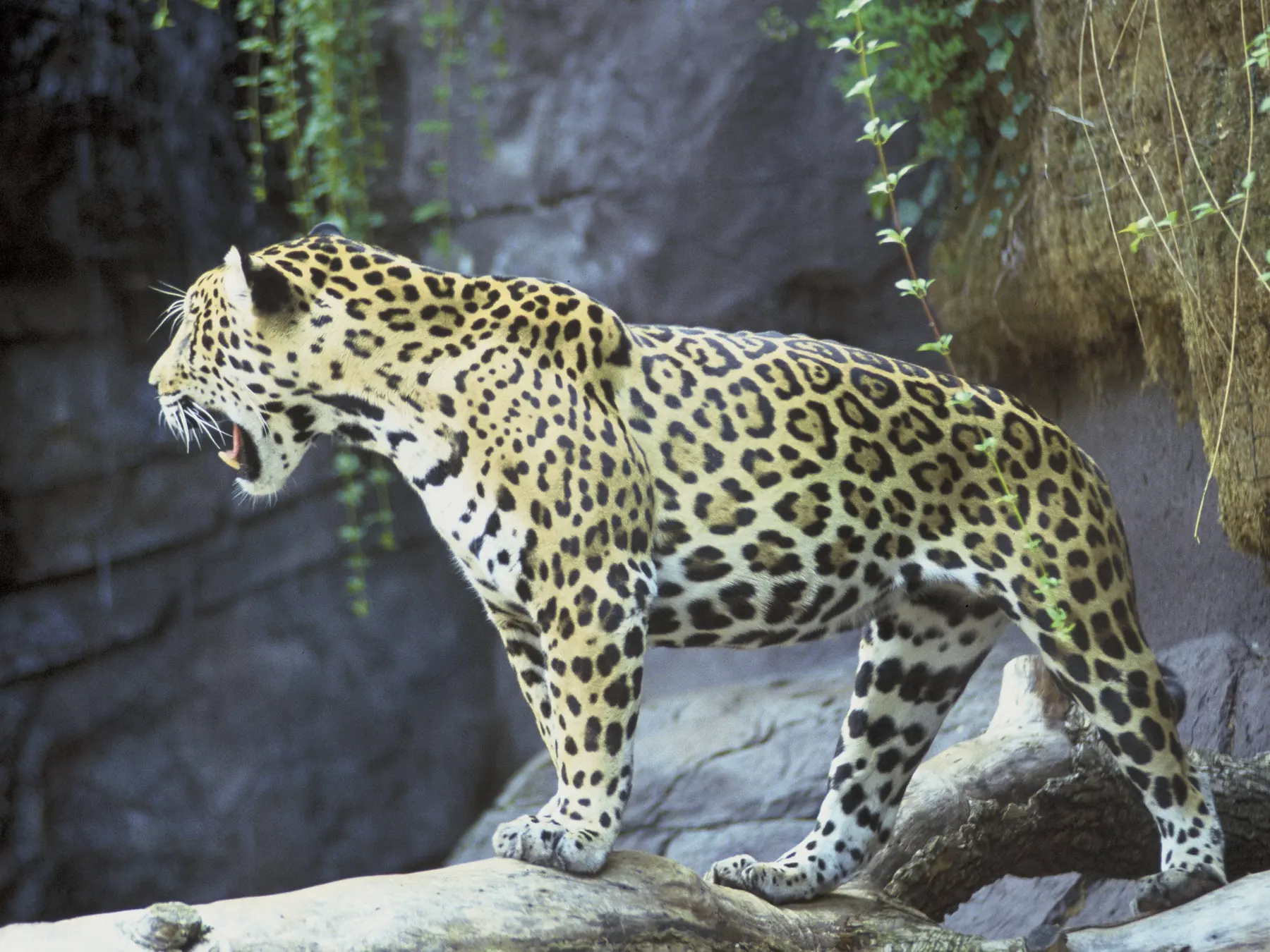
Quick jaguar FAQ
Where do jaguars live?
Mainly from Mexico through Central America and much of South America, with the largest strongholds in the Amazon and Pantanal.
What is the difference between a jaguar and leopard?
Jaguars are heavier-bodied American cats whose rosettes often contain central dots. Leopards are native to Africa and Asia and usually have smaller rosettes without those central spots.
Are black panthers jaguars?
In the Americas, yes, the term usually refers to melanistic jaguars. In Africa and Asia it usually refers to melanistic leopards.
Can jaguars swim?
Very well. They cross rivers, hunt along water, and can pursue aquatic or semi-aquatic prey.
Do jaguars live in the United States?
No breeding population is currently established, but individual male jaguars have repeatedly been documented crossing from Mexico into southern Arizona.

Ellie is the owner and sole author of Fun Facts, combining her mechanical engineering background with years of research-driven writing to deliver facts you can trust. Every article is thoroughly fact-checked and routinely updated as new science and sources emerge to keep information accurate and current. Her mission is to make learning delightful while upholding high standards of reliability and transparency.