
Apples look simple, but every crisp bite is the result of wild forests, bee pollination, careful grafting, centuries of selection, controlled-atmosphere storage, and some wonderfully strange plant genetics. A seed from your favorite apple probably will not grow the same variety. These 145 apple facts explore botany, orchards, famous cultivars, cider, nutrition, Johnny Appleseed, apple science, and why one fruit became a symbol of everything from teachers to technology.
Apple basics
- Domestic apples belong to the species Malus domestica.
- Apple trees are members of the rose family, Rosaceae.
- That makes apples relatives of pears, cherries, peaches, strawberries, and roses.
- An apple is a pome fruit.
- Pome fruits develop from a flower structure that includes tissue surrounding the ovary.
- The fleshy part people eat is not simply the ovary wall alone.
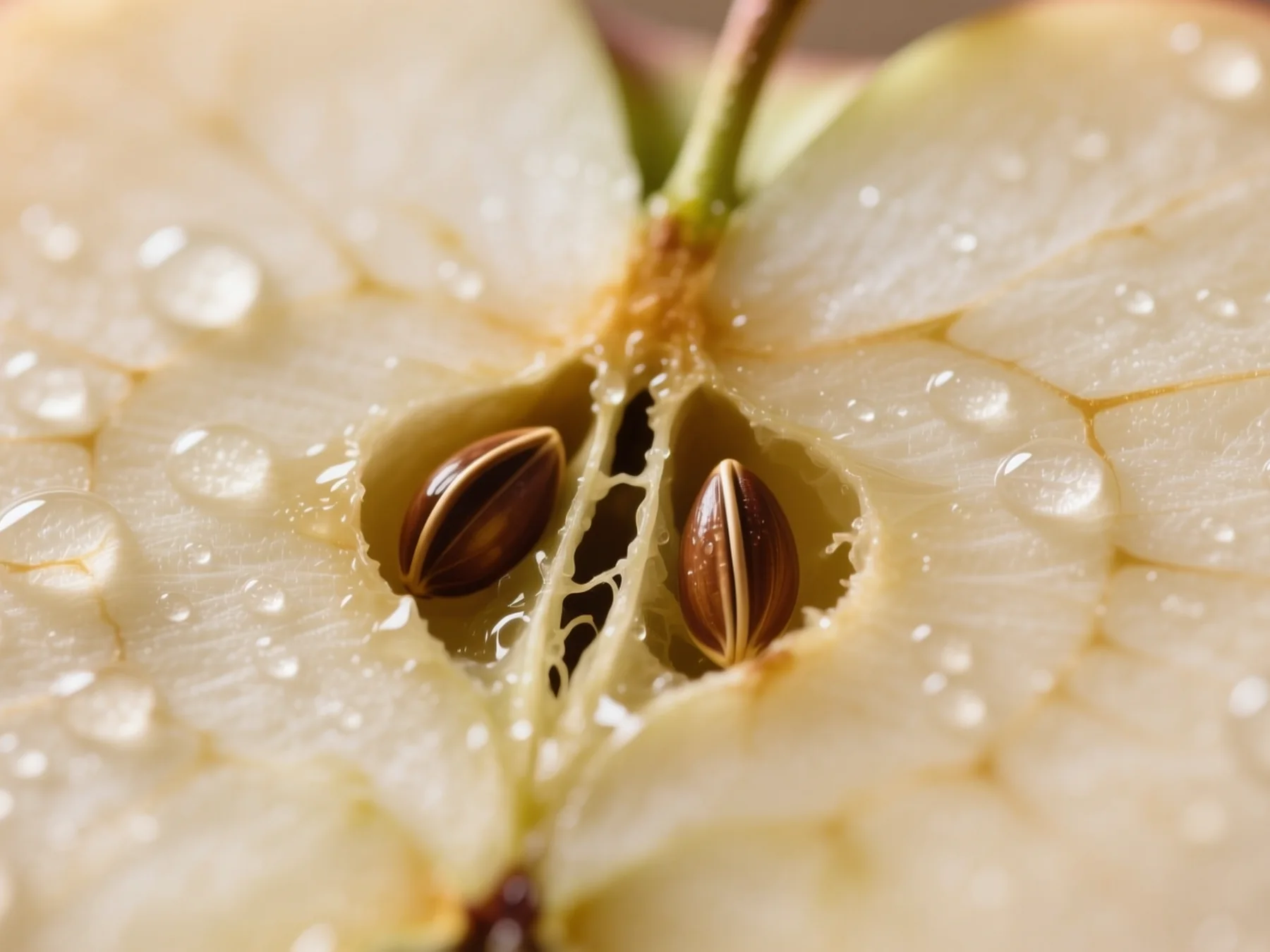
- The apple core contains chambers that hold the seeds.
- Most apples have five seed chambers called carpels.
- Each chamber can contain one or more seeds.
- Apple skin colors include red, pink, yellow, green, russet, and combinations of these.
- Apple flesh is usually cream or white but can be pink or red in some varieties.
- Thousands of named apple cultivars have been developed worldwide.
- Only a small fraction appear regularly in large supermarkets.
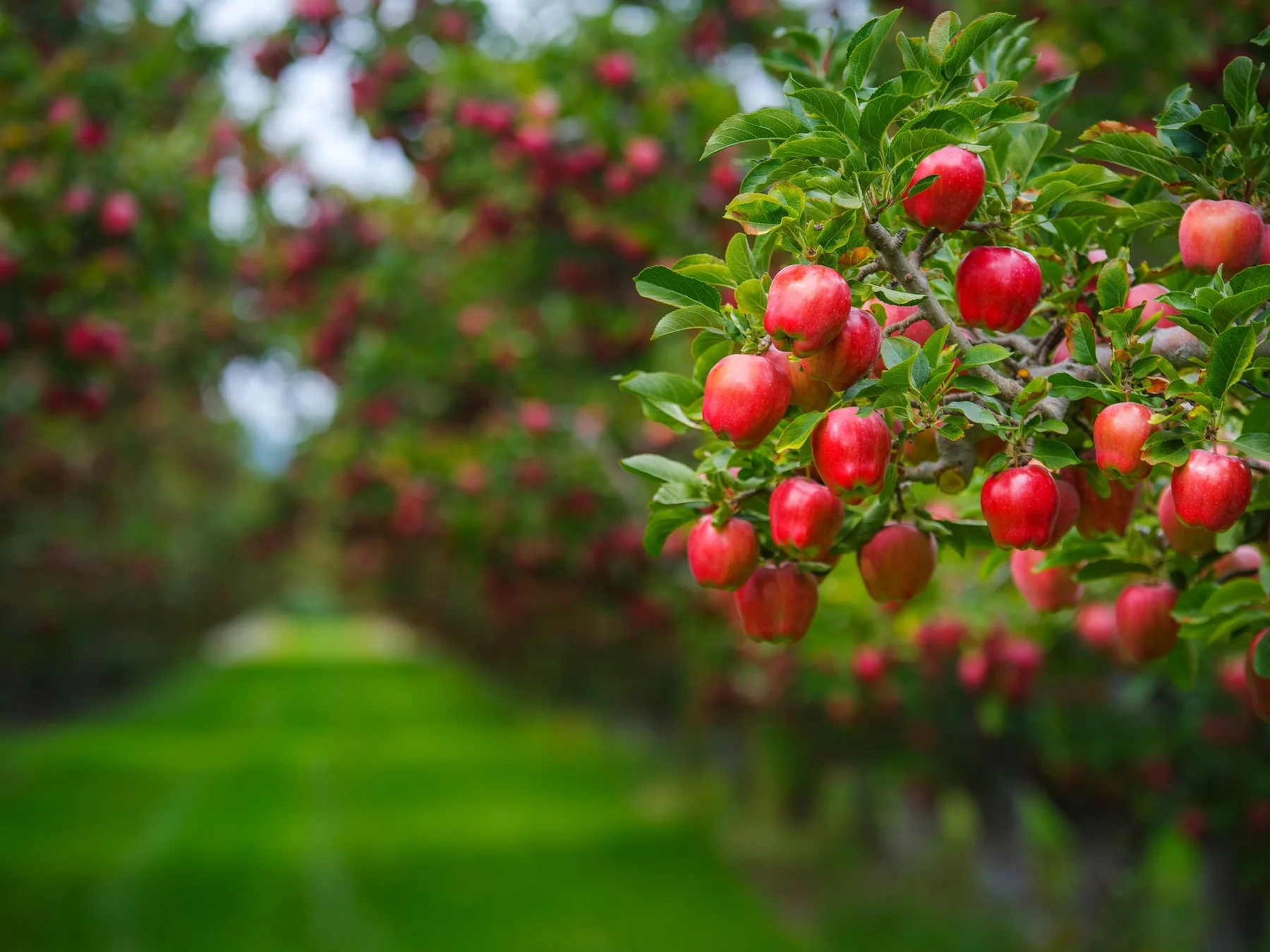
- Apple trees are deciduous and lose their leaves each year.
- Most commercial apples grow best in temperate climates with a winter chilling period.
Where apples came from
- The domestic apple has deep ancestry in Central Asia.
- Wild Malus sieversii trees grow in Kazakhstan and neighboring regions.
- These wild apples vary dramatically in fruit size, color, sweetness, and acidity.
- Humans moved apples westward along ancient trade routes.
- The Silk Road helped carry apple seeds and trees across Eurasia.
- As apples traveled, they hybridized with other wild apple species.
- Modern domestic apples therefore have a complicated mixed genetic history.
- Ancient Greeks and Romans cultivated apples.
- Roman horticultural knowledge helped spread grafting and orchard techniques.
- European settlers carried apples to North America.
- North America already had native crabapple species before European apples arrived.
- Colonial orchards produced fruit for eating, cooking, animal feed, and cider.
- Hard cider was often more important historically than sweet fresh apple juice.
- Apple cultivation expanded wherever climates offered suitable winters and growing seasons.
- Modern genomics has confirmed Central Asian wild apples as major ancestors of today’s orchard fruit.
Why apple seeds do not grow true
- An apple seed usually does not produce a tree identical to its parent.
- Apple varieties are genetically diverse because they reproduce sexually through flowers.
- A seed combines genes from its maternal tree and a pollen parent.
- That genetic reshuffling creates unpredictable offspring.
- A seed from a Honeycrisp apple does not reliably grow another Honeycrisp tree.
- To preserve a named variety, growers clone it vegetatively.
- Grafting is the standard method used to clone apple cultivars.
- A piece of desired apple wood called a scion is joined to another plant’s rootstock.
- The scion grows into branches producing the desired cultivar.
- The rootstock provides the root system and can influence tree size.
- Dwarfing rootstocks keep trees much smaller than seed-grown standard trees.
- Smaller trees are easier to harvest and manage.
- Rootstocks can also influence disease resistance and adaptation to soil conditions.
- Every genuine commercial Granny Smith tree ultimately descends vegetatively from the same cultivar lineage.
- Named apple varieties are therefore living clones copied across generations.
Apple flowers and pollination
- Apple blossoms usually open in spring.
- Flowers commonly begin pink and become paler as they open.
- Most apple cultivars need pollen from a genetically compatible second cultivar.
- This is called cross-pollination.
- Bees are extremely important apple pollinators.
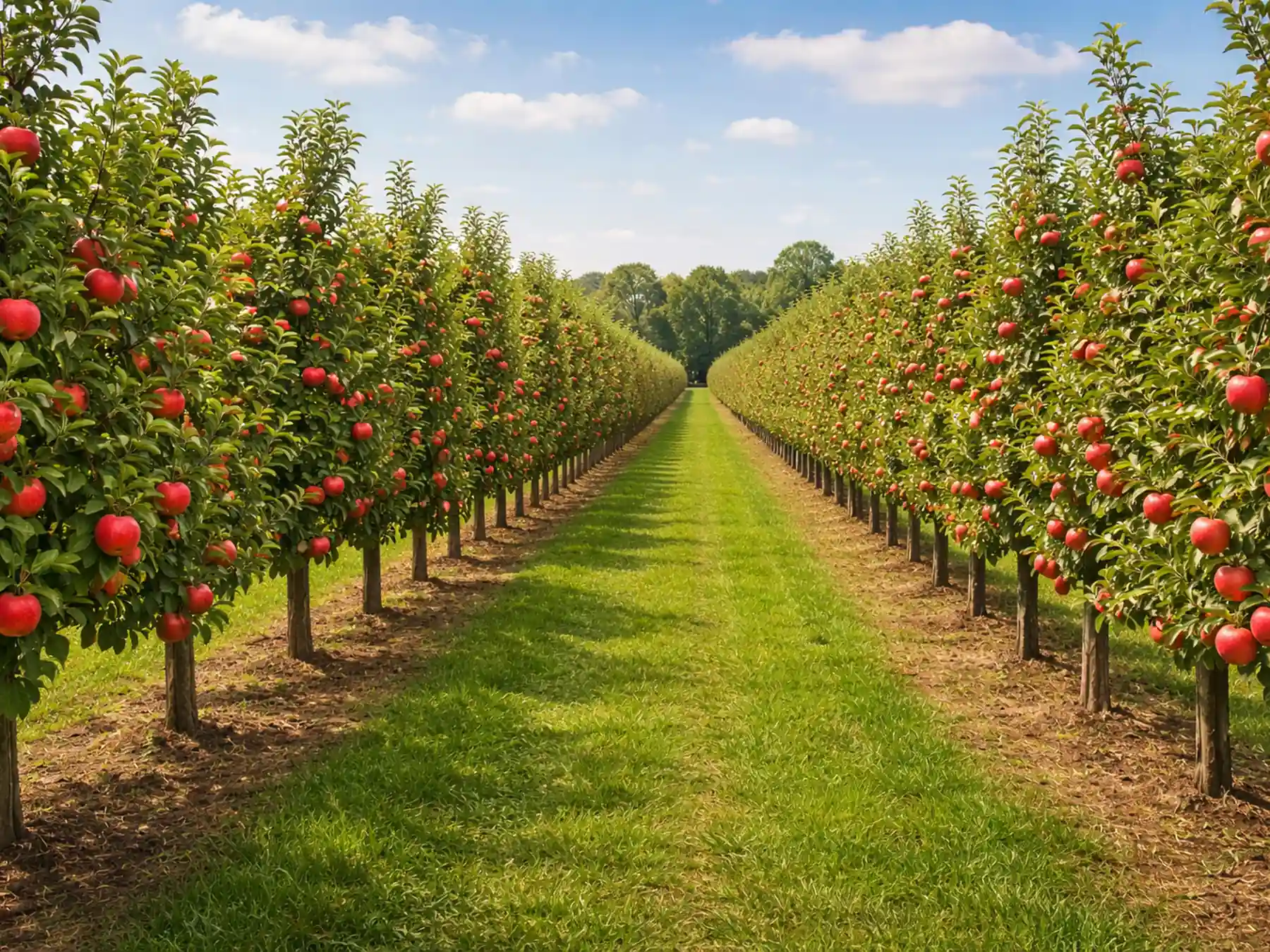
- Honeybee hives are often moved into commercial orchards during bloom.
- Wild bees also provide important orchard pollination.
- Pollination transfers pollen to the flower’s stigma.
- Pollen tubes then grow toward ovules inside the flower.
- Successful fertilization allows seeds and fruit to develop.
- Poor weather during bloom can reduce bee activity and fruit set.
- Cold, rain, and strong wind can interfere with pollination.
- Too much fruit on a tree can produce many undersized apples.
- Growers often thin developing fruit to improve final size and quality.
- Commercial orchards balance pollinizer varieties, bee activity, bloom timing, and tree health.
Why apples turn brown
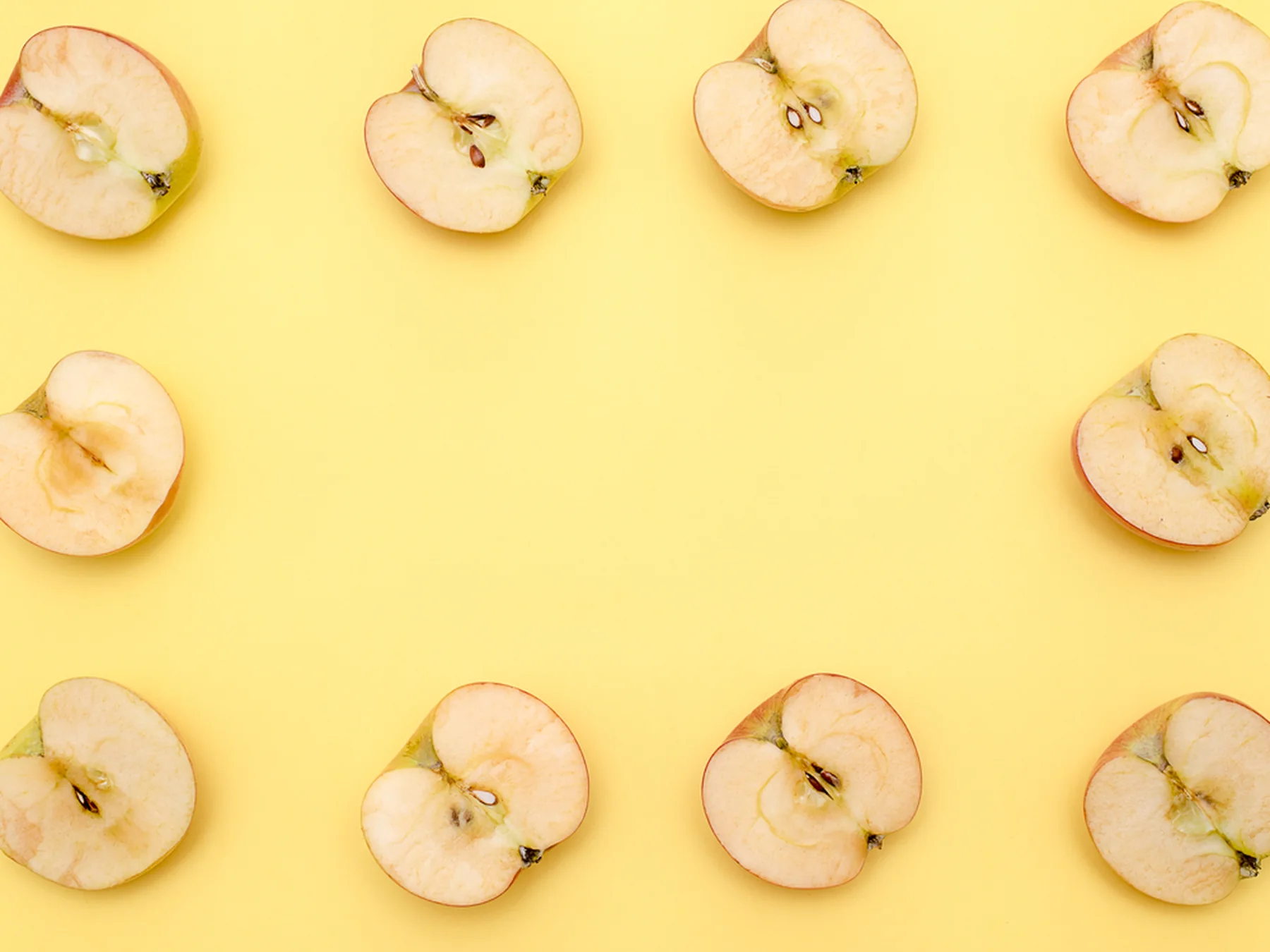
- Cut apples brown because damaged cells expose enzymes to oxygen.
- Polyphenol oxidase is a major enzyme involved in this browning.
- The reaction converts phenolic compounds into molecules that form brown pigments.
- Whole intact apples brown much more slowly because cell compartments remain separated.
- Lemon juice can slow browning.
- Its acidity reduces the enzyme’s activity.
- Vitamin C can also act as an antioxidant and delay discoloration.
- Submerging cut apples in water reduces direct oxygen exposure temporarily.
- Heat can deactivate browning enzymes.
- That is why cooked apples behave differently from raw slices.
- Browning is usually a quality issue rather than immediate evidence of dangerous spoilage.
- Different apple cultivars brown at different rates.
- Scientists have developed apple varieties with reduced enzymatic browning.
- Some commercial non-browning apples use biotechnology to reduce production of browning enzymes.
- Kitchen chemistry can therefore keep apple slices looking fresh without changing what fruit they are.
How apples ripen and stay fresh
- Apples are climacteric fruits that continue ripening after harvest.
- Ethylene is a plant hormone that helps coordinate apple ripening.
- Ripe apples produce ethylene themselves.
- Cold storage slows respiration and other ripening processes.
- Commercial apples can remain marketable for months under carefully controlled conditions.
- Controlled-atmosphere storage lowers oxygen and adjusts carbon dioxide around the fruit.
- This slows metabolism without actually freezing the apples.
- Some storage facilities use 1-methylcyclopropene to reduce ethylene responses.
- Fruit firmness decreases as cell-wall structures change during ripening.
- Starch converts into sugars as many apples mature.
- Growers can test starch patterns to estimate harvest maturity.
- Refrigerated apples usually keep much longer than apples left on a warm counter.
- Bruises accelerate localized tissue damage and spoilage.
- One decaying apple can expose neighboring fruit to additional ethylene and microbes.
- The old phrase about one bad apple spoiling the barrel has a real biological basis.
Famous apple varieties
- Granny Smith apples originated in Australia.
- The cultivar traces to Maria Ann Smith in the 1860s.
- Granny Smith apples are green, firm, and notably tart.
- Red Delicious became one of America’s most recognizable apple varieties.
- Its deep red color was heavily favored during decades of commercial selection.
- Golden Delicious is not simply a yellow version of Red Delicious.
- The two are genetically distinct cultivars.
- Golden Delicious became an important parent in modern apple breeding.
- Honeycrisp was developed through the University of Minnesota apple-breeding program.
- Honeycrisp became famous for a crisp, juicy texture rather than only sweetness.
- Fuji originated in Japan.
- Gala originated in New Zealand.
- Braeburn also originated in New Zealand.
- Pink Lady is a trademark used for qualifying apples of the Cripps Pink cultivar.
- Apple breeding can take decades from the first cross to commercial orchard adoption.
Apples in food and drink
- Some apples are bred mainly for fresh eating.
- Others perform especially well in pies, sauces, cider, or storage.
- Firm tart apples can hold their shape during baking.
- Soft apples break down more readily into sauce.
- Blending several cultivars can create more complex cider flavor.
- Hard cider is fermented apple juice.
- Yeast converts apple sugars into alcohol and carbon dioxide during fermentation.
- Sweet cider in the United States commonly means unfermented cloudy apple juice.
- The phrase “cider” can mean alcoholic cider in many other countries.
- Apple cider vinegar is made by converting alcohol into acetic acid.
- Applesauce can be made from peeled or unpeeled fruit.
- Apple butter contains no dairy butter.
- It is a concentrated, spiced apple spread cooked until dark and smooth.
- Caramel apples coat whole apples in cooked caramel.
- Apple pie became so culturally associated with the United States that “as American as apple pie” became a common phrase.
Johnny Appleseed and apple history
- Johnny Appleseed was a real person named John Chapman.
- He was born in Massachusetts in 1774.
- Chapman established apple nurseries across parts of the American frontier.
- He planted seeds rather than cloning famous eating varieties by grafting.
- Seed-grown apples are highly variable.
- Many frontier apples were better suited to cider than modern fresh eating.
- Chapman sold or transferred seedlings and nursery plots to settlers.
- Popular stories later transformed him into a barefoot wandering folk hero.
- Some details of the legend are exaggerated, but his nursery work was real.
- Apple orchards helped settlers establish legal claims and permanent farms in some frontier areas.
- Apple trees became practical sources of food, drink, vinegar, and animal feed.
- Apples also became symbols in folklore, religion, education, advertising, and technology.
- The fruit in the biblical Garden of Eden is not actually identified as an apple in Genesis.
- Later European art and language helped popularize the apple interpretation.
- For more fruit trivia, browse our banana facts and Food facts.
Ten surprising apple facts
- A Honeycrisp seed will not reliably grow a Honeycrisp tree.
- Named apple cultivars survive because people keep cloning them by grafting.
- An apple’s edible flesh develops partly from flower tissue outside the ovary.
- Commercial apples can spend months in low-oxygen storage before reaching a store.
- The “bad apple” expression has real biology because rot and ethylene can affect nearby fruit.
- The Garden of Eden fruit is never called an apple in the biblical text.
- Johnny Appleseed planted nurseries for practical frontier agriculture, not random decorative trees.
- Many historic American apples were valuable because they fermented well into cider.
- Modern supermarkets display only a tiny fraction of the world’s apple diversity.
- Apple genetics connect a grocery-store fruit to wild forests of Central Asia.
Quick apple FAQ
Why can’t I grow the same apple from its seed?
Apple seedlings combine genes from two parents, so they vary genetically. Growers preserve named cultivars by grafting cloned scion wood onto rootstocks.
Why do sliced apples turn brown?
Cutting breaks cells and lets oxygen interact with polyphenol oxidase and plant compounds, producing brown pigments.
Are apple seeds poisonous?
Apple seeds contain compounds that can release cyanide when crushed and digested. Accidentally swallowing a few intact seeds is very different from deliberately chewing and consuming large quantities.
Who was Johnny Appleseed?
John Chapman was a real American nurseryman who established apple nurseries in frontier regions during the late 18th and early 19th centuries.
Why are apples stored for so long?
Cold and controlled-atmosphere storage slow respiration and ripening, allowing certain cultivars to remain crisp and marketable for months after harvest.

Ellie is the owner and sole author of Fun Facts, combining her mechanical engineering background with years of research-driven writing to deliver facts you can trust. Every article is thoroughly fact-checked and routinely updated as new science and sources emerge to keep information accurate and current. Her mission is to make learning delightful while upholding high standards of reliability and transparency.