
Nigeria is so large and culturally varied that calling anything simply “Nigerian” usually opens three more questions. Lagos megacity life, Hausa emirates, Yoruba art, Igbo entrepreneurship, Niger Delta oil, Nollywood movies, Afrobeats, jollof debates, hundreds of languages, and booming tech scenes all belong in the same country.
Nigeria is Africa’s most populous country
- Nigeria is located in West Africa.
- It has the largest population of any African country.
- Abuja is the national capital.
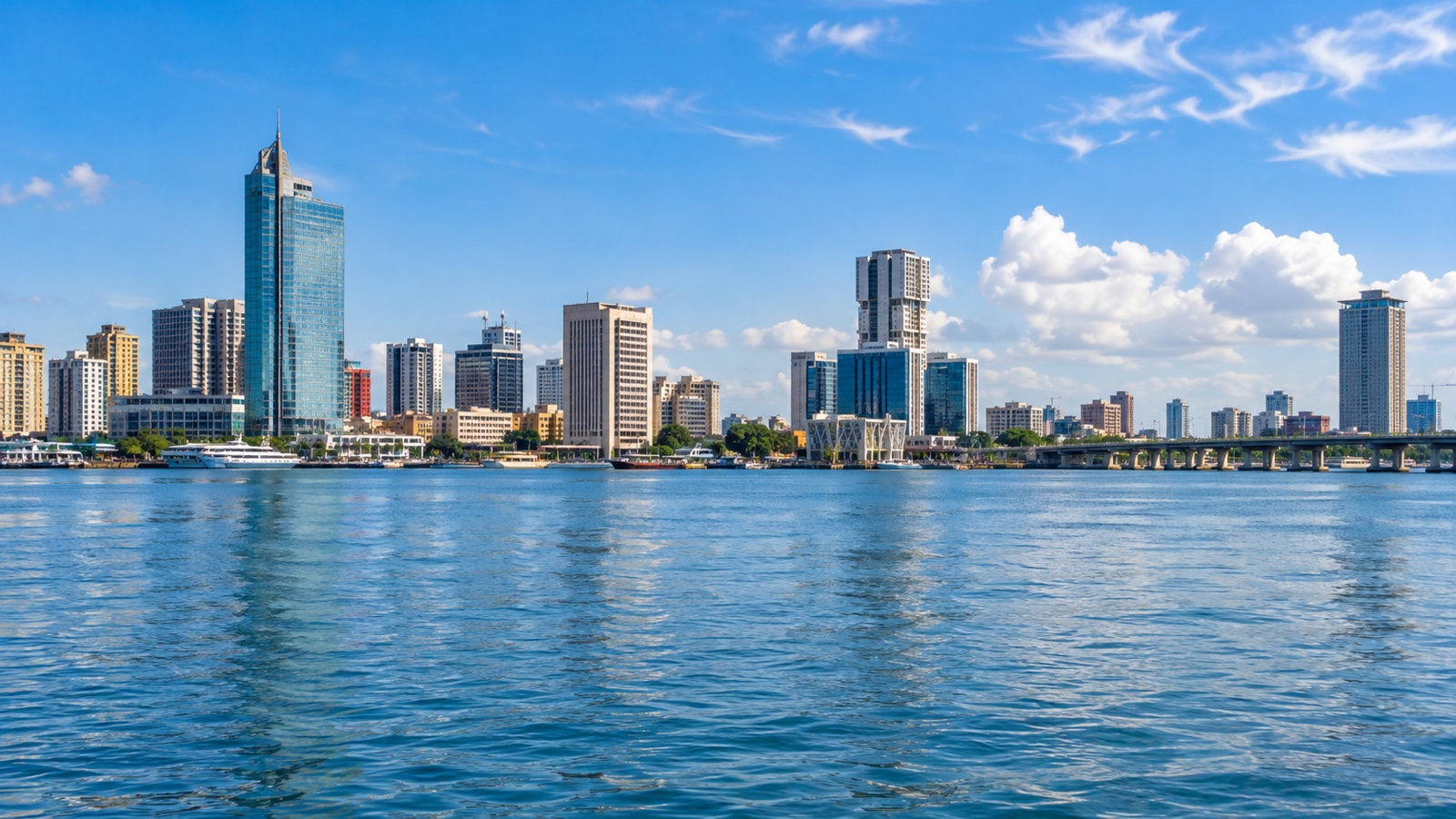
- Lagos is the country’s largest city and main commercial center.
- Nigeria has 36 states.
- The Federal Capital Territory contains Abuja.
- Nigeria borders Benin, Niger, Chad, and Cameroon.
- The Gulf of Guinea forms its southern coast.
- The national currency is the naira.
- English is the official language.
- Hundreds of Indigenous languages are spoken across the country.
- Hausa, Yoruba, and Igbo are among the most widely spoken Nigerian languages.
- Nigerian Pidgin is widely used as a cross-community language.
- The flag has green vertical bands surrounding a white band.
- Green represents the country’s natural wealth and agriculture in common explanations.
- White represents peace and unity.
- Nigeria uses West Africa Time year-round.
- The country is one hour ahead of Coordinated Universal Time.
- Nigeria does not use Daylight Saving Time.
- A country with hundreds of languages makes my ability to forget one person’s name feel especially unimpressive.
The Niger and Benue rivers organize the map
- Nigeria takes its modern name from the Niger River.
- The Niger is one of Africa’s longest rivers.
- It enters Nigeria from the northwest.
- The Benue River flows westward from Cameroon.
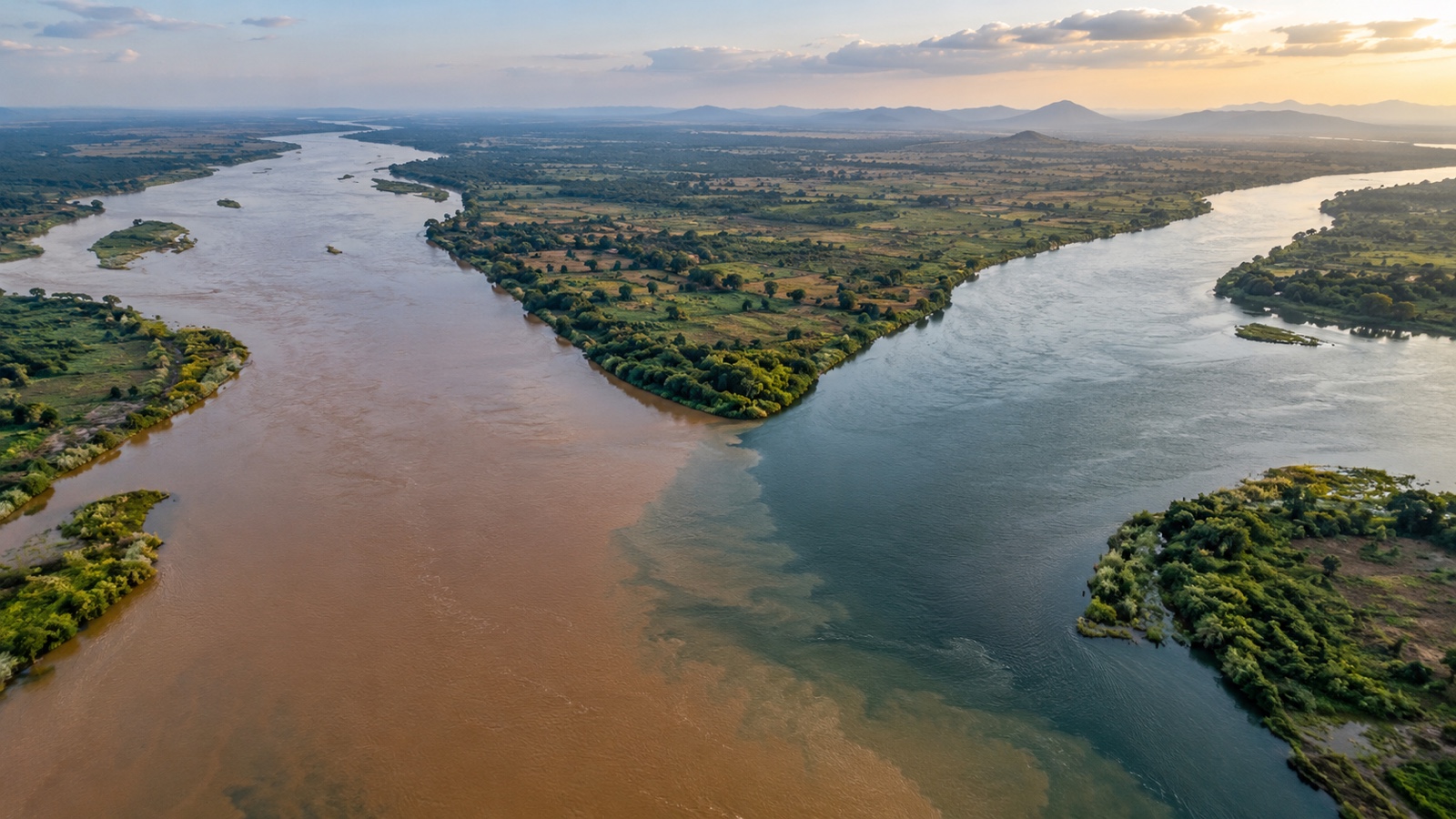
- The Niger and Benue meet at Lokoja.
- The confluence is one of Nigeria’s major geographic landmarks.
- The Niger continues south into a huge delta before reaching the Gulf of Guinea.
- The Niger Delta contains creeks, mangrove forests, swamps, and low-lying islands.
- The delta is one of the world’s largest wetland regions.
- Oil extraction has had enormous economic and environmental impacts there.
- Oil spills have damaged farmland, fisheries, mangroves, and community livelihoods.
- Gas flaring has also created air pollution and greenhouse-gas emissions.
- Northern Nigeria transitions into drier savanna and Sahel landscapes.
- Central Nigeria includes broad plateaus and savannas.
- Southern Nigeria contains tropical forests and wetter climates.
- Chappal Waddi is generally recognized as Nigeria’s highest point.
- It rises about 7,936 feet near the Cameroon border.
- Lake Chad touches northeastern Nigeria through a highly variable shallow lake basin.
- The lake has changed dramatically over time because of rainfall, evaporation, irrigation, and river inflows.
- Nigeria’s geography runs from mangrove swamps to dry Sahel within one national border.
Civilizations flourished long before colonial Nigeria existed
- The modern Nigerian state contains many historical societies that developed independently.
- Nok culture is famous for terracotta sculpture dating back more than two thousand years.
- Nok archaeological sites are concentrated mainly in central Nigeria.
- Ife became a major Yoruba religious and political center.
- Artists at Ife created highly naturalistic metal and terracotta heads.
- Some Ife metal artworks date to the medieval period.
- The Kingdom of Benin developed in what is now southern Nigeria.
- Historical Benin City is not the same place as the modern neighboring Republic of Benin.
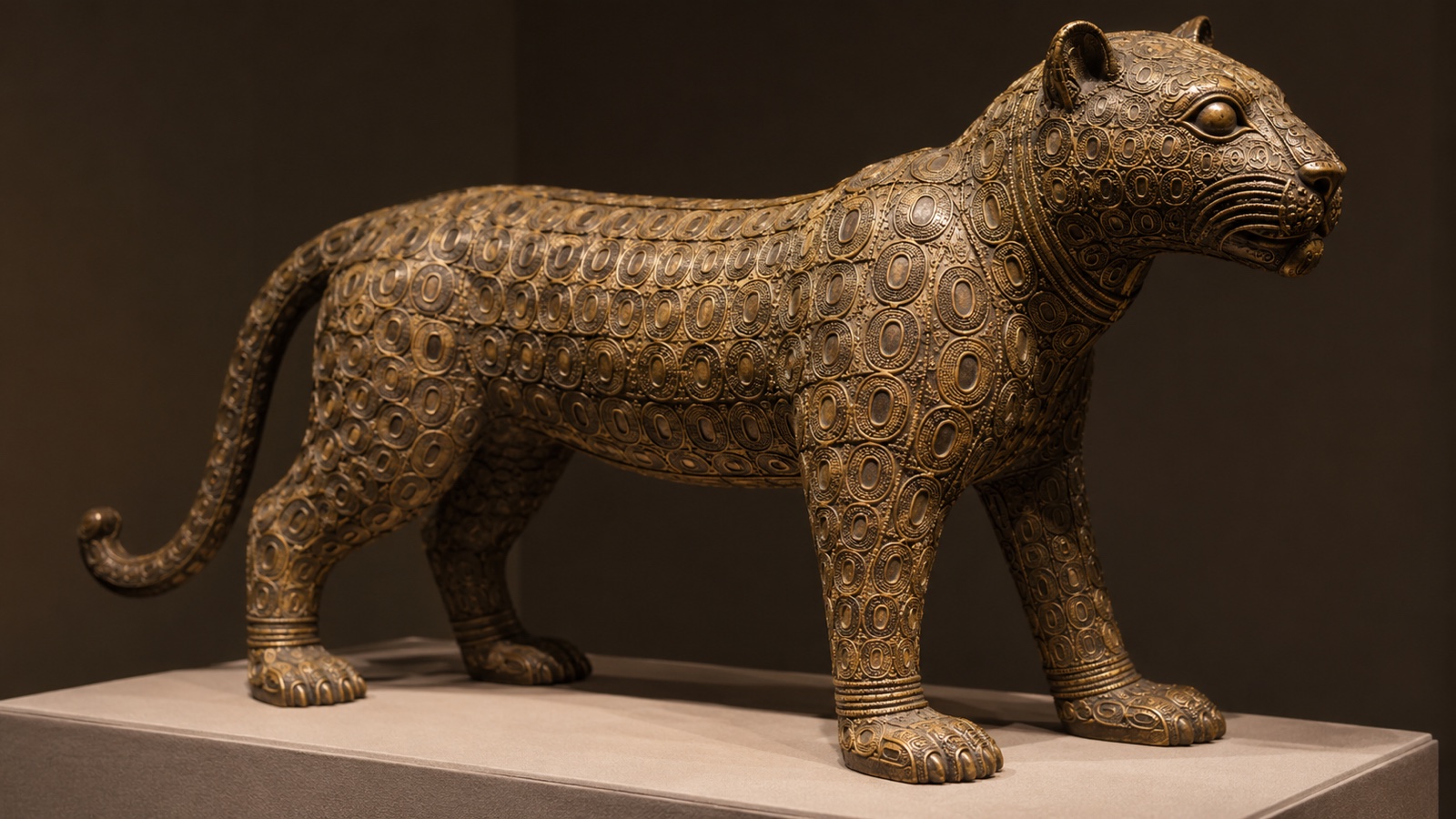
- Benin court artists produced famous brass plaques and sculptures.
- British forces looted thousands of Benin artworks during the 1897 punitive expedition.
- Museums and governments continue debating and carrying out returns of Benin Bronzes.
- The Oyo Empire became a major Yoruba state.
- Hausa city-states developed important trade and craft centers in northern Nigeria.
- Kano became one of West Africa’s great commercial cities.
- The Sokoto Caliphate was founded in the early 19th century.
- It became one of Africa’s largest states of its era.
- Kanem-Bornu power also shaped northeastern Nigeria and the Lake Chad region.
- Trans-Saharan trade linked northern Nigerian states with North Africa.
- Atlantic trade shaped southern coastal societies differently.
- Nigeria’s precolonial history is less one timeline than a library of several timelines sharing today’s map.
British colonial borders combined very different regions
Modern Nigeria did not simply grow out of one ancient kingdom. British authorities combined territories with different political systems, economies, religions, and languages, which helped create a large state but also left difficult questions about power and representation after independence.
- British influence expanded along Nigeria’s coast during the 19th century.
- Lagos became a British colony in 1861.
- British authorities later established protectorates over northern and southern territories.
- The Northern and Southern Nigeria protectorates were amalgamated in 1914.
- That administrative merger is a major starting point for modern Nigeria’s territorial form.
- Frederick Lugard served as the first governor-general of the amalgamated colony.
- British rule often relied on indirect government through selected local authorities.
- Indirect rule worked differently across regions because existing political structures varied.
- Mission schools expanded Western-style education especially in parts of southern Nigeria.
- Nationalist movements grew during the 20th century.
- Nigeria became independent from Britain on October 1, 1960.
- The country initially retained the British monarch as ceremonial head of state.
- Nigeria became a republic in 1963.
- Political crises and military coups destabilized the young country.
- The Eastern Region declared the independent Republic of Biafra in 1967.
- The Nigerian Civil War lasted until 1970.
- Large numbers of civilians died, many from starvation and disease.
- Biafra became an international symbol of humanitarian crisis.
- Nigeria experienced long periods of military rule after independence.
- Continuous civilian democratic rule began in 1999 and has continued through multiple transfers of power.
More than 250 ethnic groups shape Nigerian culture
- Nigeria is home to more than 250 ethnic groups.
- Hausa and Fulani communities are prominent across much of the north.
- Yoruba communities are concentrated mainly in the southwest.
- Igbo communities are concentrated mainly in the southeast.
- Ijaw communities have deep roots in the Niger Delta.
- Kanuri communities are prominent in the northeast.
- Ibibio and Efik communities are among the peoples of southeastern coastal regions.
- Tiv communities are numerous in central Nigeria.
- No ethnic group represents the entire country.
- Islam is the majority religion across much of northern Nigeria.
- Christianity is dominant in many southern areas.
- Traditional religious systems remain influential in some communities and cultural practices.
- Yoruba religious traditions influenced religions across the Atlantic world through the forced migration of enslaved Africans.
- Orisha traditions survive in Nigeria and in diaspora religions in the Americas.
- Extended families and community networks can play strong social roles.
- Clothing traditions vary by region and occasion.
- Agbada is a flowing robe commonly worn by men in several West African cultures.
- Gele headwraps are prominent in many Nigerian women’s formal outfits.
- Ankara-style wax-print fabrics are widely used even though their manufacturing history connects Europe, Indonesia, and West Africa.
- Nigerian weddings are famous for turning clothing, music, food, family diplomacy, and dancing into one impressively coordinated marathon.
Nollywood and Afrobeats have enormous global reach
Nigeria exports culture at a scale that can surprise people who only follow Western entertainment. Its film industry produces huge numbers of movies, Afrobeats fills global charts, Nigerian authors win major literary awards, and social media can turn Lagos slang into international vocabulary overnight.
- Nollywood is the popular name for Nigeria’s film industry.
- The industry grew rapidly through low-cost video production during the 1990s.
- Direct-to-video distribution helped filmmakers reach huge audiences without traditional cinemas.
- Modern Nollywood includes streaming productions, theatrical films, television, and independent projects.
- Lagos is the industry’s main production center.
- Nigerian films are watched across Africa and the global diaspora.
- Afrobeats is a broad modern pop category associated strongly with Nigeria and Ghana.
- Afrobeats is different from Afrobeat, the genre pioneered by Fela Kuti.
- Fela Kuti combined jazz, funk, highlife, African rhythms, and political commentary.
- Modern Nigerian stars have taken Afrobeats onto global charts and arenas.
- Burna Boy is one of Nigeria’s internationally successful contemporary artists.
- Wizkid has collaborated with major global musicians.
- Davido is another internationally prominent Nigerian performer.
- Tems has achieved major international chart and award success.
- Chinua Achebe wrote the influential novel “Things Fall Apart.”
- Wole Soyinka became the first Black African recipient of the Nobel Prize in Literature.
- Chimamanda Ngozi Adichie became one of Nigeria’s best-known contemporary writers.
- Ben Enwonwu became a major 20th-century Nigerian artist and sculptor.
- Nigerian fashion designers also have a growing international profile.
- Nigeria has enough creative industries that the phrase “soft power” starts sounding way too small.
Jollof, tech, oil and 25 final Nigeria facts
- Jollof rice is one of Nigeria’s most famous dishes.
- Several West African countries have their own jollof traditions and passionate claims to superiority.
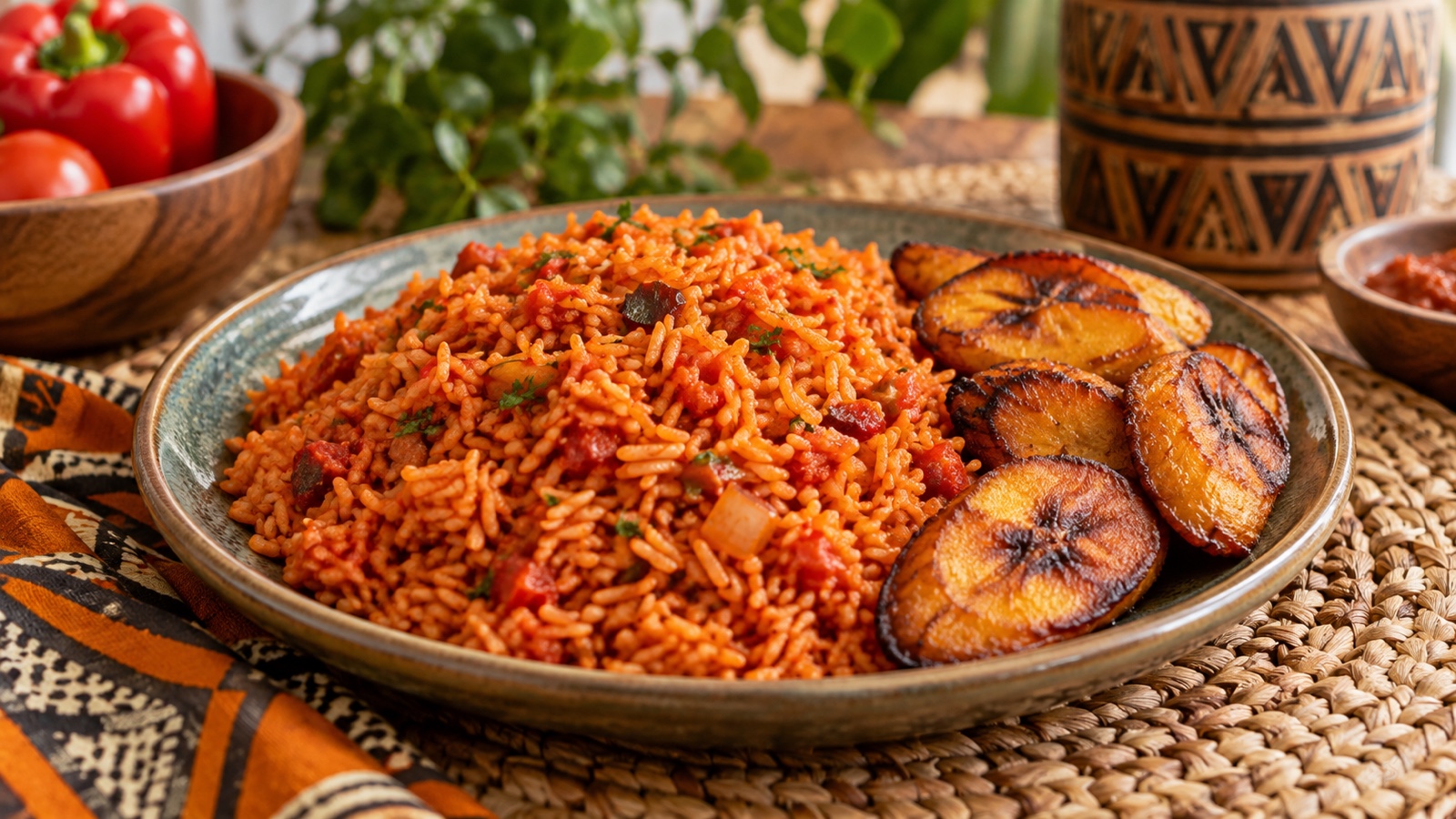
- Nigerian jollof commonly uses rice cooked in a tomato-pepper base.
- Party jollof is prized for a smoky flavor.
- Suya is spicy grilled skewered meat strongly associated with northern Nigerian food traditions.
- Egusi soup uses ground melon seeds.
- Pounded yam is a smooth starchy accompaniment eaten with soups and stews.
- Moi moi is a steamed bean pudding.
- Akara are fried bean fritters.
- Puff-puff are small fried dough balls.
- Palm oil is important in many regional cuisines.
- Nigeria is one of Africa’s largest oil producers.
- Petroleum exports dominate much of the country’s foreign exchange earnings.
- Economic dependence on oil makes global price swings especially important.
- Nigeria also has large agriculture, telecommunications, banking, entertainment, and technology sectors.
- Lagos has one of Africa’s largest startup ecosystems.
- Nigerian fintech companies have attracted major international investment.
- The country has produced globally prominent founders in payments and financial technology.
- Football is Nigeria’s most popular sport.
- The men’s national team is nicknamed the Super Eagles.
- The women’s national team is nicknamed the Super Falcons.
- Nigeria has won Olympic medals in sports including football, athletics, boxing, and weightlifting.
- Hakeem Olajuwon was born in Lagos before becoming an NBA legend.
- The drill monkey and Cross River gorilla are among Nigeria’s threatened primates.
- After 145 facts, Nigeria still feels less like one story than a continent-sized conversation squeezed into one national border.
Quick FAQ
Q: What is Nigeria famous for?
A: Lagos, Nollywood, Afrobeats, oil, jollof rice, more than 250 ethnic groups, major literary traditions, technology startups, the Niger River, and huge cultural influence across Africa and the diaspora.
Q: What is the capital of Nigeria?
A: Abuja is the capital, while Lagos is the largest city and major commercial center.
Q: How many languages are spoken in Nigeria?
A: Hundreds. English is official, while Hausa, Yoruba, Igbo, Nigerian Pidgin, and many other languages are widely spoken.
Q: Is Nollywood bigger than Hollywood?
A: It depends on the measure. Nollywood produces a very large number of films, but Hollywood remains far larger in global box-office revenue and production budgets.
Q: What is the difference between Afrobeats and Afrobeat?
A: Afrobeat is the politically charged genre associated with Fela Kuti, while Afrobeats is a broader modern pop category spanning many contemporary West African sounds.

Ellie is the owner and sole author of Fun Facts, combining her mechanical engineering background with years of research-driven writing to deliver facts you can trust. Every article is thoroughly fact-checked and routinely updated as new science and sources emerge to keep information accurate and current. Her mission is to make learning delightful while upholding high standards of reliability and transparency.